#william-gale-gedney
#william-gale-gedney
[ follow ]
#photography #contemporary-art #art-exhibition #art #exhibition #architecture #new-york-city #portrait-photography
#photography

NYC LGBT
fromenglish.elpais.com
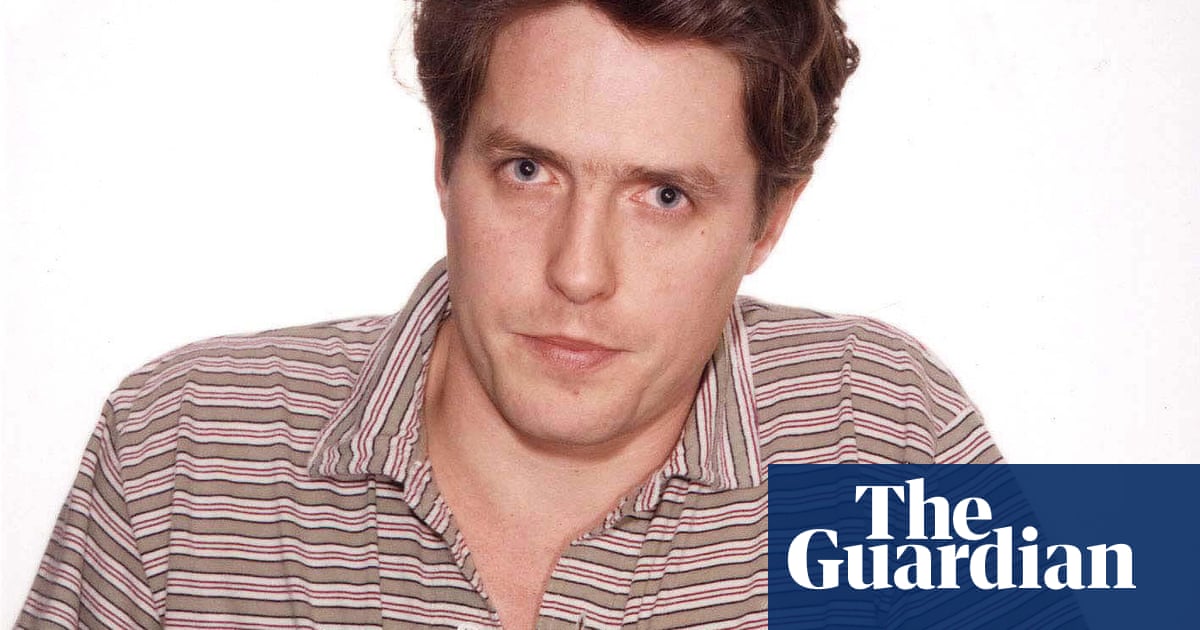
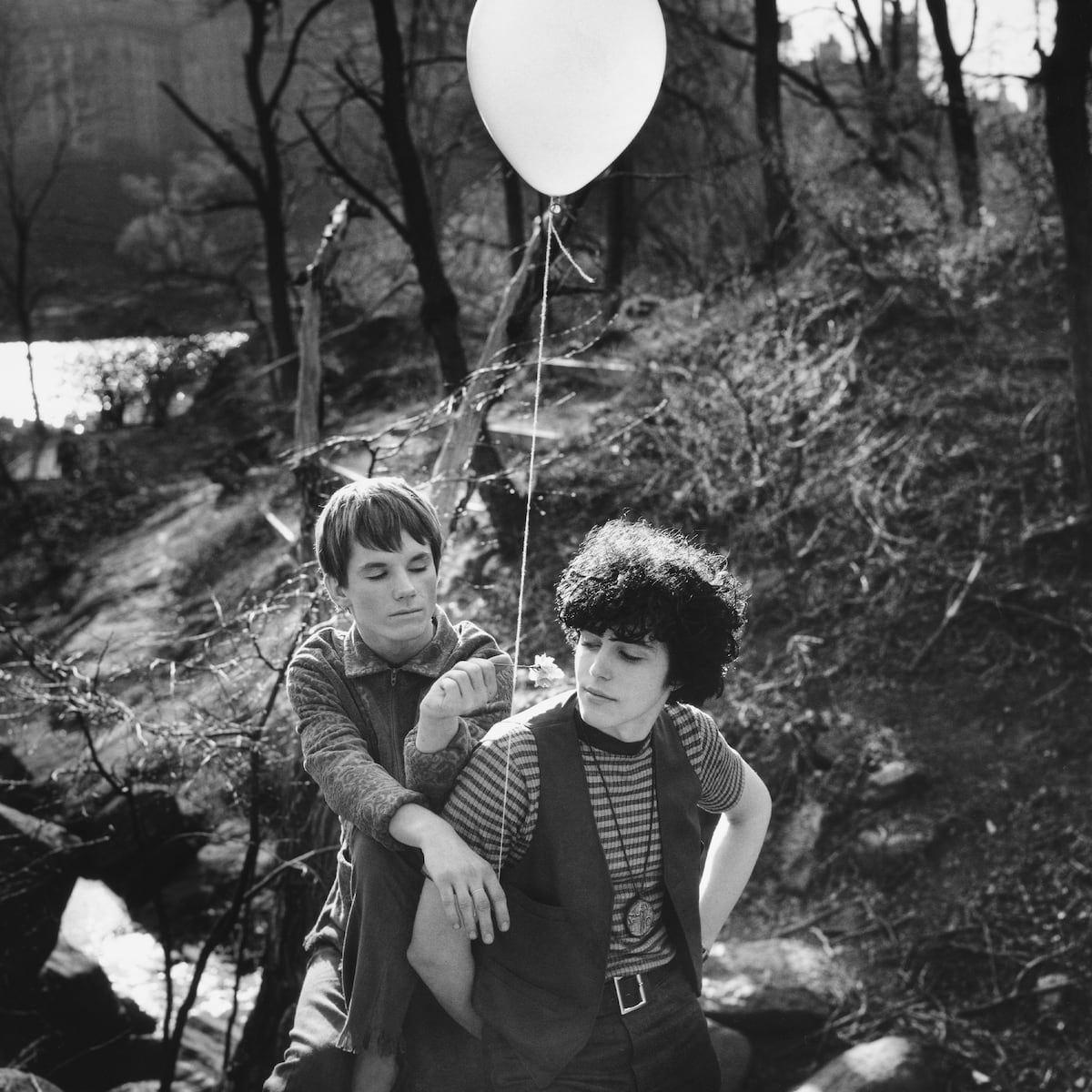
1 month agoPhotographer Arthur Tress captures cruising in New York in 1969: It was a form of socializing'
Arthur Tress photographed gay men in Central Park's Ramble in 1969, creating black and white portraits that documented a hidden community during a time when homosexuality was illegal.
Photography
fromwww.theguardian.com
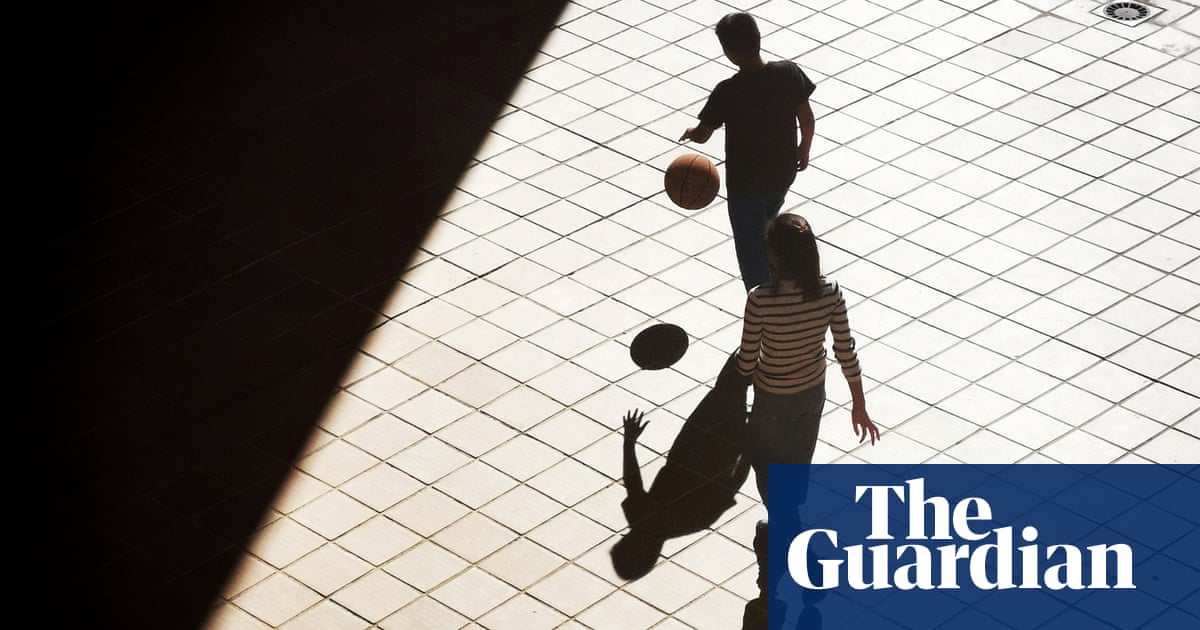
1 day agoThe shadows, the figures playing basketball I waited for the magic to appear then it did': Jose Luis Morales Martin's best phone picture
Jose Luis Morales Martin captures the interplay of architecture and photography, emphasizing the emotional connection and artistry in both fields.
Social media marketing
fromFstoppers
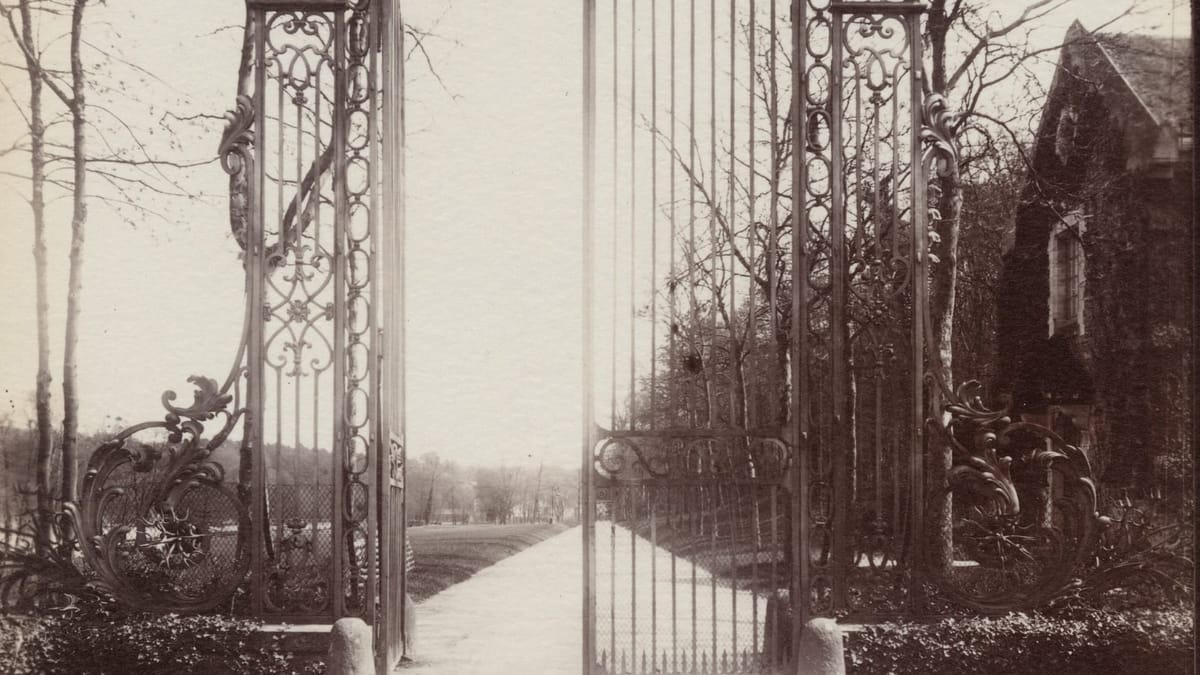
2 weeks agoShowcase Photography on Instagram in 2026 | Fstoppers
Instagram's algorithm has fundamentally shifted away from static photography, requiring photographers to adapt their content strategy and embrace storytelling to maintain audience reach and engagement.

fromItsnicethat
2 weeks ago"A dyke is not a singular thing": Emily Lipson's new monograph resists queer stereotypes
The series centres a community whose visibility has too often been shaped by external gaze rather than self-definition. A 'dyke' is not a singular thing. The community isn't narrow, unified, or clean. It is not only cis lesbians for example. It includes trans masc men, trans femme women, nonbinary people, and bisexuals.
Photography
#documentary-film

Photography
fromThe New Yorker
1 month agoHas Taking the Perfect Photo Ruined Tourism in "The Spectacle"?
Tourist destinations showcase natural beauty while visitors prioritize photographing experiences over direct observation, raising questions about what authentic engagement is sacrificed through documentation.
Photography
fromThe New Yorker
4 weeks agoStephen Shore, Ryan McGinley's Xeroxes in "Hard Copy New York"
Photocopied photographs at the International Center of Photography exhibition demonstrate immediacy and contemporary relevance through a deliberately low-tech aesthetic, featuring work by prominent photographers including Stephen Shore, John Divola, and Daniel Arnold.


fromArtnet News
2 weeks agoMagnum Gallery Honors the Life and Legacy of Photographer Martin Parr
His humor, his clarity, and his vision shaped many discussions across the agency and within the wider photographic world. This exhibition pays homage to the unique vision of Martin Parr, whose sharp eye for contemporary society and prominent role within Magnum Photos have left an enduring mark on photography.
Arts
Arts
fromArtnet News
2 weeks agoPaige Powell Didn't Just Document Warhol's Inner Circle. She Shaped It, Too
Paige Powell documented the 1980s New York art scene as Andy Warhol's close confidante, capturing intimate moments of his final years through photography that became inseparable from her identity.
fromHyperallergic
3 weeks agoArt Problems: How Do I Get Gallery Representation?
Dealers like artists with established sales records because it lowers their already considerable financial exposure. Renting a gallery space in Tribeca costs anywhere between $8,000-30,000 a month on top of staff, marketing, and daily operations. With that kind of overhead, very few business owners can afford to take on the financial risk of untested artists.
Arts
fromColossal
3 weeks ago'The Language We Share' Traces a Photographic Lineage Between Gordon Parks and Beverly Price
I saw that the camera could be a weapon against poverty, against racism, against all sorts of social wrongs. I knew at that point I had to have a camera. Parks recognized photography's potential as a tool for social change and advocacy, viewing the medium not merely as documentation but as an active means of confronting systemic injustices and giving visibility to marginalized communities.
Arts
fromHyperallergic
3 weeks agoEmbracing Friction in the Art World
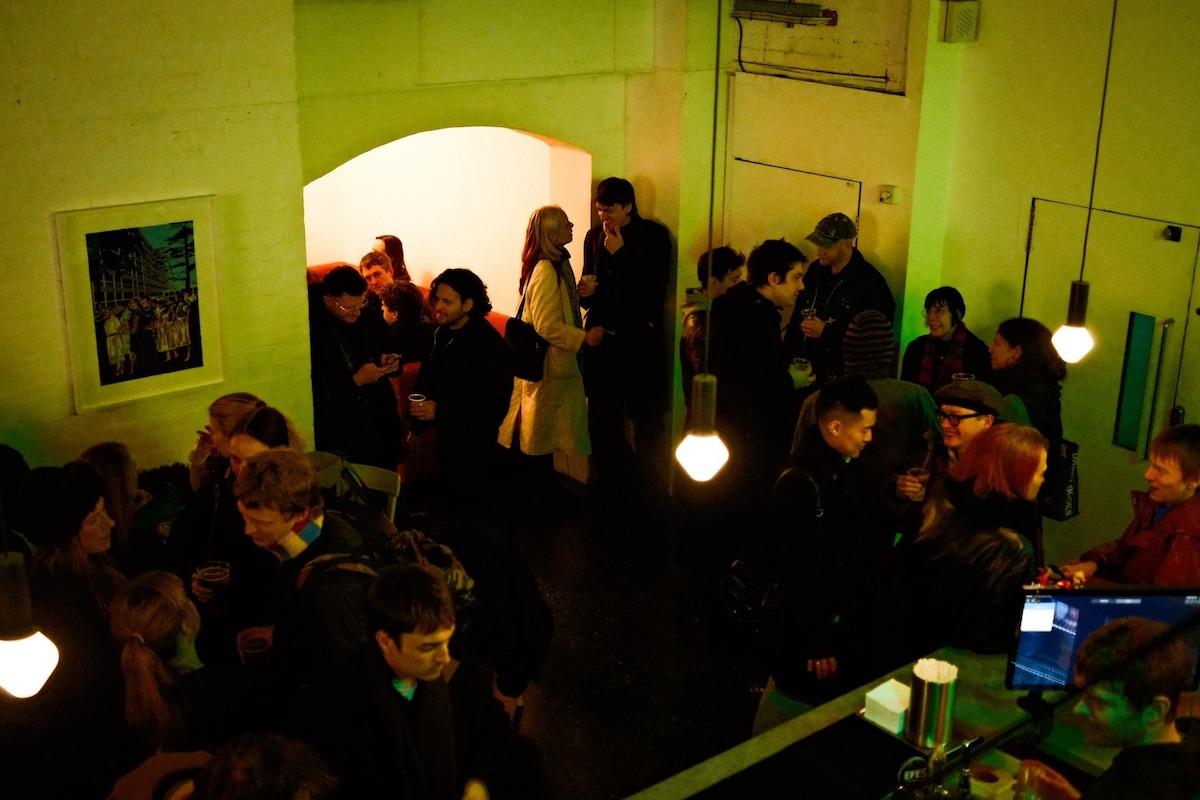
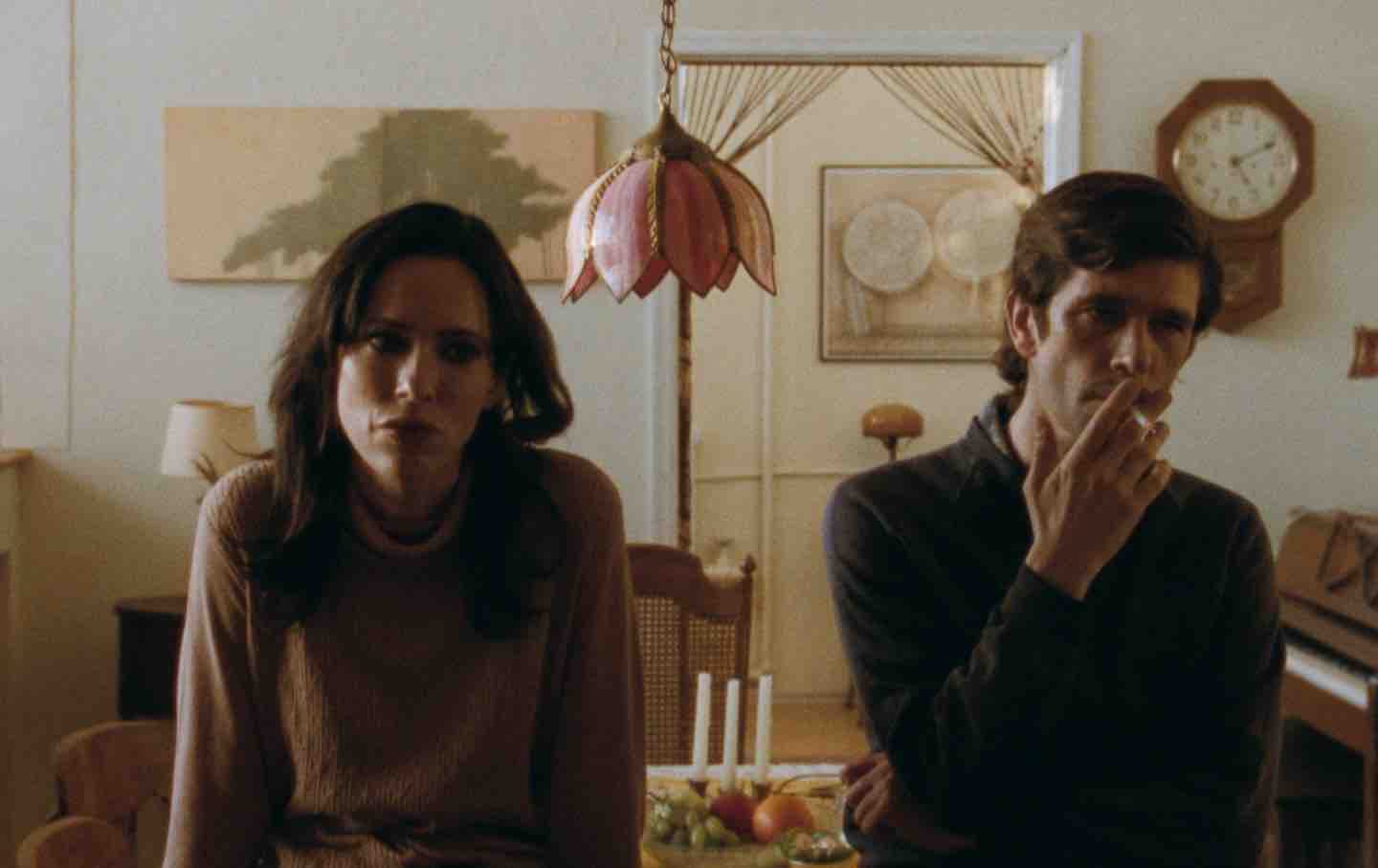
On Franklin Street in Brooklyn's Greenpoint neighborhood, one non-commercial gallery fosters 'a small, stubbornly human space for friction.' Friction—the ubiquitous buzzword that captures the simultaneous delight and discomfort of doing things the slow way—is at the heart of artists Pap Souleye Fall and Char Jeré's current show at Subtitled NYC. It also reflects the overall spirit of this little exhibition space and of a burgeoning movement to reject our culture of optimization in favor of a bumpier, more intimate, less alienating experience.
Arts
Arts
fromArtnet News
3 weeks agoAffordable Art Fair New York Explores the Evolving Nature of Photography
Affordable Art Fair New York's 2026 spring edition features a curated photography exhibition exploring how the medium evolves through new technologies, alternative processes, and interdisciplinary artistic boundaries.
Arts
fromThe Art Newspaper - International art news and events
1 month agoNew book digs into the little-known gallery that brought Modern art to America
The F. Valentine Dudensing Gallery, open for 21 years starting a century ago, hosted groundbreaking first exhibitions for major modernist artists and fundamentally shaped American taste for modern art.
Photography
fromThe Art Newspaper - International art news and events
2 months ago'Sometimes it would get physical': the photographer who captures humanity at close quarters
Mark Cohen's abrupt, close-cropped street photographs use confrontational, flash-driven techniques to capture ordinary people and scenes, predominantly in Wilkes-Barre, Pennsylvania.
Photography
fromOregon ArtsWatch * Arts & Culture News
1 month agoAn absence of flattery: Diane Arbus at JSMA * Oregon ArtsWatch
Diane Arbus's portraiture exposed subjects' vulnerabilities and identity fault-lines, producing unflattering yet compelling images showcased in a Eugene exhibition of vintage prints.
fromHyperallergic
2 months agoA View From the Easel
Mornings are best for concentrated work. In the winter, I turn on the heat at 8am and get started around 10am. Summer, I start around 9am. I have two areas in the studio for projects. The large, heavy wood sculptures are carved in the front section of the studio, closest to the roll-up wide door. Smaller sculptures are placed on a hydraulic workbench. Before I start, I focus, connect with the Source, and ask for guidance.
Arts
fromHyperallergic
1 month agoA View From the Easel
I work outside, carving and shaping the stone. Outside my house, I have a table, an extension cord, and tools. It's very cold and I have to wear all my winter clothes. When it's too cold, I do the filing and finishing work inside after I shape it outside. I listen to all kinds of music. I listen to Eminem all the time; his albums are all my favorites. For drawings, I work at Kinngait Studios or at home on my kitchen table.
Arts
Arts
fromThe Art Newspaper - International art news and events
2 months agoMaster Drawings New York marks 20th anniversary as both fair and market expand
Master Drawings New York reaches its 20th edition, reflecting a growing market and mainstream collector appreciation for drawings and works on paper.
fromArtforum
2 months agoOut Cold: New York's Midwinter Shows
My mind, though enfeebled by New Year's celebrations, was fine; I'd traveled to Queens to see Jeffrey Joyal's "my Life Underground" at Gandt. For this exhibition, the gallery left its longtime home in a basement for a column-laden miniature ballroom in a clinic up the block, complete with a wrought-iron chandelier and ghostly portrait hanging above the crown molding. Walking through the lobby to the exhibition room, I passed by an empty suggestion box entreating patients to "rate their therapist."
Arts
[ Load more ]