#wine--spirits-industry
#wine--spirits-industry
[ follow ]
#cocktails #mixology #whiskey #wine-industry #bourbon #new-york-city #whisky #cocktail-trends #beverage-industry
fromTravel + Leisure
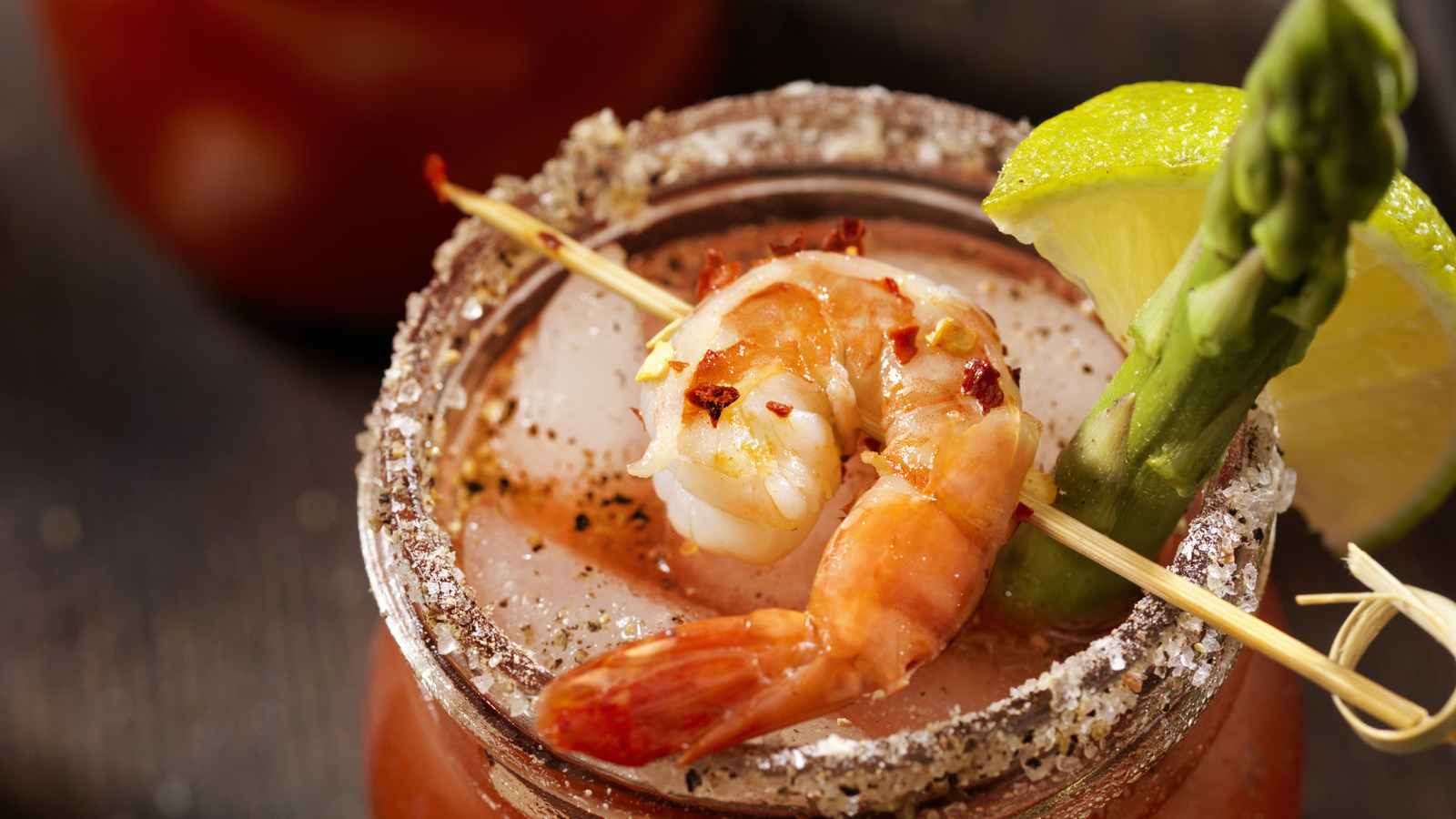
3 days agoThe Best Cocktail to Order on a Flight, According to Science
"Our study confirmed that in an environment of loud noise, our sense of taste is compromised. Interestingly, this was specific to sweet and umami tastes, with sweet taste inhibited and umami taste significantly enhanced," Robin Dando, one of the study's authors, told the Cornell Chronicle after the study came out.
Boston food
from24/7 Wall St.
6 days agoDiageo vs Constellation Brands: One Beverage Giant Breaks as the Other Breaks Out
Diageo's dividend situation has deteriorated sharply, with a rebased interim payout of $0.20 per share and a new policy establishing a minimum annual floor of $0.50, indicating a focus on debt reduction over income.
Business
fromElite Traveler
2 days agoThe Best Whisky in the World Right Now, According to Bartenders
"Mortlach 15 Year Old is a combination of first-fill and refill Sherry casks and bottled by Gordon & MacPhail as a testament to the long standing and unique relationship with Scotland Distillery owners, built up over generations."
Cocktails
fromInsideHook
4 days agoGlengoyne Turns to Mizunara to Create the Year's Best Scotch
Mizunara is the third release in the distillery's Oak Masters' Series, which also includes White Oak and White Oak 24-Year-Old expressions. Mizunara is native to Japan's northern island of Hokkaido. It's an extremely rare oak and quite difficult to work with because it's very porous, making it difficult to craft into casks. But the effort is almost always worth it, as the oak brings out sandalwood, incense, floral and even tropical notes.
Wine
#celebrity-endorsements
Cocktails
fromTasting Table
2 weeks agoWhat Makes A Celebrity Liquor Worth Buying, According To A Master Mixologist - Tasting Table
Celebrity liquor quality varies widely, with success depending on genuine distiller partnerships rather than marketing alone, as consumers quickly identify inferior products.
Cocktails
fromTasting Table
2 weeks agoWhat Makes A Celebrity Liquor Worth Buying, According To A Master Mixologist - Tasting Table
Celebrity liquor quality varies widely, with success depending on genuine distiller partnerships rather than marketing alone, as consumers quickly identify inferior products.
Miscellaneous
fromCalifornia Post
1 month agoWhat crisis? Napa Valley finds unique way to fight back as wineries wither
Luxury wine experiences in California now focus on exclusive, immersive storytelling that transforms visitors into lifelong customers through private access and personal connections with winemaking families.
fromTravel + Leisure
1 month agoWe Asked 6 Wine Experts What They Drink on a Flight, and They All Agree on This Beverage
"airlines have really stepped up their game. I've spotted bottles on beverage carts that I'd have to hunt for on the ground, which tells me they're working with people who actually know wine. They have a captive audience at 35,000 feet, and they could easily rely on subpar offerings. So when an airline chooses to stock something genuinely good, it says a lot."
Food & drink
fromPUNCH
2 months agoIt's Not Easy Being Green
the Strengthening Organic Enforcement (SOE) rules, set by the USDA, declared that importers-that's right, the firms that typically handle sales and logistics, not just the winemakers- also need to be certified organic in order for the wines to retain the label. According to a spokesperson from the USDA, the regulations are an effort to "better protect organic businesses and consumers" and "keep fraud out of the market."
Agriculture
fromGastropoda
13 years agoWine steaks
Former consort braved the newly reincarnated Absolute Bagels & bailed when he found 45 people in line, in the cold. One of our oldest friends, who retreated to the Bay Area long ago, always used to say: "The more New Yorkers get fucked, the more they like it." Now with more Instagram...
New York City
Books
fromFood & Beverage Magazine
1 month agoBookish Wine: Where Romantasy, Art, and Wine Collide - Food & Beverage Magazine
Bookish Wine pairs special-edition romantasy novels with bespoke Sonoma wines to create a limited-release, collectible, immersive reading-and-tasting experience for romantasy communities.
Wine
fromABC7 Los Angeles
3 weeks agoFrom fish sauce to fine wine: Red Boat's new venture
Cuong Pham, a former Apple engineer, launched Red Boat Fish Sauce in 2011 after discovering his mother's ancestral ingredient, creating a celebrated artisan condiment now beloved by chefs and home cooks worldwide.
fromTasting Table
1 month ago9 Craft Distilleries In The US You Should Visit - Tasting Table
The U.S. spirits landscape has evolved far beyond the recognition of simply being the birthplace of bourbon. In recent years, we've seen a transformation in both the quality and individuality that the country's craft distilleries have been able to produce. While previous decades were dominated by the big-name distilleries, far more awards are going to craft distillers who have mastered the art of producing high-quality whiskeys, rums, gins, and more.
Food & drink
Cocktails
fromTasting Table
2 weeks agoThe Worst Type Of Rum On The Market, According To An Expert - Tasting Table
Rum encompasses diverse styles from agricole to aged varieties; heavily sweetened spiced rums with artificial flavoring lack complexity and should be avoided in favor of traditionally aged or blended options.
Wine
fromThe Mercury News
3 weeks agoFor Gen Z, wine is 'an old person's drink.' Local enthusiasts want to change that
Darriene Marks, a 23-year-old from Hawaii, represents a rare Generation Z professional in the wine industry, pursuing advanced certifications and production careers while advocating for younger consumers to overcome misconceptions about wine.
Cocktails
fromInsideHook
3 weeks agoThe Best Spirits Bottles of the Year
The Spill Awards 2026 recognized eight exceptional spirits released in 2025, each showcasing unique qualities within their respective categories, including an American Single Malt aged in rare Pacific Northwest oak and a dessert-inspired blended whisky.
fromTasting Table
2 months agoThe 10 Most Overrated Liquor Brands - Tasting Table
As a professional bartender with years of behind-the-bar experience, I've tasted, mixed, and served my fair share of spirits - from obscure craft distilleries to globally recognized icons. Over time, I've noticed a recurring pattern: certain brands achieve fame, hype, or luxury pricing that their actual liquid rarely justifies. That's what I mean by "overrated." For the purposes of this article, an overrated brand is one that is sought-after, valued, or frequently discussed, yet, in terms of aroma, flavor, or overall drinking experience, fails to live up to its popularity, demand, or price point.
Food & drink
fromPsychology Today
1 month agoHow AI Is Rewiring Winemaking and Wine Collecting
The Brain Science Here's where neuropsychology enters the vineyard. The human brain's relationship with wine is deeply emotional and multisensory. When we taste wine, our orbitofrontal cortex integrates sensory information with memory and emotion; it's why a particular bottle might remind us of our grandmother's kitchen or that study-abroad summer in Tuscany. This neural complexity is what makes wine special, and it's also what makes AI's role in the industry controversial.
Wine
fromSlate Magazine
2 months agoThere's One Category of Alcohol Taking the Biggest Hit of All. It Should Be the Last.
In 2025, legacy Oregon craft brewery Rogue Ales & Spirits filed for bankruptcy and shuttered operations, California uprooted 38,134 acres of wine grapes (in order to cope with overproduction and stymie future excess crops), and Jim Beam announced it would cease production of bourbon at its main distillery for the duration of 2026. An increasing push toward sobriety has flooded the market with nonalcoholic alternatives to traditional tipples.
Wine
fromTasting Table
2 months ago7 Whiskey Barrel Aged Wines, Ranked - Tasting Table
Starbucks' Reserve Roasteries sell whiskey barrel-aged cold brew, some beer is aged in bourbon barrels, and wine is an obvious beneficiary of this method too. Though the practice of aging wine in bourbon barrels is contested by some consumers - naysayers say the process diminishes the flavors that come from thoughtfully growing and sourcing the grapes, thus undermining the farmers - others are staunch fans of the finished product.
Wine
fromwww.theguardian.com
2 months agoFar from upcharged grape juice': the 13 most exciting nonalcoholic wines in the US
As an editor and writer who regularly covers the world of nonalcoholic drinks, I have tasted more than my fair share of booze-free wines. Much like with regular wine, the results have been mixed some are bitter or super sour, or even worse, smell like nothing. But I've also had the pleasure of drinking alcohol-free wines that scratched the same itch as a top-notch riesling or champagne.
Wine
Wine
fromFortune
1 month ago'You can't have fun if you don't drink alcohol in France': Paris wine show tackles a teetotal era | Fortune
Zero- and low-alcohol beverages are gaining market share as social alternatives, driven by changing consumer habits and industry adaptation amid declining traditional alcohol consumption.
fromelitetraveler.com
2 months agoDo You Need an AI Wine Cellar?
For wine collectors, the art of cellar management has always been as much about precision as it is indulgence. Temperature, humidity, and provenance all dictate whether a vintage will flourish or falter, and even the most meticulous collectors know that storage mistakes can be costly. Now, a new wave of technology promises to take out the guesswork. AI wine cellars, as futuristic as they sounds, are systems that use artificial intelligence to track bottles, catalogue vintages, and anticipate optimal conditions.
Wine
[ Load more ]