#wood-furniture-care
#wood-furniture-care
[ follow ]
#interior-design #sustainability #home-improvement #furniture-design #home-design #craftsmanship #diy


fromTasting Table
7 hours agoChanging Up Kitchen Wallpaper? This Common Cleaner Makes The Peeling Off Process Painless - Tasting Table
Windex is an unexpected household cleaner that can degrease your kitchen and dissolve wallpaper glue and residue. The ammonia in Original Windex is a solvent that breaks down the adhesive properties of glue in wallpaper, allowing you to wipe it off the wall easily.
Remodel
#furniture-design

Design
fromYanko Design - Modern Industrial Design News
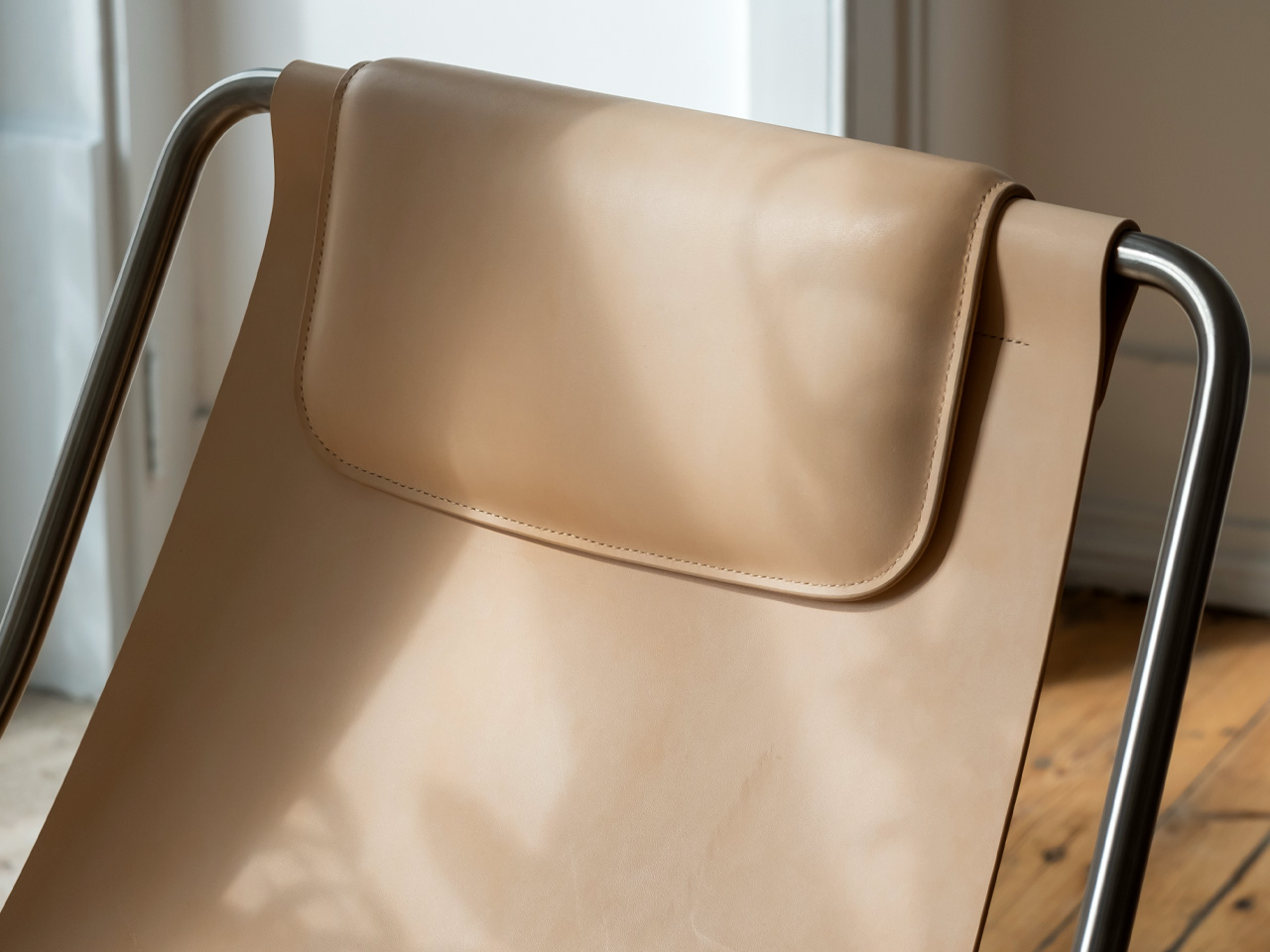
2 days agoOne Week Design's Squares Furniture Is Built on a Bricklayer's Memory - Yanko Design
The Squares collection by Xiaoya Wang and Jian Ni embodies personal memory and design restraint, creating furniture that resonates emotionally.
Design
fromYanko Design - Modern Industrial Design News
5 days agoFurniture That Borrows Its Bones From Architecture - Yanko Design
SeongJin Hwang's YY Series redefines furniture design by integrating architectural principles into its structural logic.
fromYanko Design - Modern Industrial Design News
2 months agoDesign
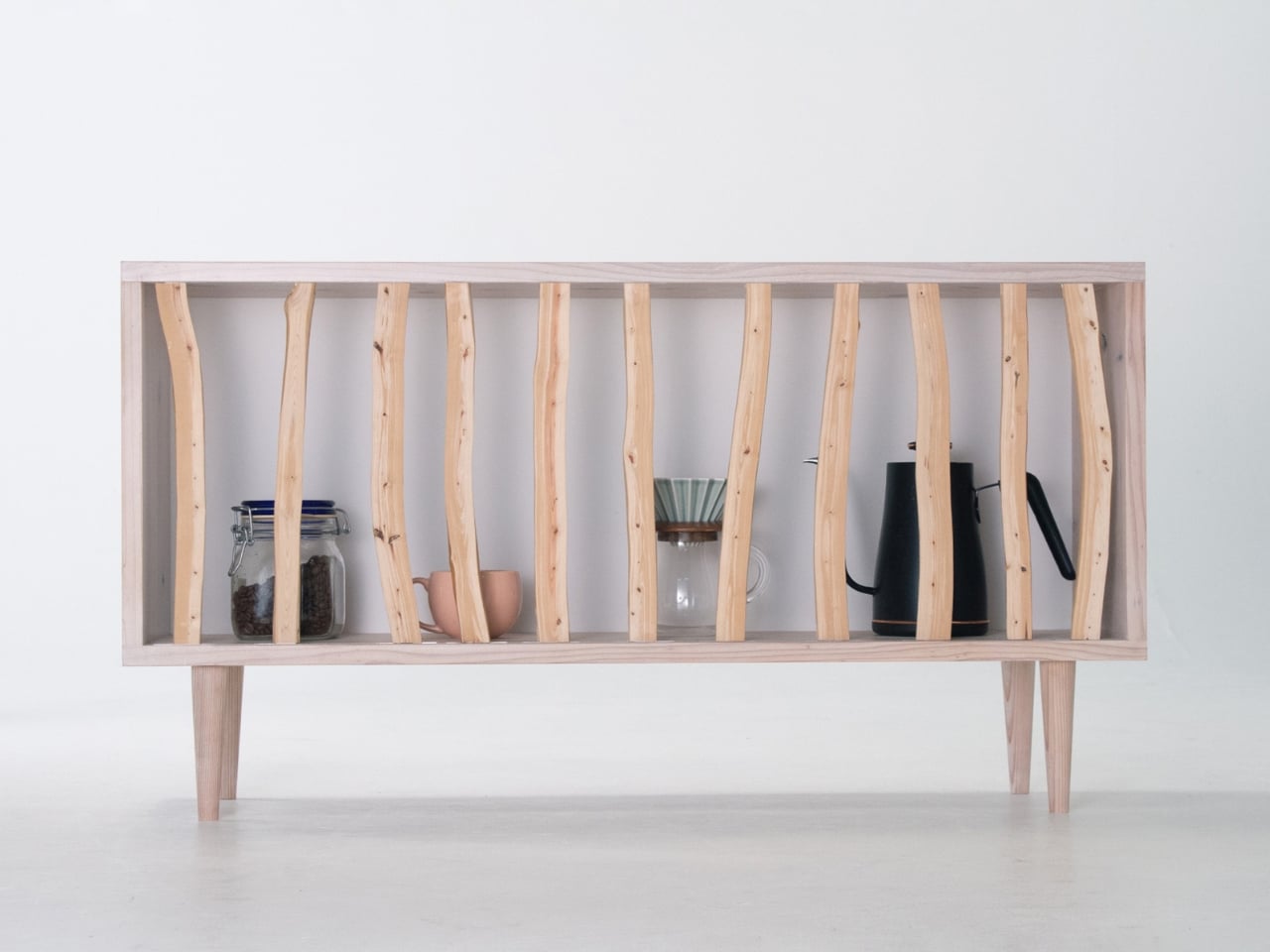
This Japanese Cabinet Uses Real Forest Branches as Doors - Yanko Design
Adjustable cabinet uses sliding Japanese cypress branches to customize openness and privacy, combining reclaimed wood’s natural asymmetry with functional, responsive storage.
fromYanko Design - Modern Industrial Design News
4 days agoBREMEN Turns a Broom Into a Guitar and a Desk Into a Piano - Yanko Design
BREMEN is designed to change the way people interact with music by allowing everyday objects to become actual instruments, thus removing traditional barriers to music-making.
Berlin music



fromArchitectural Digest
1 week agoHow to Spot a Dupe when Buying Designer Vintage Furniture
"In many ways they've become part of the visual landscape of the vintage market, particularly online, where speed often replaces connoisseurship," says Rodrigo Fernández, director and cofounder of Diez Company.
Web design
fromwww.theguardian.com
3 weeks agoSave our soles! Cobblers on the 15 best ways to look after your shoes
The UK dumps 149m pairs of shoes in landfill annually. This is unacceptable when the vast majority can be fixed. Sometimes all it takes is a small gluing or stitching job, and you're only paying £4 then those shoes might last for another 12 months or even longer.
Running
fromianVisits
3 weeks agoThat dressing gown? It's wood. Inside London's strangest materials exhibition
This is just one item in a display that looks at how wood can be turned into all sorts of things that don't look or feel like wood at all. It's all because wood is a renewable resource and could be a viable replacement for plastics and other oil-based materials.
London
Fashion & style
fromBusiness Matters
3 weeks agoWhy Sustainable Fashion is More Than Just a Trend: Clothing, Bags, and Accessories for a Better Future
Sustainable fashion has moved from niche to mainstream as consumers increasingly demand transparency about production, labor practices, and environmental impact of clothing and accessories.
fromLondon Business News | Londonlovesbusiness.com
1 month agoThe best solid wood furniture brands in the UK (2026): Expert reviews and buying guide - London Business News | Londonlovesbusiness.com
Off the Grain works out of Halifax in West Yorkshire, handcrafting every piece to order. Forget flat-pack or particleboard - here, it's all about real materials and genuine expertise. Skilled craftspeople cut, join, and finish each item by hand. You can pick your dimensions, wood, and finish, so the final piece fits your space instead of the other way around.
Real estate
UX design
fromYanko Design - Modern Industrial Design News
3 weeks agoA Student Made the Most Honest Chair of the Year - Yanko Design
Manuela Hirschfeld's Tilt chair uses simple physics and bent plywood to shift between upright sitting and reclined lounging modes without mechanical parts or instructions.
Arts
fromArchDaily
1 month agoBuildFest Introduces "Acts of Construction," a Three-Year Exploration of Timber Installations
Bethel Woods launches BuildFest, a three-year initiative featuring large-scale timber installations and multimedia experiences on the historic 1969 Woodstock festival grounds, organized sequentially around construction, choreography, and performance themes.
fromApartment Therapy
1 month agoA "Heirloom" Solid-Wood Dresser and 8 More Finds Editors Can't Stop Talking About
If you're on the hunt for the most comfortable sofa or a clutter-clearing closet organizer, you can always count on Apartment Therapy editors to dole out thoughtful recommendations (it's what we do!). But how often do you get a glimpse at our personal shopping habits? Covering the latest home, cleaning, storage, and lifestyle finds means we're bound to make discoveries for our own homes along the way.
E-Commerce
Renovation
fromArchDaily
2 weeks agoTransforming a Concrete Shell into a Wooden Interior Shaped by the Sea
A Mediterranean harbor house renovation transforms a raw concrete shell into a material-driven interior that echoes maritime atmosphere through spatial organization, natural materials, and carefully controlled views of the surrounding landscape.
fromwww.architecturaldigest.com
2 weeks agoNon-Toxic Paint 101: A Designer-Approved Guide
Even long after the tell-tale odor of new paint has vanished, traditional paint can off-gas for months, releasing volatile organic compounds (VOCs) that have been linked to organ and nervous system damage, cancer, and infertility.
Remodel
#interior-design
UX design
fromBusiness Insider
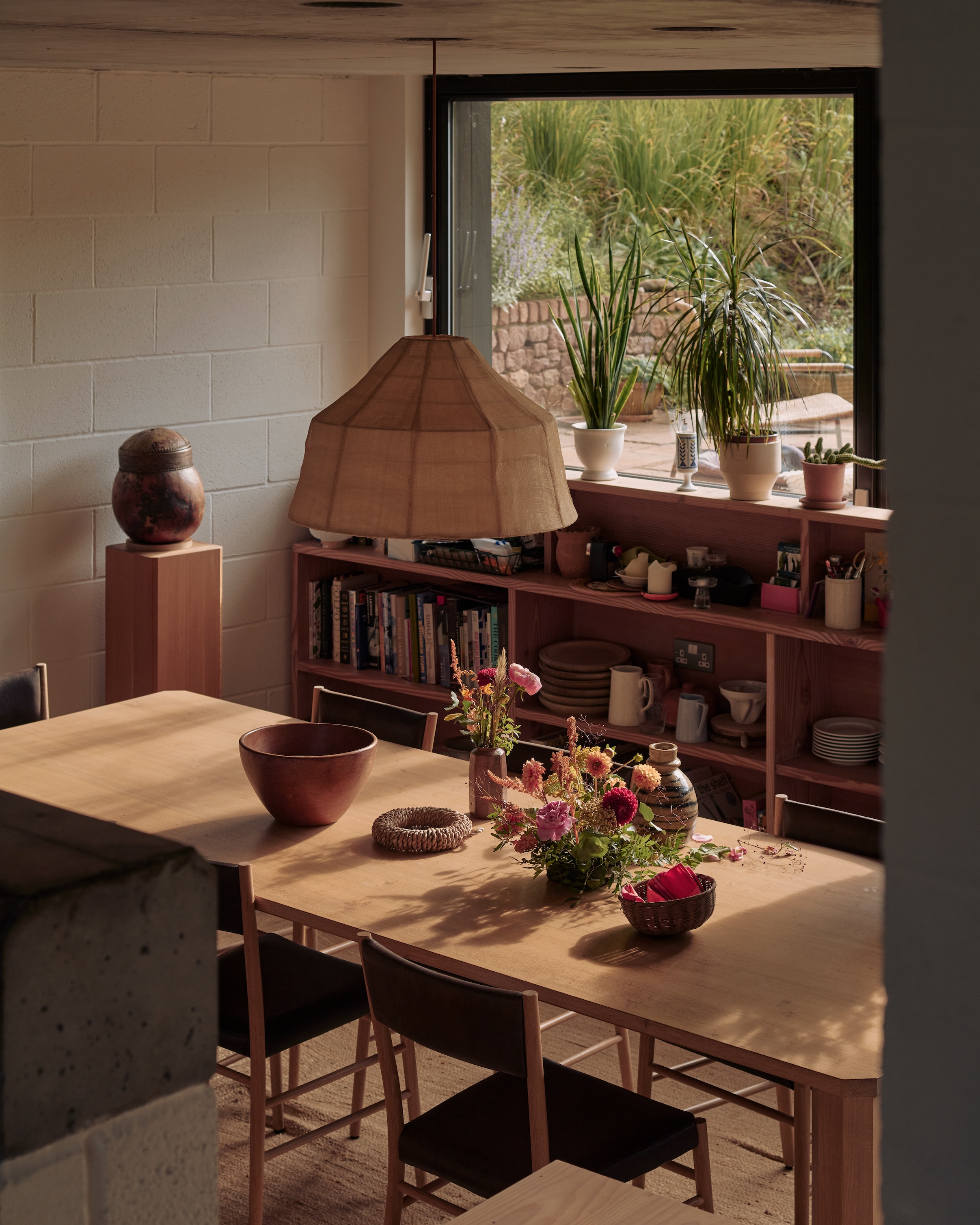
1 month agoI'm an interior designer. Here are 6 things I'd buy at Ikea and 6 I'd probably skip.
An interior designer selectively purchases from Ikea, recommending photo frames, dressers, and outdoor decking while avoiding outdoor lanterns, bedding, and mirrors due to quality and aesthetic concerns.

UX design
fromBusiness Insider
1 month agoI'm an interior designer. Here are 6 things I'd buy at Ikea and 6 I'd probably skip.
An interior designer selectively purchases from Ikea, recommending photo frames, dressers, and outdoor decking while avoiding outdoor lanterns, bedding, and mirrors due to quality and aesthetic concerns.
fromArchDaily
3 weeks agoBuilding with Earth: Traditional Knowledge in Contemporary Architecture
Rather than representing a simple return to the past, this renewed interest reflects a broader reconsideration of how architecture engages with materials, local resources, and environmental conditions.
Renovation
fromwww.archdaily.com
3 weeks agoWood House / JAK Architecture
What began as a modest brief for a young and growing family soon evolved into a considered renovation that reimagines an existing Barwon Heads home. The original house had endured several unsympathetic alterations over the years, leaving it disjointed and built to a poor standard.
Renovation
fromApartment Therapy
3 weeks agoThis Trendy Aesthetic Will Define DIY Projects in 2026, According to Michaels' Experts
After years of hyper-polished feeds and showroom-perfect homes, people are embracing the beauty of imperfection. Wabi-sabi spaces celebrate texture, visible brushstrokes, uneven stitching, and layered finishes.
Design
Gadgets
fromYanko Design - Modern Industrial Design News
1 month agoStop Ruining Your Chisels: This Sharpening Kit Locks Angles Every Time - Yanko Design
EdgeForm mechanically locks the sharpening angle and stabilizes the stroke to deliver repeatable, precise sharpening using modular plates, rollers, and clamps.
fromYanko Design - Modern Industrial Design News
1 month agoThis Charity Hanger Was Made From Paper-Thin Wood Sheets - Yanko Design
Most coat hangers exist somewhere between purely functional and aggressively boring. They're the things we grab without thinking, the wire creatures that multiply mysteriously in closets, or the bulky wooden ones that restaurants seem to breed. But every so often, a design comes along that makes you stop and reconsider something as mundane as a place to hang your jacket.
Graphic design
Arts
fromdesignboom | architecture & design magazine
2 months agosalvaged wood from the LA wildfires becomes functional objects at marta exhibition
Reclaimed Altadena wood has been transformed into functional objects at Marta, commemorating the 2025 wildfires and embodying memory, loss, and potential regeneration.
Gadgets
fromYanko Design - Modern Industrial Design News
2 months agoThis Reciprocating Detail Sander Works on Detailed Projects like Gundam Kits, Wood, and Jewelry - Yanko Design
NeoSander is a palm-sized, cordless linear-motor detail sander delivering up to 13,000 SPM and adjustable stroke for precise, low-vibration finishing in tight spaces.
fromRemodelista
2 months agoExpert Advice: DIY Building Lessons from Artist Sean Spellman
When Sean Spellman opened Dawnlands in Westerly, Rhode Island, last year, it was more than just a new address on the map. Conceived as an art gallery and gathering place, Dawnlands was built entirely by Sean and his family-no contractors, no designers, no outside help. Each board and bench was made with intention, using local pine and sensibility shaped by Japanese, Scandinavian, and coastal Californian influences.
Renovation
fromTasting Table
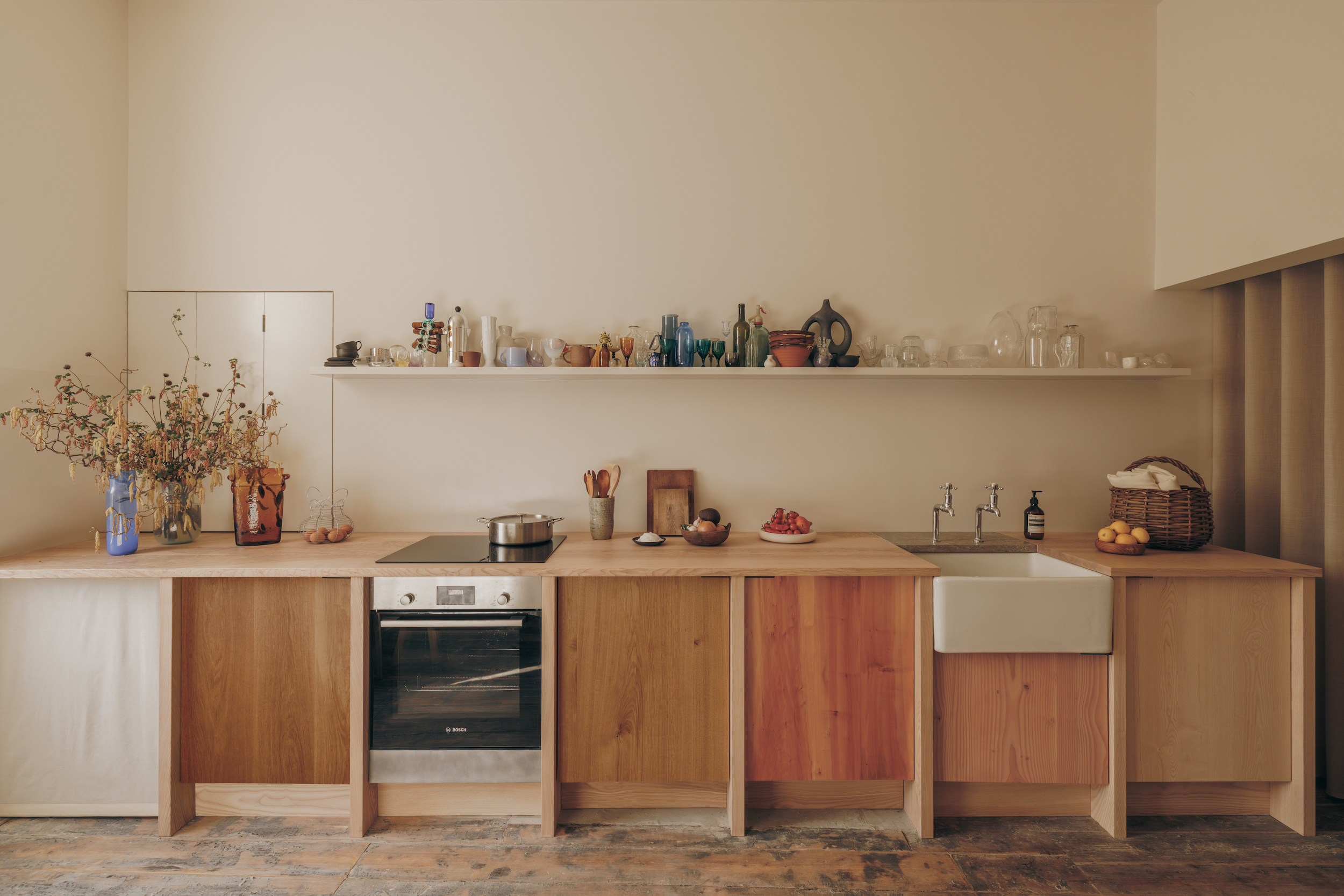
2 months ago9 Kitchens That Mix Wood Tones Without Clashing - Tasting Table
Mixing wood tones can be a bold and rewarding design choice, but the potential for unseemly clashing is real. With a room as important as your kitchen, you want the space to feel inviting, stylish, and functional all at once. Before diving head-first into mixed wood tones, research the different ways to avoid a potentially ugly contrast. Kitchen flooring, backsplashes, cabinets, countertops, and even light fixtures all have the potential to be transformed with a wooden facelift.
Remodel
fromYanko Design - Modern Industrial Design News
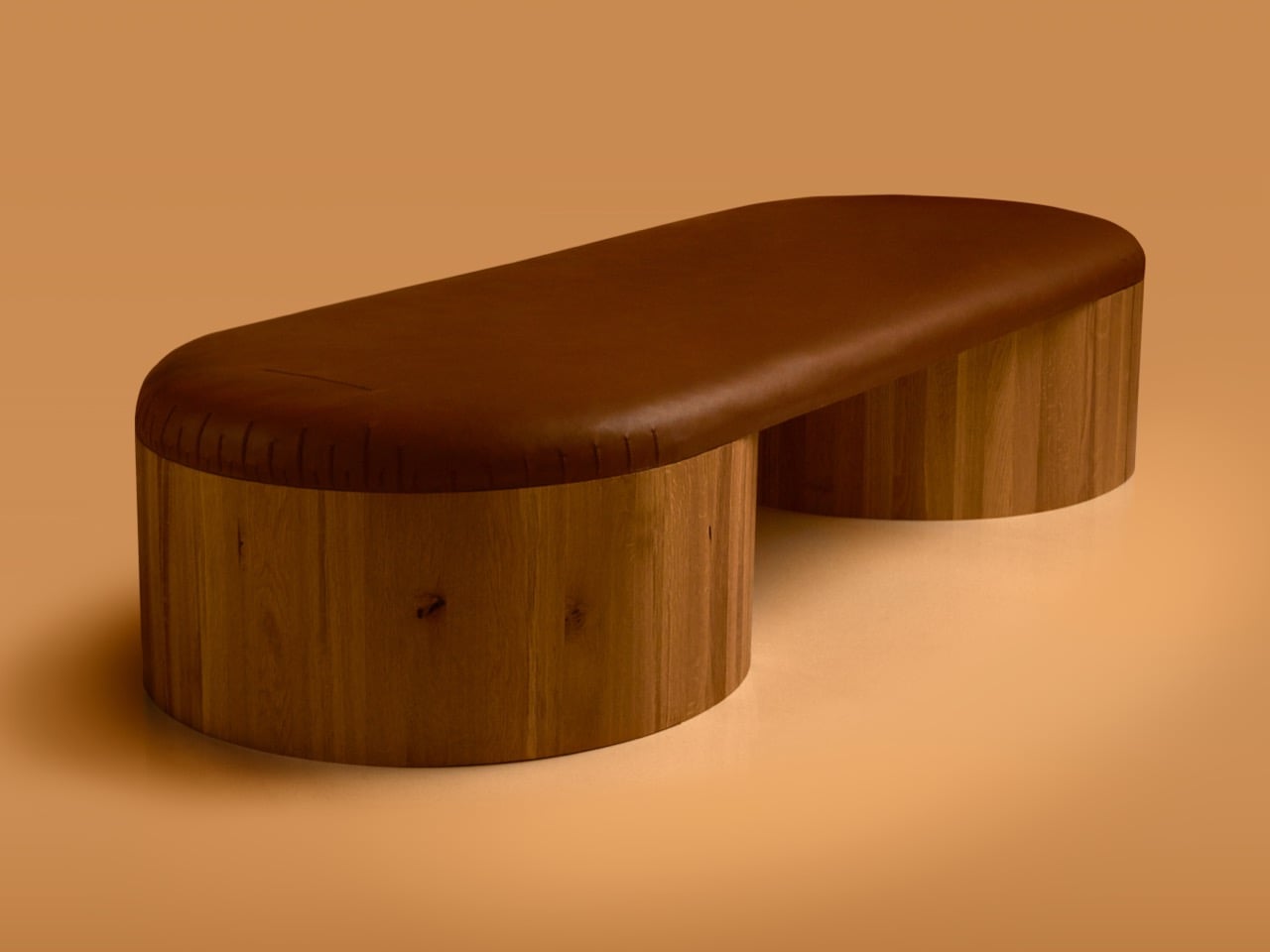
2 months agoThis Oak Sideboard Has Doors You Can't Stop Touching - Yanko Design
You know that feeling when you run your fingers across something and the texture makes you stop in your tracks? That's exactly the vibe British furniture maker Nick James is going for with his sideboard featuring sculpted doors. And honestly, it's the kind of piece that makes you rethink what furniture can be. At first glance, it looks like a solid oak sideboard. Clean lines, classic proportions, nothing too flashy.
Design
fromTasting Table
2 months agoThe Eco-Friendly Countertop Material That's Surprisingly Durable - Tasting Table
It's likely that you've encountered recycled glass countertops without realizing it. They're far from the hippie-style broken-glass mosaic art of yesteryear, instead presenting as sleek, highly polished, professional slabs with intriguing bits of confetti-style color trapped inside. That's the recovered glass bits set into a binding material such as resin, cement, or concrete, and then smoothly polished so that the composite surface feels like stone.
Remodel
Design
fromLondon Business News | Londonlovesbusiness.com
2 months agoThe ultimate guide to maintaining soft furnishings in your living room - London Business News | Londonlovesbusiness.com
Proper care of soft furnishings prolongs their appearance, comfort, and hygiene by following material-specific cleaning methods and professional services when needed.
fromBusiness Matters
2 months agoWhy Thermally Modified Timber Has Moved Into the Construction Mainstream
Thermal modification is not a new invention, but its relevance has increased as expectations around performance, sustainability, and predictability have tightened. Developers, architects, and contractors are no longer just asking whether timber looks good or performs well initially. They want to know how it behaves after ten, twenty, or thirty years, and how much risk it introduces into a project once the scaffolding is gone.
Remodel
fromBustle
2 months agoYou're Making Your Home Look Cheap If You Aren't Doing These Simple Things
When clutter piles up, closets burst at the seams, and cords snake all over your desk, your home can quickly look - and feel - messy. Or maybe it's your tired furniture or flooring that needs some TLC. The good news is that you don't have to spend a ton on a renovation to fix these problem; in fact, sometimes the solution is surprisingly easy and affordable. And that's where this list comes in, with simple upgrades that help you take control of the things that are making your home look cheap.
Renovation
fromArchDaily
2 months agoFrom Industry to the Living Room: Metal Furniture in Interior Architecture
How did a material conceived for bridges, factories, and large-scale structures make its way to the living room bench, the apartment bookshelf, the café table? For centuries, metal was associated with labor, machinery, and monumentality-from the exposed structures of 19th-century World's Fairs to the productive logic of modern industry. Its presence in domestic interiors is not self-evident but rather a cultural achievement: the transformation of an industrial material into an element of everyday, intimate use, in close proximity to the body.
Design
fromArchDaily
2 months agoLu Wenyu: Quiet Radicalism and the Practice of Repair
Lu Wenyu-co-founder of Amateur Architecture Studio with Pritzker laureate Wang Shu-has shaped many of the practice's most emblematic works across China, including the Ningbo History Museum and the Xiangshan Campus of the China Academy of Art in Hangzhou. Often working outside the spotlight, her leadership is unmistakable in the discipline of execution and the roles she has assumed: in 2003, together with Wang Shu, she established the Architecture Department at the China Academy of Art,
Design
[ Load more ]