#workforce_wellbeing
#workforce_wellbeing
[ follow ]


#productivity
Productivity
fromFast Company
23 hours agoMany productivity programs solve the wrong problem. This is what leaders should do instead
Organizations face work design problems rather than productivity issues, leading to temporary solutions that fail to address underlying conflicts in problem-solving approaches.
Psychology
fromSilicon Canals
2 days agoI'm 34 and I just realized I've been performing competence at work for seven years because somewhere along the way I confused being impressive with being safe, and the exhaustion I thought was burnout was actually the weight of never once letting anyone see me learn something for the first time. - Silicon Canals
Performing competence can lead to self-erasure and social rewards, masking genuine capability with a polished exterior.
Women in technology
fromFast Company
2 days agoAI isn't just reshaping productivity and threatening to kill jobs. It's changing how we lead, communicate, and treat each other. It's also creating a new gender gap
Generative AI is reshaping communication, trust, and cultural interactions beyond productivity and efficiency concerns.
fromwww.businessinsider.com
2 days agoI was laid off twice from the same company. The second time was a gut punch but taught me not to take cuts personally.
When the CEO held a virtual town hall in 2020 and said there needed to be layoffs, I knew I would be one of the first to go because I served zero purpose at that point.
Marketing



Mental health
fromSilicon Canals
1 day agoSome people don't fear failure. They fear succeeding and then being expected to sustain it, because the version of them that achieved it was running on adrenaline and desperation, and the person who shows up on Monday is someone quieter who doesn't know how to replicate what the emergency produced. - Silicon Canals
The fear of success stems from the pressure to replicate high performance, not from a desire to avoid good outcomes.


#burnout
Productivity
fromSilicon Canals
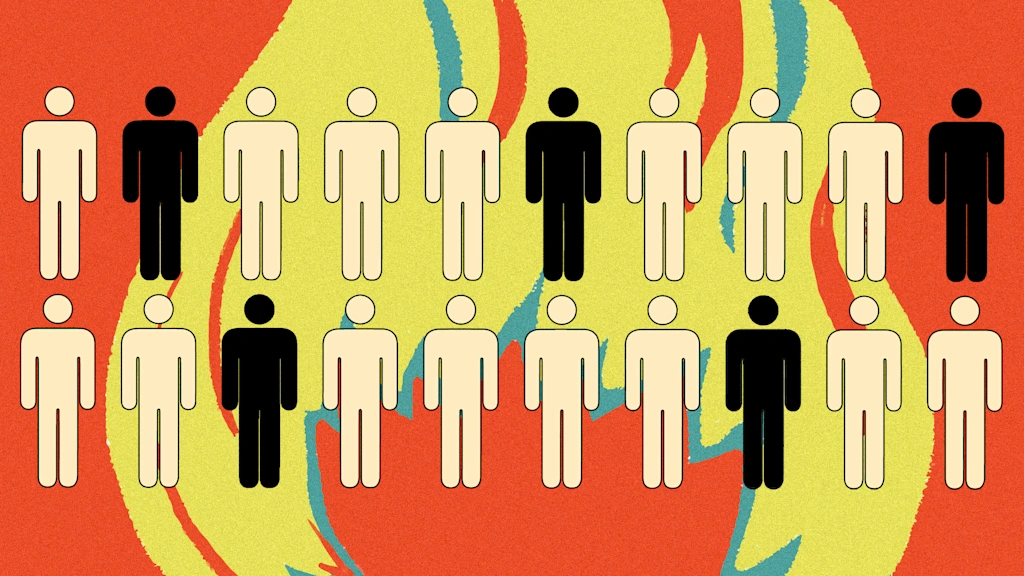
1 week agoMost companies don't have a burnout problem. They have a system that rewards people who can't stop performing and then acts surprised when those people collapse, because the collapse was always part of the business model. - Silicon Canals
The most dedicated employees may be the most frightened, driven by a culture that rewards overwork and leads to burnout.

Productivity
fromSilicon Canals
1 week agoMost companies don't have a burnout problem. They have a system that rewards people who can't stop performing and then acts surprised when those people collapse, because the collapse was always part of the business model. - Silicon Canals
The most dedicated employees may be the most frightened, driven by a culture that rewards overwork and leads to burnout.
Artificial intelligence
fromFortune
2 weeks agoI run the world's largest employee mental health company. Leaders are treating AI adoption as a tech problem. It's not | Fortune
AI-driven job insecurity causes significant employee anxiety, manifesting as disengagement or burnout, requiring leaders to address this as a people challenge through transparent communication and trust-building rather than treating it solely as a technology issue.
fromSlate Magazine
1 month agoMy Co-Worker Is Ignoring a Major Part of Her Health. We're All Worse Off Because of It.
My co-worker, "Alyssa," joined the office a few months ago. As far as I can tell, she is significantly hard of hearing but doesn't use any hearing aid. I've tried to train myself to speak loudly and clearly with her (I have family who are going deaf, I get it), but she still often misses part of what I say.
Miscellaneous

Business
fromEntrepreneur
1 month agoHow Employee Financial Wellness Unlocks Peak Productivity
Business leaders can address affordability and productivity simultaneously by implementing financial wellness programs that help employees achieve long-term financial stability and reduce financial stress-related productivity losses.
Mental health
fromFast Company
2 weeks agoHow companies can prioritize the mental health of their employees and take steps to address chronic burnout
Employers must prioritize mental health and foster supportive work environments to address employee burnout caused by external stressors and hustle culture.
Mental health
fromPsychology Today
2 weeks agoWhen Everything Falls Apart at Once
Multiple simultaneous losses create cumulative adversity that triggers loss spirals, where each loss amplifies vulnerability and impairs coping capacity, but recovery and resilience are achievable through proper support and understanding.
Careers
fromeLearning Industry
2 weeks ago10 Signs Of A Toxic Workplace (And How Employees Can Protect Themselves)
Toxic workplaces develop from unaddressed negative behaviors, poor leadership, and unhealthy practices, manifesting through poor communication, hostile behavior, and lack of transparency that damage employee well-being and productivity.
Mental health
fromSilicon Canals
4 weeks ago8 workplace behaviors that quietly signal soameone is burning out long before they say anything about it - Silicon Canals
Burnout manifests through subtle behavioral changes like reduced meeting participation and brief emails, often appearing months before someone explicitly acknowledges burnout.
fromFast Company
1 month agoWhat is 'wellness governance' (and why you should be practicing it)
Being a leader today requires a new level of performance. One that overrides fatigue, can suppress internal signals, and absorbs constant urgency, all while rapidly context-switching. Simply said, modern leadership demands have increased, and not everyone is-or wants to stay-on board. Today's leaders face growing expectations, dynamic responsibilities, and constant pressure to perform amid deep uncertainty and an ever-accelerating business ecosystem.
Wellness
fromPsychology Today
3 weeks agoDon't Quit Your Job-Audit It
Even if you dislike your job, purpose doesn't have to wait until evenings, weekends, or some distant "someday." Purpose can often be built within the work you're already doing. The key word here is built. Purpose Is Built, Not Found. We often talk about purpose as if it's something hidden out in the world waiting to be discovered, like buried treasure.
Careers
fromPsychology Today
2 months agoWhen Help Hurts: The Hidden Cost of Unhelpful Support at Work
We tend to think of support at work as always helpful. Advice. Guidance. A quick assist when things get tough. But research shows some kinds of support quietly do more harm than good. Certain forms of workplace support don't restore energy or build trust-they drain it. And over time, they can erode engagement and fuel burnout. Five kinds of unhelpful workplace social support: Imposing support shows up as unsolicited guidance. Advice you didn't ask for. Direction you weren't ready to receive.
fromScienceAlert
2 months ago5 Easy Tips to Have a Great Day at Work, From a Workplace Psychologist
Most people know what a difficult day at work feels like. It can be tiring, draining and tense, leaving you unable to switch off. But there are also days when work feels lighter and more energising. These good days are not necessarily defined by big wins or major achievements. In fact, they tend to come from harmonious experiences in the workplace that support our psychological needs.
Mental health
fromMacon Telegraph
2 months agoSolving for burnout: 7 strategies to enhance workers' mental health and productivity in 2026
Loneliness and burnout-deeply interwined in the workplace-are hitting American workers (and companies) hard. In 2025, global healthcare firm Cigna found that over half of all employees surveyed felt lonely. Around 57% admitted to feeling unmotivated and stagnant, while two-thirds of full-time workers say they experience burnout on the job, according to a 2025 Gallup study. The financial toll is jaw-dropping. Harvard Business Review reports that loneliness costs U.S. companies up to $154 billion annually through lost productivity, increased burnout, and employees resigning.
Mental health
fromAol
1 month ago65% of workers say 'microshifting' could help with stress and burnout. Here's how you and your employer could benefit from this work-scheduling hack
While some workers are being mandated to return to the office, a growing majority of workers now say they want to "microshift" their workday. Unlike hybrid or remote schedules, in which you work remotely some or all of the time, microshifting is about making small adjustments to your start times, breaks and hours rather than adhering to a rigid nine-to-five schedule.
Mental health
fromPsychology Today
2 months agoThe Silent Cost of Workplace Loneliness
It's a compact that most organizations claim to honor. Yet despite investments in collaboration tools, team-building retreats, and carefully designed office spaces, something fundamental isn't working. According to Gallup's 2024 State of the Global Workplace report, one in five employees worldwide report feeling lonely at work often -a rate that hasn't budged despite all the interventions.
Mental health
[ Load more ]