#world-car-free-day
#world-car-free-day
[ follow ]
#sustainability #new-york-city #urban-planning #public-awareness #public-health #transportation-policy
fromwww.theguardian.com
2 days agoWhy reducing air pollution deaths isn't just about reducing air pollution
Air pollution is the second-largest risk factor for early death globally. Traditionally, our response has focused on reducing the levels of pollution people breathe, but this is only part of the story.
Public health
fromFast Company
3 days agoSee it: Air temperatures and pollution around the world are captured in real time in these animated weather maps
We created Earth in Action to provide a lens into what's happening on our planet, as it happens. Whether it's something typical, like the current air temperature, or an extreme event like a major dust storm, we wanted to provide an opportunity for people to see them.
OMG science
Non-profit organizations
fromStreetsblog New York City
5 days ago'Game-Changer': Non-Profit Throws Financial Lifeline to Open Streets Program - Streetsblog New York City
The new funding model for open streets provides upfront financial support to volunteer organizations, improving efficiency and community engagement.
Design
fromdesignboom | architecture & design magazine
5 days agoartwork uses floating fabric corridor and bodily movement to visualize climate change
Ryo Yamada's Perception Corridor is an immersive installation in Edinburgh that explores perception and environmental awareness through a 40-meter fabric corridor.
Business intelligence
fromLondon Business News | Londonlovesbusiness.com
6 days agoWhy GIS matters in modern infrastructure and urban planning: Building smarter, future-ready cities - London Business News | Londonlovesbusiness.com
GIS is essential for effective urban planning, enabling data-driven decisions that enhance infrastructure and quality of life in rapidly growing cities.

fromwww.theguardian.com
3 days agoThe dark side of the balloon boom is it time they were banned?
In 2019, scientists found that balloons eaten by seabirds are more likely to kill them than other kinds of plastic yet they do not seem to have been earmarked in the same way as, for example, plastic straws.
Public health
fromFast Company
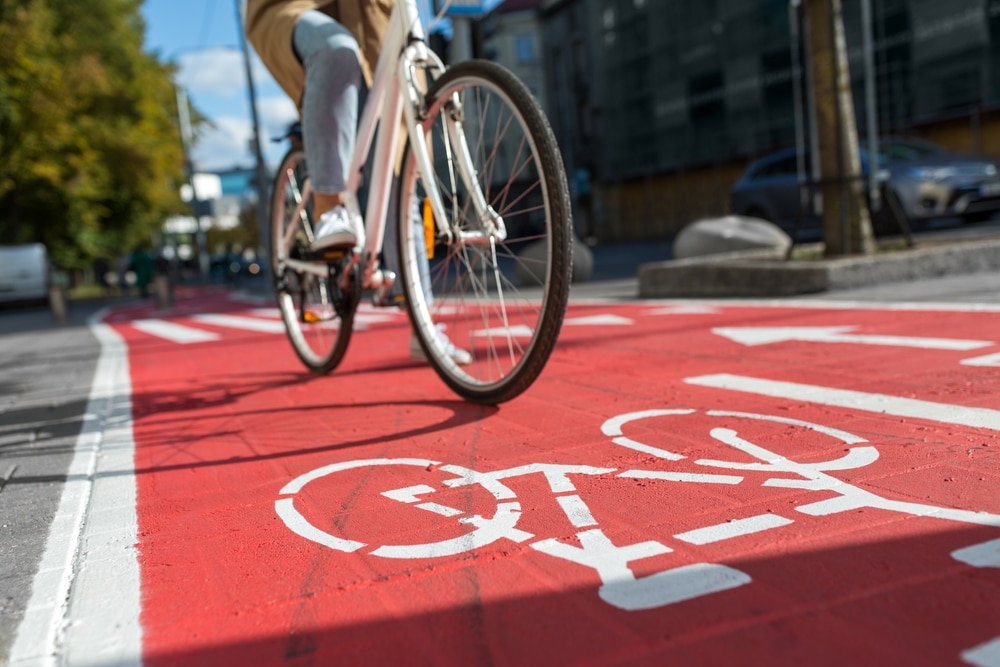
5 days agoHow Paris redesigned itself to be a city of bikes-not cars
"This project is symbolic of what we've done over the last 12 years, reshaping the streets and the city," Christophe Najovski, the city's deputy mayor in charge of green spaces, stated during the opening ceremony.
Paris food
fromNextgov.com
4 days agoCitizen Science Month 2026 is about more than just stargazing
Citizen Science Month is built around a goal of 2.5 million 'Acts of Science,' tying the annual event to America's 250th birthday through a simple but powerful idea: lots of small contributions can add up to something really meaningful.
OMG science
fromIndependent
1 day agoCarpool, slow down and do your laundry at night - families to be warned to cut energy use in government campaign amid Iran crisis
Officials from the Department of Energy are meeting daily as the Iran war drives up the price of fuel. A public awareness campaign is urging citizens to 'save energy, save your pocket.'
UK politics
fromStreetsblog New York City
6 days agoTo Save Lives - And The Theater - Let's Ban Cars From Broadway - Streetsblog New York City
In that small 30-block zone last year, there were 486 reported crashes, injuring 76 cyclists, 108 pedestrians (one fatally) and 67 motorists, according to city stats. That's more than a crash every day, injuring more than 250 people.
London politics
fromStreetsblog New York City
2 days agoFriday's Headlines: Margin For Terror Edition - Streetsblog New York City
The first three months of 2026 were among the three safest first-three-month periods since records started being kept at the dawn of the Automobile Age, with only 42 fatalities from car crashes in New York City.
Alternative transportation
NYC food
fromAol
3 weeks agoThe 5 Best Car-Free Day Trips From New York City, According To Research
New York offers numerous accessible day trips by train to nearby destinations in the Hudson Valley, Connecticut, New Jersey, and Nassau County, catering to diverse traveler preferences for relaxation, culture, dining, and outdoor activities.


fromwww.bbc.com
1 week agoCampaigners celebrate after new town plans dropped
Campaigner Aysha Hawcutt stated that residents were 'not anti-homes', but believed the Adlington plan was 'the wrong proposal in the wrong place'. She expressed pride in the community's resilience against the development threats.
London politics
Agriculture
fromEarth911
2 weeks agoConvenience Comes at the Environment's Expense
Fast delivery convenience carries significant environmental costs through packaging waste, carbon emissions, and resource consumption, but individual yard management choices can meaningfully reduce environmental impact at a local scale.
fromState of the Planet
5 days agoFrom Classrooms to Climate Impact: Two Careers Flourish in Singapore
"Singapore is in a very unique position because they face a lot of land constraints, so there are few ways for them to generate their own renewable energy. Singapore is pushing for integrated energy systems throughout ASEAN, so that renewable energy produced in other countries can be brought back to Singapore. There's a very distinct, coordinated effort for countries to come together to work on climate change and energy security in a way that I haven't really seen."
Environment
#urban-planning

Brooklyn
fromNew York Post
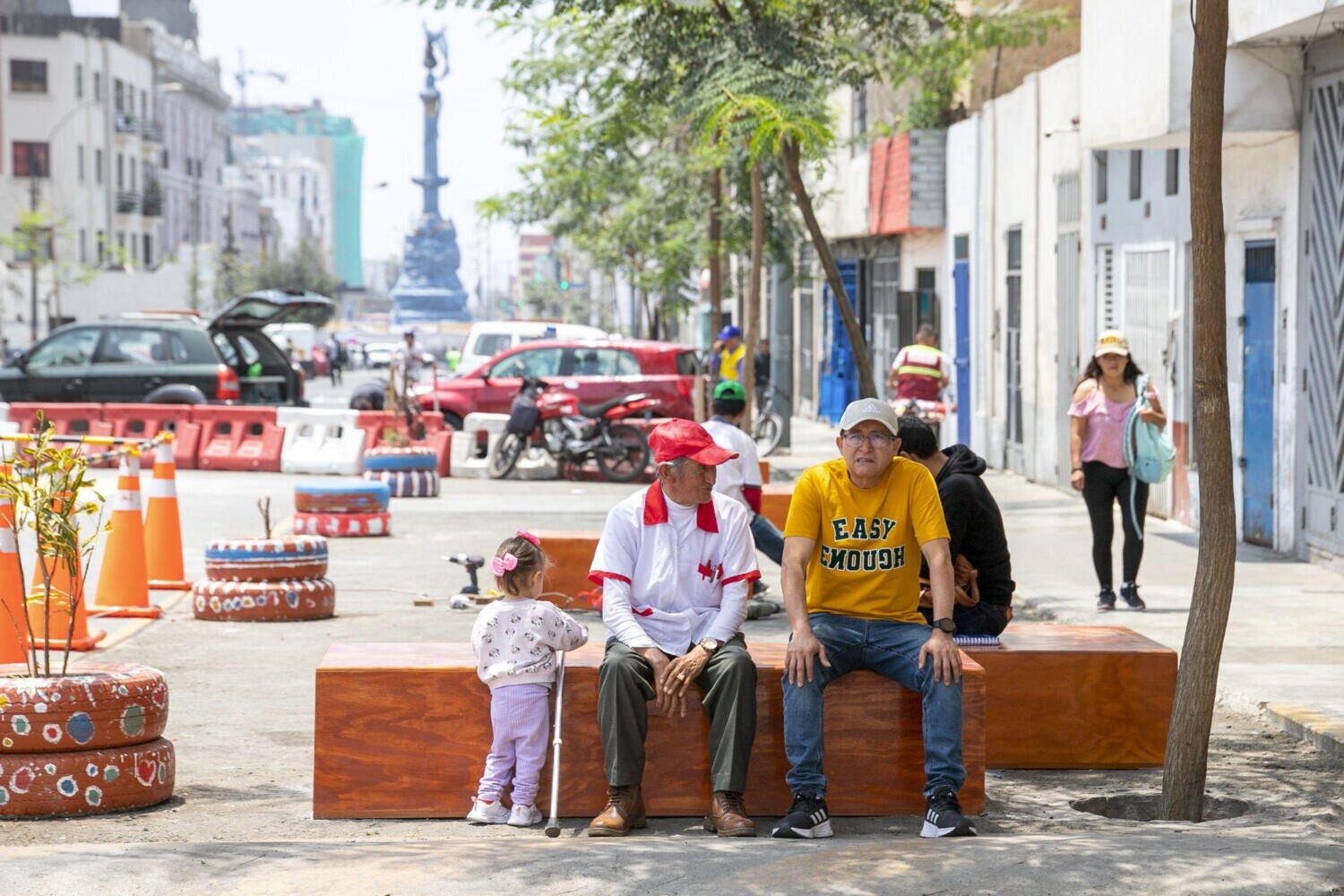
3 weeks agoExclusive | Car-hating NYC pol wants 5 million square feet of new 'pedestrian space' - critics fear 'more gridlock'
A Brooklyn councilman proposes creating 1 million square feet of annual pedestrian space over five years, requiring the city to prioritize car-free zones near transit hubs without estimating parking and lane losses.
Alternative transportation
fromLondon Business News | Londonlovesbusiness.com
5 days agoE-bikes and mental health: Why outdoor riding reduces anxiety fast - London Business News | Londonlovesbusiness.com
Riding e-bikes enhances mental health by providing exercise, fresh air, and a stress-free commuting alternative.
Alternative transportation
fromSustainable Bus
6 days agoZero-emission buses move beyond cities: intercity transition in Sustainable Bus' session at BUS2BUS - Sustainable Bus
Electrification of intercity and coach segments in Europe is advancing, requiring new infrastructure and operational strategies for zero-emission mobility.
fromStreetsblog
1 week agoWhy This State Is Fighting To Get Its First 'Active Transportation Plan' - Streetsblog USA
Missouri is the most populous state without a statewide active transportation plan, despite nearly one-third of its residents lacking a driver's license and alarming fatality rates among vulnerable road users.
Alternative transportation
NYC politics
fromStreetsblog
2 weeks agoThursday's Headlines: Backed into a Corner Edition - Streetsblog New York City
Governor Hochul promotes auto insurance deregulation backed by Uber and major insurers spending millions on lobbying, while facing increased scrutiny from press corps over corporate influence.
Alternative transportation
fromSustainable Bus
2 weeks agoWhat we have seen at Mobility Move 2026? - Sustainable Bus
Mobility Move Berlin is a professional gathering for the German public transport industry to discuss challenges and innovations, not a product launch venue, featuring conference sessions and exhibitions with growing international participation.
Alternative transportation
fromStreetsblog
2 weeks agoWhy Some Congresspeople Want to Go Big on Greenways - Streetsblog USA
The Parks to People Act proposes $300 million in federal funding for walking and biking infrastructure as essential transportation tools, despite political opposition dismissing them as distractions.
Alternative transportation
fromNature
2 weeks agoAffordable mobility for all: why we need smaller, cheaper electric vehicles
Low-speed electric vehicles offer affordable, practical decarbonization for underserved populations but remain overlooked due to bias toward expensive, high-tech solutions and nationalist trade policies.
NYC politics
fromStreetsblog
3 weeks agoWednesday's Headlines: One House Many Smiles Edition - Streetsblog New York City
Albany legislators rejected Governor Hochul's proposal to reduce car insurance payments by cutting victim compensation, signaling resistance to policies prioritizing driving affordability over crash victim protection.
fromStreetsblog
2 months agoImproving Road Safety Is A Win For The Climate, Too - Streetsblog USA
Hundreds of preventable fatalities and more than 13 million metric tons of climate pollution would be avoided by 2045 if Congress passed legislation that answered advocates' long- time demand to require state DOTs to set declining annual fatality targets - and reallocate highway money to safety projects if they don't meet those goals, according to a new analysis from Evergreen Action.
US politics
fromwww.dw.com
2 months agoThe city that swapped parking for green space
Though they're individually tiny, parking spots quietly play a dominant role in shaping urban landscapes. Most US cities dedicate at least 25% of their developable land to them. Some, even more. That land usage doesn't only determine the way a city looks. It also means covering large swathes of urban areas in heat-absorbing asphalt, which contributes to making summers hotter and heightens the risk of flooding since it prevents drainage during storms and heavy rainfall.
Miscellaneous
fromFast Company
2 months agoWhat is Complete Streets design and why should we all be using it?
In the 1950s, the Air Force designed cockpits for the average pilot by measuring thousands of pilots and calculating the average for ten key physical dimensions-height, arm length, torso size, etc. They assumed most pilots would be close to average in most dimensions. When researchers actually checked, they found that out of 4,063 pilots, exactly zero were average on all ten dimensions.
Cars
fromwww.theguardian.com
1 month agoAnalysis finds urban areas in England where no one lives within 15-minute walk of nature
While the data shows 80% of people live within walking distance of green or blue spaces such as a river, park or woodland, it also reveals a disparity between rural and poorer urban areas. In some areas of local authorities, fewer than 20% of residents live close to these spaces, according to data released by the Department for Environment, Food and Rural Affairs on Wednesday.
Environment
fromStreetsblog
2 months agoWhat the 'Abundance' Agenda Could Mean For Equitable Transportation - Streetsblog USA
The new "abundance" agenda can deliver a wealth of equitable transportation options - but only if its proponents recognize how our glut of highways has contributed to the "scarcity" they say they hope to tackle, advocates are saying.Inspired by the Ezra Klein and Derek Thompson's book of the same name, "abundance" became a political buzzword across America in 2025, inspiring a universe of think-pieces and justification for a raft of deregulatory policy proposals.
US politics
fromArchDaily
2 months agoOn the International Day for Clean Energy: How Local Initiatives Respond to the Spatial Impacts of Energy Production
January 26 marks the International Day for Clean Energy, an initiative aimed at raising awareness and mobilizing action for an inclusive transition from fossil fuels, such as coal, oil, and natural gas, to power generation systems with lower greenhouse gas emissions and fewer pollutants. The term "clean" signals a fundamental shift away from extractive, finite, and exhaustible energy sources toward systems based on renewable resources or on capturing energy embedded in natural processes.
Environment
fromStreetsblog
3 months agoOpinion: Why Urbanists Should Support Plant-Forward Policies - Streetsblog USA
It shows up three times a day, on your plate. The U.S. spends over $30 billion annually on agricultural subsidies. Most support corn and soy, crops that become livestock feed, not food for people. U.S. meat is artificially cheap, which has locked us into a high-emissions food system. It's the highway funding of food: a policy choice that induces demand and reinforces path dependency.
Environment
fromArchDaily
1 month agoHealth, Habitat, and Civic Infrastructure: Designing the City as a National Park
Cities around the world share a common goal: to become healthier and greener, supported by civic infrastructure that restores ecosystems and strengthens public life. The question is how to reach this. Global climate targets, local building codes, and municipal standards increasingly guide designers and planners toward better choices. Still, many cities struggle to translate these frameworks into everyday, street-level comfort and long-term ecological protection.
Environment
[ Load more ]