#world-war-2
#world-war-2
[ follow ]
#greenland #world-war-ii #world-war-i #us-japan-relations #cryolite #us-military #china #pacific-islands #airstrips
Miscellaneous
fromAdvocate.com
4 weeks agoThe incredible story of a gay interracial love affair in the midst of WWII
During WWII, two men in a same-sex relationship were separated by Italian authorities who deemed their relationship immoral and sexually deviant, forcing one to relocate to another municipality.
UK politics
fromwww.independent.co.uk
1 month agoHow Winston Churchill would have dealt with Iran War after Trump's Starmer comments
Churchill's approach to international conflict combined hawkish rhetoric with strategic caution and prioritized Anglo-American unity, contrasting with simplistic interpretations of his willingness for confrontation.
from24/7 Wall St.
1 month agoThe Most Feared Tanks of the Second World War
Tanks became a central part of how armies fought, and certain designs quickly gained reputations among soldiers who faced them in combat. Some were feared for their firepower, others for their armor or battlefield dominance.
History
from24/7 Wall St.
1 month agoThe Most Powerful Battleships, Aircraft Carriers, and Submarines of World War II
WWII began with most naval powers still believing the battleship ruled the seas. Fleets were built around heavily armored ships with massive guns meant to destroy enemy navies in decisive surface battles. By the war's end, that thinking had changed dramatically. Aircraft carriers could strike targets hundreds of miles away, while submarines choked off supply lines across entire oceans.
History
World politics
fromLondon Business News | Londonlovesbusiness.com
1 month agoFormer NATO commander fears the world is living through the outbreak of WWIII - London Business News | Londonlovesbusiness.com
Former NATO deputy commander warns current geopolitics represents the most perilous moment in his lifetime, with escalating Middle East tensions risking uncontrolled conflict involving nuclear-armed powers.
fromwww.dw.com
1 month ago'Threat to world peace': How Germans see the US now
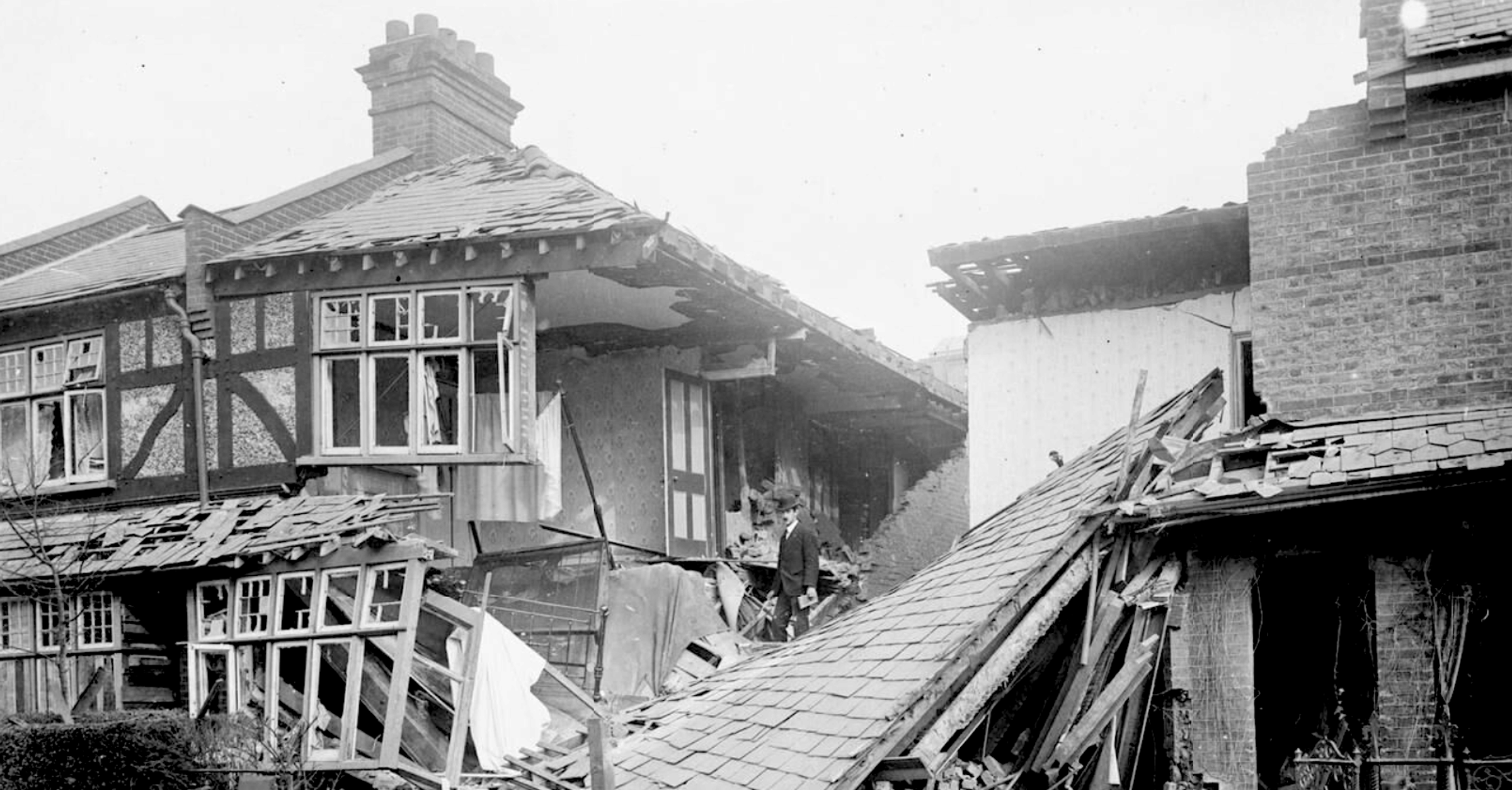
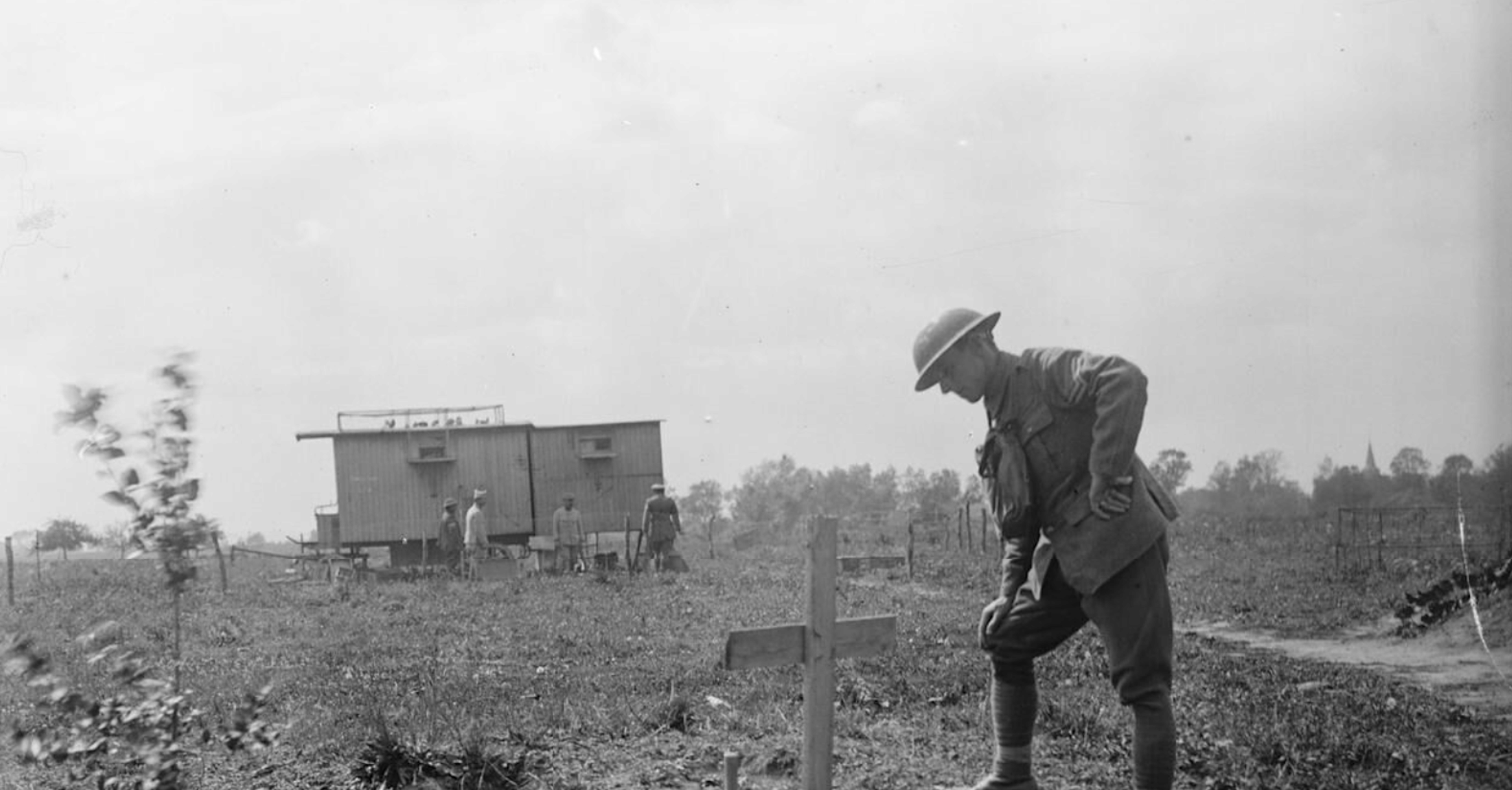
After the tensions of the George W. Bush era, the new US president's approval ratings among Germans skyrocketed. According to a Pew Research Center survey, 93% of Germans believed Obama would "do the right thing regarding world affairs." That remains a record to this day. Even in 2016, at the end of his second term, an extraordinary 86% of Germans still trusted Obama.
US politics

fromWorld History Encyclopedia
1 month agoGerman Spring Offensive: Ludendorff's Last Chance to Win WWI
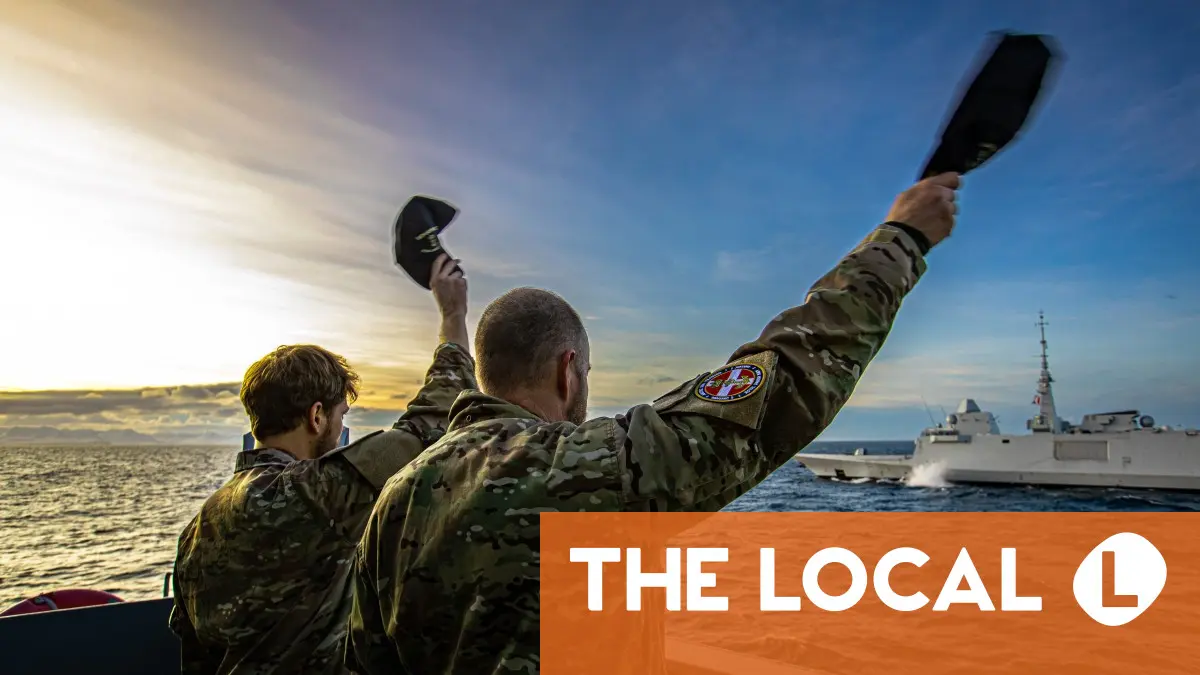
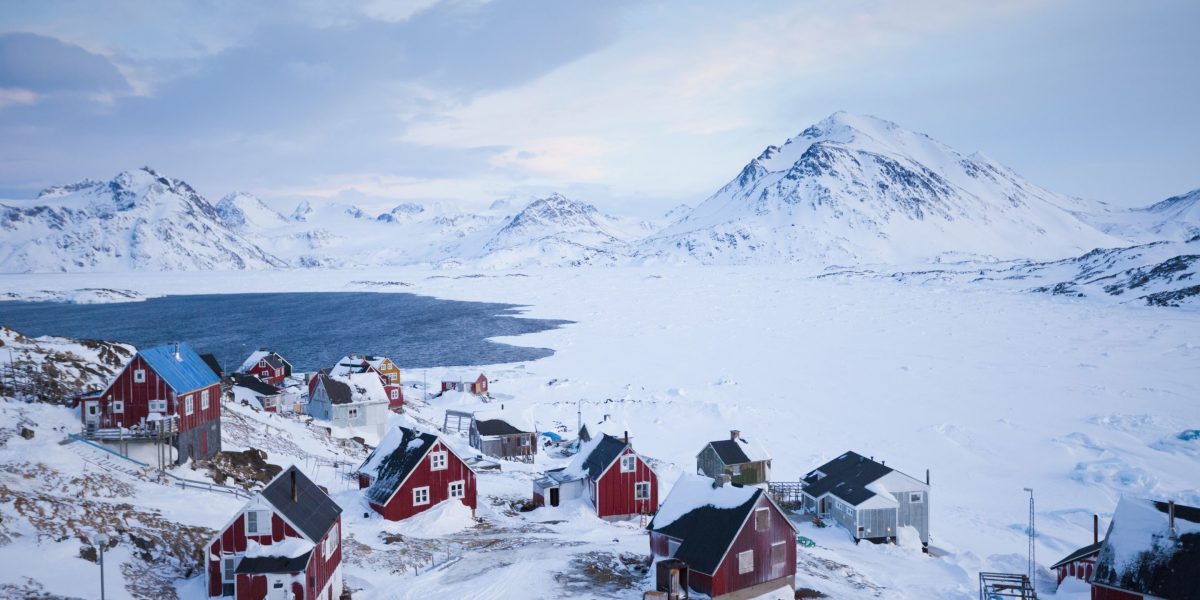
The German Spring Offensive, also called the Ludendorff Offensive after its commander, was the last major German advance of the First World War (1914-18). From March to July 1918, Ludendorff launched five major attacks on the Western Front to break the deadlock of trench warfare. The Allied resistance, use of tanks, and massive reserves, along with German logistical failures, meant that the offensives, despite each starting well, eventually petered out.
History
[ Load more ]