#xcover7-pro
#xcover7-pro
[ follow ]
#smartphone #smartphones #samsung #technology #oppo #samsung-galaxy-s26-ultra #camera-technology #camera

#privacy-display-technology
Gadgets
fromWIRED
3 weeks agoThe Samsung Galaxy S26 Ultra Makes Me Wish All Phones Had a Privacy Screen
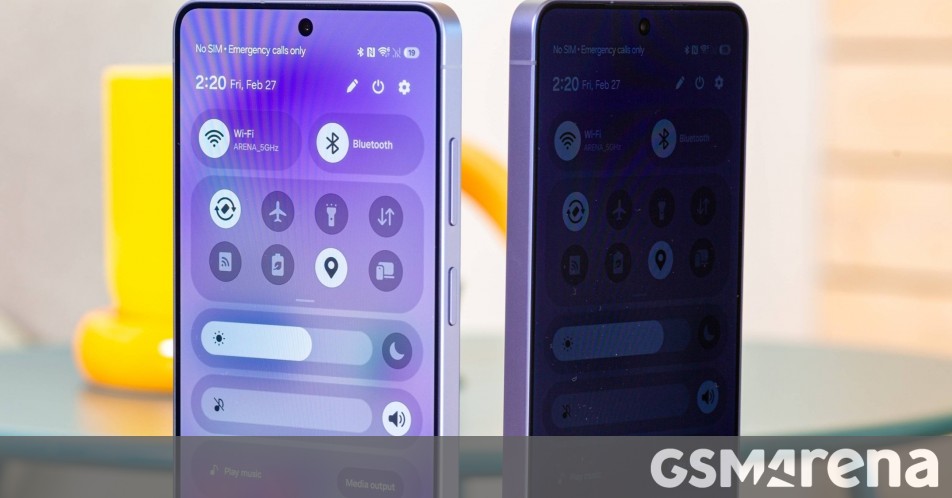
Samsung's Galaxy S26 Ultra features a built-in Privacy Display that prevents nearby viewers from seeing screen content without reducing brightness or image quality.

Mobile UX
fromwww.theguardian.com
2 weeks agoSamsung Galaxy S26 Ultra review: its huge screen blocks shoulder surfers from spying on you
Samsung's Galaxy S26 Ultra features a first-of-its-kind privacy display that restricts viewing angles to prevent shoulder surfing, alongside AI integration, four cameras, and a stylus.
Mobile UX
fromwww.theguardian.com
2 weeks agoSamsung Galaxy S26 Ultra review: its huge screen blocks shoulder surfers from spying on you
Samsung's Galaxy S26 Ultra features a first-of-its-kind privacy display that restricts viewing angles to prevent shoulder surfing, alongside AI integration, four cameras, and a stylus.
fromGSMArena.com
3 weeks agoHonor Magic V6's hinge was put to another test as a company manager used it to do pull-ups
Like before, the person's weight was hanging from the phone's hinge while the sides of the phone were attached to the ceiling (and previously, to the zip line). This is not the weakest orientation for the hinge, but it's still way above the strain that the hinge will face in daily use.
Wearables
#samsung-galaxy-s26-ultra

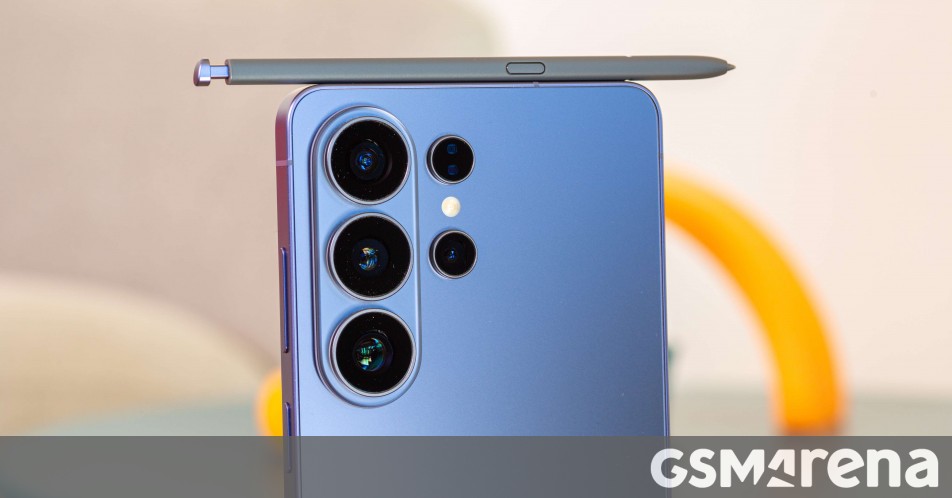
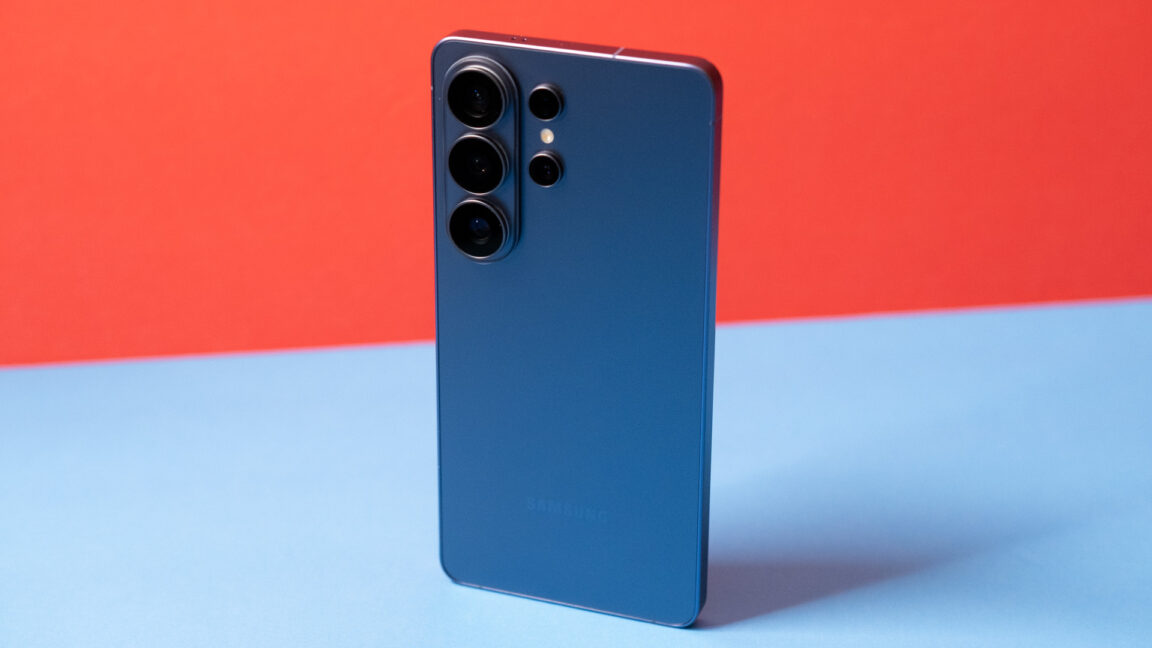

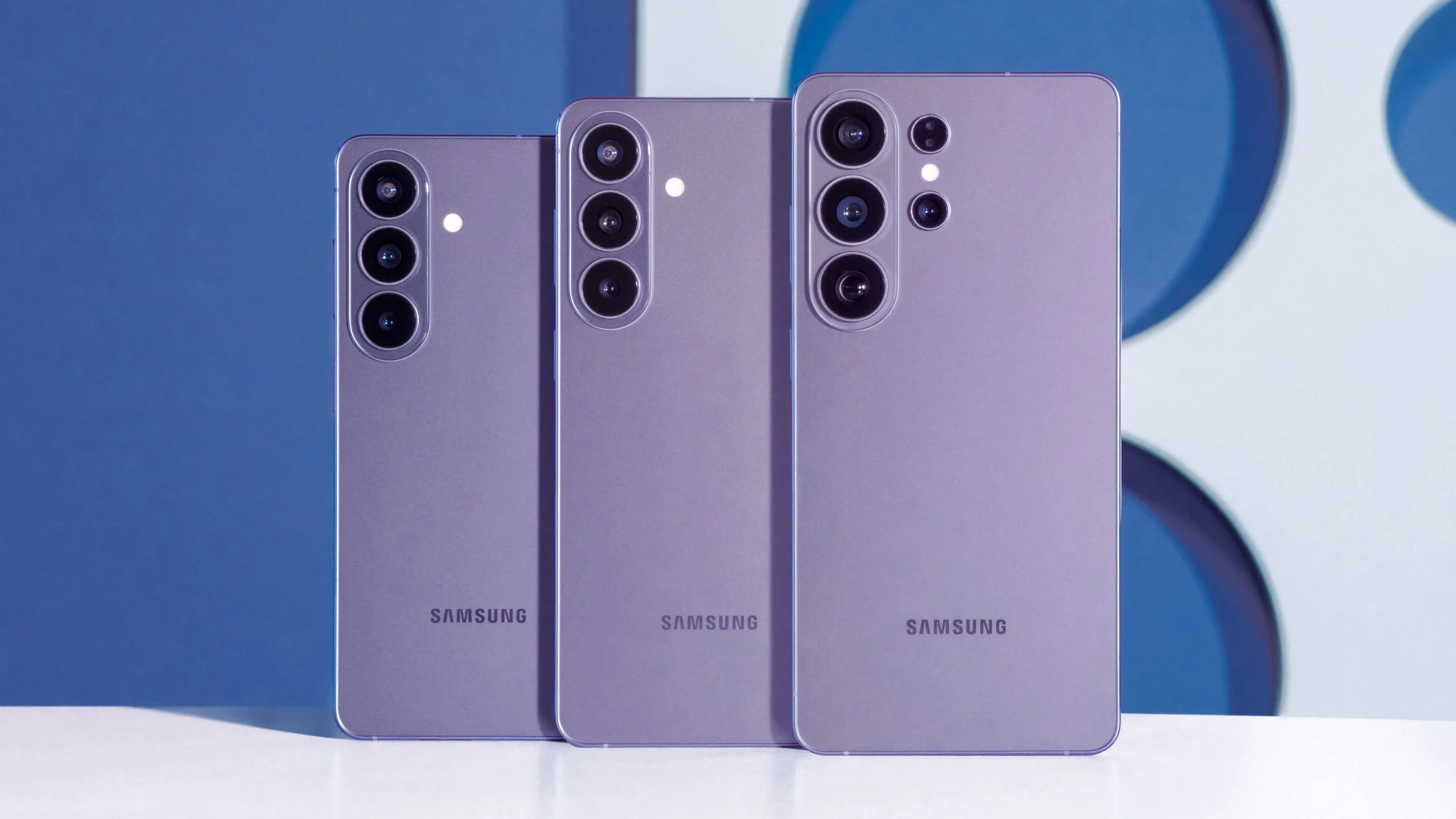
Mobile UX
fromZDNET
2 weeks agoSamsung Galaxy S26 Ultra review: Frustratingly the best Android phone I've tested
Samsung Galaxy S26 Ultra follows its established flagship formula with incremental improvements in display, processor, design, and cameras, delivering a well-rounded premium phone despite not being a revolutionary upgrade.
Wearables
fromGSMArena.com
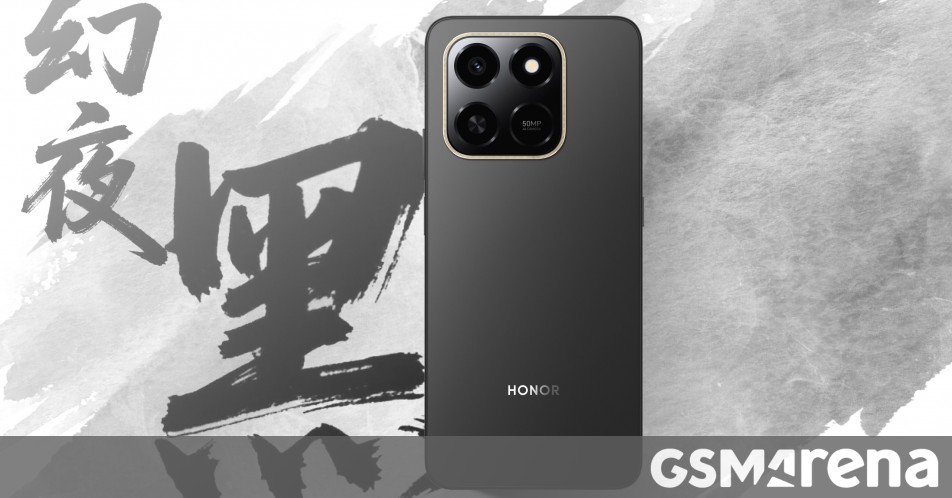
1 month agoHonor Magic V6 arrives with IP69 rating, SD 8 Elite Gen 5 and 6,660mAh Si-C battery
Honor Magic V6 is the first foldable with IP68/IP69 protection, featuring a durable Super Steel Hinge rated for 500,000 folds, Snapdragon 8 Elite Gen 5, and advanced display technology with reduced crease visibility.
Gadgets
fromYanko Design - Modern Industrial Design News
1 month agoThis Rugged Phone Ships With 2 Batteries You Can Hot-Swap - Yanko Design
The RugOne Xever 7 solves dead battery anxiety by featuring two swappable 5,550 mAh batteries that can be replaced in under 180 seconds without restarting the phone.
#rugged-smartphone
Gadgets
fromYanko Design - Modern Industrial Design News
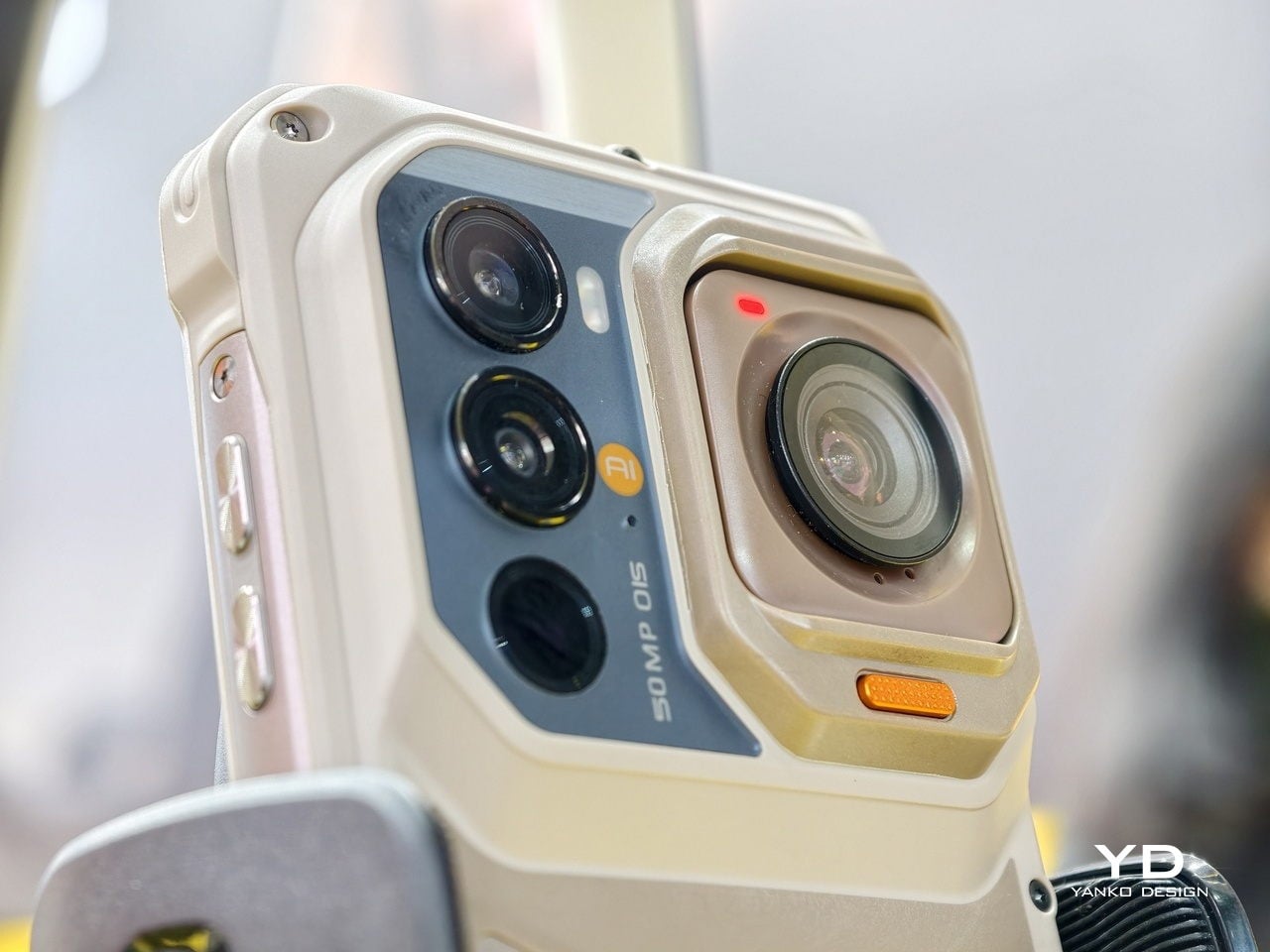
4 weeks agoThis Tiny Rugged Phone Has a 152 Action Camera and GoPro Mounts - Yanko Design
The FOSSiBOT F116 Pro is a compact rugged phone with a 1/4-inch screw socket enabling compatibility with action camera mounts and accessories for versatile mounting options.
Gadgets
fromYanko Design - Modern Industrial Design News
4 weeks agoThis Tiny Rugged Phone Has a 152 Action Camera and GoPro Mounts - Yanko Design
The FOSSiBOT F116 Pro is a compact rugged phone with a 1/4-inch screw socket enabling compatibility with action camera mounts and accessories for versatile mounting options.
Mobile UX
fromYanko Design - Modern Industrial Design News
1 week agoSamsung's Galaxy A Phones Now Get IP68 and 6-Year Updates From $449 - Yanko Design
Samsung's Galaxy A57 5G and A37 5G address long-term ownership issues in mid-range smartphones, offering improved performance, durability, and storage options.
fromGSMArena.com
2 weeks agoNothing Phone (4a) Pro in for review
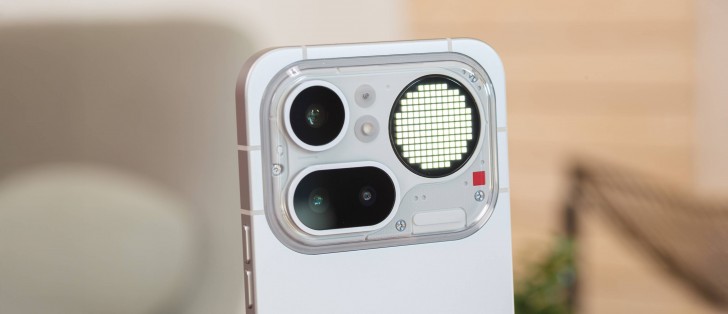
The flashiest comparison revolves around the Glyph interface - it's a simple Glyph bar on the non-Pro and a full-on circular dot matrix display on the Pro. Getting technical for a bit, the Pro has 137 LEDs, while the regular has just 63. As you can imagine, you can do all sorts of clever stuff with the Glyph Matrix on the Nothing Phone (4a) Pro - animating your timer, different callers, you can even use it as a selfie display for the main camera.
Mobile UX
Mobile UX
fromGSMArena.com
2 weeks agoPoco X8 Pro Max, Oppo Find N6 unboxed, Galaxy A57 listed, Week 11 in review
Multiple smartphone manufacturers are releasing new devices with advanced features including high-capacity batteries, powerful processors, and high-refresh-rate displays in the coming months.
Mobile UX
fromYanko Design - Modern Industrial Design News
3 weeks agoDOOGEE Fire 7 Ultra rugged smartphone doubles as a push-to-talk radio for instant team communication - Yanko Design
DOOGEE Fire 7 Ultra combines smartphone functionality with Push-to-Talk Over Cellular technology, enabling instant team communication via cellular, Wi-Fi, or Bluetooth without traditional radio range limitations.
fromGSMArena.com
2 months agoThe Samsung Galaxy S27 Ultra will come with a custom Snapdragon chip
While the Galaxy S26 lineup that's about to launch next month is rumored to be feature Exynos and Qualcomm chips earlier reports suggested Samsung might be ready to move to its own silicon for the following generation. Now however prominent Weibo tipster Digital Chat Station claims the Galaxy S27 Ultra will maintain the current tradition of running only a Snapdragon chipset.
Gadgets
fromGSMArena.com
3 weeks agoSamsung Galaxy S26 Ultra takes some damage but still survives drop test
Apart from the different frame material, the S26 Ultra features more rounded corners, and its camera island is more exposed than last year's model. The new phone reuses the same Corning Gorilla Armor 2 protection across its displays and Gorilla Glass Victus 2 on its back, just like last year's model.
Mobile UX
Mobile UX
fromZDNET
3 weeks agoGetting your Android phone repaired? Turn on this setting first - and lock down your data
Android Repair Mode is a special diagnostic mode available on Pixel and Samsung phones running Android 14 or later that helps troubleshoot hardware issues without full system access.
fromGSMArena.com
1 month agoThe OrigArmor anti-reflective screen protector for the Samsung Galaxy S26 Ultra is now available
The OrigArmor Screen Protector has a 7-layer anti-reflective coating that keeps reflectivity under 0.8%. This is five times better than a regular screen protector, which has a reflectivity of over 4.5%. Additionally, the glass has a light transmittance of over 95% (compared to 91% for regular protectors).
Mobile UX
[ Load more ]