#youth-sleep-disruption
#youth-sleep-disruption
[ follow ]
#mental-health #sleep #social-media #sleep-quality #sleep-hygiene #sleep-deprivation #circadian-rhythm
Psychology
fromSilicon Canals
10 hours agoPsychology suggests people who adopt their parents' bad traits as they get older aren't becoming their parents - they're reverting to the most deeply installed operating system they have, the one that was running before they were old enough to choose a different one, and stress, age, and the slow erosion of self-monitoring are simply the conditions under which it boots back up - Silicon Canals
Behavioral patterns from childhood can resurface under stress, revealing deep-rooted psychological templates formed from early experiences.
Digital life
fromSilicon Canals
1 day agoPeople who check their phone within five minutes of waking up are training their brain to start every day in reaction mode - and it's costing them more than they realize - Silicon Canals
Starting the day with phone use can negatively impact mental state and set a stressful tone for the day.
London politics
fromwww.theguardian.com
1 day agoYoung people want to come together': experts respond to mass teen meet-ups in Clapham
Teenagers organized chaotic gatherings in London via social media, leading to disorder and arrests, prompting political outrage and calls for action against youth behavior.
Mental health
fromSilicon Canals
1 day agoPeople who are quietly unhappy with life don't always look unhappy - they look tired, they look busy, they look like they're managing, and the managing is the performance and the performance is the problem and the problem is invisible to everyone who mistakes a well-maintained surface for evidence of what's underneath it - Silicon Canals
Quiet unhappiness manifests as chronic exhaustion and the performance of being okay, often disguised by busyness and emotional labor.


Psychology
fromSilicon Canals
21 hours agoPsychology says adults who struggle with procrastination aren't avoiding the task - they're avoiding the version of themselves who might fail at it - Silicon Canals
Procrastination often stems from a fear of failure rather than laziness or poor time management.



Relationships
fromwww.independent.co.uk
4 weeks agoAggressive teenagers may age faster and have a higher risk of health issues
Aggressive behavior in early adolescence predicts faster biological aging and higher BMI by age 30, according to a University of Virginia study of 121 middle school students followed into adulthood.

fromPsychology Today
1 month agoWhy Time Increasingly Matters in Adolescence
Time is life-time, and increasingly young adolescents want to determine how their lives are personally spent. The outcome for parents is that they can feel rushed by youthful demands, while it can take more time for them to get what they requested.
Parenting
Mental health
fromScary Mommy
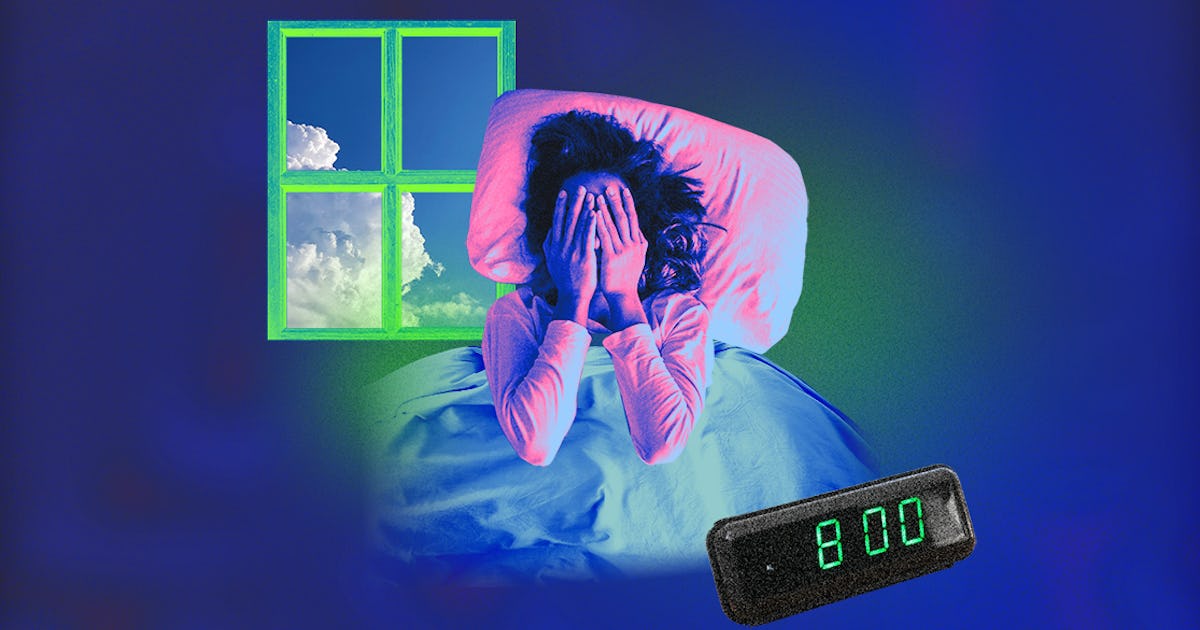
3 weeks agoHere's Why Your Brain Hits "GO" On Every Anxious Thought Right When You Want To Sleep
Nighttime anxiety spikes are normal and caused by factors like blood sugar dysregulation, reduced distractions, and the brain's protective mechanisms becoming hyperactive in darkness and quiet.
fromBusiness Insider
1 month agoI used to be proud of only sleeping 3 hours because I worked so much. Now I realize health is freedom, not wealth.
I used to brag about how little sleep I got. It felt like a superpower: I could sleep just three or four hours a night, and still operate at a very high level. That helped me get ahead early on. As a teen, I bused tables and sold firewood. By the time I was 19, I bought a house (which was possible because it was the subprime mortgage days). Having a mortgage gave me real responsibility at a young age.
Real estate
Gadgets
fromEngadget
2 months agoThis tabletop sleep device and sunrise alarm clock aims to help you put your phone away before bed
Dreamie is a standalone bedside device providing customizable phone-free sleep and wake routines with soundscapes, sensors, on-device controls, dynamic lighting and no subscription.
fromPsychology Today
2 months agoTeen Sleep Is Affected Not Just by Parenting, but by Policy
The American Academy of Sleep Medicine recommends eight to ten hours of nightly sleep for teenagers. Most get less than seven. There's robust evidence linking nighttime media use to poor sleep. For many teens, nighttime scrolling fills the hours meant for rest. Our work and others' show that more than 70 percent of adolescents say they check their phones after going to bed, and many wake up in the night to respond to notifications.
Public health
fromwww.npr.org
2 months ago4 ways to beat the anxiety of insomnia and get back to sleep
"I started getting into the frame of mind most people get sucked into. I worried, 'What's going on? Is there something wrong with me?'" he says. That fear of not being able to sleep is a phenomenon called "sleep anxiety," says Orma, who went on to become a specialist in insomnia treatment. Left untreated, that anxiety can prevent people from actually falling asleep. "The more you focus on it, the less chance you'll sleep, which then makes you more anxious. That's the cycle that spins," he says.
US news
fromPsychology Today
1 month agoWhen Sleep Banking May Be A Viable Strategy
Sleep banking is essentially extending your normal sleep hours in the nights leading up to a known period of sleep deprivation. On the face of it, it appears unlikely banking sleep could counter the decreased alertness and other cognitive decrements that we experience when deprived of sleep, or stop that strong sensation we get when our body wants sleep.
Health

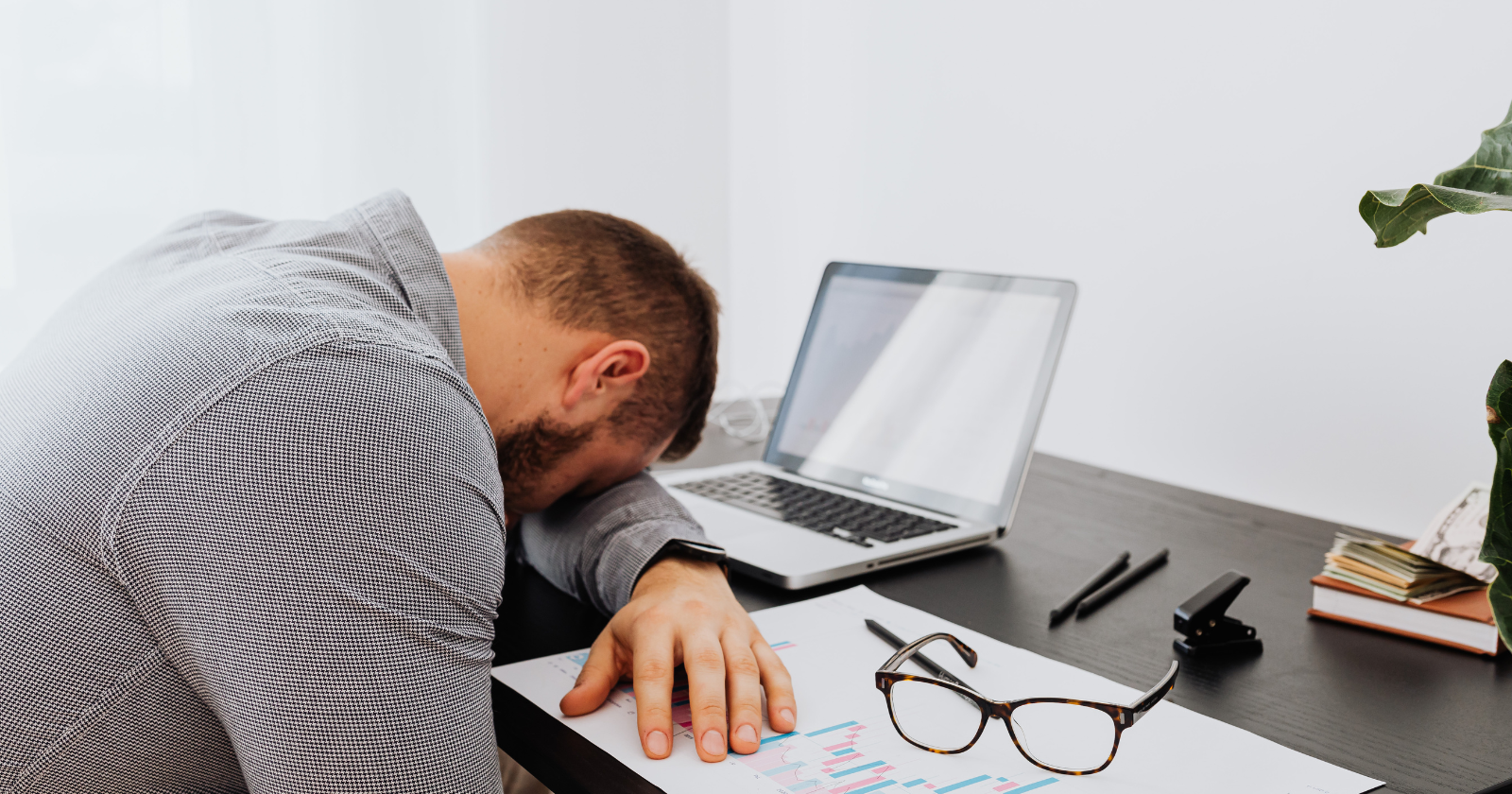
fromwww.wired.com
1 year agoI Tested 20 Over-the-Counter Sleep Aids to Find a Way to Beat My Insomnia
I tested AGZ's chocolate and mint flavors, which come with a frother, and you can blend the powder with water or milk, either warm or cold (although I think it tastes the best with milk, like a frothy hot cocoa). The drink doesn't taste overly sweet and has a nice, rich chocolate taste. The mix is melatonin-free, instead with adaptogens, herbs, and minerals, including magnesium, vitamin B6, L-theanine, ashwagandha, and calming herbs.
Alternative medicine


Parenting
fromSilicon Canals
1 month agoThe nightly habit that could improve your child's behavior and emotional control - Silicon Canals
Consistent, predictable bedtime routines improve children's emotional regulation, behavior, and stress response by creating safety and stabilizing sleep-wake patterns.
fromBusiness Insider
1 month agoMany people sleep worse in winter. Here's what experts want you to know.
It's normal to feel sluggish during the winter. Cold temperatures and fewer hours of sunlight can mean less time outdoors and more time staring at our screens. For some people, these cold-weather habits may contribute to a sleep disruption, known as winter insomnia. This isn't a clinical condition, but it might begin or worsen during the winter months.
Mental health
[ Load more ]