#1980s-revival
#1980s-revival
[ follow ]
#nostalgia #gen-z #1980s #photography #tiktok #mtv-rewind #pop-culture #social-media #physical-media #2016-nostalgia




fromTasting Table
5 days ago10 Retro Appliances We Rarely See In Kitchens Today - Tasting Table
Iceboxes were large lined, insulated wooden cupboards built to store ice, food, and drinks. The ice would usually be placed on the upper shelf, with the food and drinks below, and the cool air from the melting ice would help to keep everything nice and chilled.
Everyday cooking
fromOpen Culture
1 week agoWhen Soviet Youth Bootlegged Western Rock Music on Discarded XRays: Hear Original Audio Samples
Before the availability of the tape recorder and during the 1950s, when vinyl was scarce, ingenious Russians began recording banned bootleg jazz, boogie woogie and rock 'n' roll on exposed X-ray film salvaged from hospital waste bins and archives.
Music production
Gadgets
fromYanko Design - Modern Industrial Design News
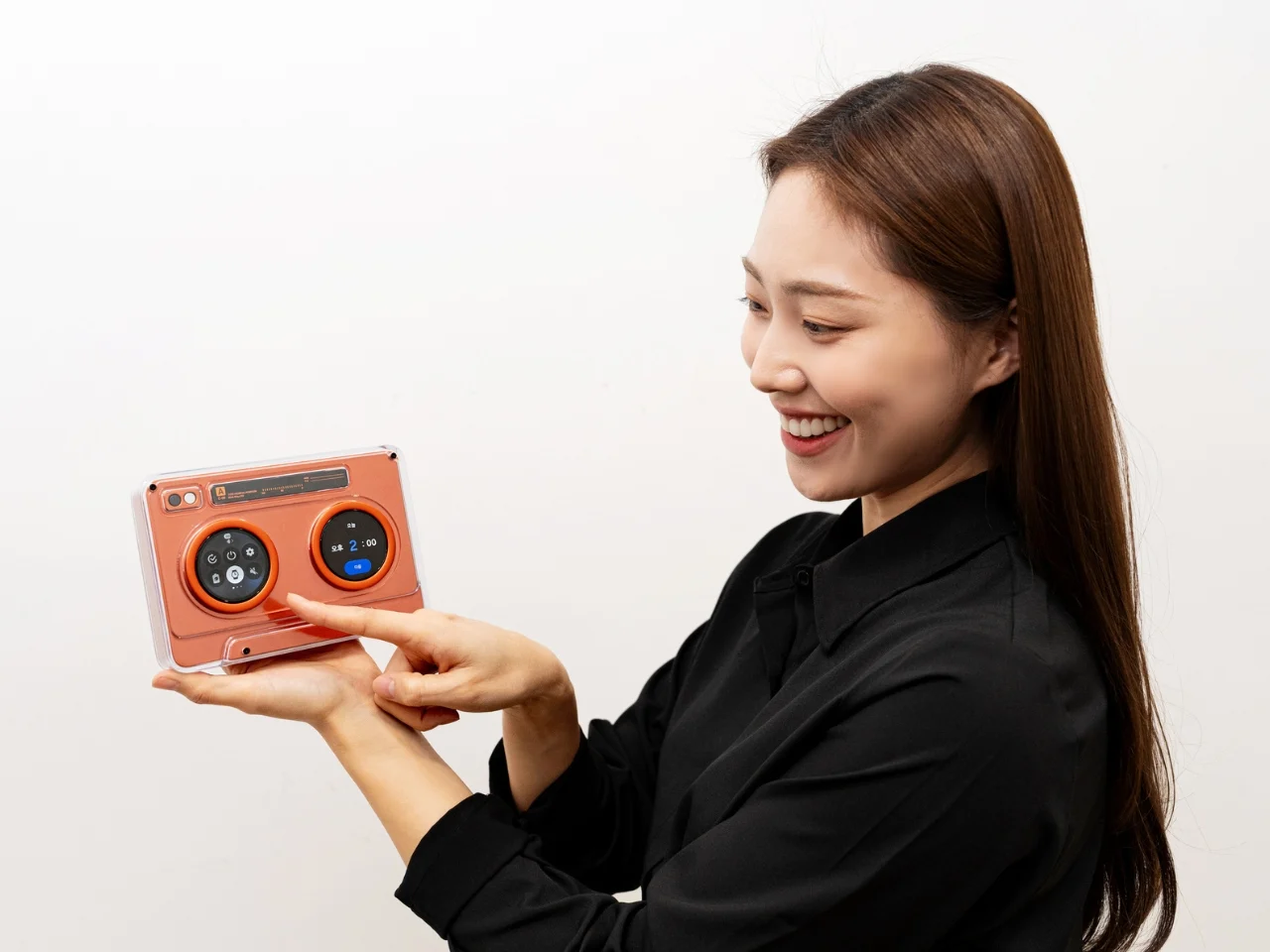
2 weeks agoGen Z Is Obsessed With These 5 Cassette-Era Gadgets & They Just Got a Full Design Upgrade for 2026 - Yanko Design
Streaming's abundance created a thinner listening experience; cassette-era design principles combined with modern technology offer a solution through intentional, tactile music consumption products.
fromThe Atlantic
2 weeks agoToday's Atlantic Trivia: 1990s Tech
Over the years, there have been Populists, Progressives, Farmer-Laborers, Unionists, Constitutional Unionists, Unconditional Unionists, Know-Nothings, Nullifiers, Readjusters, and more. My favorite party with a presence in the chamber is the Silver Party, founded to support a platform of bimetallism, or backing the country's money with silver as well as gold.
History
fromTasting Table
3 weeks agoIf You Grew Up In The '80s, You Probably Remember 7Up's Quirky Mascot - Tasting Table
Cool Spot first appeared in 1987 to try to refresh the brand's image. The character was essentially an anthropomorphic version of the red dot in the 7Up logo. In commercials, the dot transformed into a tiny animated figure with sunglasses, sneakers, and a very cool 'tude. His chilled-out personality fit neatly into the brand's long-running "Uncola" positioning, which sought to frame 7Up as the cool and quirky alternative to traditional colas.
Marketing
fromDefector
3 weeks agoR&B Wants To Make Pop Music Fun Again | Defector
R&B in the 21st century has been in a constant state of flux, tugged between safe traditionalism and blurry attempts at progression. For the last decade-plus that "progression" has seen R&B music become more indebted to trap records and the moody atmospherics of alternative bands like Radiohead, Coldplay, or My Bloody Valentine.
Music
Apple
fromEntrepreneur
1 month agoThis Nostalgic Apple Product Is Making a Major Comeback - and You Can Thank Gen Z For It
Gen Z and young adults are purchasing used iPods to escape streaming fatigue and own their music libraries, with prices rising 60% since 2023 and search interest increasing 8% year-over-year.
fromInsideHook
1 month agoWhere Have All the Good Memes Gone?
The lyrics have a rather annoying quality to them, similar to the way that other songs like "Call Me Maybe" by Carly Rae Jepsen, "Fireflies" by Owl City or even "Friday" by Rebecca Black did in their time - songs that gained rapid popularity and, just as quickly, sparked rapid backlash from many due to overexposure to them.
Humor
fromKotaku
1 month agoThe Zoomer Obsession With DVDs Is A Blueprint For Saving Gaming - Kotaku
Physical media sales, DVDs especially, are experiencing a new burst of popularity. After a decade of freefall, enthusiasm among Gen Z halved a 20 percent sales decline in 2024 to just 9 percent in 2025. Stores have noticed. The Times' Karla Gachet spoke with staff at cultural hubs like Cinefile and Vidiots to discover why 2026 is already shaping up to be their biggest year, with the latter renting a surprising 1,000 DVDs a week.
Media industry
fromBustle
3 weeks agoTikTok's "Mood Ring" Nails Are Pure '90s Nostalgia
A dark gel base creates depth, layered with a silver cat-eye polish that's magnetized so the shimmer pools toward the center like a glowing orb. On top, an iridescent chrome powder creates that signature color shift. Of course, none of these techniques are new - chrome powders and cat-eye gels have both been trending on their own recently - but paired together, they deliver a nail design that feels surprisingly fresh.
Fashion & style
Television
fromBusiness Insider
1 month agoFrom landlines to VHS tapes, millennials and Gen Z parents are bringing an analog childhood to Gen Alpha
Millennials and Gen Z parents are introducing retro items like VHS tapes, Tin Can phones, and physical media to their children to foster connection, imagination, and independence while slowing down screen time.
Miscellaneous
fromSilicon Canals
1 month ago8 household items that were status symbols in a working-class home in the 1990s that would cost less than a single grocery run today - Silicon Canals
Consumer goods that signified status and achievement in 1990s working-class communities now cost a fraction of their original price, reflecting dramatic shifts in purchasing power and consumer culture.
fromHyperallergic
1 month agoWhat's a Gen X to Do?
Beleaguered Louvre president Laurence des Cars quits after a historic heist under her watch. The next morning, a new leader is announced. It's Christophe Leribault from the Palace of Versailles, a true museum animal who ran a few during his career.
Arts
Music
fromYanko Design - Modern Industrial Design News
1 month agoThese $40-$299 Cassette Players Just Crushed Spotify's Algorithm - Yanko Design
Cassette player searches have surged over 1,281%, driven by millennials and Gen Z seeking deliberate listening experiences away from algorithmic playlists and infinite streaming options.
Remodel
fromTasting Table
1 month agoThe '80s Cabinet Trend Boomers Remember That Hid The Handles To Look Futuristic - Tasting Table
Melamine cabinets with hidden handles offer a sleek, minimalist, and affordable kitchen option reminiscent of 1980s space-age design and now see renewed interest with updates.
fromwww.theguardian.com
1 month agoAnalog is back, and my millennial heart couldn't be happier | Tayo Bero
Usually, my handbag is a medley of digital devices and life essentials my phone, iPad, chargers, keys, tampons. But lately, you're likely to also find a half-done newspaper crossword, a ton of stationery, the book I've restarted three times, and whatever scraps and trinkets I've picked up throughout the day to put in my scrapbook. Analog is back, and it feels like we need it more than ever.
Mindfulness
fromSilicon Canals
1 month agoPsychology says the reason boomers get emotional watching old home movies isn't the people in them - it's the background, the furniture nobody saved, the wallpaper nobody photographed, the ordinary details of a life that felt permanent until it wasn't - Silicon Canals
We photograph people obsessively, but we rarely capture the everyday spaces where life actually happens. And when those spaces disappear, something profound goes with them. The furniture was never just furniture—it was the stage where decades of family life played out. Every scratch, stain, and worn patch told a story.
Digital life


Photography
fromdesignyoutrust.com
1 month agoAmazing Vaporwave-esque Reels Where Hesitant Signals Reveal Neon Distortions And Found-footage Glitches At Precise GPS Coordinates
Diverse striking visual projects and photography span street art, surreal AI images, social interventions, illustration, and creative design explorations.
Real estate
fromSilicon Canals
1 month ago9 things that were standard middle class in 1985 that are now luxury items, and most boomers haven't fully processed that the life they considered normal is now aspirational - Silicon Canals
The middle-class standard of living from 1985—including affordable homeownership on a single income—has become attainable primarily by the upper-middle class today.
Arts
fromdesignyoutrust.com
1 month agoBeautiful Daily Retrowave City Pop Landscapes From Club Retro, A Neon-drenched Instagram Gallery Of Vaporwave Dream Worlds
Collection of diverse visual-art features and lifestyle pieces, including paintings, architecture drawings, illustrations, murals, vintage posters, surreal digital art, and practical guides.

fromSilicon Canals
2 months ago9 things Boomers refuse to throw away that their kids will put straight in the trash without opening - Silicon Canals
My father kept manuals for products we hadn't owned in years, filed alphabetically in a cabinet. When I asked why, he looked at me like I'd suggested burning money. "What if we need to look something up?" The concept of finding any manual online in seconds just doesn't compute for a generation that had to rely on these paper lifelines.
Relationships
fromBored Panda
2 months ago80 Vintage Ads That Show Which Values Changed And Which Stayed The Same Over Time
We might be exposed to more ads and commercials today than ever before in human history, but the idea of advertising itself is certainly not a new concept. According to Instapage, the first signs of advertisements actually appeared in ancient Egyptian steel carvings from 2000 BC. Meanwhile, the first printed ad was published in 1472, when William Caxton decided to advertise a book by posting flyers on church doors in England.
Marketing
fromConsequence
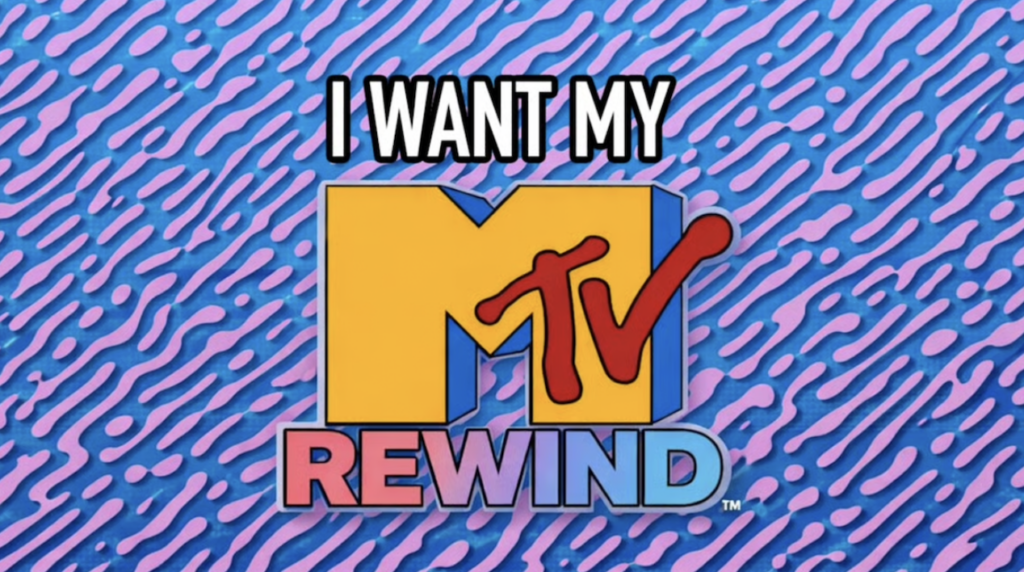
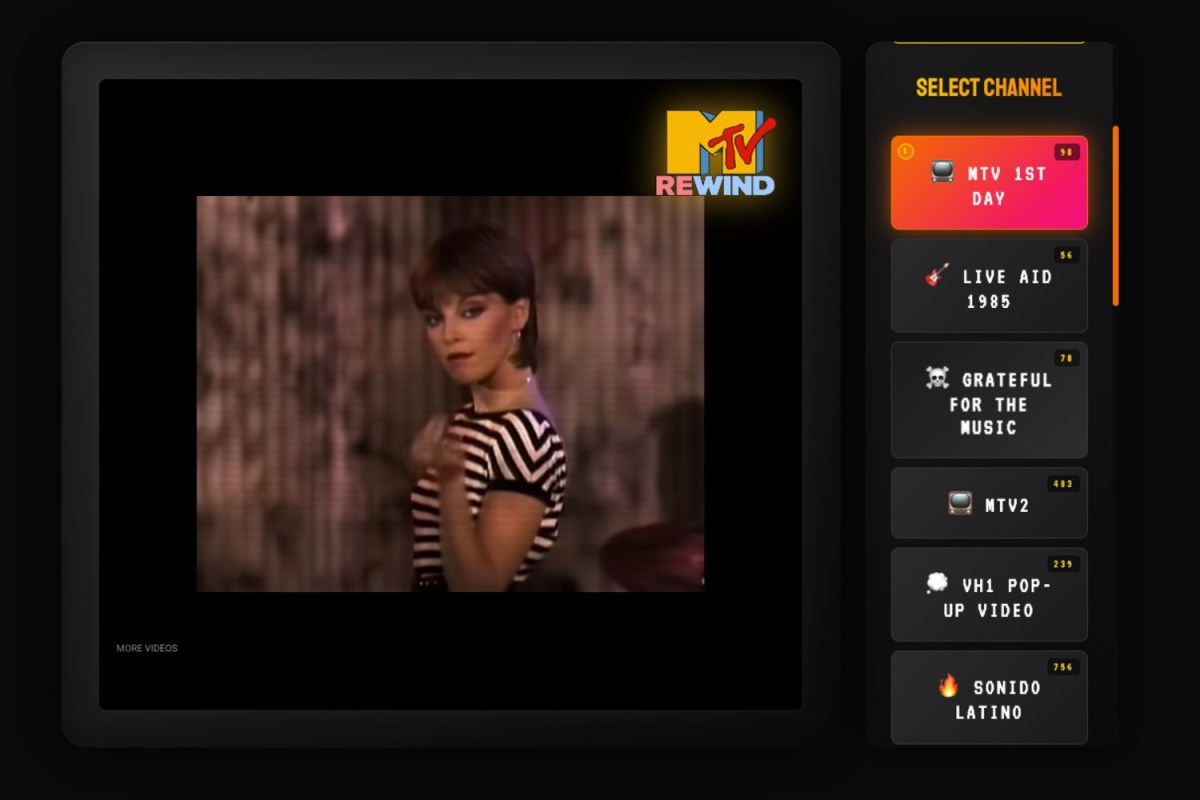
2 months agoMTV Rewind Fan Site Launches with 27,000 Classic Videos and Vintage Commercials
To fill the void, one ambitious fan has launched a free website called MTV Rewind, featuring archival content from throughout the network's history. As of publishing, MTV Rewind hosts 27,293 total classic music videos and vintage commercials pulled from YouTube. The site is organized into multiple channels, taking viewers on a chronological journey starting with "1st day" content from the network's 1981 launch through the 2020s. As a welcome bonus, the site includes archives from the landmark hip-hop show Yo! MTV Raps and heavy metal program Headbangers Ball.
Television
Digital life
fromSilicon Canals
1 month ago9 weekend rituals from the 60s and 70s that created a sense of togetherness screens have replaced - Silicon Canals
Shared weekend rituals like family meals and aimless Sunday drives fostered togetherness, intimacy, and presence that digital devices have gradually eroded.
fromVulture
2 months agoObex Will Make You Nostalgic for Old Technology
What telling people to touch grass ignores, in part, is that grass is not all that good to touch. It's itchy and sticky - there could be bugs in there. There's a far more profoundjoyin touching machines, as is shown again and again in Albert Birney's Obex, which functions as both a shrine to and warning about our reliance on technology.
Film
Photography
fromdesignyoutrust.com
2 months agoArtist Creates Nostalgic Pixel Tributes That Capture Gaming's Golden Age
A wide-ranging showcase of visual creativity, highlighting photography, illustration, sculpture, design, and inventive art projects from global contemporary artists and cultural oddities.
fromBustle
2 months agoThe '90s "Club Kid Beauty" Look Is Influencing 2026's Biggest Makeup Trends
Every micro-trend is swiftly dubbed ("Italian summer nails" or some such), and the most elaborate looks are often confined to the wearer's own home - all dolled up and nowhere to go. But before some of today's beauty influencers were born (the late '80s and '90s, let's say), full beats were meant to be flaunted in public. In those years, no group burned brighter than the club kids, whose visual rebellion through makeup signaled a sense of freedom against the somber backdrop of the AIDS epidemic.
Fashion & style

Digital life
fromwww.cnbc.com
1 month agoA 'quiet revolution': How young people are swapping social media with lunch dates, vinyl records and brick phones
Many Gen Z and millennials are deleting social media, embracing offline and analog hobbies, and prioritizing in-person connections to reduce digital burnout and improve well-being.
[ Load more ]