#2k-144hz-amoled-display
#2k-144hz-amoled-display
[ follow ]
#oled #qd-oled #gaming-monitor #display-technology #gaming-monitors #technology #samsung #picture-quality #tvs
fromEngadget
5 days agoNVIDIA's DLSS 4.5 Multi Frame Generation tech is now available to boost your Hz
DLSS 4.5 Dynamic Multi Frame Generation acts like an 'automatic transmission' for RTX 50 series cards, dynamically adjusting frame rates to balance refresh rate, image quality, and responsiveness.
Video games



fromEngadget
3 weeks agoSamsung promises 120 games will be playable via its glasses-free 3D monitor tech by the end of the year
Samsung just announced that 120 games will be playable via its Odyssey 3D Hub platform by the end of the year. This is the platform that provides content for glasses-free 3D monitors like recent Odyssey displays. The company made this claim at, while also noting that the platform currently offers around 60 playable titles.
Video games
Gadgets
fromwww.esquire.com
1 month ago5 Best Computer Monitors of 2026, Tested by Esquire
Dell's 4K monitor offers excellent display quality with blue light reduction and integrated speaker, while ASUS's 27-inch gaming monitor provides high refresh rates and gaming features at an affordable price point.
fromWIRED
3 weeks agoTheater Shmeater! These Are My Favorite Huge TVs at Every Price
Traits I look for in a large TV include good brightness and contrast, advanced local dimming (read: good backlighting) to reduce light bleed from bright objects on dark backgrounds, accuracy to the director's intent, and impressive color saturation, especially for HDR (High Dynamic Range) content.
Television
fromGSMArena.com
3 weeks agoOppo details Find N6's impressive crease-free display
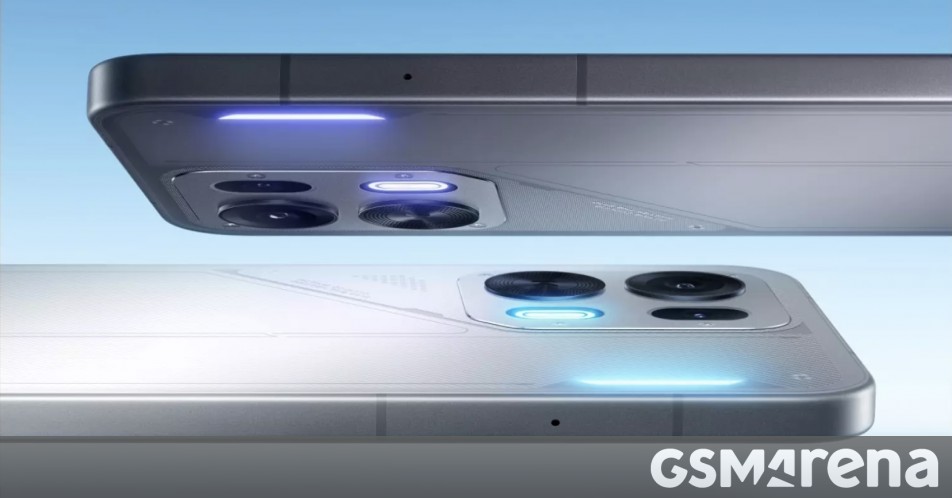
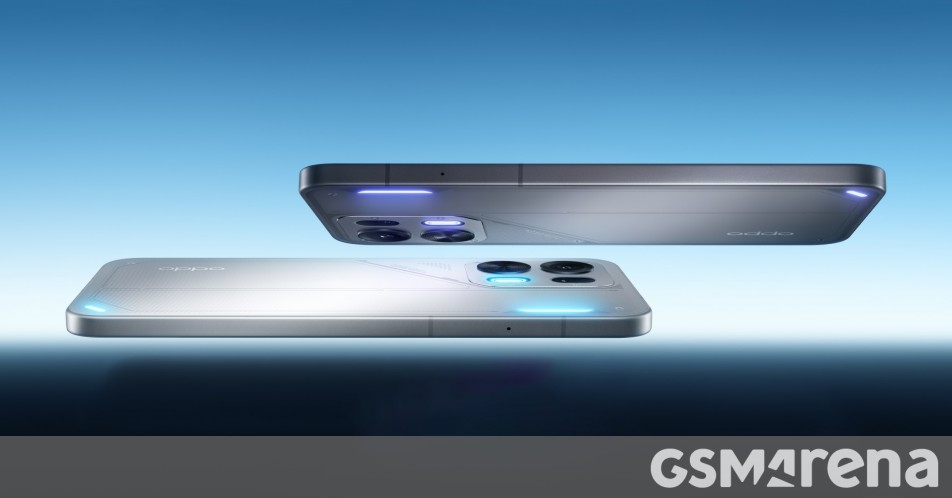
Oppo has a new 2nd-generation Titanium Flexion Hinge, which is made using a liquid 3D printed component. The development process starts with precise laser scanning, which creates a high-fidelity model for each surface of the hinge. The process then moves to the liquid 3D printing phase, where Oppo uses tiny photopolymer resin droplets to fill uneven areas. The 3D printing process helps eliminate any structural irregularities at a microscopic level.
Mobile UX
fromEngadget
1 month agoLG reveals pricing for its 2026 OLED TVs
The flagship LG evo G6 series ranges in price from $2,499 to $24,999. (Cue spit take.) Fortunately, that five-figure price only applies to the 97-inch model, which nobody this side of Elon Musk needs. The entry-level price is for a 55-inch OLED. Moving up the ladder, the 65-inch one costs $3,399, the 77-inch model is $4,499 and an 83-incher will set you back $6,499.
Television
Mobile UX
fromEngadget
1 month agoMotorola's Edge 70 Fusion phone has a huge curved 144Hz display
Motorola Edge 70 Fusion is a mid-range smartphone featuring a 50MP Sony sensor with optical stabilization, a 6.78-inch quad-curved AMOLED display with 144Hz refresh rate, and Pantone-inspired fabric-like colors, priced from $430 in Europe.


Gadgets
fromYanko Design - Modern Industrial Design News
1 month ago200-Inch Dolby Vision Gaming With 1ms Latency: Inside The Aetherion 4K RGB Laser UST Projector - Yanko Design
Aetherion is an ultra-short-throw projector offering true VRR (0.1–240Hz), Auto Low Latency, 1ms-class response, and monitor-level gaming features.
fromArs Technica
2 months agoThe most fascinating monitors at CES 2026
At 51.5 inches, the UltraSharp U5226KW that Dell announced at CES is the biggest UltraSharp monitor yet. It has a resolution of 6144×2560, for a pixel density of 129 pixels per inch. The IPS Black monitor also has a bevy of ports via a Thunderbolt 4 hub that supports up to 140 W power delivery, an integrated KVM for up to four PCs, and a pop-out box with 27 W USB-C and 10 W USB-A ports.
Gadgets






fromZDNET
2 months agoWhat is Dolby Vision 2? Everything to know about hottest TV standard at CES 2026
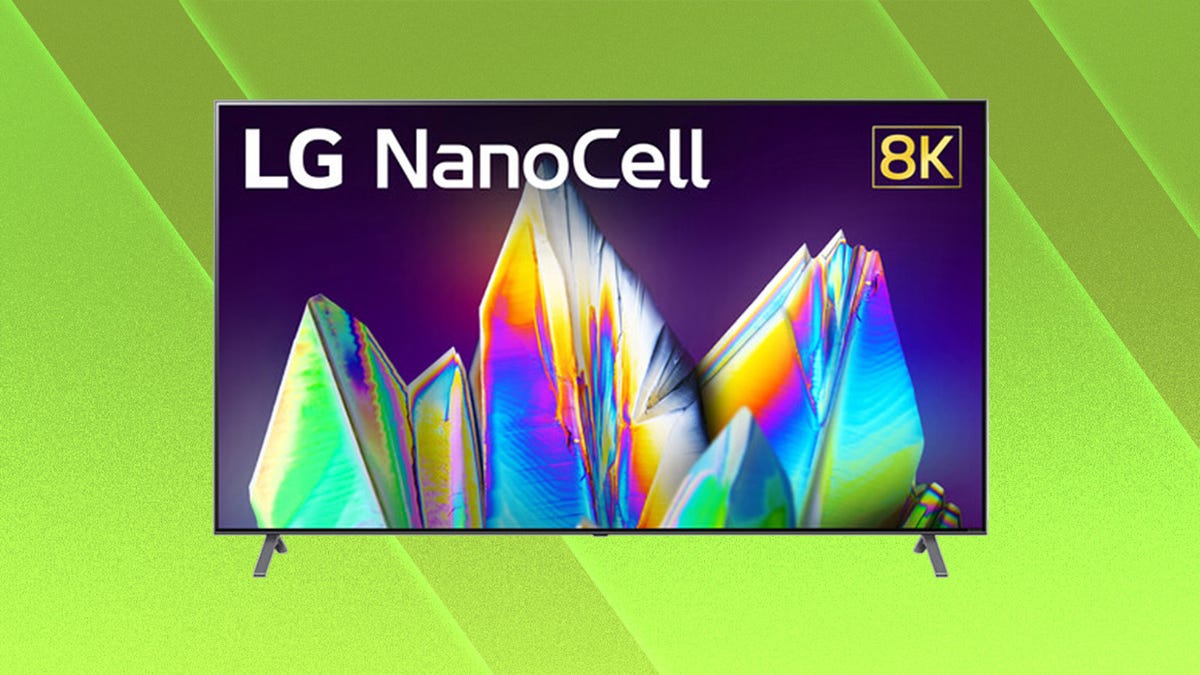
Dolby late last year announced Dolby Vision 2, an upgraded HDR format. DV2 introduces several quality upgrades and addresses a major complaint. Hisense TVs will be among the first to support the new tech. The next generation of HDR is here. Dolby has unveiled Dolby Vision 2, the successor to Dolby Vision HDR that debuted a little more than a decade ago, and we're starting to see the term make its way through the halls of CES this week.
Television
fromTechCrunch
2 months agoLG's new OLED TV is just 9mm thick | TechCrunch
A significant portion of the annual Consumer Electronics Show (CES) is about TVs, and this year, LG is showing off its manufacturing chops with a new Wallpaper OLED TV that is just 9mm thick. The South Korean company first launched the Wallpaper line in 2017, and is now bringing it back with this model, dubbed OLED evo W6.
Gadgets
fromZDNET
2 months agoSamsung reveals 2026 TVs, including a 130-inch Micro RGB model
Available in 55-inch, 65-inch, 77-inch, and 83-inch options, this year's model is over 30% brighter, according to Samsung. Also: The best Samsung TVs: Expert tested OLEDs, big-screens, and more This is a model gamers will want to pay attention to, as it features 165Hz refresh rate support, VRR, and a "category-first glare-free technology" to eliminate distracting reflections. Samsung claims the 48-inch version is the "brightest 48-inch OLED ever."
Television
fromGameSpot
2 months agoAsus ROG Enters Extended Reality With 240Hz Gaming Glasses
Asus has hit the Consumer Electronics Show show floor with a brand-new set of Extended Reality glasses. Developed in partnership with Xreal, the Asus ROG Xreal R1 packs an impressive amount of technology into a slim frame for your face, allowing you to stream video directly to your eyes via a USB-C connection. Internally, the Asus ROG Xreal R1 features 240Hz micro-OLED 1080p lenses, and it comes with an ROG Control Dock for HDMI and DisplayPort connectivity.
Gadgets
fromKotaku
2 months agoASUS 34" Curved Gaming Monitor Falls Back to Its Lowest Price in Weeks to Compete With Samsung Odyssey - Kotaku
A curved monitor is really something you need to experience firsthand to fully appreciate its advantages. The Asus 34-inch monitor features a 1,500R curvature designed to mirror the natural curve of human vision and how we perceive our surroundings. When placed at the optimal viewing distance, this curvature delivers a level of immersion that flat monitors simply can't replicate, filling your peripheral with what's happening on screen.
Gadgets
[ Load more ]