#oled
#oled
[ follow ]
#gaming-monitor #display-technology #picture-quality #tv-deals #technology #touchscreen #apple #ces-2026


fromZDNET
1 month agoWhy the Samsung Galaxy S26 Ultra's biggest upgrade won't be its camera or processor for me
How Samsung achieves this is through pixel-level light control, adjusting its OLED emission so that light only shines toward the user when facing directly at the phone screen. As you pan left and right, the part of the Privacy Display that you can set to block sensitive notifications, 2FA codes, and more fades to black. Notably, the feature wouldn't reduce the phone's overall brightness or color depth, unlike a physical privacy screen protector.
Gadgets




fromKotaku
2 months agoSamsung Moves Odyssey Curved Gaming Monitor Into Clearance, 49" G93SC Series Hits an All-Time Low - Kotaku
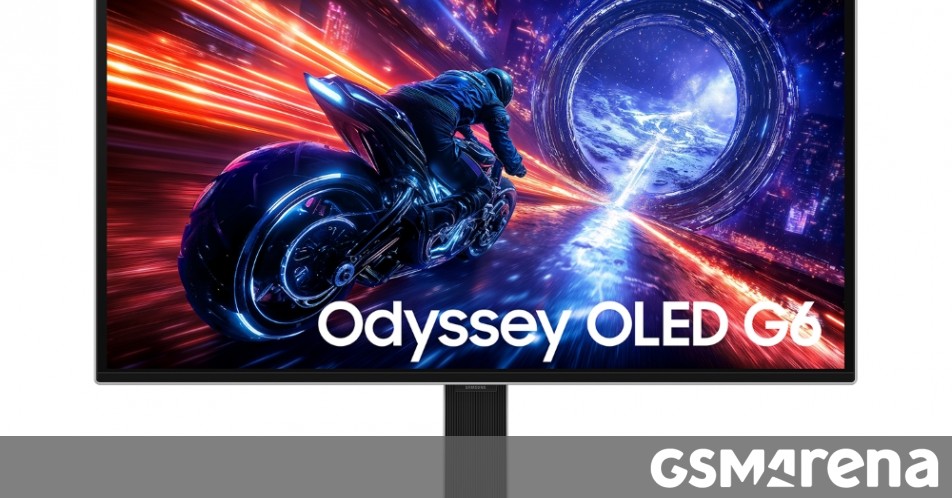
Calling the Samsung Odyssey OLED G9 "ultra-wide" barely scratches the surface. This thing is enormous. At 49 inches across, it can dominate an entire desk. It's the kind of monitor that makes dual-screen setups look quaint, delivering a single, seamless canvas that stretches far into your peripheral vision. Right now, it's also far more affordable than usual. The Odyssey OLED G9 normally sells for $1,249, but Amazon has dropped the price to $900, knocking a hefty $349 off the total for a limited time.
Gadgets


fromZDNET
2 months agoIf this iPad Mini 8 rumor is true, there are no more reasons for me to consider an Air or Pro
The iPad Mini is my favorite Apple tablet for its size. It is small enough to pack alongside my laptop and powerful enough to rekindle my love for photo editing. But over the last two generations, I've wished Apple would offer a better screen, as the smudgy LCD panel isn't ideal for reading or color accuracy. That could finally happen as soon as this year.
Apple


Gadgets
fromYanko Design - Modern Industrial Design News
2 months agoLenovo's 'Horizontal Rollable' Legion Pro Laptop Expands From 16 to 23.8 Inches: Hands-on at CES 2026 - Yanko Design
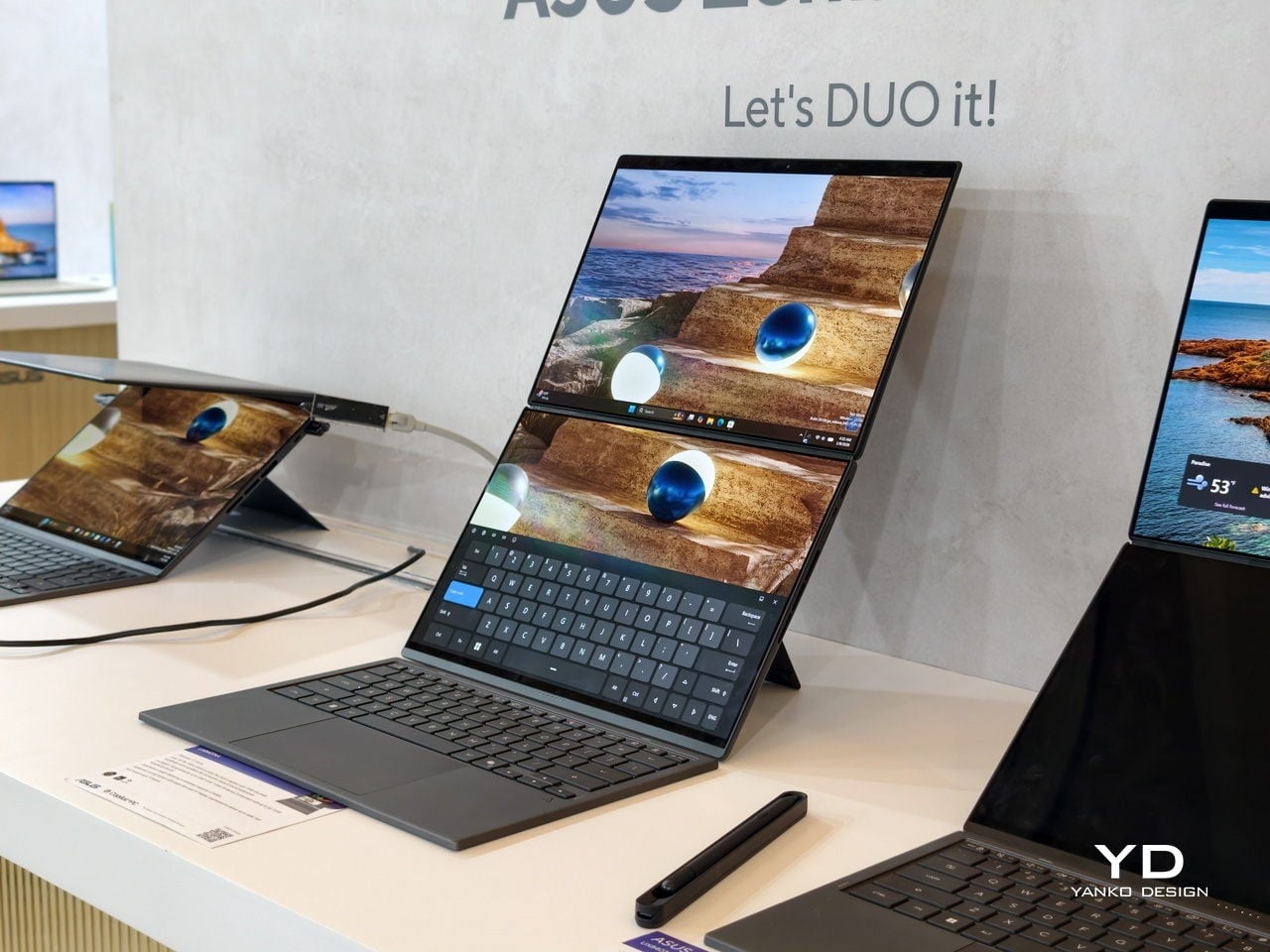
A Legion Pro Rollable laptop expands from 16 to 23.8 inches via a rollable PureSight OLED, offering tournament-size displays without carrying an external monitor.
fromwww.engadget.com
2 months agoLG's UltraGear GX7 is its fastest and brightest OLED gaming monitor to date
The new QHD display, which uses LG Display's 4th-gen RGB Tandem 2.0 OLED tech, can hit 335 nits typical brightness and is DisplayHDR True Black 500 certified. At the same time, it offers an outstanding 540Hz refresh rate at QHD (720Hz at HD) and a .002ms grey-to-grey (GtG) response time. So in other words, about 5,000 times faster than the best human reflexes.
Gadgets
fromEngadget
2 months agoLG TVs at CES 2026: A stunning Wallpaper set, glorious Micro RGB colors and a better Gallery TV
If money were no object, I'd want a 100-inch LG Wallpaper TV in my family room immediately. It looks shockingly thin in person - almost as if it's some sort of sci-fi prop - and it delivers the rich colors and dark levels we expect from OLED. Cable management is also a cinch, since it requires just a single power cable. The A/V inputs are handled by LG's One Connect box, which you can position wirelessly up to 10 meters away from the TV.
Television
fromThe Verge
3 months agoLG announces the 'world's lightest 17-inch RTX laptop'
LG is teasing the 2026 Gram Pro laptops that will be fully unveiled at CES, including what the company claims is the "world's lightest 17-inch RTX laptop." The LG Gram Pro 17 (17Z90UR) and Gram Pro 16 (16Z90U) will introduce a new ultra-light "Aerominum material" developed by LG that aims to reduce a laptop's weight while reinforcing strength and scratch resistance.
Gadgets
fromThe Verge
3 months agoLG announces new UltraGear evo gaming monitors with AI upscaling
LG unveiled a whole new line of gaming monitors ahead of CES on Friday. The UltraGear evo line are all high-end monitors covering a range of technologies, but united by 5K resolution and AI upscaling. The three flagships under the new branding are the 39GX950B, the 27GM950B, and the 52G930B. The first number in the model name indicates the size. The rest of the letters and numbers, well, I'm sure they mean something to someone.
Gadgets

fromKotaku
3 months agoForget Samsung Odyssey, Alienware Restocks Its 34" Curved Gaming Monitor at an All-Time Low After Sellout - Kotaku
If you've never spent time using a curved monitor, it's easy to assume the design is just a marketing trick. I used to think the same until I started gaming on one myself. Once you're positioned at the ideal distance and angle, the curve subtly pulls you into whatever you're playing or watching in a way that a flat screen doesn't quite match. The viewing experience feels more natural as the display envelopes your view.
Gadgets

fromGSMArena.com
4 months agoSamsung and BOE reach agreement over OLED display patent infringement
Samsung Display had an ongoing three-year legal battle against BOE over trade secrets theft and patent infringements related to OLED tech, and according to a new report from Yonhap News, the two sides have settled their dispute. According to the report, the U.S. International Trade Commission (ITC) issued an official statement confirming that the case has been suspended. While details of the withdrawal were not disclosed,
Tech industry
fromKotaku
4 months agoLG's 240Hz 34-Inch Curved OLED Monitor Goes at New All-Time Low, Black Friday Has Started Early - Kotaku
This 34-inch display features an 800R curvature that aggressively wraps around your field of view compared to most other curved monitors you might have laid eyes on. LG steepened the curve enough to draw in peripheral vision into the action for an immersive experience not possible with flat-screen monitors. The curve works a treat in racing games or flight simulators where spatial awareness counts. You'll notice how the edges of the screen stay within your natural viewing angle without requiring constant head movement.
Gadgets
fromWIRED
5 months agoLG's Fabulous C4 Gets a Jaw-Dropping Price Cut for Prime Day
Why OLED? Imagine a pitch-black screen in which each of its millions of tiny pixels can turn on or off individually, letting even tiny flecks of light in space burn with their own perfect light. Add to that strikingly natural colors, impressive shading and shadow detail, with none of the issues LED TVs create like light bleed or dramatic off-angle image degradation. That's why we love this deal.
Television
Gadgets
fromKotaku
6 months agoSamsung 49 Odyssey Curved Gaming Monitor Drops Below Black Friday Pricing, $700 Off Feels Like a Steal - Kotaku
The Samsung Odyssey OLED G9 is a 49-inch ultra-wide OLED gaming monitor with 5120×1440 resolution, 240Hz refresh, 0.03ms input timing, and a current 44% discount.


[ Load more ]