#678-inch-oled
#678-inch-oled
[ follow ]
#qd-oled #oled #mini-led #home-theater #picture-quality #sony #home-entertainment #samsung #tvs #color-accuracy


Gadgets
fromYanko Design - Modern Industrial Design News
6 days agoThe Hisense XR10 Packs 6,000 Lumens, Liquid Cooling, and Devialet Audio Into One Very Serious 4K Projector - Yanko Design
Hisense's XR10 projector offers a bright 4K image and advanced features at a competitive price, aiming to enhance home theater experiences.


fromThe Verge
1 month agoTCL's $7,000+ flagship TV is ready to fight
From the moment I completed Google TV setup and started watching the TCL X11L I was amazed. I could immediately tell it's the brightest TV I've had in my home, but it was the color vibrancy that I found most impressive. The colors we're all most familiar with - skin tones, the sky, green grass and trees - all look as close to realistic as I've seen on a TV.
Gadgets
fromWIRED
3 weeks agoTheater Shmeater! These Are My Favorite Huge TVs at Every Price
Traits I look for in a large TV include good brightness and contrast, advanced local dimming (read: good backlighting) to reduce light bleed from bright objects on dark backgrounds, accuracy to the director's intent, and impressive color saturation, especially for HDR (High Dynamic Range) content.
Television
fromEngadget
1 month agoLG reveals pricing for its 2026 OLED TVs
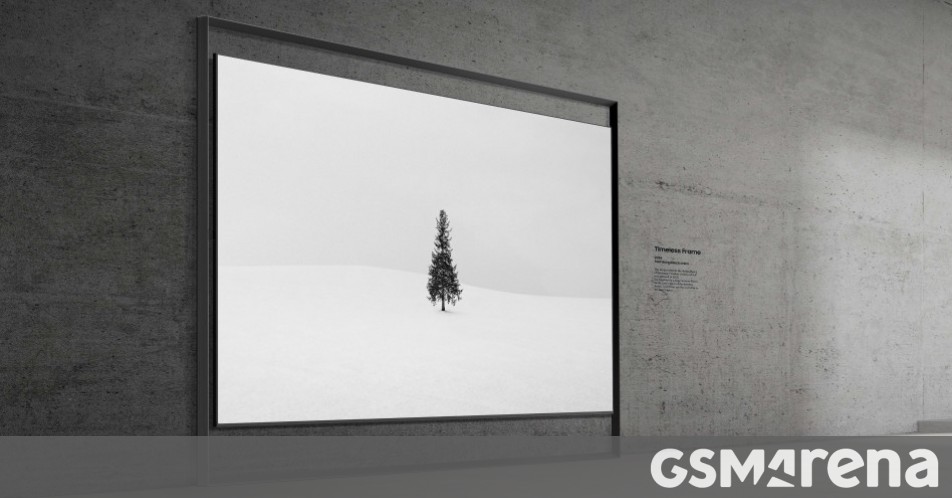
The flagship LG evo G6 series ranges in price from $2,499 to $24,999. (Cue spit take.) Fortunately, that five-figure price only applies to the 97-inch model, which nobody this side of Elon Musk needs. The entry-level price is for a 55-inch OLED. Moving up the ladder, the 65-inch one costs $3,399, the 77-inch model is $4,499 and an 83-incher will set you back $6,499.
Television
fromTechCrunch
2 months agoLG's new OLED TV is just 9mm thick | TechCrunch
A significant portion of the annual Consumer Electronics Show (CES) is about TVs, and this year, LG is showing off its manufacturing chops with a new Wallpaper OLED TV that is just 9mm thick. The South Korean company first launched the Wallpaper line in 2017, and is now bringing it back with this model, dubbed OLED evo W6.
Gadgets
Gadgets
fromYanko Design - Modern Industrial Design News
1 month ago200-Inch Dolby Vision Gaming With 1ms Latency: Inside The Aetherion 4K RGB Laser UST Projector - Yanko Design
Aetherion is an ultra-short-throw projector offering true VRR (0.1–240Hz), Auto Low Latency, 1ms-class response, and monitor-level gaming features.

fromArs Technica
2 months agoThe most fascinating monitors at CES 2026
At 51.5 inches, the UltraSharp U5226KW that Dell announced at CES is the biggest UltraSharp monitor yet. It has a resolution of 6144×2560, for a pixel density of 129 pixels per inch. The IPS Black monitor also has a bevy of ports via a Thunderbolt 4 hub that supports up to 140 W power delivery, an integrated KVM for up to four PCs, and a pop-out box with 27 W USB-C and 10 W USB-A ports.
Gadgets


fromTheregister
2 months agoSuper-mega 52-inch Dell monitor like four screens in one
If you like to separate your workflow onto multiple monitors but hate the gap and bezel between screens, Dell's new display was made for you. Announced on Tuesday at CES, the Dell UltraSharp 52 (U5226KW) offers 52 inches of 6K resolution screen real estate that you can divide into up to four virtual monitors, supporting input either from up to four different devices, or one computer that creates that many desktops.
Gadgets
fromZDNET
2 months agoSamsung reveals 2026 TVs, including a 130-inch Micro RGB model
Available in 55-inch, 65-inch, 77-inch, and 83-inch options, this year's model is over 30% brighter, according to Samsung. Also: The best Samsung TVs: Expert tested OLEDs, big-screens, and more This is a model gamers will want to pay attention to, as it features 165Hz refresh rate support, VRR, and a "category-first glare-free technology" to eliminate distracting reflections. Samsung claims the 48-inch version is the "brightest 48-inch OLED ever."
Television
fromZDNET
1 month agoLG will literally throw in a free 27-inch UltraGear monitor with its new preorder deal
The new UltraGear OLED gaming monitor features the brightest and fastest screen from the brand. With a maximum brightness of 300 nits, it might not sound impressive, but it helps strike the delicate balance between picture quality and power efficiency. It also has a 540Hz refresh rate for super-smooth action during fast-paced gameplay or cutscenes, while the 0.02ms response time gives you more control over your inputs.
Gadgets
fromZDNET
2 months agoWhat is Dolby Vision 2? Everything to know about hottest TV standard at CES 2026
Dolby late last year announced Dolby Vision 2, an upgraded HDR format. DV2 introduces several quality upgrades and addresses a major complaint. Hisense TVs will be among the first to support the new tech. The next generation of HDR is here. Dolby has unveiled Dolby Vision 2, the successor to Dolby Vision HDR that debuted a little more than a decade ago, and we're starting to see the term make its way through the halls of CES this week.
Television
fromThe Verge
2 months agoYou can save over $1,500 on LG's 65-inch C5 OLED TV
Its AI Picture Pro feature further enhances image quality by adjusting brightness, resolution, clarity, and other settings based on what you're watching. Plus, LG offers Dolby Atmos support for sound that feels more immersive, while offering easy access to popular streaming apps like Netflix, Max, Disney Plus, Hulu, and Apple TV Plus right out of the box. On the gaming side, the TV includes four HDMI 2.1 ports and support for AMD FreeSync Premium and Nvidia G-Sync.
Television
fromEngadget
2 months agoDell unveils a massive 52-inch 6K ultrawide curved monitor at CES 2026
Given Dell's experience in the monitor realm, this could be a dream display for professionals who handle vast data sets such as trading platforms, AutoCAD, 3D rendering software, spreadsheets and more. It sports a 120Hz refresh rate on an IPS Black panel and emits up to 60 percent less blue light when compared to competing monitors. It delivers an impressive 129 ppi (for comparison a 4K 32-inch monitor delivers 138 ppi) and an ambient light sensor helps avoid eye strain during long work sessions.
Gadgets
fromZDNET
2 months agoLG just revealed its 2026 TV lineup, and it's challenging Samsung in almost every way
One of the highlights of this year's lineup is the new LG OLED W6 Wallpaper TV. The Wallpaper line itself isn't new, dating back to 2017, but this year's entry is only 9mm thick and features an improved wall mount that allows it to sit even more flush against the wall and the Zero Connect Box, meaning the TV is totally wireless except for a single power cord.
Television


Television
fromYanko Design - Modern Industrial Design News
2 months agoLG's Impossibly Thin 9mm Wallpaper TV Goes Wireless at CES 2026 - Yanko Design
LG's OLED evo W6 is a true-wireless, nine-millimeter-class Wallpaper OLED that wirelessly receives 4K from a Zero Connect Box and reduces reflections for bright-room viewing.
fromYanko Design - Modern Industrial Design News
2 months agoSamsung unveils foldable 140-inch TV with extended display bezel around the corners at CES 2026 - Yanko Design
Samsung is going big on Micro RGB and Micro LED TVs for the CES 2026 event. They've already revealed the enormous 130-inch micro-RGB TV that we're keenly looking forward to being bettered by other major players. But where is the biggest Micro LED TV going to sway? Samsung looks to have that one covered too, with the 140-inch Micro LED TV that elevates cinematic viewing to another level.
Television
fromWIRED
2 months agoTCL Knocks $1,000 off One of Our Favorite Mid-Range TVs
One of the QM8K's most striking features is the complete lack of bezels, giving your entertainment stand a modern and distinctive look. With the included pedestal mount, it almost looks like it's floating, a neat trick for such a well-priced television. While there may be some personal preference when it comes to the interface, we generally feel that Google TV is one of the better options right now, and it supports both Chromecast and Airplay 2, so Apple folks won't feel left out.
Television
fromZDNET
1 month agoThe Hisense U8QG is one of the smartest TV buys I can recommend
The 65-inch Hisense U8QG is on sale for $1,300 off during Best Buy's Presidents' Day sale event, bringing the price to just $860. If you're up to speed on modern TV tech, then you might know the difference between OLED and QLED, and perhaps how Mini-LED fits into the ecosystem of television research and development. You might've even heard of QD-OLED and Micro-LED as envelope-pushing technologies that will forever change our viewing experience.
Television
[ Load more ]