#72-inch-nxtpaper-display
#72-inch-nxtpaper-display
[ follow ]
#display-technology #oled #samsung #mini-led #micro-rgb #tvs #qd-oled #color-accuracy #high-refresh-rate


fromYanko Design - Modern Industrial Design News
1 week agoLG's World-First 1Hz Panel Gives the Dell XPS 48% More Battery - Yanko Design
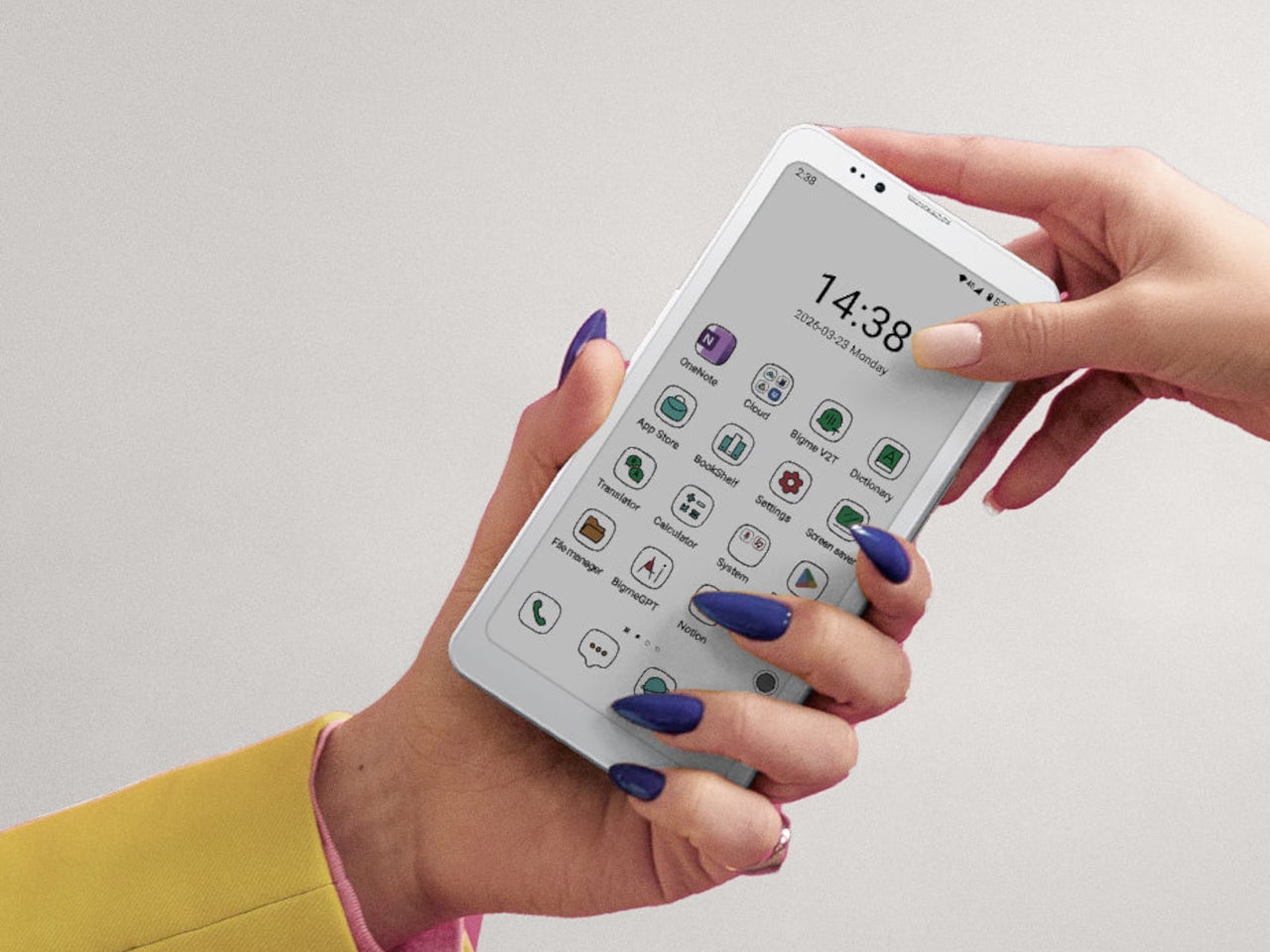
LG Display's Oxide 1Hz panel is the first mass-produced LCD laptop screen that adjusts its refresh rate based on the content displayed, dropping to 1 Hz for static images and scaling up to 120 Hz for video or gaming.
Gadgets


fromTheregister
3 weeks agoSmart mirror shows dumb Windows in elevator
The Windows Boot Manager has blamed a recent hardware or software change, which, frankly, could be pretty much anything. The code 0xc0000428 is a clue that something might be awry with the digital signature of a file (perhaps ntoskrnl.exe) and, to be honest, we'd suggest nuking the whole thing from orbit.
Gadgets
Mobile UX
fromYanko Design - Modern Industrial Design News
1 month agoTCL's new NXTPAPER 3200-Nit AMOLED Display Feels Like Paper and Won't Hurt Your Eyes - Yanko Design
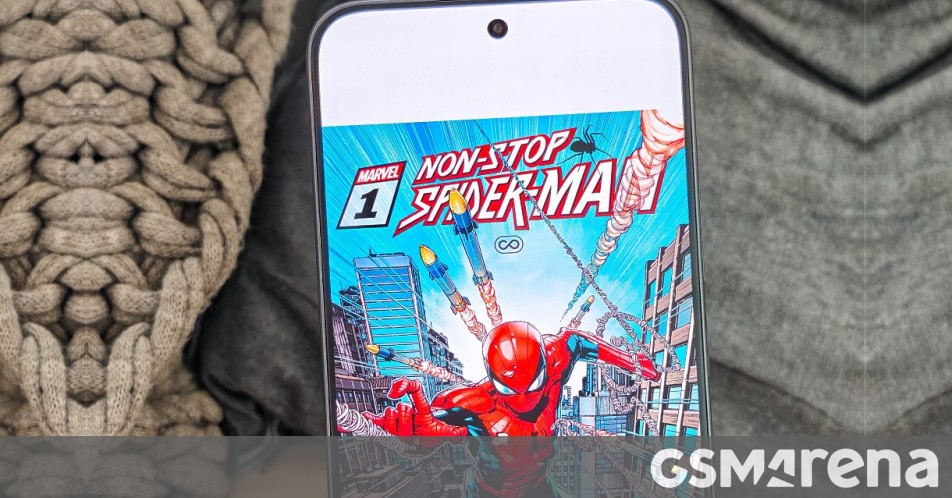
TCL unveiled a new NXTPAPER display technology based on AMOLED panels at MWC 2026, combining eye comfort with high-performance capabilities for smartphones launching by end of 2026.
fromWIRED
3 weeks agoThis Digital Picture Frame Wants to Bring People Closer to a Holographic Future
Upload any picture or video, and Musubi uses artificial intelligence to extract the most important part and hover it in space as a 3D image within the frame. That could be a video of a child's first steps or a snapshot of a birthday party. The image will be displayed in 3D form, viewable in all its holographic glory across nearly 170 degrees.
Gadgets
fromGSMArena.com
1 month agoTCL unveils Tab A1 Plus (and NxtPaper) as NxtPaper 70 Pro makes it to Europe
The Tab A1 Plus brings a 12.2-inch IPS LCD with 1,600 x 2,400 px resolution, a 3:2 aspect ratio and a 120Hz refresh rate. It's also available in a version with TCL's NxtPaper tech, which gets the signature matte display coating. Regular mode features rich and vibrant colors for regular use. Color Paper dials down the saturation for a paper-like color reading experience, while Ink Paper mode goes grayscale for an e-Ink-like experience.
Mobile UX
fromEngadget
1 month agoLG reveals pricing for its 2026 OLED TVs
The flagship LG evo G6 series ranges in price from $2,499 to $24,999. (Cue spit take.) Fortunately, that five-figure price only applies to the 97-inch model, which nobody this side of Elon Musk needs. The entry-level price is for a 55-inch OLED. Moving up the ladder, the 65-inch one costs $3,399, the 77-inch model is $4,499 and an 83-incher will set you back $6,499.
Television
Gadgets
fromwww.esquire.com
1 month ago5 Best Computer Monitors of 2026, Tested by Esquire
Dell's 4K monitor offers excellent display quality with blue light reduction and integrated speaker, while ASUS's 27-inch gaming monitor provides high refresh rates and gaming features at an affordable price point.
fromYanko Design - Modern Industrial Design News
1 month agoThis $219 Screen Runs 6 Months Per Charge and Wants Nothing From You - Yanko Design
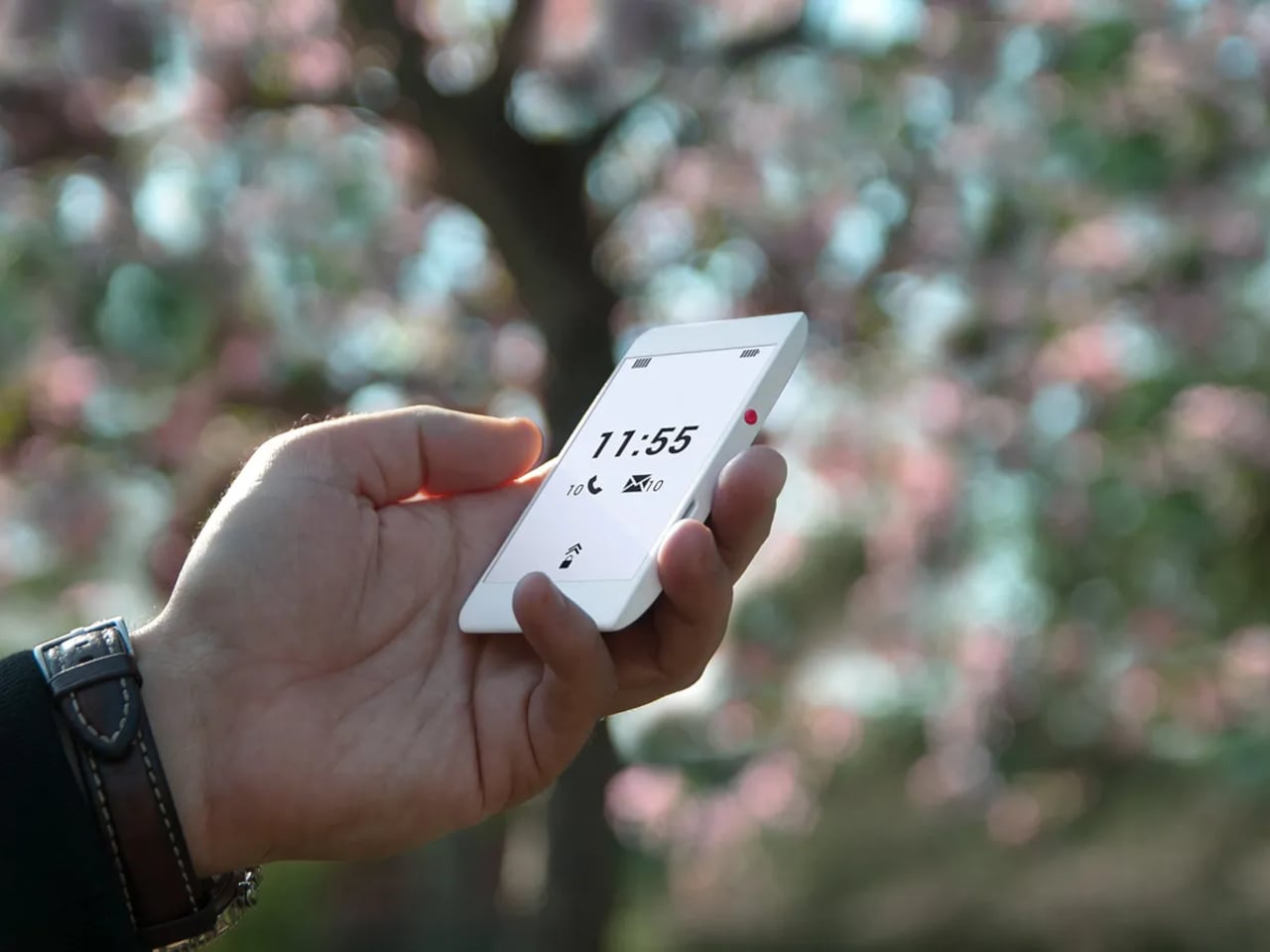
Most of the screens that you encounter everyday is always fighting for your attention, always buzzing, glowing, pulsing with red notification badges designed to hijack your focus. The TRMNL X, a 10.3-inch e-ink smart display priced at $219, takes the opposite approach entirely. It just sits there, calm and papery, waiting for you to glance over when you're ready.
Gadgets
Marketing tech
fromYanko Design - Modern Industrial Design News
1 month agoSamsung Just Made Those Viral 3D Billboards Fit on Any Wall - Yanko Design
Samsung's Spatial Signage delivers wall-mountable, glasses-free volumetric 3D displays that create window-like depth while integrating with existing signage workflows.
Gadgets
fromYanko Design - Modern Industrial Design News
1 month agoSamsung Galaxy S26 Ultra: The Screen Only You Can See - Yanko Design
Samsung Galaxy S26 Ultra prioritizes ergonomic refinement and sustained usability over visually dramatic design changes, with cumulative improvements revealing themselves through daily use rather than immediate visual impact.
fromEngadget
2 months agoInkPoster launches a premium, 41-inch e-paper display for your home
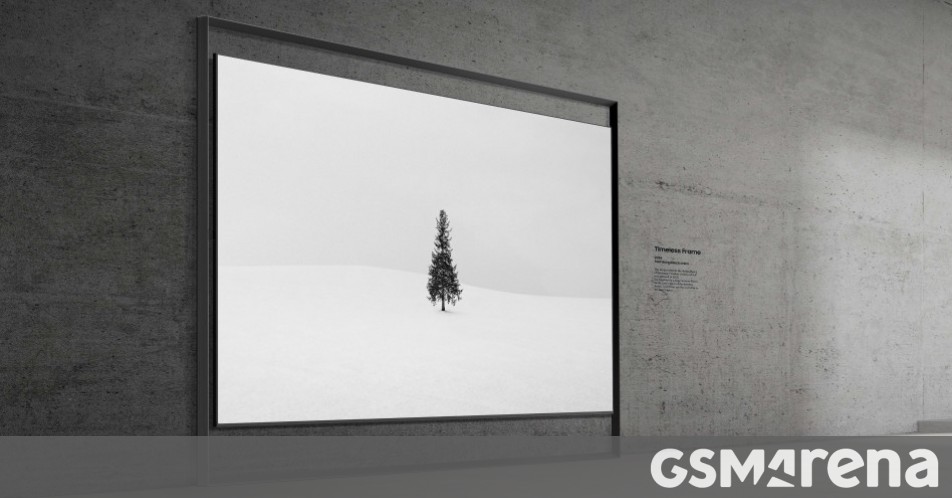
Last year, PocketBook rocked up at CES with a series of large e-paper displays to display art on the walls of your home. This year, the company has turned up with a far larger, A1-sized model called the Duna, which it says mimics the "texture, depth and tonal richness of printed paper." It's intended to act as an upmarket alternative to those big screen TVs which display art when they're not being used for their intended purpose.
Gadgets
Gadgets
fromYanko Design - Modern Industrial Design News
1 month ago200-Inch Dolby Vision Gaming With 1ms Latency: Inside The Aetherion 4K RGB Laser UST Projector - Yanko Design
Aetherion is an ultra-short-throw projector offering true VRR (0.1–240Hz), Auto Low Latency, 1ms-class response, and monitor-level gaming features.
fromZDNET
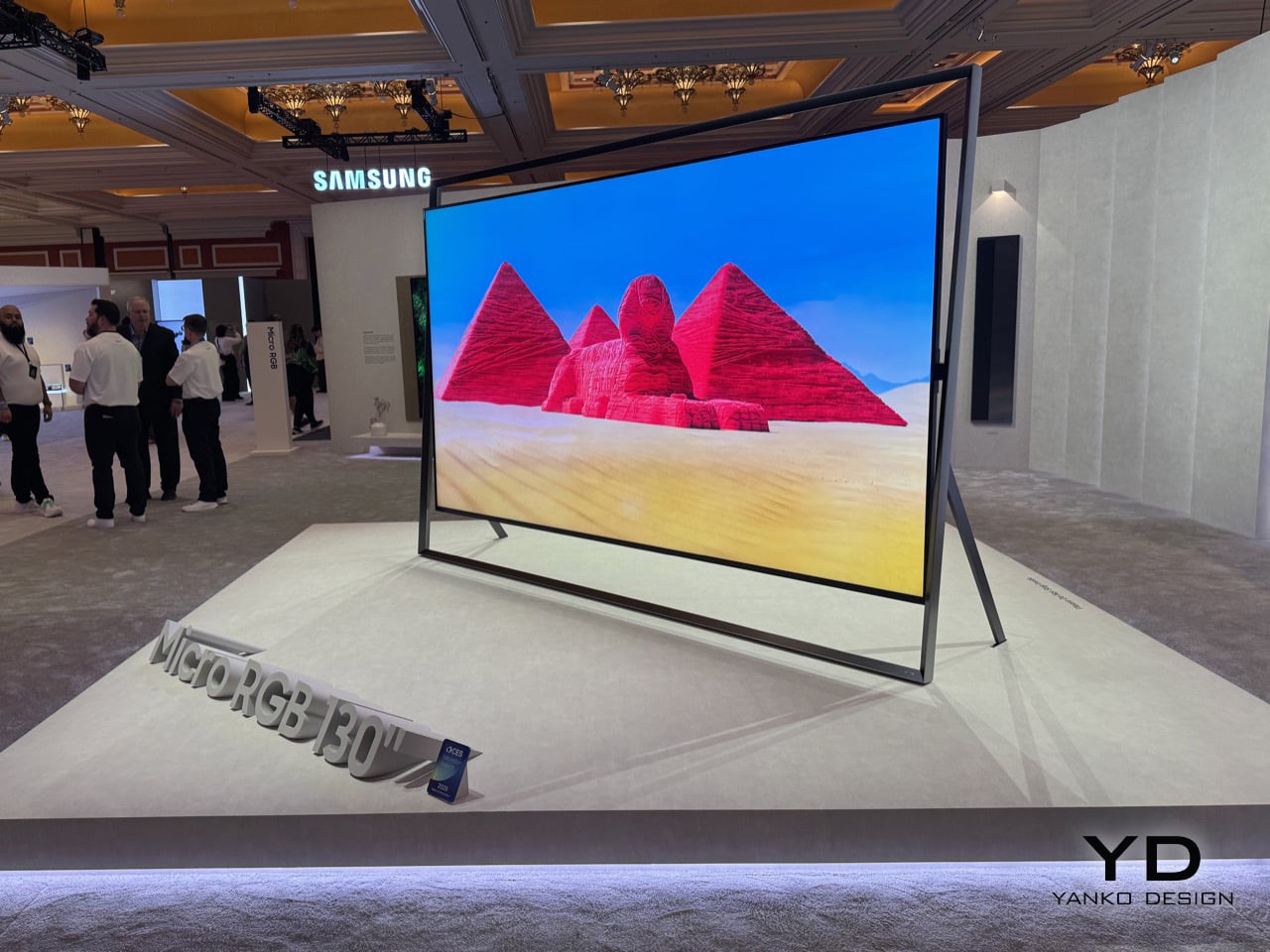
2 months agoSamsung reveals 2026 TVs, including a 130-inch Micro RGB model
Available in 55-inch, 65-inch, 77-inch, and 83-inch options, this year's model is over 30% brighter, according to Samsung. Also: The best Samsung TVs: Expert tested OLEDs, big-screens, and more This is a model gamers will want to pay attention to, as it features 165Hz refresh rate support, VRR, and a "category-first glare-free technology" to eliminate distracting reflections. Samsung claims the 48-inch version is the "brightest 48-inch OLED ever."
Television

fromZDNET
2 months agoLG just revealed its 2026 TV lineup, and it's challenging Samsung in almost every way
One of the highlights of this year's lineup is the new LG OLED W6 Wallpaper TV. The Wallpaper line itself isn't new, dating back to 2017, but this year's entry is only 9mm thick and features an improved wall mount that allows it to sit even more flush against the wall and the Zero Connect Box, meaning the TV is totally wireless except for a single power cord.
Television
fromYanko Design - Modern Industrial Design News
2 months agoSamsung's 13-Inch E-Paper Housing Is Made from Phytoplankton Plastic - Yanko Design
Printed signs get reprinted every week, while full LCD signage burns power all day just to show a static promo. E-ink has quietly solved this in e-readers by holding text without sipping battery, but it has not shown up in everyday public spaces where signs still get taped to shelves. Samsung's new 13-inch Color E-Paper is a panel that tries to live in that middle ground, digital enough to update remotely, quiet enough to blend in.
Gadgets
fromEngadget
2 months agoLG TVs at CES 2026: A stunning Wallpaper set, glorious Micro RGB colors and a better Gallery TV
If money were no object, I'd want a 100-inch LG Wallpaper TV in my family room immediately. It looks shockingly thin in person - almost as if it's some sort of sci-fi prop - and it delivers the rich colors and dark levels we expect from OLED. Cable management is also a cinch, since it requires just a single power cable. The A/V inputs are handled by LG's One Connect box, which you can position wirelessly up to 10 meters away from the TV.
Television
Television
fromYanko Design - Modern Industrial Design News
2 months agoLG's Impossibly Thin 9mm Wallpaper TV Goes Wireless at CES 2026 - Yanko Design
LG's OLED evo W6 is a true-wireless, nine-millimeter-class Wallpaper OLED that wirelessly receives 4K from a Zero Connect Box and reduces reflections for bright-room viewing.


fromGSMArena.com
2 months agoSamsung showcases foldable display with no visible crease at CES 2026
Tipster Ice Universe has shared images of a new foldable display that was showcased by Samsung Display at CES. The display is expected to be used in Apple's iPhone Fold. According to the tipster, the panel shows no visible crease, which is a common drawback of current foldable screens. Samsung appears to have significantly minimized the crease with this new display. The screen will also feature an under-display camera and offer improved overall quality.
Gadgets


fromArs Technica
2 months agoThe most fascinating monitors at CES 2026
At 51.5 inches, the UltraSharp U5226KW that Dell announced at CES is the biggest UltraSharp monitor yet. It has a resolution of 6144×2560, for a pixel density of 129 pixels per inch. The IPS Black monitor also has a bevy of ports via a Thunderbolt 4 hub that supports up to 140 W power delivery, an integrated KVM for up to four PCs, and a pop-out box with 27 W USB-C and 10 W USB-A ports.
Gadgets
fromZDNET
2 months agoTCL's new E Ink tablet beats the Remarkable and Kindle with this display tech
TCL TCL just announced the release of its latest digital paper tablet: the , with a 120Hz refresh rate, full-color display, and an ultra-thin (5.5mm/0.2 inch) form factor. TCL combined its Nxtpaper Pure digital paper technology with an LCD display for this device -- a first for the brand -- resulting in vibrant colors and no ghosting. This brings the device closer to a traditional tablet or iPad (at least visually) while maintaining a focus on productivity.
Gadgets
fromThe Verge
2 months agoRGB is the next big thing in OLED gaming monitors
New OLED gaming monitors from top companies coming out this year should look clearer and crisper. LG Display and Samsung Display, which typically provide the actual panels used in gaming monitors, are finally lining up the colors of their subpixels in vertical RGB stripes - remember when we used to worry about Pentile OLED displays? - which means, among other improvements, the panels should have easier-to-read text.
Gadgets
Gadgets
fromYanko Design - Modern Industrial Design News
2 months agoDuRoBo Krono Brings an AI-Powered Pocket ePaper Focus Hub to the US - Yanko Design
Krono is a pocket-sized E Ink device combining a paper-like display, tactile Smart Dial, ambient lights, and on-device AI for focused reading and idea capture.
fromTechCrunch
2 months agoLG's new OLED TV is just 9mm thick | TechCrunch
A significant portion of the annual Consumer Electronics Show (CES) is about TVs, and this year, LG is showing off its manufacturing chops with a new Wallpaper OLED TV that is just 9mm thick. The South Korean company first launched the Wallpaper line in 2017, and is now bringing it back with this model, dubbed OLED evo W6.
Gadgets
fromEngadget
2 months agoDell unveils a massive 52-inch 6K ultrawide curved monitor at CES 2026
Given Dell's experience in the monitor realm, this could be a dream display for professionals who handle vast data sets such as trading platforms, AutoCAD, 3D rendering software, spreadsheets and more. It sports a 120Hz refresh rate on an IPS Black panel and emits up to 60 percent less blue light when compared to competing monitors. It delivers an impressive 129 ppi (for comparison a 4K 32-inch monitor delivers 138 ppi) and an ambient light sensor helps avoid eye strain during long work sessions.
Gadgets
fromTheregister
2 months agoSuper-mega 52-inch Dell monitor like four screens in one
If you like to separate your workflow onto multiple monitors but hate the gap and bezel between screens, Dell's new display was made for you. Announced on Tuesday at CES, the Dell UltraSharp 52 (U5226KW) offers 52 inches of 6K resolution screen real estate that you can divide into up to four virtual monitors, supporting input either from up to four different devices, or one computer that creates that many desktops.
Gadgets
fromYanko Design - Modern Industrial Design News
2 months ago27-Inch Digital Wall Calendar Shows Schedules, Then Switches to Photos - Yanko Design
Shared calendars scatter across phones, sticky notes live on the fridge, and whiteboards never quite get updated. Most attempts to centralize family logistics involve smart displays that look like tablets or small TVs bolted to the wall, clashing with the rest of the room. A shared calendar deserves to be visible, but not at the cost of turning your kitchen into a control room with glowing screens and exposed cables.
Gadgets
[ Load more ]