Mental health
fromPsychology Today
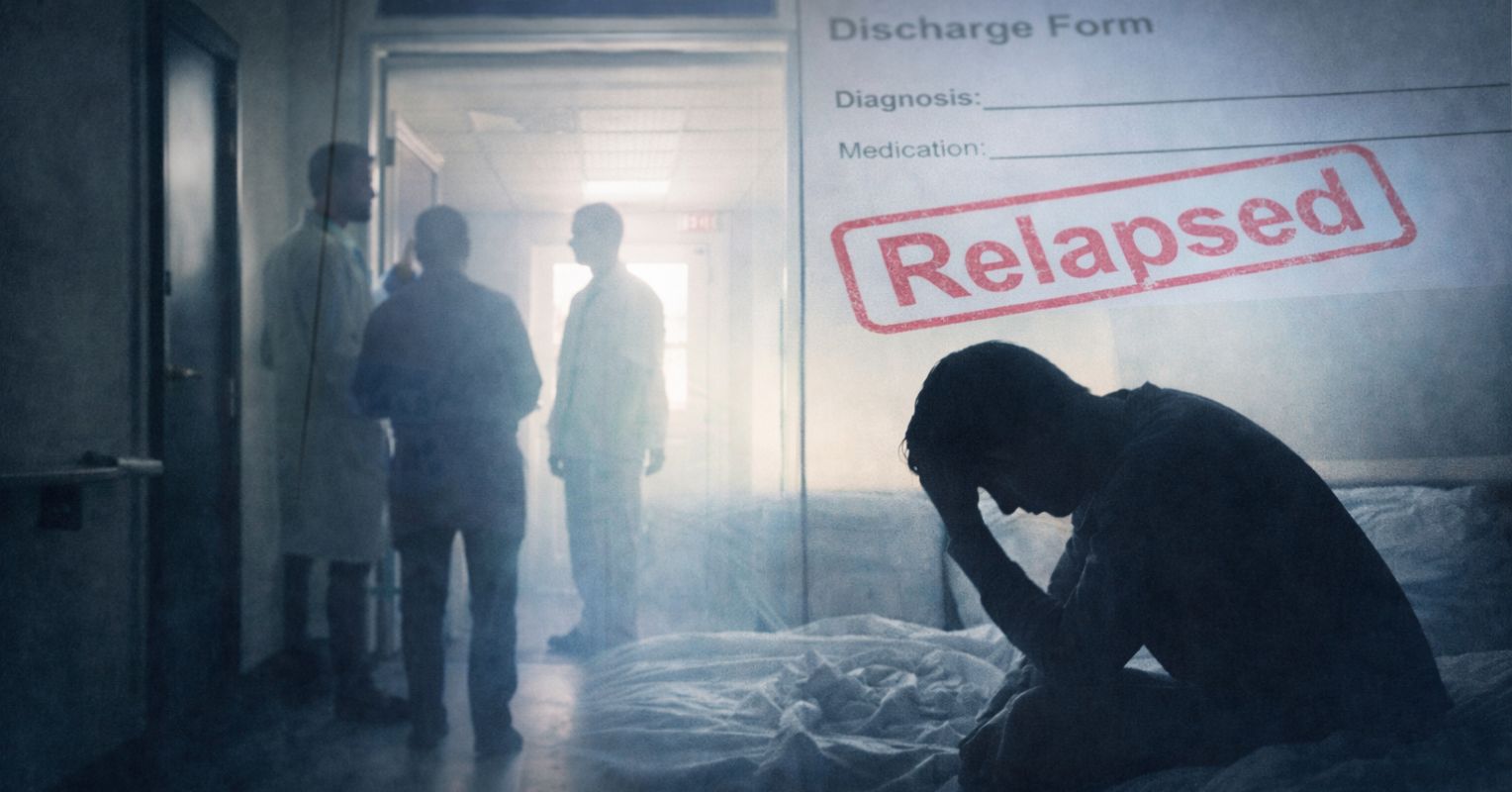
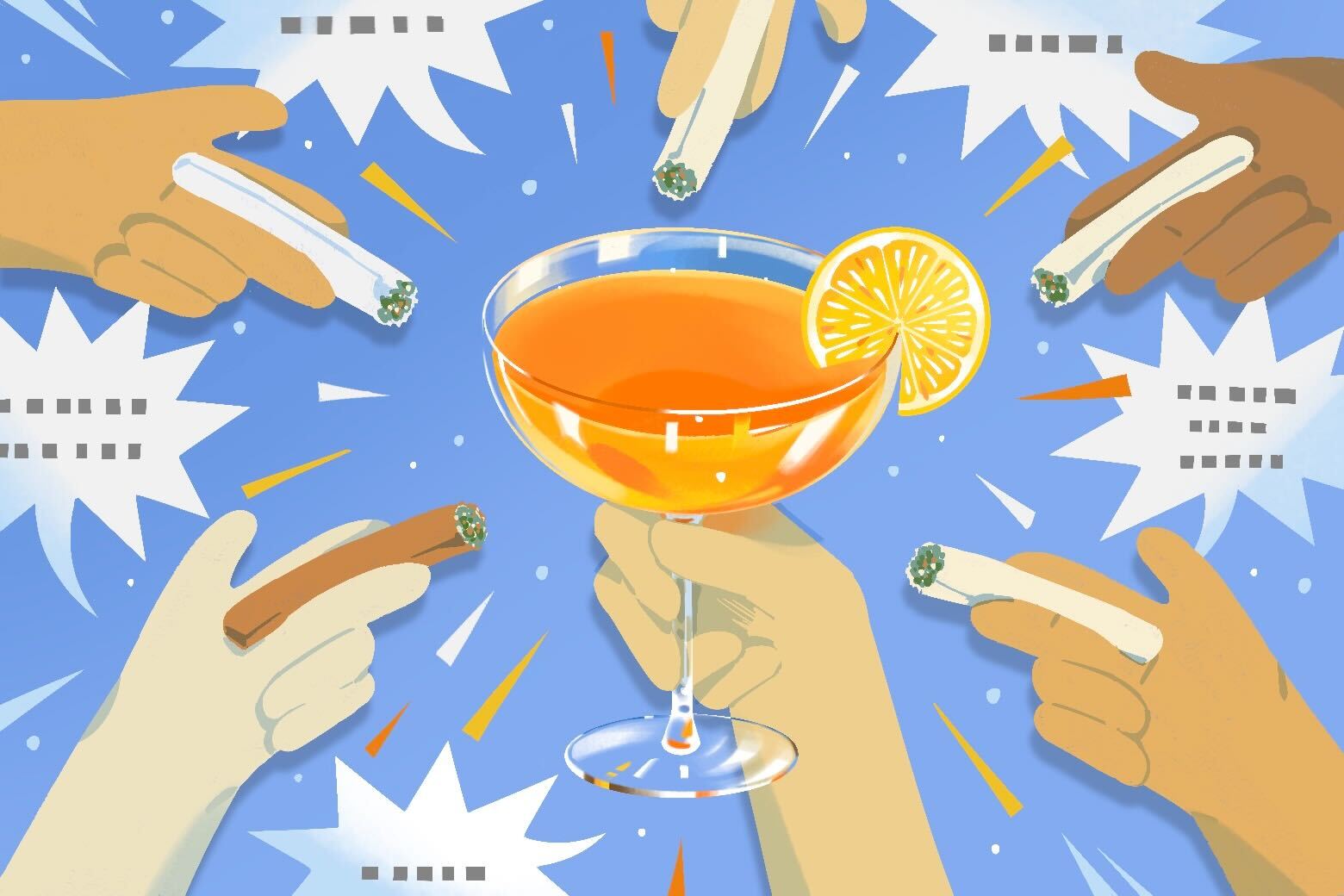
18 hours agoFrom Coping to Compulsion: Stress, Alcohol, and the Brain
Alcohol disrupts brain systems that help manage stress and decision-making, potentially leading to relapse in alcohol use disorder.
On February 1, 2026, a man associated with Ivaylo Kalushev received a message from him: 'Goodbye, friend, we are very tired and have no more strength.' The next day, police found the bodies of three middle-aged men at Kalushev's burnt lodge in western Bulgaria.
Proposition 36, a state ballot measure, enacted harsher penalties for minor theft and drug offenses, with proponents pledging the crackdown would lead to mass treatment to keep people alive, out of jail, and off our streets. Case records, however, suggest the state is largely failing to meet the central goal of getting people help and instead conducting mass arrests and incarcerating more people with addiction.
There is a unique kind of pain in losing your mind, not just once, but over and over. Losing your perception of reality, of your emotions, of your closest relationships-both across months and multiple times a day. Knowing deep down that something is wrong but being unable to stop it.
By creating one of the nation's first state health departments, lawmakers and elected officials in 1901 were taking a leadership role in public health that continues to this day. Take the issue of heart health: Just last month, Governor Hochul unveiled a budget proposal that makes major investments in our fight against cardiovascular disease. Healthy hearts start with healthy diets, which is why Governor Hochul included over $100 million for nutrition programs, food banks and food pantries in the Executive Budget.
The day I turned 16, I picked up two things - my driver's license and a $1.98 pack of Kool 100 Milds from a gas station I knew would sell to me. It was 1995, and I still remember the freedom and rebellion alive in my heart while my hair blew in the wind. From the window of her mom's LeBaron convertible, my friend and I flicked our cigarettes and seemingly our adolescent troubles with them.
The Alaska Department of Corrections does not provide comprehensive access to this life saving medication. "I'm gonna give you a little pinch," Spencer said, sliding the needle into a fold of skin on the patient's belly for the subcutaneous injection. Alaska's not an outlier. Despite the fact that those recently released from incarceration are some of the most vulnerable to dying from drug overdose, addiction experts say that many jails and prisons around the country don't provide medication treatment.
The New York City Department of Health and Mental Hygiene announced the expansion of its peer-led overdose prevention program, Relay, to a 16th location at Wyckoff Heights Medical Center. Data indicate a declining trend in overdose deaths, with 441 confirmed cases reported in the early months of 2025-the lowest since 2020. This follows a decrease from 3,056 deaths in 2023 to 2,192 in 2024, according to the City of New York.
Almost all Americans are familiar with posttraumatic stress disorder ( PTSD) and its long-term, sometimes devastating effects on people's lives-crippling anxiety, depression, disturbing flashbacks, sleep problems, irritability, concentration difficulties, and much, much more. About 70 percent of U.S. adults have experienced at least one major life trauma. The fact that so many of us experience trauma makes it easier to empathize with the 10 or so percent of people who go on to develop PTSD.
The Trump administration has reportedly slashed U.S. federal funding for mental health and addition programs, a move that experts say will exacerbate the country's already acute drug crisis. The loss could total some $2 billion in grants from the Substance Abuse and Mental Health Services Administration (SAMHSA), NPR reported, citing unnamed sources. But the extent of the cuts has not been verified. The number of grants canceled could be as high as 2,800, according to STAT.
To protect your privacy, you'll be asked to pick a code name-favourite movie characters or favourite foods are popular choices. If it's your first visit, you'll do a brief intake at the welcome desk, where staff will ask if you have any medical conditions or have had any bad drug reactions. They'll also ask which drug you're using that day, and whether you'd like the substance checked to confirm that you're consuming what you think you're consuming.