#airport-pianos
#airport-pianos
[ follow ]
#architecture #sustainable-architecture #design #public-space #interactive-installation #art #sound-art
fromdesignboom | architecture & design magazine
4 days agohow lachlan turczan reshapes matter by bending light and water in atmospheric installations
Lachlan Turczan's practice sits in the space between physics, optics, and environmental art, as he works with lasers, water, mist, and custom-built lenses to produce sculptures made entirely from light.
Berlin music
fromdesignboom | architecture & design magazine
4 days agoROOM FOR DREAMS: immersive installations, cinema and talks at milan design week 2026
ROOM FOR DREAMS becomes a living manifesto for utopian optimism, creative courage, and the power of imagination through a multilayered approach where large scale installations, cinematic storytelling, live conversations, and ritual-driven encounters converge.
Berlin
Roam Research
fromdesignboom | architecture & design magazine
4 days agoradio time machine AI audio system recreates past sounds for cognitive health in elderly care
AI-powered Radio Time Machine enhances well-being in elderly care by generating nostalgic audio content to stimulate memories and communication.
Barcelona
fromArchDaily
1 week agoSANAA, David Chipperfield Architects, and Snhetta Among Five Finalists for Barcelona's New Waterfront Cultural Venue, Liceu Mar
Barcelona selects five finalist teams for the Liceu Mar cultural venue competition at Port Vell, aiming to enhance accessibility and civic engagement.
fromArchDaily
1 week agoArchitectures of the Gaze: 25 Viewpoints for Experiencing the Landscape
Viewpoints are structures designed for observing the landscape from elevated positions. They act as devices that organize the gaze and establish a direct relationship between the body and the territory.
Philosophy
fromYanko Design - Modern Industrial Design News
5 days agoBREMEN Turns a Broom Into a Guitar and a Desk Into a Piano - Yanko Design
BREMEN is designed to change the way people interact with music by allowing everyday objects to become actual instruments, thus removing traditional barriers to music-making.
Berlin music
fromWIRED
1 week agoMeet the Man Making Music With His Brain Implant
Galen Buckwalter, a 69-year-old research psychologist and quadriplegic, participated in a brain implant study to contribute to science that aids those with paralysis. The six chips in his brain decode movement intention, allowing him to operate a computer and feel sensations in his fingers again.
Music production
Arts
fromIrish Independent
5 days ago'You have to step in and experience it' - artists on the rise of AI-generated art and the 'essential' gallery visit
Miriam Fitzgerald Juskova's exhibit combines paper quilling with mathematics, showcasing intricate art that engages viewers and emphasizes the value of handmade creations.
Design
fromdesignboom | architecture & design magazine
4 days agoreversible cultural pavilion activates public space in frankfurt 2026
Spain's pavilion for World Design Capital 2026 emphasizes reversible cultural infrastructure and sustainable design through innovative materials and construction methods.
fromArchDaily
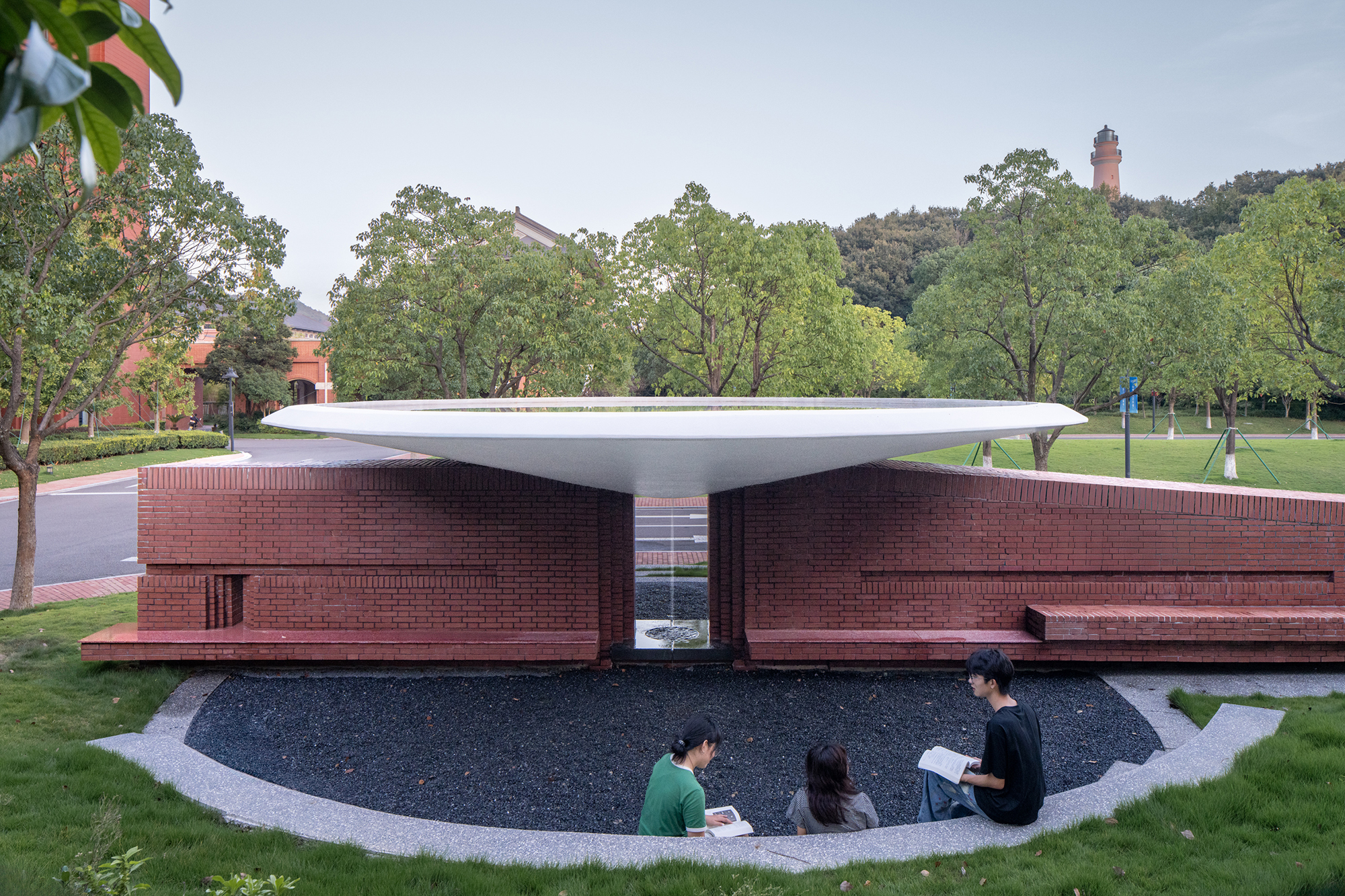
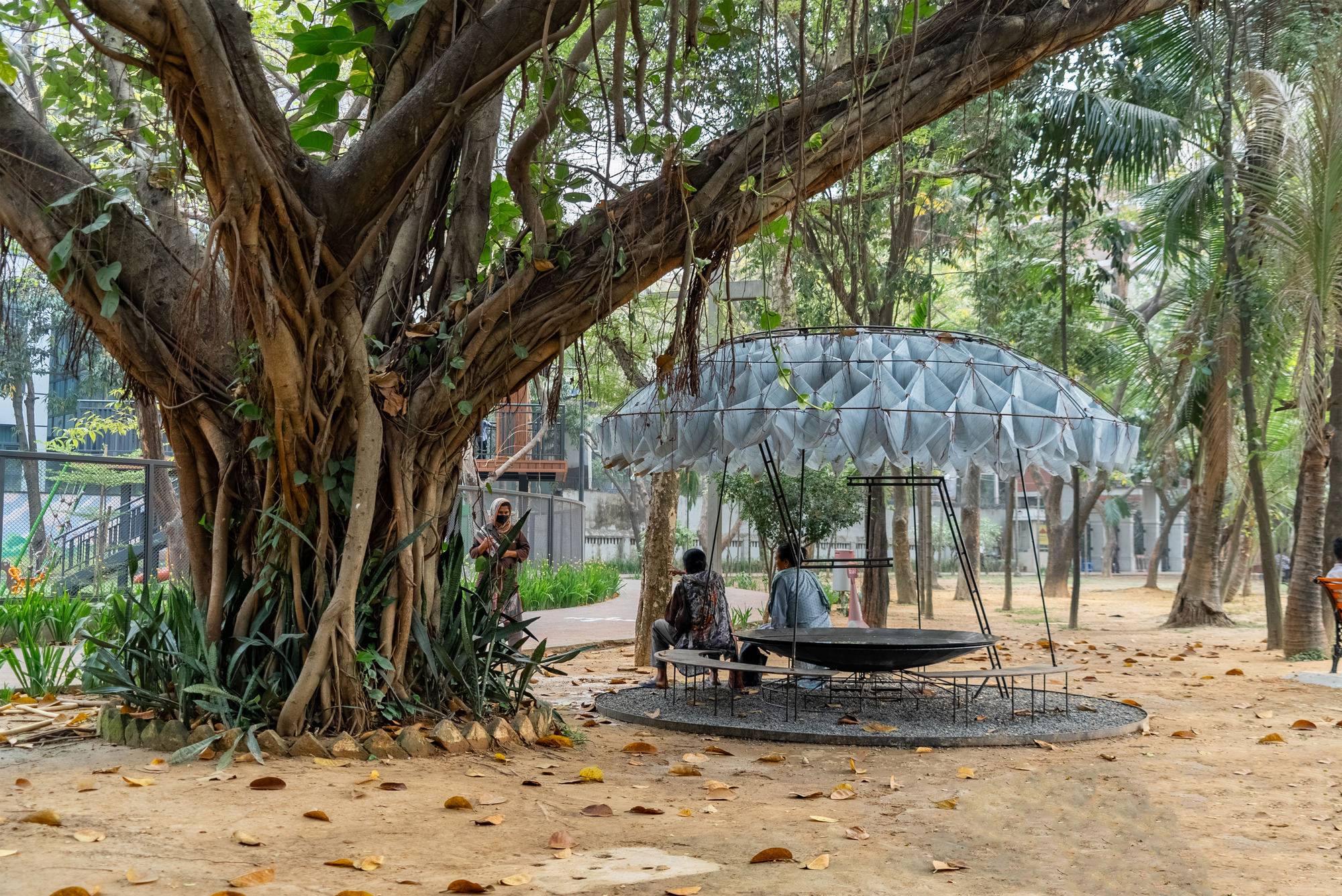
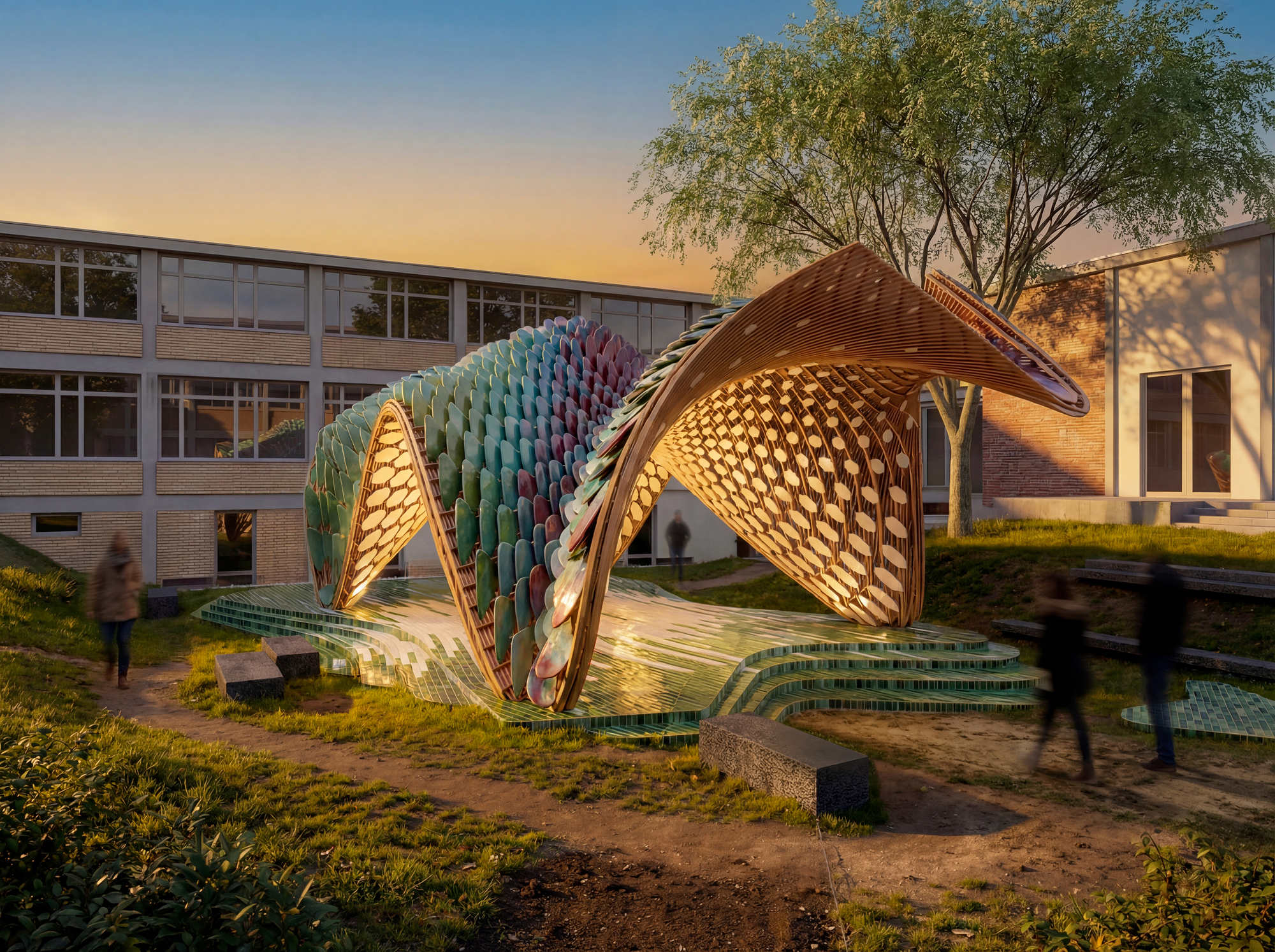
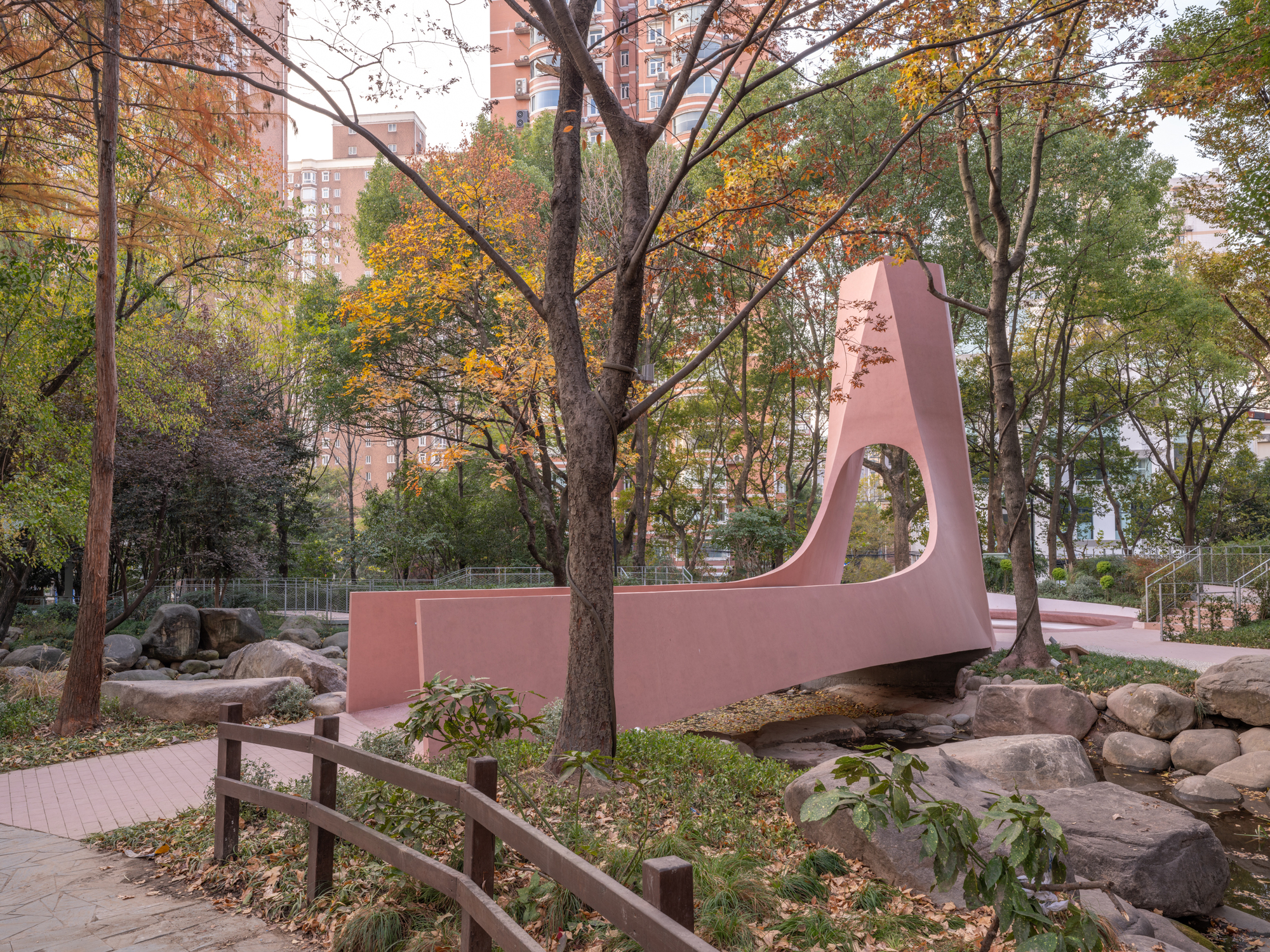
5 days agoThe Illusion of Lightness: Designing Civic Voids for Public Life
The original intent of pilotis was to create a sense of lightness that would allow circulation and light to flow beneath a structure, but contemporary requirements render thin columns insufficient for large-scale civic projects.
Renovation

E-Commerce
fromLondon Business News | Londonlovesbusiness.com
3 weeks agoHow music technology is changing the modern retail store - London Business News | Londonlovesbusiness.com
Physical retail stores are transforming into experience-driven spaces where strategic audio systems and environmental design significantly influence customer behavior and brand perception.
Berlin music
fromdesignboom | architecture & design magazine
1 week agosonar+D 2026 reveals festival lineup on post-AI reality, digital culture and alternative futures
Sónar+D 2026 focuses on technology as a tool for engagement, exploring themes of AI, physicality in digital culture, and alternative futures.
fromArchDaily
3 weeks agoDesigning the Sensory City: Architecture, Light Pollution, and Urban Noise
For most of human history, night arrived as a planetary certainty. Darkness spread across landscapes, and the sky revealed thousands of stars. Today, that sky is disappearing. Artificial light spills upward from cities, scattering through the atmosphere and turning night into a permanent haze. Research mapping global sky brightness shows that more than 80 percent of humanity now lives under light-polluted skies, and the Milky Way has vanished from view for over a third of the world's population.
Environment
London music
fromTime Out London
1 month agoOne of London's greatest art institutions will be transformed by a vast immersive exhibition this summer
The Barbican Centre hosts 'In Other Worlds,' a major immersive film and art exhibition exploring imagined and real futures through science fiction, dystopia, climate change, and science, curated by BAFTA-nominated filmmaker Liam Young.
fromArchDaily
1 month agoArchiving the Technosphere: How Museum Architecture Mediates Human-Made Systems
The contemporary technology museum has emerged as a performative participant in the systems it seeks to document. The architecture of these institutions has become increasingly fluid and bold, often mirroring the velocity and complexity of the systems it houses. They operate as mediators between the human, the ecological, and the technological realms, transforming from encyclopedic warehouses into active educational engines.
Science
Berlin music
fromdesignboom | architecture & design magazine
2 weeks agohow yuri suzuki builds social architecture through sound sculptures and playful interaction
Yuri Suzuki uses sound sculptures and horns as social connectors that build collective experiences and community through shared listening and interactive participation in public spaces.
Design
fromdesignboom | architecture & design magazine
6 days agoartwork uses floating fabric corridor and bodily movement to visualize climate change
Ryo Yamada's Perception Corridor is an immersive installation in Edinburgh that explores perception and environmental awareness through a 40-meter fabric corridor.
fromdesignboom | architecture & design magazine
2 weeks ago400-foot installation turns climate pledge arena into a living environmental interface
Inside Climate Pledge Arena, a large-scale media installation titled Turn the Tide transforms two interior walls into an architectural interface combining environmental imagery, and . Designed by Digital Kitchen within the arena by , the installation spans nearly 400 feet across the building's east and west walls. The intervention is integrated into the spatial environment of the arena, which is recognized as the world's first net-zero carbon certified arena.
Renovation
Music production
from48 hills
1 month agoThe Audium thrums with Pamela Z's factory-sampling 'Arbeitsklang' - 48 hills
Composer Pamela Z creates immersive sound installation Arbeitsklang by recording industrial worksites across Germany and layering the sounds with her voice and live-MIDI manipulations in a 176-speaker theater.
fromHyperallergic
1 month agoOlafur Eliasson: A symphony of disappearing sounds for the Great Salt Lake
The electronic musical composition draws on field recordings of local wildlife and environmental phenomena, sourced from archival materials along with new recordings made specifically for the installation. By transporting the sounds of the lake's ecosystem into an urban park setting, Eliasson foregrounds the fragile interdependence between human and more-than-human life, rendering audible what is increasingly at risk of vanishing.
Arts
fromBusiness Matters
2 weeks ago6 Business Use Cases For Perforated Metal
Perforated metal has long been valued for its strength, versatility, and clean visual appeal. Created by punching patterns of holes into metal sheets, it offers a practical balance between airflow, light control, and structural support. Across industries such as architecture, construction, mining, and interior design, perforated metal has become a go-to material for projects that require both function and style.
Design
Design
fromdesignboom | architecture & design magazine
2 weeks agowater run interactive installation maps water cycles through tactile play and movement
The Water Run is an interactive installation using moving balls through a rotating track system to represent water circulation across natural, historical, and urban environments.
Arts
fromdesignboom | architecture & design magazine
1 month agothree suspended digital screens translate AI imagery into luminous spatial installation
UNFOLD PLANE's spatial installation translates artificial intelligence concepts into an integrated architectural environment using suspended screens, dynamic lighting, and reflective surfaces that respond to visitor movement.
fromArchDaily
4 weeks agoProject E Apartment / longwave studio
By utilizing this dual-entry condition, the design reorganizes the vertical circulation, placing the primary entrance on the upper level and redefining the ritual of returning home while transforming storage into an architectural façade.
Renovation
fromdesignboom | architecture & design magazine
2 weeks agoopen-air museum revives an industrial past through reclaimed materials and sound
The design by 1Y Architects approaches this silence as material rather than absence. Instead of clearing the debris scattered across the site, the team gathered bricks, concrete fragments, and broken tiles from former factory buildings. These remnants form the structural fabric of the sound museum itself.
Design
fromArchDaily
3 weeks agoFloating Pavilion / Studio RE+N
A slender white form hovers above the fields on minimal supports, as if a thin wing had just been lifted by the wind. "Floating" describes both a structural condition - a thin roof suspended above the ground - and a quality of time in this place, where mist drifts, light shifts, and one pauses briefly on the mountain, as in a fleeting moment of respite.
Design
Remodel
fromYanko Design - Modern Industrial Design News
2 months agoThis Airport Lounge Turned Mondrian's Boogie-Woogie into Wood Islands - Yanko Design
Mondrian-inspired orthogonal wooden seating turns an airport lounge into connected islands that prioritize comfort, variety, integrated power, and calming warmth over standard rows.
Music
fromKALTBLUT Magazine
2 months agoChoosing the Artificial Over the Real in Dash Hammerstein's "Noise Machine" - KALTBLUT Magazine
Dash Hammerstein blends Americana songwriting and filmmaking to create intimate, melody-driven songs and film scores that mix folk-pop sensibility with subtle production flourishes.
fromdesignboom | architecture & design magazine
1 month agoglass loudspeaker draws from uk grime music scene and brutalist architecture
The Eski.Sub draws inspiration from the visual language of Brutalist architecture and the cultural atmosphere of UK grime music scene. The project examines the relationship between design, urban context, and emotional listening experiences, positioning the loudspeaker as both an audio device and a spatial object.
Design
fromwww.theguardian.com
2 months agoSchools, airports, high-rise towers: architects urged to get bamboo-ready'
For many years, bamboo has been mostly known as the favourite food of giant pandas, but a group of engineers say it's time we took it seriously as a building material, too. This week the Institution of Structural Engineers called for architects to be bamboo-ready as they published a manual for designing permanent buildings made of the material, in an effort to encourage low-carbon construction and position bamboo as a proper alternative to steel and concrete.
Environment
fromwww.archdaily.com
1 month agoUnscripted Pavilion / Abin Design Studio
Mumbai is a city of simultaneities. Its urban fabric is dense and restless a patchwork continually fractured by moments of porosity. Narrow alleys suddenly unfold into courtyards, and fleeting intimacies emerge between strangers in crowded trains. Rhythms of chaos and solitude overlap seamlessly to create an everyday theatre of resilience.
Design
fromTime Out London
2 months agoThe City of London is getting a brand-new light and sound festival this month
But at the end of this month, there's a brand new festival arriving to inject some colour into the financial district. 'Vibrance' will light up Roman ruins, medieval churches and secret gardens across the Square Mile on Thursday January 29 and Friday January 30 from 5.30pm until 8.30pm. Created by Guildhall Production Studio, it brings together more than a dozen artworks and live performances by emerging artists from Guildhall School of Music & Drama.
Arts
fromdesignyoutrust.com
2 months agoArtist Reshapes Walls And Spaces With Explosive Typographic Murals That Turn Buildings Into Giant, 3D Messages
Beautiful And Detailed Paintings In Resin By Feif Dong The Illustrator Has Created a Dreamy World that She Travels Through with Her Boyfriend Elspeth McLean Creates Beautiful Hand-Painted Stones This Artist Creates Beautifully Bizarre Backpacks That Look Like Octopus, Spiders, And Beetles Amazing Surreal And Tribal Backpacks By Konstantin Kofta Saddened By The Empty Streets Of Budapest During Lockdown, This Artist Filled The City With People From Classical Paintings UK Artist Unveils COVID-19 Glass Sculpture, One Million Times The Size Of The Virus
Arts
fromColossal
2 months agoLuftwerk Transforms Paint and Aluminum into Radiant Explorations of Sunlight
Topped with a roof shaped like a crabshell, Le Corbusier's Chapelle Notre-Dame-du-Haut is a sanctuary amid the French mountainside. The 1955 construction rests atop a hill in Ronchamp, standing unobstructed by the otherwise forested inclines. As the sun rises and falls, light filters in through the mélange of rectangular windows tinted to cast streams of color around the space. The stained glass apertures of Le Corbusier's modernist chapel are a clear reference point for Luftwerk's "Open Frame."
Arts
fromThe Art Newspaper - International art news and events
2 months agoFrom shopping malls to housing estates, Singapore Biennale integrates art into the city's urban fabric
"The idea is that intention is not the whole story," says Selene Yap, a co-curator of the Biennale. "Systems can generate a certain kind of afterlife, and there are side effects." While the waterfall impresses, it also has consequences, she adds. The work uncovers how Singapore imports hydropower through transnational infrastructure, including the Vajiralongkorn Dam, whose construction has displaced Thailand's indigenous Karen hill tribe, forcing many to live in floating homes on the reservoir.
Arts
Design
fromdesignboom | architecture & design magazine
2 months agowind activates pavilion's permeable wooden grid producing layered soundscapes
A lightweight, permeable wooden pavilion in Marche activates wind-driven acoustic effects and changing light patterns while minimizing site impact and weathering naturally.
fromArchDaily
2 months agoLeisure Architecture: 13 Projects Shaping Togetherness Across Generations
Leisure spaces are often where different generations cross paths. Without formal programs or assigned roles, they allow people to move, pause, and remain together, each engaging space in their own way. In a built environment increasingly shaped by specialization and separation, these shared spatial grounds have become less common, giving leisure-oriented architecture a renewed relevance. Discussions around public space have repeatedly pointed to the value of openness and flexibility in supporting collective life.
Design
fromYanko Design - Modern Industrial Design News
2 months agoObservation Pavilion Sends a Camera Up While You Stay on the Ground - Yanko Design
Climbing an observation tower involves a lot of steel and concrete just to stand a few dozen meters higher and take in a view. The ritual is familiar, the ascent, the vertigo, the panorama, but the infrastructure demands are massive for what amounts to a few minutes of elevated looking. Michael Jantzen's Telepresence Observation Pavilion asks whether we always need to build big vertical structures to get that feeling, especially when most distant experiences already come through screens and networks.
Design
[ Load more ]