#arctic-ecology
#arctic-ecology
[ follow ]
#greenland #climate-change #geopolitics #arctic-security #arctic-warming #us-denmark-relations #nato

Canada news
fromwww.theguardian.com
2 weeks agoCanada wants to build up its long-neglected Arctic. The hard question is how
Canada is investing in Arctic infrastructure including roads and ports to develop mining potential, strengthen sovereignty, and counter Trump administration pressures through a nation-building initiative.
fromwww.theguardian.com
2 weeks agoThe world's memory': why Nigeria is burying its history under a mountain in Svalbard
The Arctic World Archive (AWA) is a data storage unit where organisations and individuals can deposit records kept on specialist digitised film called Piql that lasts up to 2,000 years. On 27 February, Nigeria became the first African country to place archives at the facility 300 metres beneath a mountain where the cold, dark, dry conditions are perfect for preservation.
Arts
fromMail Online
4 days agoBritain has just 20 years to save its wildlife, experts warn
'Our results show that the next 20 years are critical,' lead author Dr Rob Cooke told the Daily Mail. 'By around 2050, we reach a point where the choices we make on emissions and land use will largely determine whether Britain moves towards a much more degraded or a much more nature‑positive future.'
Environment
fromThe Walrus
3 weeks agoChurchill's Famous Polar Bears Left to Eat Trash | The Walrus
In April 2024, Churchill's waste management facility-an old military building known as L5-burned to the ground. Spontaneous combustion in the gaseous garbage pile was the likely cause. The warehouse had been capable of storing up to three years' worth of the town's garbage at a time. Overnight, the town's 900 or so residents were left with nothing.
Canada news
Travel
fromConde Nast Traveler
3 weeks agoIn Greenland's Remote Fjords and Tiny Settlements, a New Sense of Connection
Greenland's new airport and developing tourism infrastructure make Arctic exploration increasingly accessible, offering unique cultural experiences with Indigenous and settler communities unavailable in Antarctica.
OMG science
fromHigh Country News
3 weeks agoHow federal cuts are reshaping Alaska's communities, research and species management - High Country News
Two USGS research biologists with 50+ years combined experience resigned in April 2025 due to the Trump administration's assault on federal science and hostile conditions at federal agencies.
Chicago Bears
fromHigh Country News
1 month agoCan Alaska save caribou by killing bears? - High Country News
Alaska's Mulchatna caribou herd has collapsed from 200,000 animals in the 1990s to 12,000 in 2022, devastating Indigenous subsistence hunting and prompting controversial wildlife management interventions including hunting bans and aerial predator culling.
Environment
fromState of the Planet
3 weeks agoAntarctica Undergoes 'Greenlandification' As Ice Melt Accelerates
Antarctica's ice sheet is undergoing rapid destabilization similar to Greenland's, with accelerating surface melt, ice shelf collapse, and grounding line retreat driven by oceanic and atmospheric warming.
fromThe Atlantic
1 month agoThe Blind Spot at the Top of the World
He had flown in from Mar-a-Lago and, he told me, was there to observe. The next day, he watched as Åsa Rennermalm, a Rutgers University professor who studies polar regions, sat onstage with European foreign ministers and spoke out against cuts to U.S. science funding. "A leading US Arctic scientist is on stage absolutely ripping her country to the delight of the audience," Dans wrote on X. "Embarassing." He punctuated his post with an American-flag emoji.
US politics
fromArs Technica
1 month agoScientists hunting mammoth fossils found whales 400 km inland
At first glance, it looked like Wooller and his colleagues might have found evidence that mammoths lived in central Alaska just 2,000 years ago. But ancient DNA revealed that two "mammoth" bones actually belonged to a North Pacific right whale and a minke whale-which raised a whole new set of questions. The team's hunt for Alaska's last mammoth had turned into an epic case of mistaken identity, starring two whale species and a mid-century fossil hunter.
Science



fromwww.scientificamerican.com
1 month agoAncient seafarers helped shape Arctic ecosystems
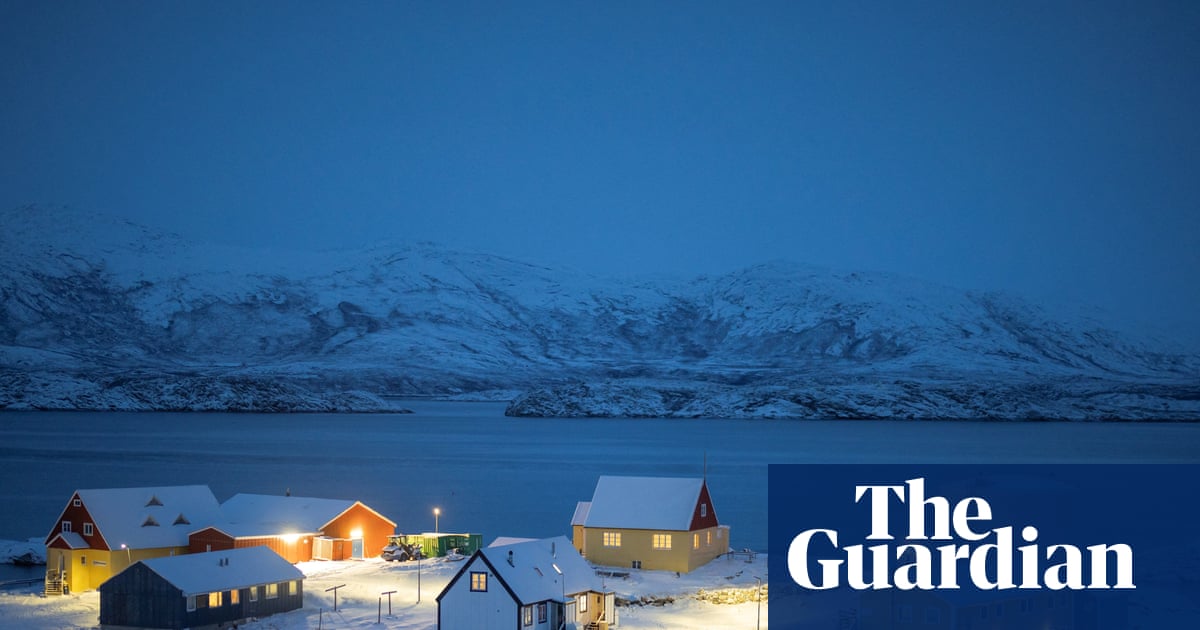
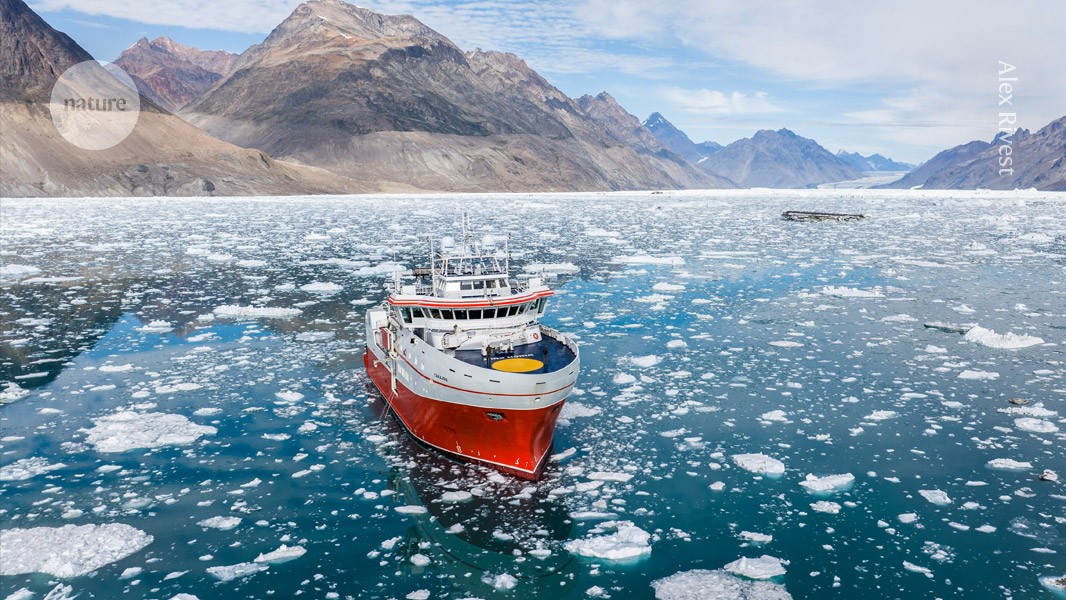
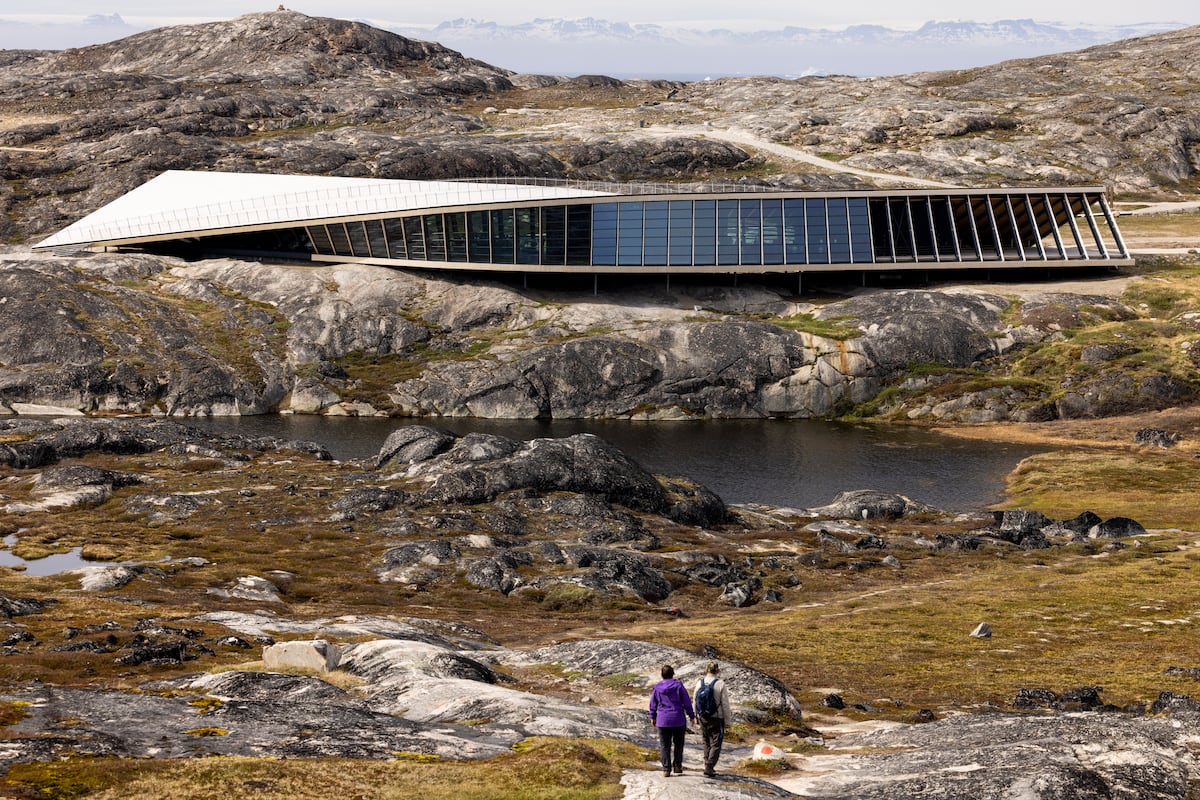
In the pristine High Arctic sits the Kitsissut island cluster, also known as the Carey Islands, nestled between northwest Greenland and northeast Canada. The surrounding seas are perilous, and traveling there is difficult even with modern boats. But new archaeological evidence suggests ancient humans managed to sail to the islands, too. Early settlers lived on the islands between 4,500 and 2,700 years ago.
Science

fromwww.dw.com
2 months agoFrom Inuit to Vikings to Trump: The history of Greenland
Early migration and Erik the Red The first humans settled in Greenland around 4,500 years ago. They came from the North American continent. In the 12th century, they were gradually displaced by Asian immigrants, the Thule people, who arrived on the island from Siberia via the Bering Strait. Their descendants are the Inuit, from whom most of the 56,000 Greenlanders today are descended.
History
Canada news
fromArchitectural Digest
1 month agoIn Greenland, Design Meets Glaciers, Gravesites, and a Galactic Ocean
Modern expedition cruising makes remote Arctic sites like Beechey Island and Franklin’s wrecks accessible, blending comfortable travel with encounters of historical tragedy and extreme conditions.
fromwww.aljazeera.com
2 months agoWho owns the Arctic?
Global warming is thawing the Arctic and igniting a high-stakes race for the riches beneath its ice. Global warming is heating up the Arctic, and global powers like the United States, Russia and China are manoeuvring to stake a claim to the resources under its melting ice. Some experts say the region, once known as an exception an island of international cooperation in the midst of geopolitical struggles is becoming the site of a second cold war.
World news
fromSnowBrains
1 month agoAlaska, A Place Known for Massive Snow Totals, Records Snowiest January in Recorded History - SnowBrains
Recently, Anchorage, Alaska's largest city with nearly 400,000 residents, has just recorded its snowiest January on record. Tucked in between the mighty Cook Inlet and pushed right up against the Chugach Mountains, Anchorage sits in prime location for some serious snow totals. Moisture from pacific storms builds up over the inlet, and thanks to orographic lift caused by the mountains, forces that moisture to drop over Anchorage. Thanks to Alaska's northernly location, that moisture often falls in the form of snow.
Snowboarding
fromwww.dw.com
2 months agoArctic scientists 'feel pretty uncomfortable' on Greenland
Decades of successful scientific collaboration could be at risk if Europe-US political relations continue to fray over trade and defense issues. For more than 30 years, Arctic nations have worked together across the physical, biological and social sciences to understand one of the world's fastest changing regions. Since the late 1970s, the Arctic has lost around 33,000 square miles of sea ice each year roughly the same area as Czechia.
Science

fromwww.dw.com
2 months ago'Hands off Greenland' protests to draw thousands
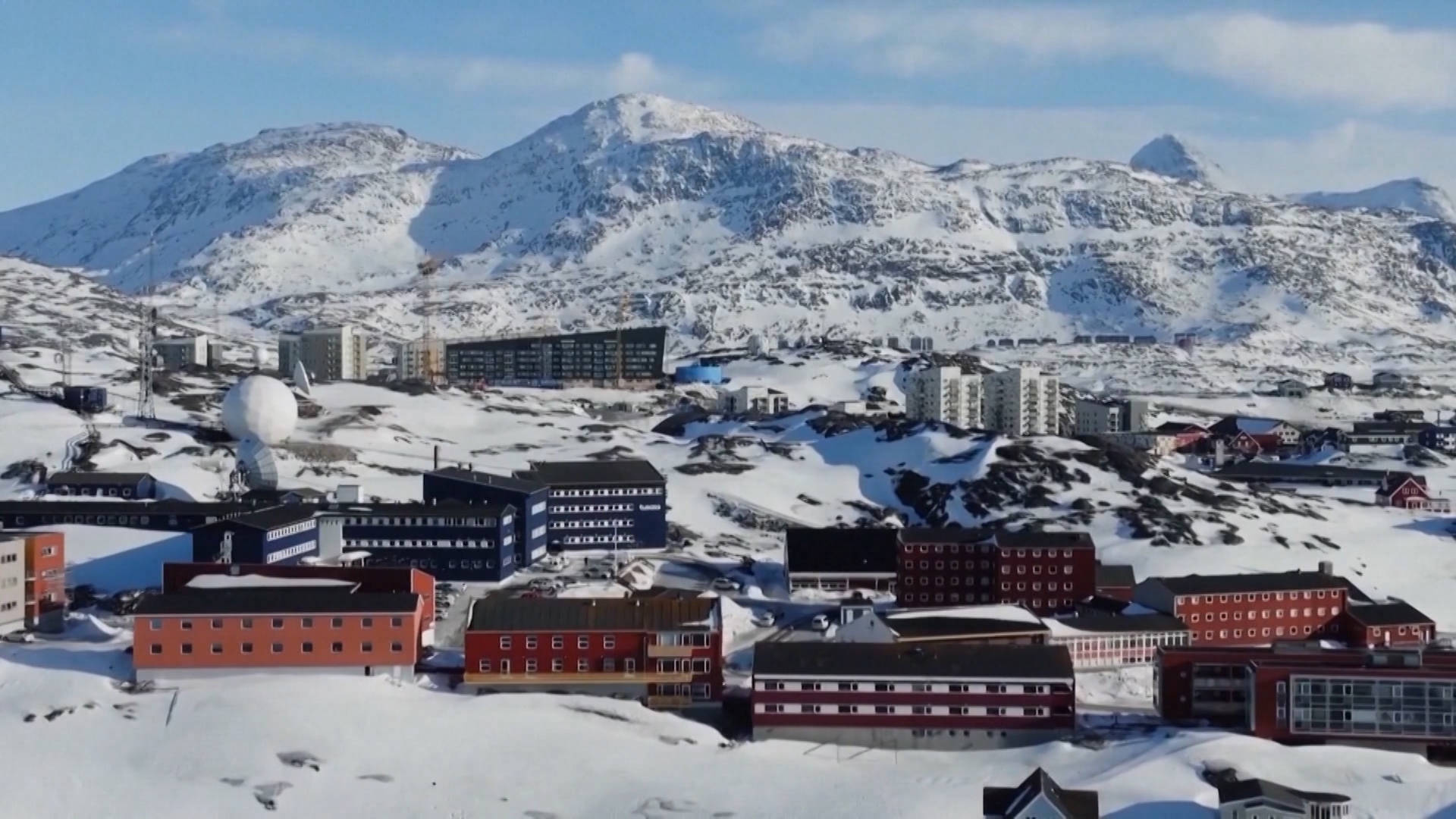
Protests are also planned in the Danish cities of Aarhus, Aalborg, and Odense. The demonstration in Greenland's capital, Nuuk, is scheduled to begin at 4:00 pm (1500 GMT), according to the organizers, who say it is "against the United States' illegal plans to take control of Greenland." Demonstrators are set to march to the US consulate carrying Greenlandic flags. At least 900 people in Greenland said on its Facebook page that they planned to participate in the event.
Miscellaneous
fromwww.scientificamerican.com
2 months agoSvalbard's polar bears are showing remarkable resilience to climate change
Polar bears are the poster children of climate changeand for good reason. These giant bears hunt, mate and spend their days hanging out on Arctic sea ice, which is rapidly disappearing as the climate warms. But some polar bears, it seems, are far more resilient than we realized: new research suggests that in one region, the bears are adapting to the declining sea ice.
Environment
Science
fromwww.theguardian.com
2 months agoBlind, slow and 500 years old or are they? How scientists are unravelling the secrets of Greenland sharks
Greenland sharks are not blind, overturning prior assumptions and revealing major gaps in understanding of their biology, aging, behavior, and climate vulnerability.
fromState of the Planet
2 months agoSea Levels Are Rising-But in Greenland, They Will Fall
That seemingly paradoxical dynamic results from several factors. Foremost among them is the rebound of land beneath the Greenland Ice Sheet, a mile-thick body of glacial ice that covers 80 percent of the island and is being lost to melting at a rate of roughly 200 billion tons each year. As the ice sheet loses mass, the land beneath rises.
Science
fromwww.theguardian.com
2 months agoWe cannot say for sure these wolves come from Russia': Finns try to fathom cause of record reindeer deaths
Juha Kujala no longer knows how many reindeer will return to his farm from the forest each December. The 54-year-old herder releases his animals into the wilderness on the 830-mile Finnish-Russian border each spring to grow fat on lichens, grass and mushrooms, just as his ancestors have done for generations. But since 2022, grisly discoveries of reindeer skeletons on the forest floor have disrupted this ancient way of life.
Miscellaneous

fromInsideHook
2 months agoA Growing Number of Travelers Are Visiting Greenland
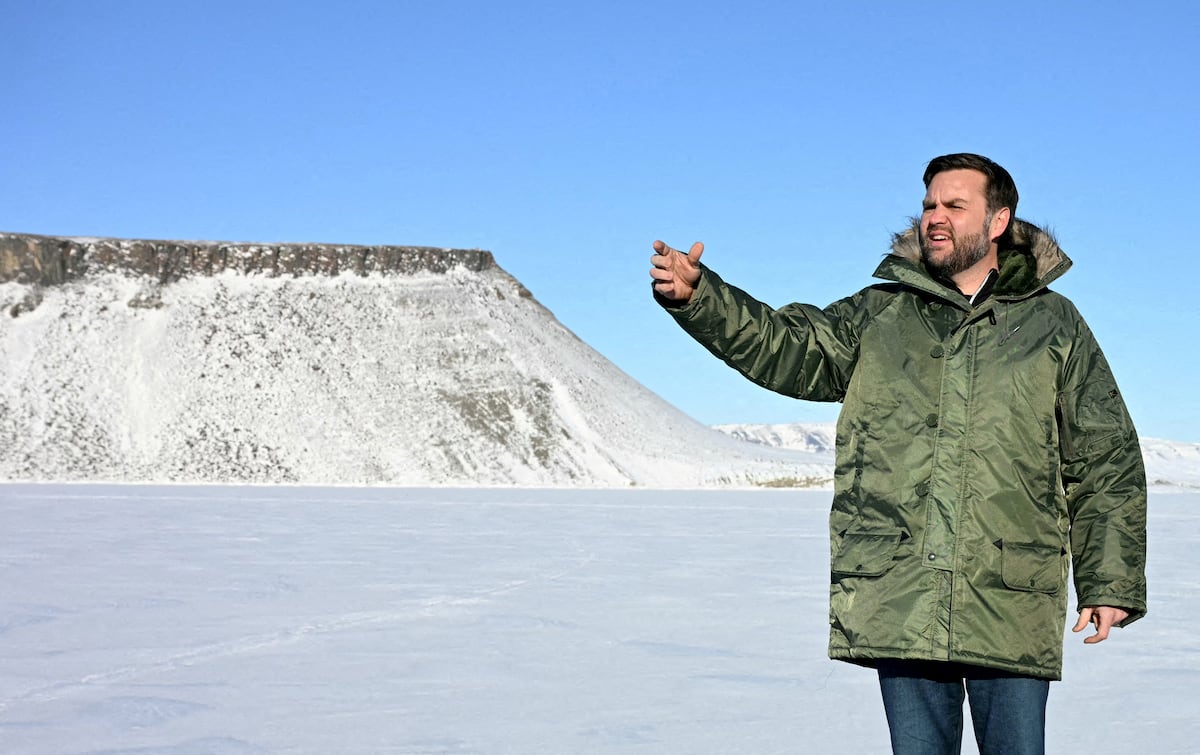
When a city or country is in the spotlight, it's logical to expect an uptick of interest in visiting there. Each of the locations where a season of The White Lotus was filmed has seen a corresponding increase in tourism, for instance. Being the subject of news headlines and heated negotiations isn't quite the same thing as being the setting for a prestige TV series, but recent data suggests that Greenland is also seeing more international visitors than usual.
Miscellaneous
fromwww.nytimes.com
2 months agoVideo: The Sounds of Antarctica? Flying in the Cold? Your Questions, Answered
So, believe it or not, the cold air that we get down here actually tends to help the performance of the helicopter. DAN: The low pressure systems we have here, particularly in this, weather we've been having, tends to create the opposite effect by decreasing the pressure. Low pressure systems, thinner air. DAN: And that cooler air makes the pressure higher again.
Environment
Environment
fromwww.mercurynews.com
2 months agoMeteorologists blame a stretched polar vortex, moisture, lack of sea ice for dangerous winter blast
Warm Arctic waters and cold land are elongating the polar vortex, bringing subzero temperatures, heavy snow, and crippling ice across much of the United States.
fromFuturism
2 months agoScientists Scramble to Set Up Outpost on Rapidly Melting Glacier
During a rare break in the weather, the NYT says helicopters airlifted the researchers and their equipment 19 miles to their planned outpost site on top of the glacier. The two helicopters involved flew a dozen total loads of cargo from the icebreaker ship to the camp site, while glacial scientists and engineers erected a small tent city, complete with bathrooms, generators, and a mess hall.
Environment
[ Load more ]