#banknote-imagery
#banknote-imagery
[ follow ]
#us-dollar #inflation #treasury-yields #monetary-policy #interest-rates #geopolitical-risk #federal-reserve
#us-dollar


US Elections
fromLondon Business News | Londonlovesbusiness.com
3 days agoUS dollar rose amid a rebound in geopolitical concerns - London Business News | Londonlovesbusiness.com
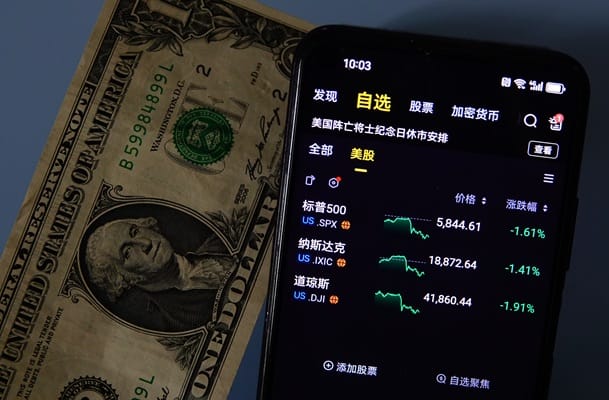
The US dollar strengthened due to geopolitical fears and better-than-expected economic data, while uncertainty keeps market volatility high.
fromLondon Business News | Londonlovesbusiness.com
5 days agoUS dollar stable near recent highs - London Business News | Londonlovesbusiness.com
Escalating geopolitical risk continued to dominate global markets' concerns, with safe-haven demand keeping the dollar index anchored near a multi-week high.
World politics
fromwww.dw.com
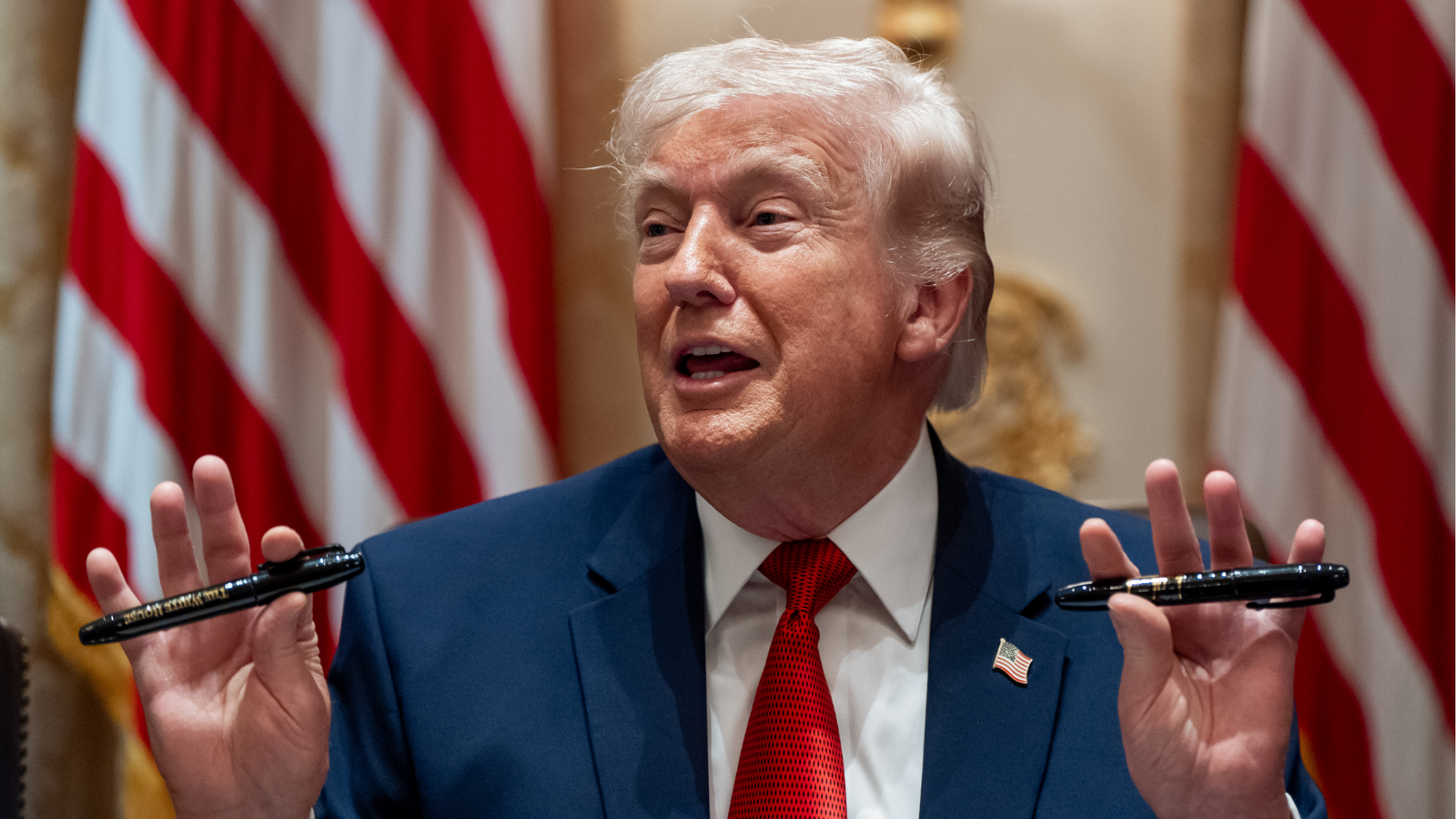
1 week agoIn a first, Trump signature to appear on all US dollar bills
"Under President Trump's leadership, we are on a path toward unprecedented economic growth, lasting dollar dominance, and fiscal strength and stability," Treasury Secretary Scott Bessent said in a statement announcing the decision.
Washington DC
World politics
fromLondon Business News | Londonlovesbusiness.com
6 days agoUS dollar stable after successive gains - London Business News | Londonlovesbusiness.com
Escalating Middle East tensions are influencing market sentiment, keeping the dollar stable and impacting US Treasury yields amid inflation concerns.
Business
fromSilicon Canals
1 week agoGold crossed $5,300 the same week three central banks quietly dumped $47B in US Treasuries. That's not coincidence - it's coordination - Silicon Canals
Gold's price surge is driven by strategic positioning of central banks, not just fear, as they reduce US Treasury holdings amid geopolitical tensions.
UK news
fromLondon Business News | Londonlovesbusiness.com
2 weeks agoBank of England holds base rate amid Middle East war - London Business News | Londonlovesbusiness.com
The Bank of England held the base interest rate at 3.75% due to Middle East conflict uncertainty and rising energy prices threatening inflation expectations.
fromwww.theguardian.com
2 weeks agoWhat's worth more: Churchill or a woke badger? Welcome to Britain's banknote culture war | Jonn Elledge
A consultation last July found that 60% of the 44,000 responses backed the idea of taking nature as the theme, just in front of architecture and landmarks on 56%, and way ahead of historic figures at a measly 38%. Whether the public would have been quite so keen if they'd known upfront that household pets would be explicitly excluded from possible designs, I'm not so sure.
UK politics

UK news
fromLondon Business News | Londonlovesbusiness.com
2 weeks agoBoE warns inflation will soar due to the escalating Middle East crisis - London Business News | Londonlovesbusiness.com
The Bank of England raised its CPI inflation forecast to 3.5% for Q3 2026, attributing the increase to Middle East conflict causing energy market shocks, and maintained interest rates at 3.75% while signaling unlikely rate cuts in 2026.
Europe news
fromLondon Business News | Londonlovesbusiness.com
2 weeks agoPound sterling edges lower as markets eye central bank meetings - London Business News | Londonlovesbusiness.com
Sterling weakened against the dollar while remaining stable against the euro, with central banks expected to maintain interest rates amid concerns over oil price shocks and persistent inflation.
fromLondon Business News | Londonlovesbusiness.com
1 week agoPound slides as markets brace for interest rate hikes amid Iran war - London Business News | Londonlovesbusiness.com
Sterling fell by 0.5% against the dollar, dropping below $1.33, as the US currency strengthened due to a flight to safety. The dollar index increased by 0.3%.
World news
Cryptocurrency
fromLondon Business News | Londonlovesbusiness.com
2 weeks agoBitcoin rally exhibits signs of fragility and could be reversed by the Fed - London Business News | Londonlovesbusiness.com
Bitcoin trades sideways at $74K facing rejection at $76K, with geopolitical tensions and higher interest rates reducing Federal Reserve rate-cut expectations to 46.1% before September.
History
fromFortune
3 weeks agoThe U.S. Mint just dropped the olive branch from the dime. What does that mean for the country? | Fortune
The U.S. Mint's 250th anniversary dime redesign omits the olive branch from the Great Seal, removing a founding symbol of peace preference that balanced the arrows of war.
fromBusiness Matters
3 weeks agoChurchill to be replaced by wildlife on future Bank of England banknotes
The key driver for introducing a new banknote series is always to increase counterfeit resilience. But it also provides an opportunity to celebrate different aspects of the UK. Nature is a great choice from a banknote authentication perspective and means we can showcase the UK's rich and varied wildlife.
UK politics
fromFortune
2 weeks ago300 years of wars show they are 'always disaster times' for holders of government debt because of inflation and financial repression | Fortune
"The historical evidence reveals a striking pattern: government bonds have repeatedly generated substantial real losses during these extreme episodes. They have even underperformed equities and real estates which are traditionally regarded as risky assets."
World politics
fromIrish Independent
1 month agoCentral Bank paid out 1.2m for old Irish money in the last two years
We know that people find old Irish banknotes and coins all the time, so the exchange of old money is an important service we provide to the public. We have a standard procedure in place to assist people, and we also have increased checks for exchanges above €750 to ensure source of funds and proof of ownership.
Miscellaneous
#bank-of-england

fromLondon Business News | Londonlovesbusiness.com
1 month agoMiscellaneous
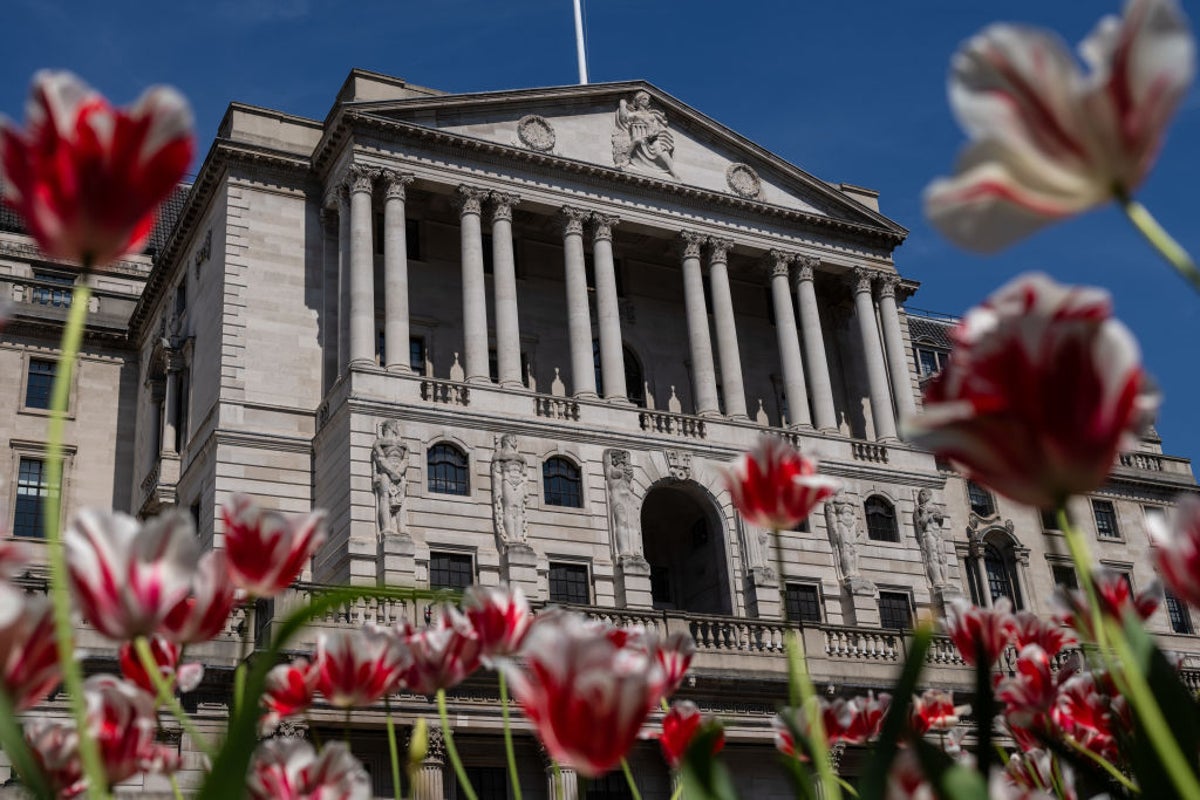
Bank of England presses pause to assess flickering growth and inflation - London Business News | Londonlovesbusiness.com
Bank of England held rates at 3.75% (5–4), delaying cuts amid stubborn inflation, tentative growth, labour weakness, and uncertain global risks.
.jpeg?width=1200&height=800&crop=1200:800)
US news
fromwww.independent.co.uk
4 weeks agoAre interest rates set to go up? How the Middle East conflict could hit your finances
Middle East conflict threatens UK financial stability through rising energy prices, potentially triggering inflation increases and Bank of England interest rate hikes that affect mortgages and savings.
Cryptocurrency
fromLondon Business News | Londonlovesbusiness.com
3 weeks agoBitcoin prices amid geopolitical developments - London Business News | Londonlovesbusiness.com
Bitcoin demonstrates resilience during geopolitical tensions, gaining 2% while traditional markets decline, signaling its evolution toward an independent financial asset distinct from traditional market cycles.
UK news
fromLondon Business News | Londonlovesbusiness.com
2 weeks agoPound remains steady ahead of Bank of England decision - London Business News | Londonlovesbusiness.com
The British pound remained stable against major currencies as traders awaited the Bank of England's interest rate decision, with central banks expected to maintain current rates.
#dollar-strength
Business
fromLondon Business News | Londonlovesbusiness.com
1 month agoDollar hits six-week high amid inflation and geopolitical risks - London Business News | Londonlovesbusiness.com
The dollar reached six-week highs as safe-haven demand increased amid Middle East tensions, supported by stronger manufacturing data and sticky inflation concerns limiting near-term Fed rate cuts.
Business
fromLondon Business News | Londonlovesbusiness.com
1 month agoDollar hits six-week high amid inflation and geopolitical risks - London Business News | Londonlovesbusiness.com
The dollar reached six-week highs as safe-haven demand increased amid Middle East tensions, supported by stronger manufacturing data and sticky inflation concerns limiting near-term Fed rate cuts.
fromLondon Business News | Londonlovesbusiness.com
3 weeks agoDollar under pressure as geopolitical concerns ease - London Business News | Londonlovesbusiness.com
The expectations of a decrease in tensions triggered a pullback in oil prices, which in turn softened immediate concerns about inflation pressures. However, the broader geopolitical backdrop remains fragile, and any renewed escalation could quickly push oil prices, the dollar, and Treasury yields higher again.
World politics
US news
fromLondon Business News | Londonlovesbusiness.com
1 month agoDollar Relatively Stable Amid Economic Uncertainty - London Business News | Londonlovesbusiness.com
The dollar remains stable within a consolidation range, with its direction dependent on monetary policy expectations, labor market data, and inflation trends.
World politics
fromLondon Business News | Londonlovesbusiness.com
1 month agoThe Euro Could Head Closer to Unity with the Dollar - London Business News | Londonlovesbusiness.com
EUR/USD declines toward parity as energy crisis concerns and rising eurozone inflation pressure the euro while US Treasury yields support dollar strength.
fromBusiness Matters
1 month agoBank of England rate cuts at risk in 2026 as Middle East conflict sparks inflation fears
With 2-year gilt yields hitting December highs due to a 40 per cent surge in UK gas prices and oil nearing $80, the Bank of England faces a significant inflationary shock. High-street banks are no longer competing on price but are instead protecting margins against rising swap rates.
UK news
Business
fromLondon Business News | Londonlovesbusiness.com
1 month agoThe significant events in the global economy over the past week - London Business News | Londonlovesbusiness.com
U.S. equity markets declined amid AI disruption concerns and trade uncertainty, while European markets gained strength with solid earnings and diversification appeal.
fromThe Drum
2 months agoWhat happens when our common currency becomes uncommon?
This is not new news, of course, but many in the industry seem to be finally waking up to the hard truth that data-driven media buying, as we know it today, is severely under threat and has to change. Cookies power everything we do, from humble frequency capping through to complex multi-touch attribution models, ad personalisation and audience segmentation. They underpin most of the gains we've made in performance advertising, as well as brand advertising, over the past decade.
fromwww.dw.com
2 months agoUnpacking Czechia's devotion to cash and its currency DW 01/06/2026
The new right-wing populist government of Andrej Babis has made a firm pledge to ensure Czechia never adopts the euro. Instead, the government will seek to enshrine the Czech crown as legal tender and guarantee the right to use cash. "We commit that our government will not adopt the euro nor take any steps towards its introduction," reads the policy program approved by the new government a coalition of Babis's ANO party,
Miscellaneous
UK politics
fromLondon Business News | Londonlovesbusiness.com
1 month agoThe pound's New Year rally: What's really driving sterling and what comes next - London Business News | Londonlovesbusiness.com
Sterling has strengthened to its strongest level vs the dollar since October 2021, boosted by Budget relief and calmer gilt markets, though inflation complicates cuts.
fromwww.aljazeera.com
1 month agoWhy are gold prices soaring and the dollar in decline?
Gold has been on a tear as the dollar is under pressure, raising questions about global confidence and market risk. The US economy and markets are unmatched in size. The dollar is the king of currencies, and US treasuries are often considered a safe-haven asset. But, investors appear to be reassessing that. This has weighed down on the greenback and cooled the stock markets.
World news
World news
fromwww.theguardian.com
2 months agoThe dollar is losing credibility': why central banks are scrambling for gold
Central banks worldwide are rapidly increasing gold reserves, repatriating bullion and reducing dollar exposure as geopolitical tensions and doubts about US monetary credibility rise.
fromwww.sandiegouniontribune.com
1 month agoIs a weaker U.S. dollar a good thing?
The U.S. dollar's value has fallen 8% over the past year, as the price of gold has skyrocketed, said the WSJ Dollar Index. Some think it is a good thing. President Donald Trump said recently a weaker dollar is great. The idea is a weaker currency boosts exports and employment while a strong currency can throttle an economy. While the idea of a weaker dollar has had supporters over the decades, economists often argue gains can be eaten up by domestic inflation and deflation.
US news
fromLondon Business News | Londonlovesbusiness.com
2 months agoDollar struggle and monetary policy shape the next phase - London Business News | Londonlovesbusiness.com
The resilience of gold above $4,800 per ounce at this stage reflects a delicate and complex balance between traditional supporting factors and emerging pressures-one that cannot be superficially interpreted or reduced to the movement of the dollar alone. It is true that the U.S. dollar's retreat from its recent peaks, after failing to sustain its recovery momentum from a four-year low, provided gold with a short-term breather and attracted some buyers.
Business
Business
fromLondon Business News | Londonlovesbusiness.com
2 months agoThe world's leading and trailing currencies revealed, the US dollar isn't number one - London Business News | Londonlovesbusiness.com
Several small-nation currencies rank highest against the British pound, while some severely devalued currencies require tens of thousands to over a million units per £1.
Business
fromLondon Business News | Londonlovesbusiness.com
2 months agoInflation cools, Europe stabilises, Asia reacts to politics and policy - London Business News | Londonlovesbusiness.com
Cooling core inflation and mixed earnings are driving a rotation into value and domestic stocks, supporting smaller-cap outperformance and sustaining hopes for eventual Fed rate cuts.
Business
fromLondon Business News | Londonlovesbusiness.com
1 month agoA look at the significant events in the global economy over the past week - London Business News | Londonlovesbusiness.com
U.S. markets rotated away from large-cap technology toward smaller and value stocks amid cooling labor-market signals, mixed economic activity, and falling bond yields.
[ Load more ]