Food & drink
fromTasting Table
1 hour ago4 Whole Foods Meats To Buy And 3 To Avoid - Tasting Table
Whole Foods offers a selection of meats, with some products like 365 ground pork being worth trying for their flavor and quality.
"Quite simply, we didn't think that the regulations hit the mark in really addressing the risk with a reasonable cost or burden," says Fulton, noting concerns about duplication with existing provincial systems, such as livestock inspection in Western Canada.
Producers check meat and produce for items approaching their expiration date that will not last until the next round of filming. Whatever is eligible is donated to local food banks, schools, and shelters like the Redwood Gospel Mission.
New American Light Lager (think: Budweiser) just doesn't stand up to the chilies in chili. As its name implies, a light lager is a type of beer with the mildest, most delicate flavor. While they're refreshing on a hot day, they certainly don't have a robust profile, nor the depth that's necessary to bring any nuanced tasting notes to chili, even after reducing with a simmer.
Fiber is essential for stabilizing gut health, easing digestion, regulating bowel movements, and staggering the absorption of carbohydrate sugars into the bloodstream. By slowing down the glycemic load of these sugars flooding our bloodstreams, we can even reduce the risk of developing type 2 diabetes.
"The solution to everything was just add butter. It was the moment when I realized so much of the magic that occurs in pastry, but also in sauces, emulsification, creating that silky texture of a classic French sauce, it's all because of butter."
For someone aiming to end the global livestock industry, Bruce Friedrich begins his new book called Meat in disarming fashion: I'm not here to tell anyone what to eat. You won't find vegetarian or vegan recipes in this book, and you won't find a single sentence attempting to convince you to eat differently. This book isn't about policing your plate.
John did not want to give up beef entirely, but he feared the impact of the beef industry on the Paris agreement's limit of 1.5C of post-industrial global heating and the devastating effects of beef farming on deforestation. He compared the overconsumption of beef to the coolness of tobacco back in the day: Norms feel permanent, but norms can change and when they do it can be powerful, he said.
I'm thrilled I did, and my learning curve was vertical in this page-turning work that "offers a hopeful and rigorously researched exploration of how science, policy, and industry can work together to satisfy the world's soaring demand for meat, while building a healthier and more sustainable world." There is nothing "radical" about what likely will become a classic, one that is already endorsed by experts in global hunger, global health, climate change, and food security.
Gochujang is a staple condiment in Korean cuisine that you can easily find in Asian supermarkets and Trader Joe's for under $2. It usually comes in a plastic red tub. Made with fermented Korean chilis and other ingredients like glutinous rice, soybeans, and salt, just one tablespoon of this condiment will add sweetness, heat, and umami to your burger patties.
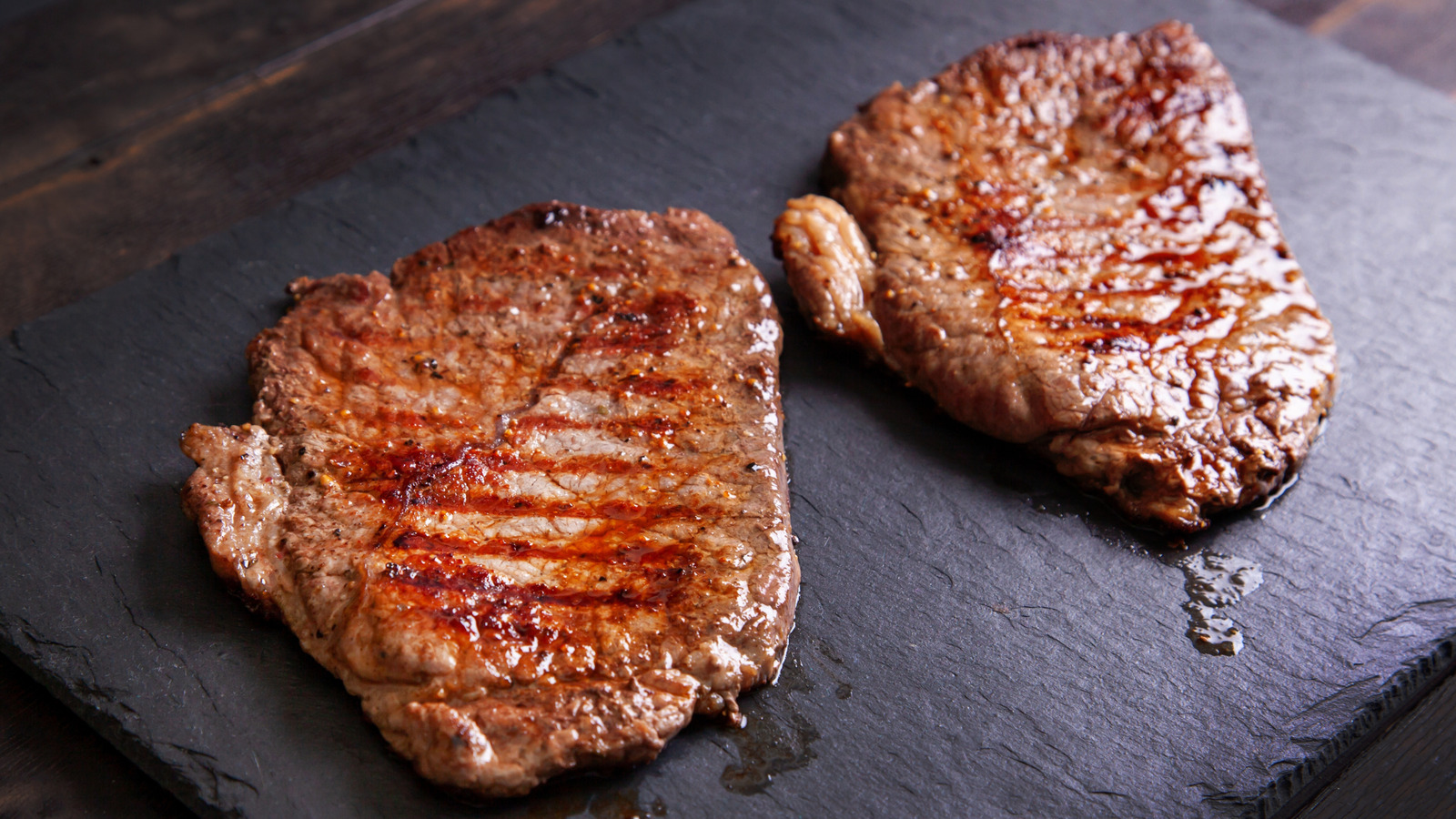
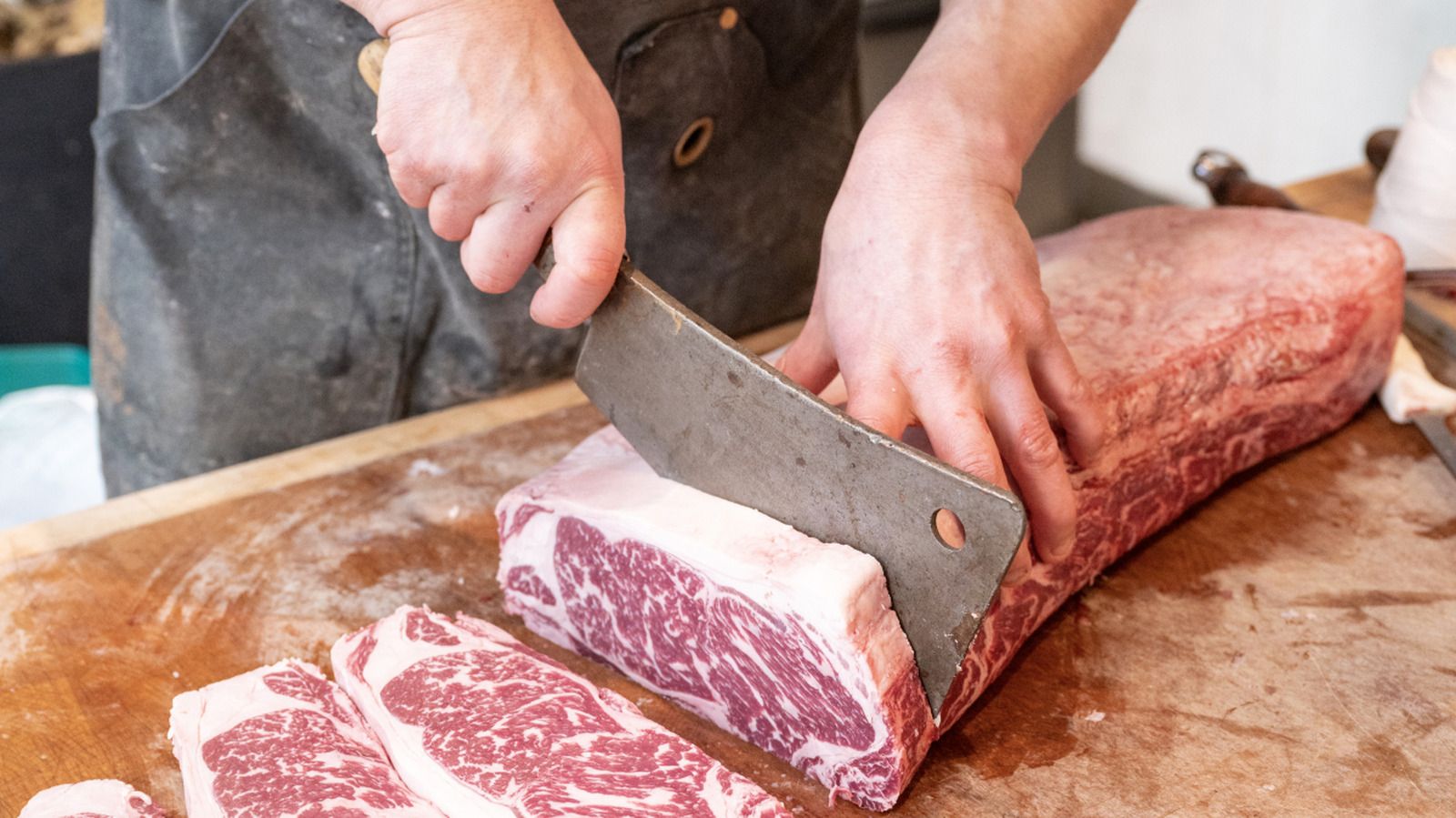
For many beef lovers and chefs, marbling is one of the most important aspects of steak quality. Unlike the thick fat cap found on the outside of a piece of steak, marbling refers to the streaks of intramuscular fat dispersed within the lean muscle of beef. This is integral to an elevated steak-eating experience. As the steak cooks, the fat melts, basting the meat from the inside, leaving you with a flavorful and tender piece of meat.
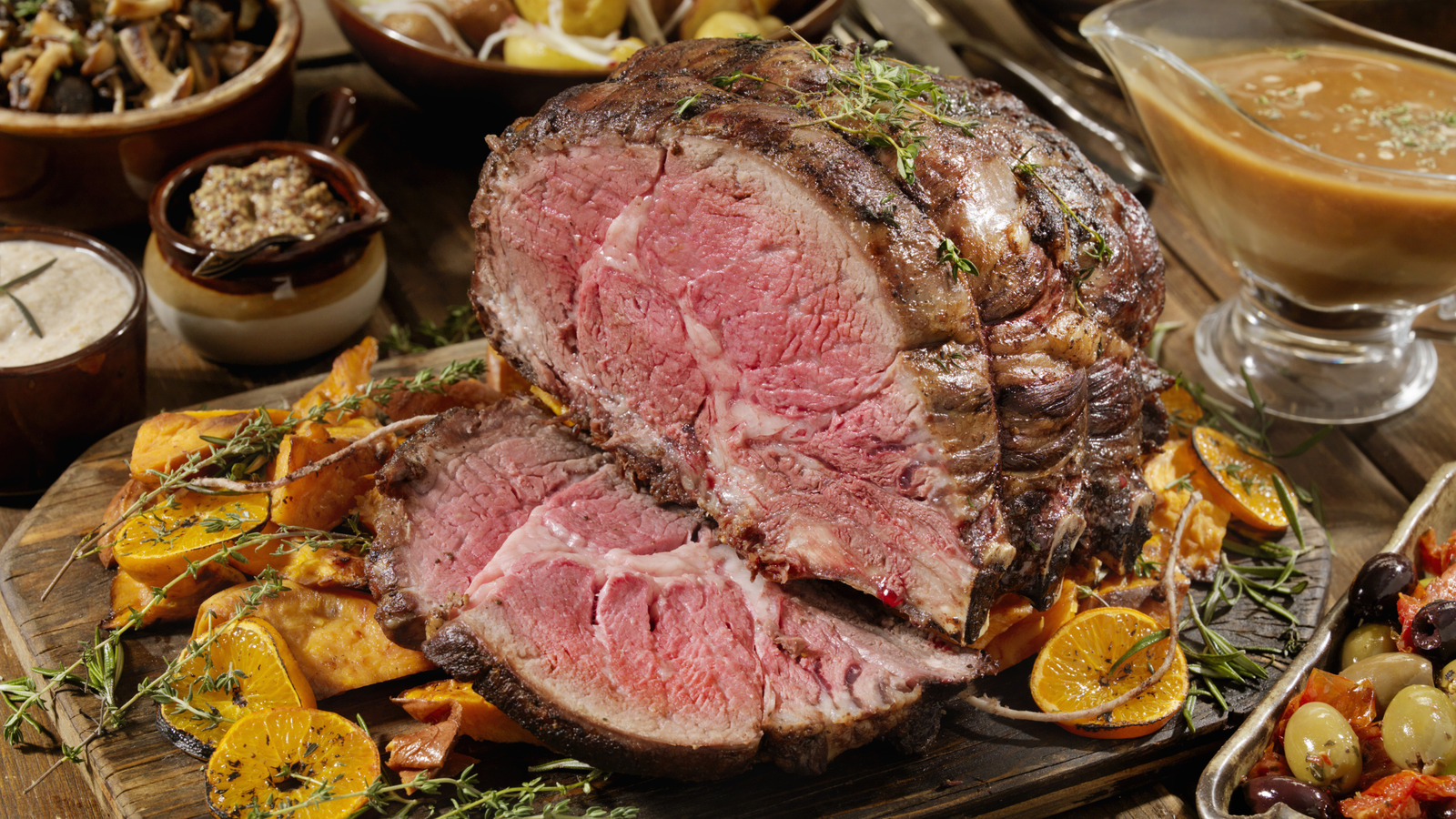
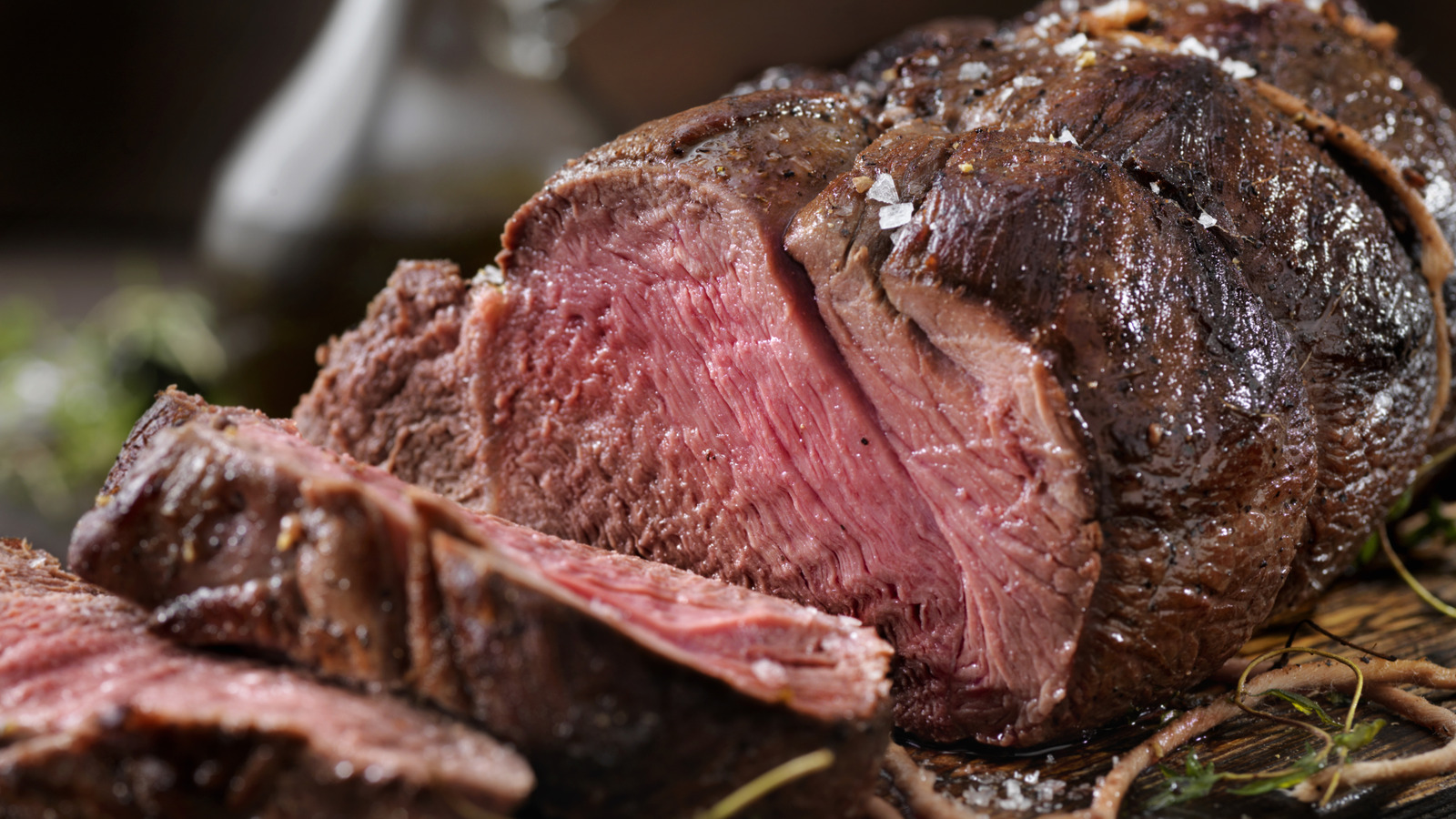
"Fold maybe 6-8 inches of that tapered in back on itself and tie it off. That will make the skinny end much closer to the thickness of the fat end and allow for the roast to cook evenly," he says. "Trussing the rest of the tenderloin with tight circles of butcher's twine every couple inches will also keep the tenderloin round rather than allowing it to flatten out, which will also help with cooking evenly."