#black-heritage
#black-heritage
[ follow ]
#black-history-month #civil-rights #community #black-history #black-women #entrepreneurship #justice
fromAllHipHop
2 days agoAction Bronson Teaches NYC Mayor Zohran Mamdani Albanian Blessing
Mamdani opened up about his journey from immigrant child to becoming the city's 112th mayor, calling it a dream realized. Born in Uganda in 1991 and arriving in New York at age 7, he's now the youngest person to hold the office in over a century and the city's first Muslim and African-born mayor.
New York City
fromwww.theguardian.com
4 days agoWomen behind the lens: I grew up hating my natural hair. But I transformed that pain into something empowering'
I create sculptural hairstyles using my natural hair as a material. I add some extensions, and shape it with thread and wire. A sculpture can take me from 30 minutes to more than six hours.
Writing
fromAdvocate.com
5 days ago12 portraits of transgender beauty and resilience in the Deep South
Exploring Transgender Identity in South Carolina is a candid photographic and interview-based documentation of transgender life in South Carolina. This project offers a contemporary visual record of a community that exists largely outside of that narrative yet within its realities.
SF LGBT
fromwww.theguardian.com
1 week agoBlack music is not a subculture it is the engine': Why the Mobo awards matter more than ever, 30 years on
Kanya King stated, 'Black music shapes what we listen to, how we speak, how we dress, how we tell our stories and I guess it's defined as Britain's cultural identity but structurally and institutionally is still often treated as m.'
London music
Fashion & style
fromwww.theguardian.com
2 weeks agoWhy wearing traditional dress will always be political
The wearing of traditional African clothing varies dramatically across the continent, from everyday staples in Sudan and Nigeria to rare ceremonial wear in Kenya and South Africa, influenced by colonial history and cultural diversity.
Brooklyn
fromBrooklyn Paper
3 weeks ago'Printing Black America' examines modern society through a historic lens at the Brooklyn Public Library * Brooklyn Paper
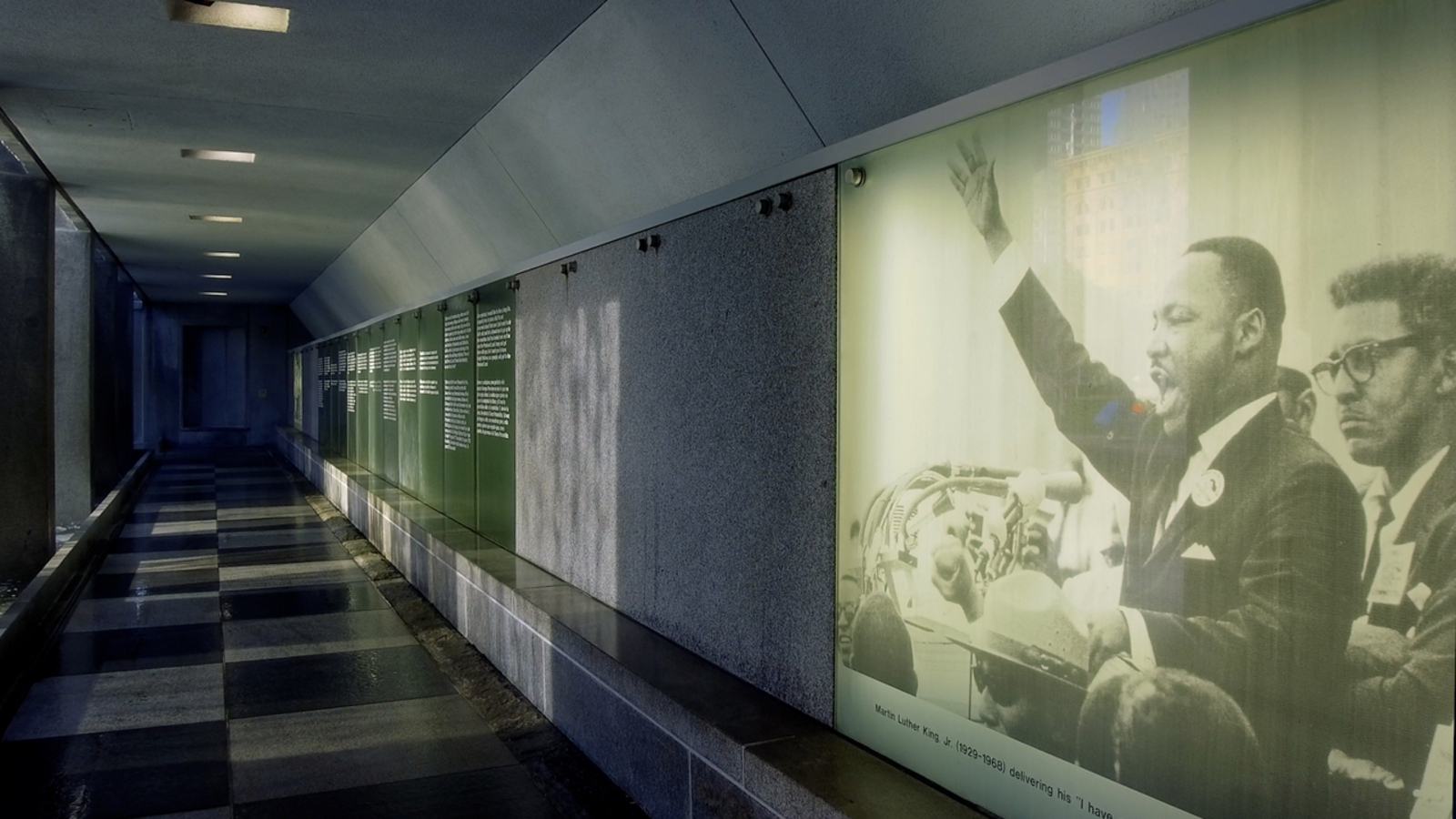
W.E.B. Du Bois's 1900 Data Portraits visualized Black American progress through infographics, now recontextualized in a 21st-century exhibition exploring ongoing racial inequities and sociological questions.
Education
fromTruthout
1 month agoWe Must Defend Black History - It Fuels Freedom Dreams of Students Under Attack
Teachers must transform curricula to eliminate biases and systems of domination while protecting vulnerable students, particularly Black students and students of color, from contemporary educational injustices.
#black-history-month




Social justice
fromwww.amny.com
1 month agoNY Court System celebrates Black History Month by remembering Frederick and Anna Murray Douglass's legacy | amNewYork
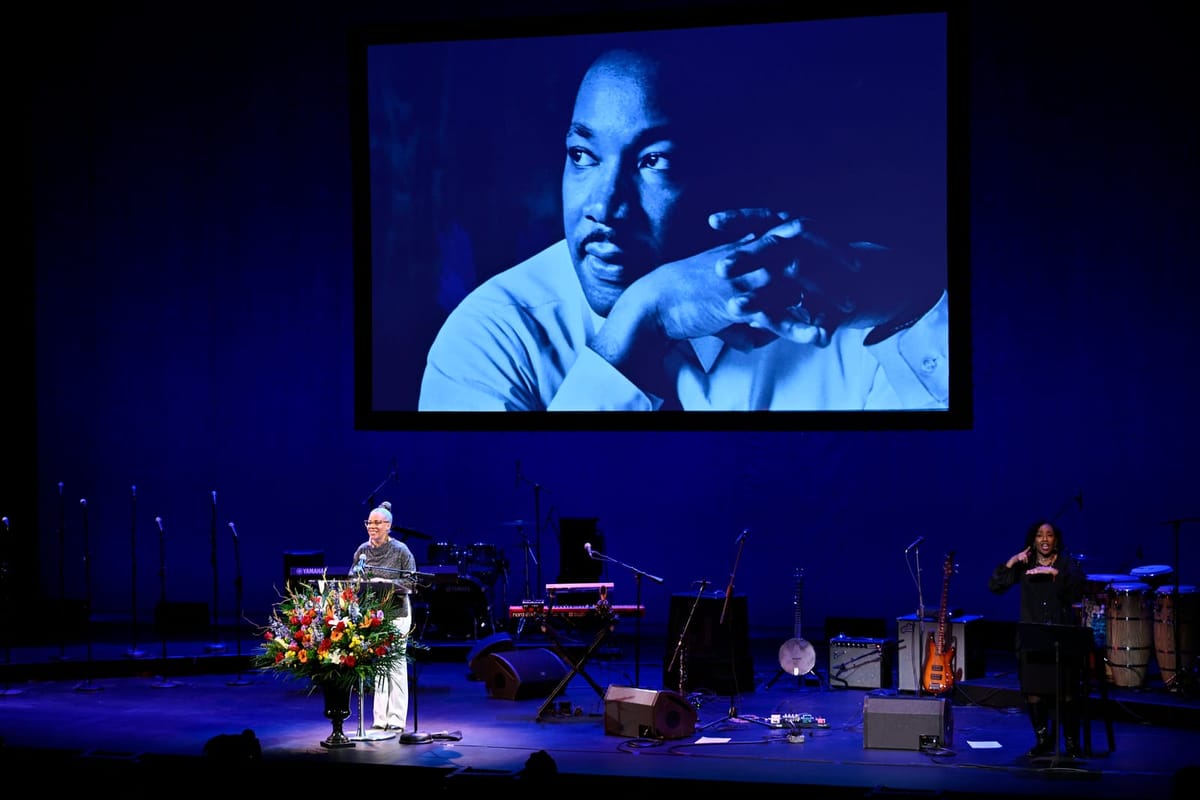
The state court system honored Frederick Douglass and his wife Anna Murray Douglass during Black History Month, emphasizing the importance of preserving Black history and learning from their advocacy for justice and equality.
Social justice
fromwww.amny.com
1 month agoNY Court System celebrates Black History Month by remembering Frederick and Anna Murray Douglass's legacy | amNewYork
The state court system honored Frederick Douglass and his wife Anna Murray Douglass during Black History Month, emphasizing the importance of preserving Black history and learning from their advocacy for justice and equality.
Social justice
fromCN Traveller
2 weeks ago"Black excellence is everywhere, Black connection is not": Inside the event designed to connect, unite and inspire Black thinkers
The Diaspora Salon in Marrakech convenes African and diaspora intellectuals, artists, and entrepreneurs to discuss culture, power, and economic futures across multiple disciplines.
fromwww.theguardian.com
1 month agoBlack History Month was never given' to Black people, thus, it can never be taken from us
If you know anything about the basic origins of Black History Month then you know that we weren't given' anything. The question of who owns and authorizes Black History Month holds particular relevance now, in its centennial year, and at a time when efforts to celebrate, preserve, and acknowledge Black people's past in this country are under attack.
History
US politics
fromTruthout
1 month agoAs the Status Quo Shatters, Afrofuturists' Visions Offer a Way Forward
State violence has expanded beyond Black communities to target white protesters, journalists, and politicians, while right-wing authoritarianism threatens multiracial democracy and prompts reimagining of Black freedom beyond the United States.
fromwww.theguardian.com
3 weeks agoAct Black: posters of Black Americans on stage and screen in pictures
Many of these posters are the only surviving proof of certain shows, with no recordings of plays, and certain films, having been lost over time. They offer a history of Black Americans trying to counter harmful stereotypes and provide vital and humanizing contributions to a growing Black culture.
Arts
fromHarvard Gazette
1 month agoImmersed in Toni Morrison's multitudes - Harvard Gazette
If you have to read and reread in order to put together what's happening, then you are a co-creator of that literary experience. She saw this as specifically important for Black literature. Her highest aspiration, as she put it, was to create something at the level of jazz, which she saw as the highest form of Black art.
Books
Music
fromBlavity News & Entertainment
1 month agoHBCUs Celebrate Michael Jackson's Legacy In New 'Michael' Black History Performances - Blavity
Three HBCUs performed distinct interpretations of Michael Jackson's 'Don't Stop 'til You Get Enough' for Lionsgate's Black History Month celebration honoring Jackson's cultural influence.
fromLGBTQ Nation
1 month agoThese oft-overlooked icons show why Black queer history still matters (now more than ever) - LGBTQ Nation
Black History Month is a time to acknowledge and celebrate the achievements and courageous acts of people of African descent in the United States and around the world. This year, Black History month celebrates its 100th anniversary. And yet, Black History Month has failed to fully acknowledge or celebrate the contributions of Black LGBTQ+ people. Just as Pride Month remains overwhelmingly white in its representation, Black History Month continues to be deeply homophobic in its omissions.
LGBT
fromHarper's BAZAAR
1 month agoDance Theater of Harlem Is Bringing Back Firebird . It's Never Felt More Timely.
First performed in 1910 by Serge Diaghilev's Ballets Russes and adapted by George Balachine for New York City Ballet in 1949, Firebird was inspired by a Russian folk tale. The ballet tells the story of Prince Ivan, who captures the firebird, a creature who is part bird, part woman, and then lets her go.
NYC music

fromThe Atlantic
1 month agoThe Trump Administration Can't Kill Black History Month
She remembers walking with her big brothers down a sidewalk fractured by the roots of old oak trees while children played hopscotch on the playground. She remembers going outside and clapping erasers together so that plumes of chalk dust rose above her head. And she remembers being told that she was attending a school that many white parents had taken their children out of just a few years earlier because they didn't want them sitting in class with Negroes.
History
Film
fromLGBTQ Nation
2 months agoThese 10 essential movies about Black people with HIV will open your heart & mind - LGBTQ Nation
On-screen representation of people living with HIV remains extremely limited across platforms, with especially poor representation of Black people and few meaningful portrayals.
fromHyperallergic
1 month agoDavid Driskell's Gifts to Black Art
Driskell started collecting in 1955 after taking a position as an art professor at Talladega College. As he explained in a 2017 lecture at the Whitney Museum of American Art, he put aside a small budget for art each year from his beginning salary of $3,000.
Arts
Social justice
fromNonprofit Quarterly | Civic News. Empowering Nonprofits. Advancing Justice.
1 month agoBlack History Is Economic History: A Charge Toward Black Futures | Nonprofit Quarterly | Civic News. Empowering Nonprofits. Advancing Justice.
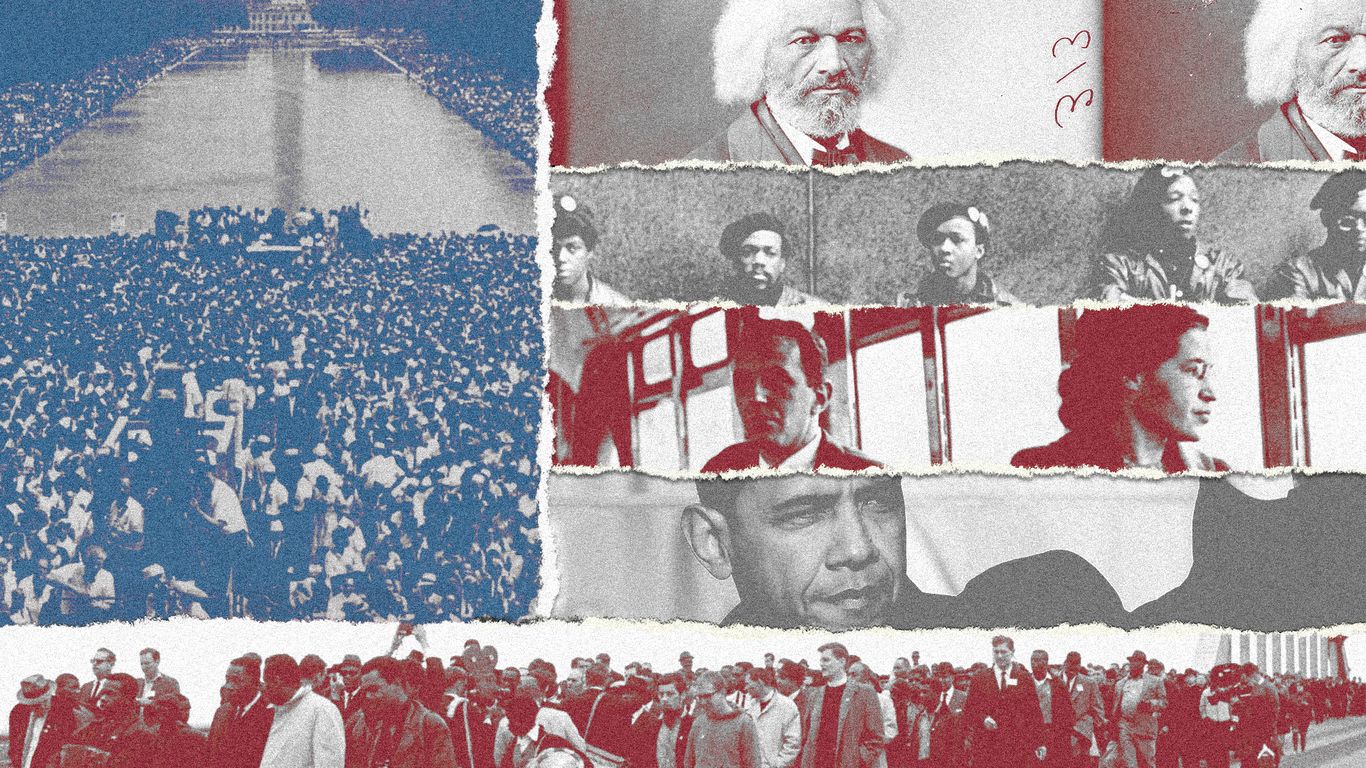
American prosperity was built on racialized capitalism through slavery and systematic exclusion, creating a persistent racial wealth divide that continues to deny Black communities economic opportunity and democratic participation.
US politics
fromwww.theguardian.com
2 months agoThis is Muslim New York: artists, thinkers and politicos on defining a new era for the city
Muslim creatives and intellectuals in New York City are rising, reshaping the cultural landscape and rebuking Islamophobia amid a renewed Palestinian-rights movement.
fromHyperallergic
2 months agoThe African Diaspora Pictures Itself
Walking through Ideas of Africa: Portraiture and Political Imaginationat the Museum of Modern Art, I noticed that the exhibition didn't have definite sections or texts, and the wall labels abstained from naming the nationalities of the photographers. It was an invigorating experience to be in a show that eschews geographic boundaries set up by Western nations, as well as rejects a cause-and-effect narrative that centers Western colonialism as a framework for understanding African aesthetic production.
Arts
fromThe Atlantic
2 months agoHow I Traced My Ancestor's Journey From Slavery to Freedom
The librarian sat me in front of a microfilm reader and brought out roll after roll of film. I stayed there for hours, squinting to decipher the archaic handwriting in the Free Negro Book, which was published annually in South Carolina before the Civil War. The names in each year's edition were alphabetized, but only roughly-all of the surnames starting with A came before all of the surnames starting with B, but Agee might come before Anderson, or it might come after.
History
fromHigh Country News
1 month agoHow community organizers are amplifying Oregon's Black music history - High Country News
When Norman Sylvester was 12, long before he garnered the nickname "The Boogie Cat" or shared a stage with B.B. King, he boarded a train in Louisiana and headed west, toward the distant city of Portland, Oregon. He'd lived all his life in the rural South, eating wild muscadine grapes from his family's farm, fishing in the bayou and churning butter at the kitchen table to the tune of his grandmother's gospel singing.
Social justice
History
fromSmithsonian Magazine
2 months agoSamuel Green Freed Himself and Others From Slavery. Then He Was Imprisoned Over Owning a Book
Samuel Green, a free Black Marylander aiding runaways, was arrested for possessing Uncle Tom's Cabin under a law banning 'abolition pamphlets,' becoming an abolition hero.
fromBuzzFeed
1 month agoI Bet You Didn't Know These 19 Famous People Have Black Heritage
To be Black in the U.S. has such an expansive meaning that traces back to Europeans deciding who got to be "white." While some people, like the Italians and Irish, earned their way into "white-ness," those with even a drop of Black in their heritage were relegated to the lower rungs of the racial ladder.
Social justice
fromCurbed
1 month agoI Miss My Black Brooklyn
I once lived in a Black mecca. But by the summer of 2022, my toddler son and I were often the only Black folks on the playground in Bedford-Stuyvesant, a fact that felt both alienating and surreal. We moved to Bed-Stuy that summer to be close to my sister and her family. Reeling from a recent separation and scrambling for child care in a different neighborhood, I often found myself on the playground, trying to make sense of both our new life and this
Social justice
[ Load more ]