#camera-and-gallery
#camera-and-gallery
[ follow ]
#photography #art #creativity #contemporary-art #portrait-photography #photojournalism #architecture #identity
#photography
Online marketing
fromWhat's Trending
2 weeks agoMarketing Tips for Photographers: Building a Profitable and Recognizable Brand
Strategic marketing, branding, and high-quality visuals are essential for photographers to succeed in a competitive market.

Photography
fromItsnicethat
2 days ago"What if everyone started making out?" Andrea Marti's horny photo series tackles Gen Z's lack of intimacy head on
Andrea's photographic series reimagines intimacy in a digitally isolated world, inspired by Raquel S. Benedict's essay and Tom Wood's nostalgic club scenes.
Photography
fromwww.theguardian.com
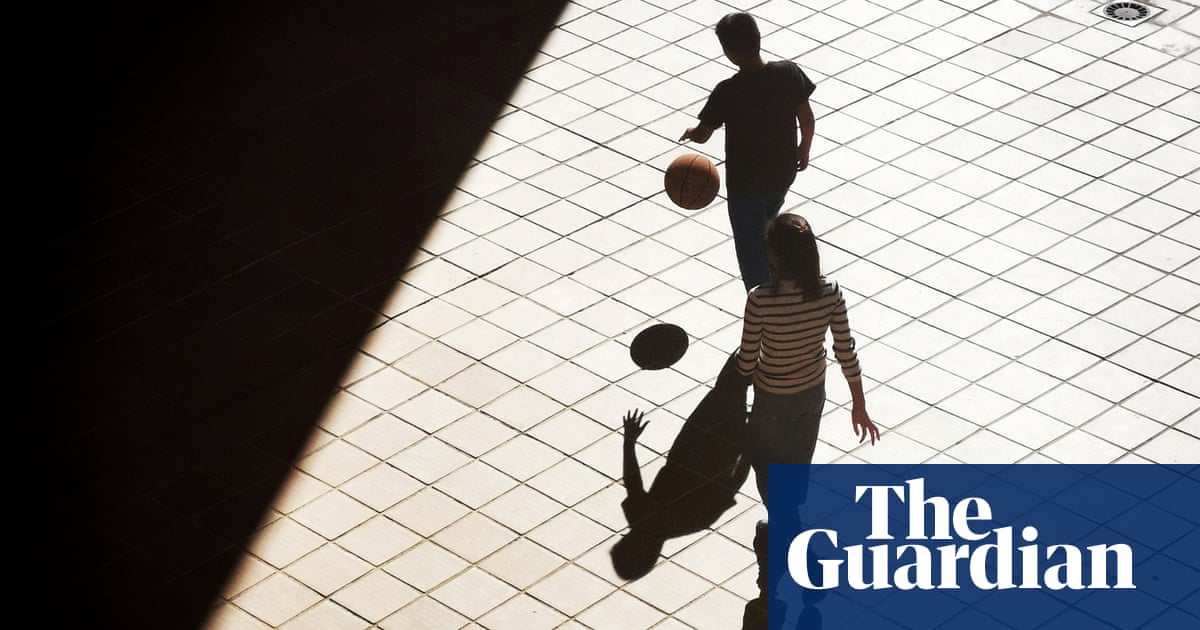
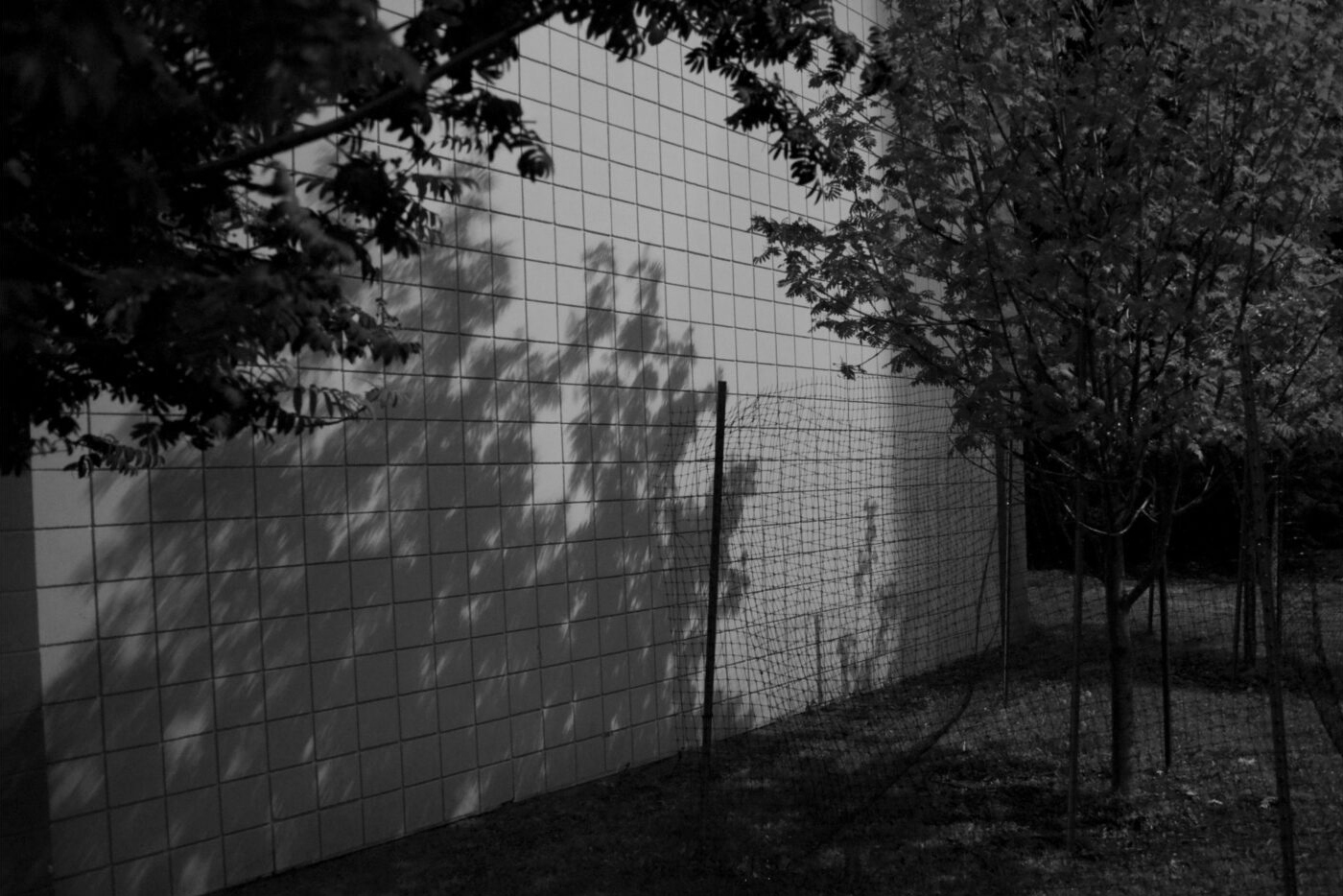
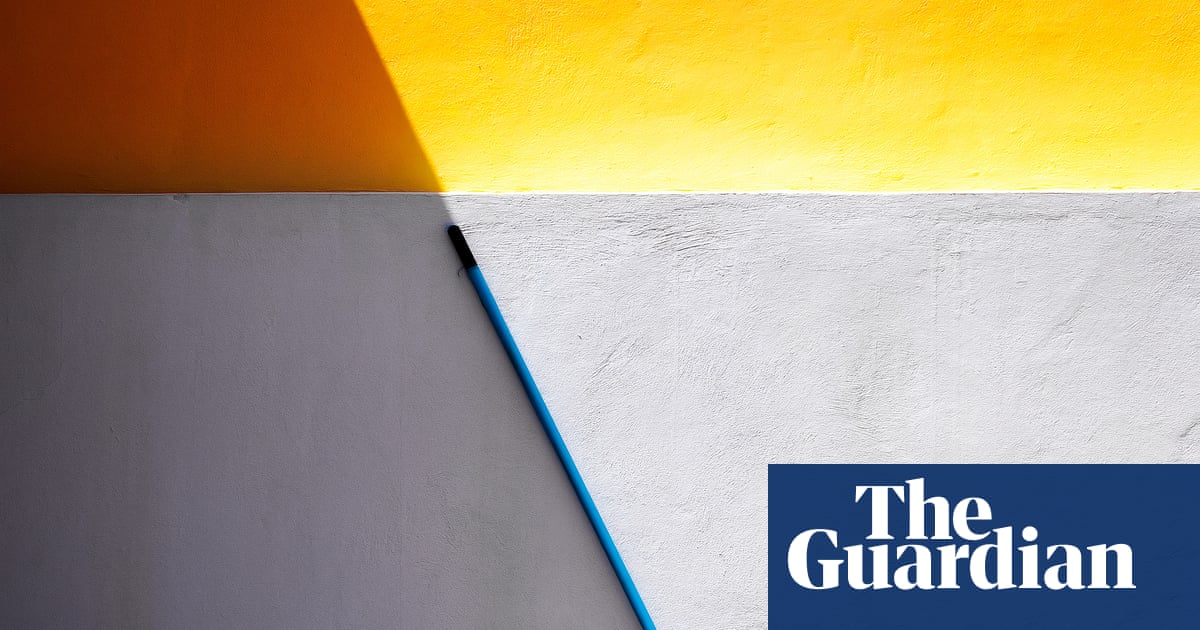
10 hours agoThe shadows, the figures playing basketball I waited for the magic to appear then it did': Jose Luis Morales Martin's best phone picture
Jose Luis Morales Martin captures the interplay of architecture and photography, emphasizing the emotional connection and artistry in both fields.
Photography
fromItsnicethat
2 days ago"What if everyone started making out?" Andrea Marti's horny photo series tackles Gen Z's lack of intimacy head on
Andrea's photographic series reimagines intimacy in a digitally isolated world, inspired by Raquel S. Benedict's essay and Tom Wood's nostalgic club scenes.
#art

Arts
fromIrish Independent
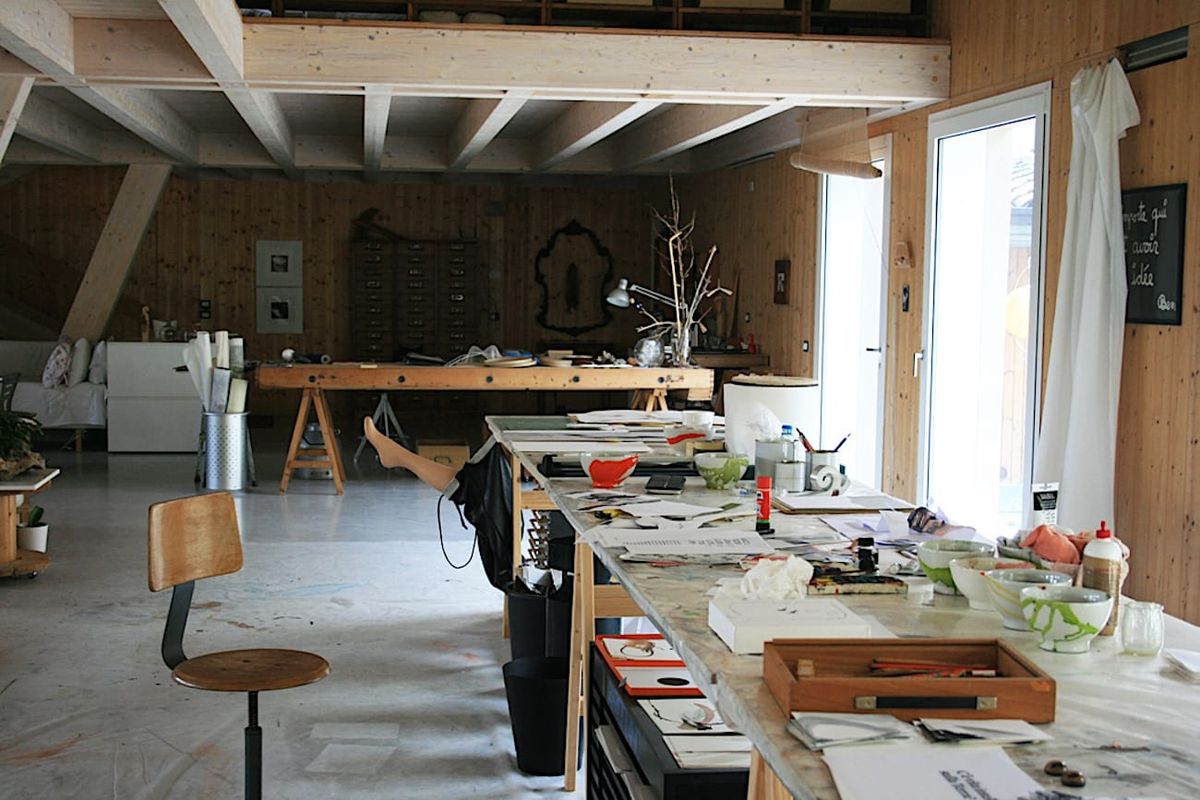
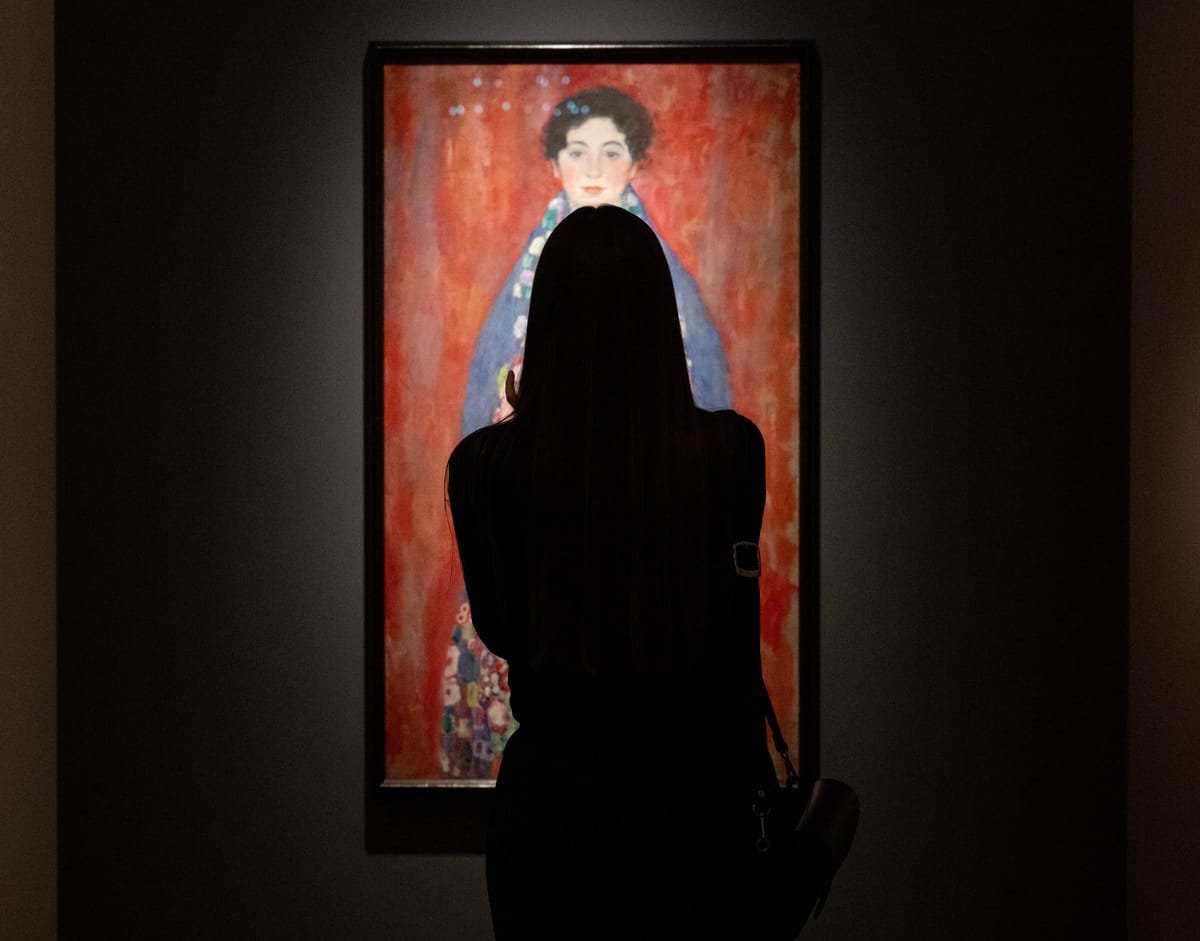
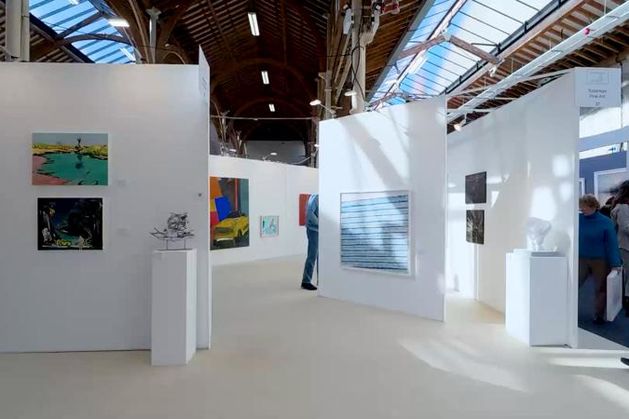
3 days ago'You have to step in and experience it' - artists on the rise of AI-generated art and the 'essential' gallery visit
Miriam Fitzgerald Juskova's exhibit combines paper quilling with mathematics, showcasing intricate art that engages viewers and emphasizes the value of handmade creations.
Graphic design
fromdesignboom | architecture & design magazine
1 day agohiggsfield brings art-directed quality to AI image generation at production scale
Higgsfield's Soul 2.0 revolutionizes AI photo generation for the creative industry, enhancing visual quality and efficiency in producing artistic imagery.


Social media marketing
fromFstoppers
2 weeks agoShowcase Photography on Instagram in 2026 | Fstoppers
Instagram's algorithm has fundamentally shifted away from static photography, requiring photographers to adapt their content strategy and embrace storytelling to maintain audience reach and engagement.
fromSocial Media Explorer
2 weeks agoThe Proof is in the Paint: How to Shoot Before and After Photos That Actually Sell Your Bodywork - Social Media Explorer
In the collision repair industry, your visual portfolio is your entire sales pitch. If a stressed vehicle owner visits the website of a local auto body shop, the very first thing they look for is evidence of past miracles. A compelling before and after photo does the heavy lifting of building trust before they ever pick up the phone to ask for an estimate.
Cars
fromHyperallergic
2 days agoThe Art World Is a Joke
Kamrooz Aram is everywhere this year, from Mumbai Art Week to the Whitney Biennial, and critic Aruna D'Souza is grateful. She pens a beautiful meditation on his work, reading his abstract paintings as not simply a denunciation of Western modernism nor a reassertion of Islamic visual motifs, but something else entirely - something gestural, exuberant, riotous, and incomparably his own.
Arts
fromBOOOOOOOM!
3 days ago"Idling" by Artist Greta Kresse
"These paintings merge the landscape and the intimacy of windows through the framing of the car, bridging the two realms I've typically explored separately. The car becomes a meditation on transition, on existing simultaneously here and elsewhere."
Arts
fromPetaPixel
1 month agoGoogle's Pomelli Photoshoot Feature is Here to Hammer Nails into the Coffin of Photography
Introduced yesterday, Photoshoot uses Google's powerful generative AI tools, including Nano Banana, to create "professional" images of a product. Users simply click on 'Create a Product Photoshoot' and upload a photo of their product. It can be any photo, no matter how bad. "Don't worry about polish - we'll take care of it," Google says facetiously. From that user-generated image, Photoshoot will create various shot templates, including 'Studio', 'Floating', 'Ingredient', and 'In use'.
Marketing tech
fromColossal
2 weeks agoBreezy Swathes of Fabric Dance Amid Landscapes in Thomas Jackson's Photos
Rooted in the tension between nature and artificiality, the installations pose questions about how we interact with the environment and how we might find equilibrium with it. All of my photographs strain credulity by design. At first blush, they can appear to be digital fabrications, but in truth, they are entirely in-camera, printed with minimal post-production.
Photography
fromBoard Game Quest
1 month agoSand Art Review
Sand Art is a game by Kory Jordan and published by 25th Century Games for two to four players ages 10 and up. It takes about an hour to play, and has you collecting resources and then coloring in a bottle, making art in a bottle out of sand, in case the name didn't give away the plot. Gameplay Overview: Sand Art has you gathering and mixing sand, which is used to fill your bottle.
Board games
fromArtnet News
2 weeks agoMagnum Gallery Honors the Life and Legacy of Photographer Martin Parr
His humor, his clarity, and his vision shaped many discussions across the agency and within the wider photographic world. This exhibition pays homage to the unique vision of Martin Parr, whose sharp eye for contemporary society and prominent role within Magnum Photos have left an enduring mark on photography.
Arts
fromHyperallergic
3 weeks agoArt Problems: How Do I Get Gallery Representation?
Dealers like artists with established sales records because it lowers their already considerable financial exposure. Renting a gallery space in Tribeca costs anywhere between $8,000-30,000 a month on top of staff, marketing, and daily operations. With that kind of overhead, very few business owners can afford to take on the financial risk of untested artists.
Arts
fromHyperallergic
3 weeks agoEmbracing Friction in the Art World
On Franklin Street in Brooklyn's Greenpoint neighborhood, one non-commercial gallery fosters 'a small, stubbornly human space for friction.' Friction—the ubiquitous buzzword that captures the simultaneous delight and discomfort of doing things the slow way—is at the heart of artists Pap Souleye Fall and Char Jeré's current show at Subtitled NYC. It also reflects the overall spirit of this little exhibition space and of a burgeoning movement to reject our culture of optimization in favor of a bumpier, more intimate, less alienating experience.
Arts
Photography
fromdesignyoutrust.com
1 month agoStunning Digital Storytelling Landscapes By Prismofpixels, Turning Quiet Streets And Town Squares Into Cinematic Moments Of Color And Light
A curated collection of diverse visual works spanning paintings, photography, design, and historical images across eras, genres, and artistic mediums.
Arts
fromdesignyoutrust.com
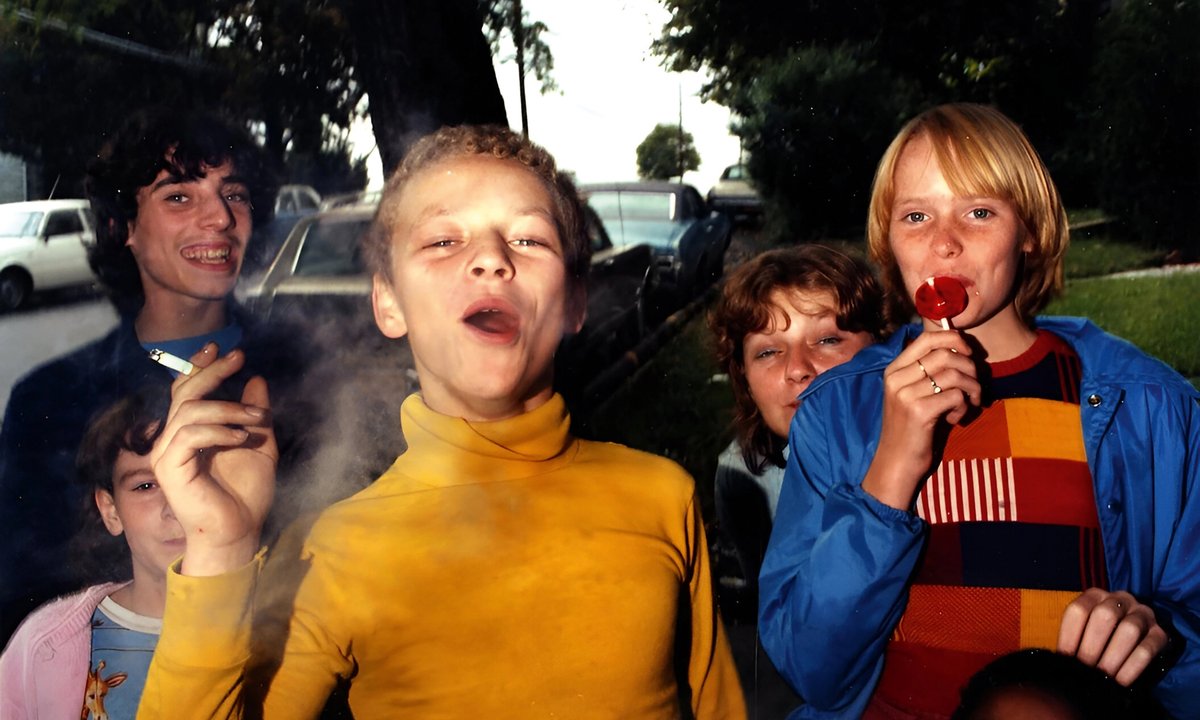
2 months agoArtist Paints Smoky Lounges And Quiet Strangers, Letting Halffinished Details Turn Viewers Into Coauthors Of The Scene
A wide-ranging visual roundup showcases creative reinterpretations, vintage design, activist art, photography, illustration, and humorous cultural works spanning contemporary and historical styles.
Photography
fromKALTBLUT Magazine
2 months agoCamille Schaeffer: A Reflective Visual Archive - KALTBLUT Magazine
Camille Schaeffer creates sensory, reflection-based installations and collaborative film and photography that explore perception, embodiment, and the transformation of space through movement and materials.
fromBOOOOOOOM!
2 months ago"Nothing Gold Can Stay" by Photographer Matthew Ludak
A look at how economic globalization has left its mark on former industrial cities and struggling small towns across America by photographer Matthew Ludak. Ludak received his BA from Drew University and MFA from the University of Wisconsin-Madison. His practice explores contemporary social issues, including classism, de-industrialization, environmentalism, and structural racism in the United States. He currently resides in Philadelphia, Pennsylvania, where he continues to explore the intersections of art and social justice through his photography and non profit work.
Photography
fromFstoppers
2 months ago11 Predictions for the Photography Industry in 2026
Forget the film camera revival that never quite materialized at scale. The defining hardware trend of 2026 will be the continued adoption of C2PA (Content Credentials) signing in camera bodies beyond the flagship tier. Leica and Nikon have been early movers here, with Sony engaged in the broader Content Credentials ecosystem. This year, we are likely to see signing capabilities expand from flagship and select professional models into higher-volume lines as implementation costs fall and workflow integration matures.
Photography
[ Load more ]