Mindfulness
fromPsychology Today
1 day agoHow to Embrace Being "More" Spiritual
Awareness of the transcendent reveals depth and meaning in life, fostering spiritual growth and a sense of oneness with the world.
Devon Hase states, 'People are trying desperately to fix, optimize, or escape their way out of relationship difficulty - and suffering more for the effort. Social media has made this worse! We're surrounded by images of perfect partnerships while quietly drowning in our own ordinary struggles.' This highlights the pressure couples feel in the age of social media.
The human neuroendocrine system has changed very little since the time of cave people. Yet today we are likely to receive more stimulation in one day than our ancestors did in their entire lifetime.
If you are exhausted and yearn to rest, like nearly everyone I know, you may be interested in what's arguably the most radical wellness trend of 2026 - an ancient practice called "dark retreat." This powerful experience, touted by celebrities as the latest way to achieve self-realisation and peace, involves no drugs (unlike, say, ayahuasca), no intense physical work, and no strict diet - just staying in absolute darkness in a comfortable room for 24 hours a day, for several days.
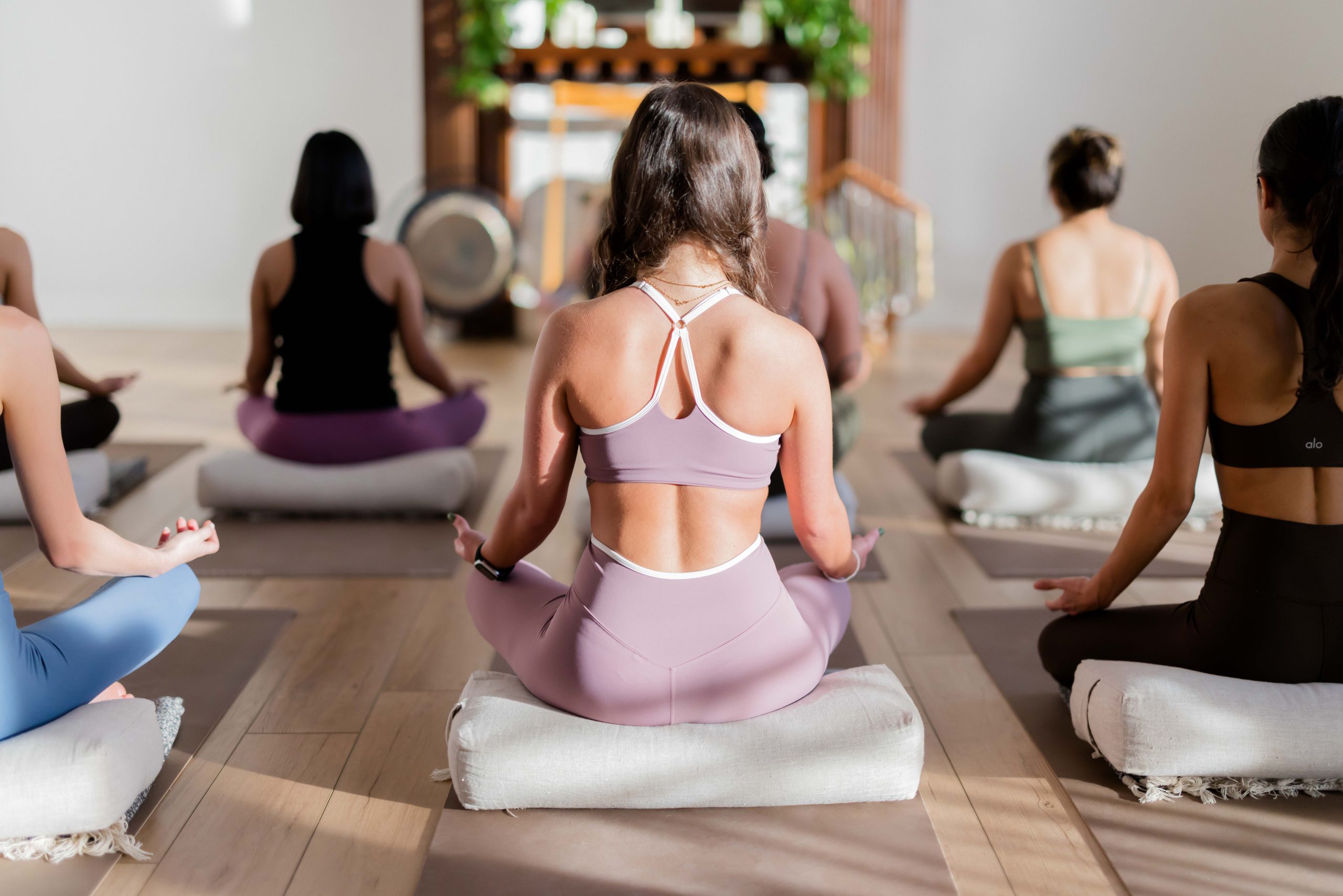
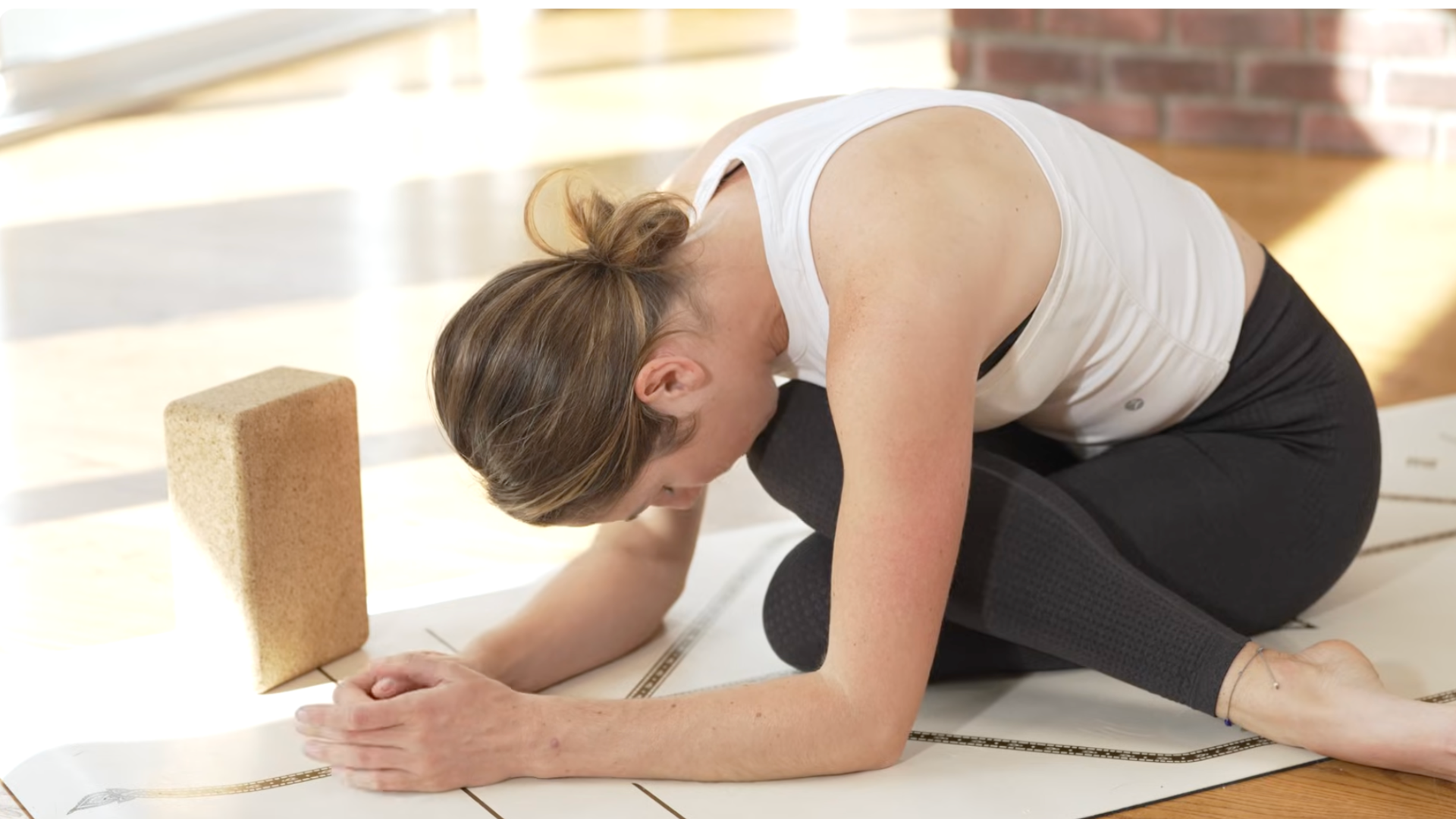
At the heart of yoga philosophy is the belief that stillness is not simply the absence of movement, but a profound engagement with our inner landscape. Practices such as asana (postures), pranayama (breath control), and meditation serve as gateways to this stillness, allowing us to cultivate awareness amidst chaos. Through these disciplines, we learn to quiet the mind's incessant chatter and tune into our true essence.
Pranayama is the yogic art of breathing. Consider it one of the inspirations for the breath work techniques that help keep you grounded throughout the day. By mastering the three stages of the breath, inhalation, exhalation and retention, you can learn to quiet the nervous system and gain control over the emotions and constant demands of the senses. Pranayama can be difficult art to practice, one that requires years of persistence and patience.
Physiologically speaking, feeling hot-headed is your body's regulatory answer to anger. Contemporary science has shown that your heart rate increases, your blood pressure rises, and your core body temperature climbs as the emotion activates the sympathetic nervous system, which is the body's fight-or-flight response.
Some years ago, I was working at my desk and realized that I had misplaced a bill that was due. While I anxiously searched for it, my then 4-year-old daughter came into the room and asked for my attention. I said that I was busy looking for something important and to come back later. In a few minutes she returned and asked quietly, "Have you found yourself yet, Mommy?" I was humbled by her question.
Whenever we talk about practicing yoga for the heart chakra, our focus is releasing tension around the heart, including the chest as well as the upper back and shoulders. More than that, the anahata, or heart chakra, has to do with our ability to give and receive love as well as our ability to feel compassion and empathy toward ourselves and others in the world.
Popular definitions of yoga often include terms such as balance, harmony, health, and peace. While these qualities are certainly desirable, and must be created before one can enter the state of fixity, or yoga, they are not included in the definition Patanjali offers us in his Yoga Sutras, the classic second-century B.C. exposition generally accepted as the bible of yoga.
Aging isn't just about wrinkles-it's about how your body moves. Or doesn't move. As we age, we often lose strength, balance, and range of motion. Our spines compress. Our glutes weaken. All of this manifests as pain, stiffness, and fatigue. But as Yogi Aaron reminds us, the true signs of aging come from a loss of mobility. The good news? You can get it back through regularpractice of our yoga routine to stay young, which includes breath, muscle activation, and mindful movement.
I had no idea what to practice, when to practice, or for how long. As a result, my practice lacked structure, variety, and inspiration. Then, I discovered an online yoga & meditation platform rooted in Himalayan wisdom. It wasn't just about movement; it was about building a relationship with myself. I started with 15 minutes a day. That was it. Sometimes, just breathwork. Other times, meditation. And occasionally, a full-body kriya that left me buzzing with energy.
Blue aura is among of the most well-known and important aura colors. Auras are subtle energy field that surrounds living things. They show a person's physical, mental, and spiritual state. People link blue auras to peace and truth. They also relate to communication and spiritual understanding. It is a signification of a person who has calm and reflective appearance that emits calm and peace. The challenges could include overthinking, emotional sensitiveness or withdrawal when stressed.
Like many people, I always wanted to do yoga daily. I'd roll out my mat a few times a week, follow a YouTube video, and feel great... for a while. But between work, life, and mental exhaustion, my practice was inconsistent at best and forgotten at worst. That changed when I discovered the right approach - one that felt more like a cup of calm than a chore on my to-do list.
Headstand (Sirsasana) is often called the "king of poses" because of the many benefits it affords. It teaches balance and poise, increases the strength of the arms, positively affects the cardiovascular system, and allows, more than many poses, a few minutes for mental and physical stillness. It's a difficult pose, involving many precautions and prerequisites. Many Westerners feel that if they can practice Headstand, they are practicing "real" yoga.