#christopher-durnan
#christopher-durnan
[ follow ]
#art #contemporary-art #architecture #art-exhibition #art-exhibitions #sculpture #art-market #exhibition
#art


Arts
fromIrish Independent
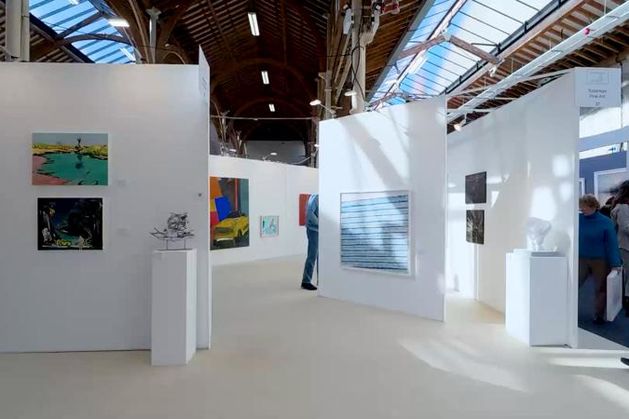
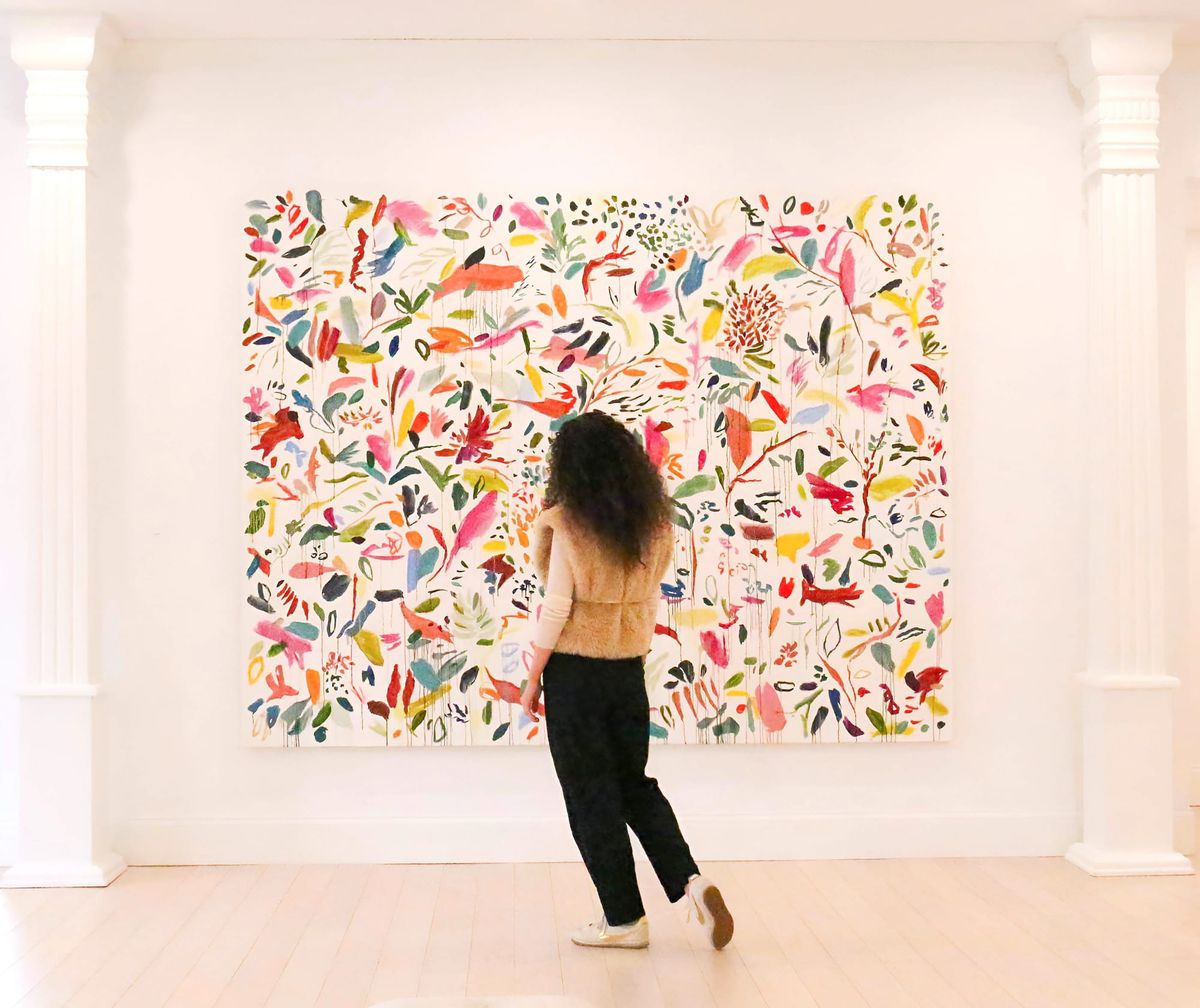
4 days ago'You have to step in and experience it' - artists on the rise of AI-generated art and the 'essential' gallery visit
Miriam Fitzgerald Juskova's exhibit combines paper quilling with mathematics, showcasing intricate art that engages viewers and emphasizes the value of handmade creations.



fromHi-Fructose Magazine - The New Contemporary Art Magazine
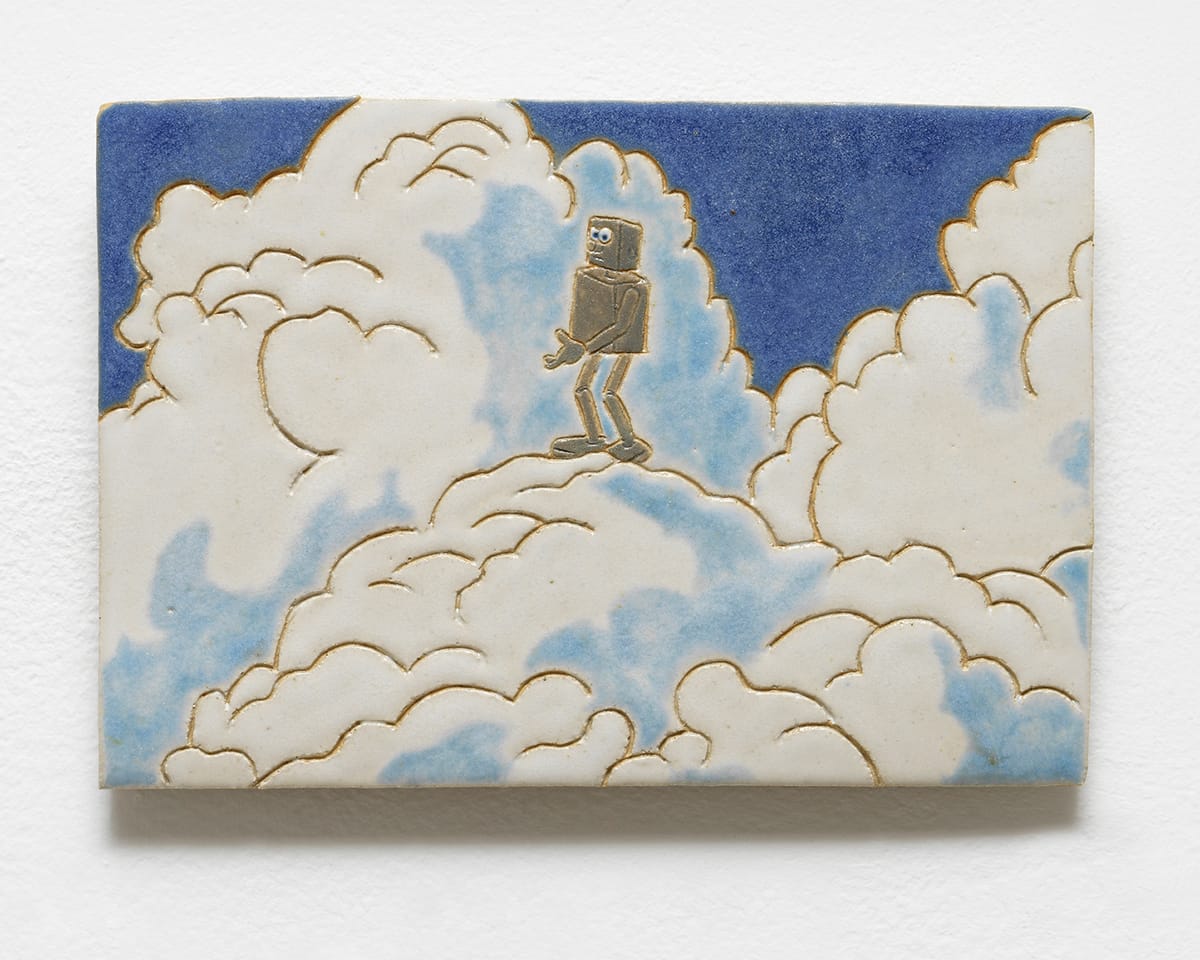
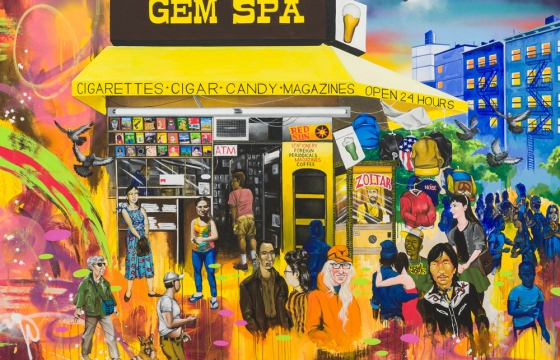
3 days agoKyle Cobban Draws From The Unknown - Hi-Fructose Magazine
"It's an amalgamation of the Chicago neighborhood aesthetic with a Bulls fan, quite literally. It's kind of on the nose, but that's how I juxtapose the elements of my work, with the structure of a home and then a figure who is around or in the home."
Chicago Bulls
fromdesignboom | architecture & design magazine
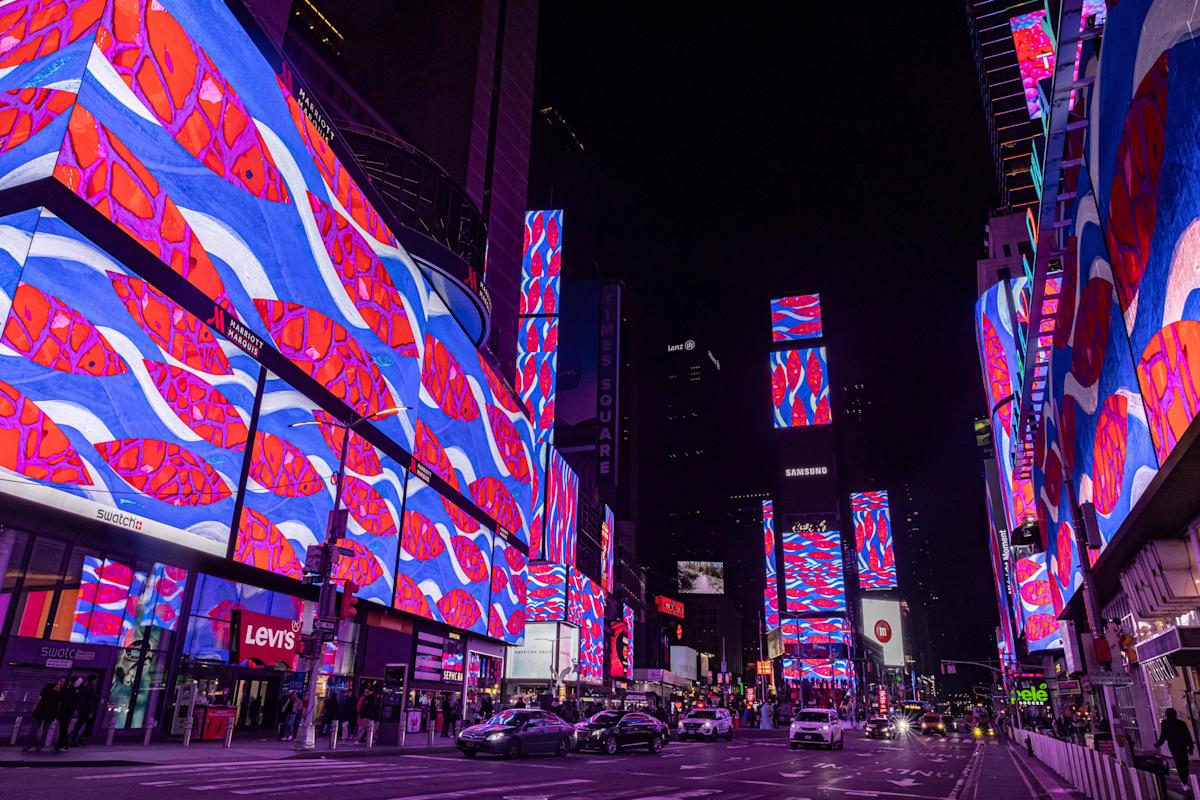
3 days agohow lachlan turczan reshapes matter by bending light and water in atmospheric installations
Lachlan Turczan's practice sits in the space between physics, optics, and environmental art, as he works with lasers, water, mist, and custom-built lenses to produce sculptures made entirely from light.
Berlin music


Renovation
fromdesignboom | architecture & design magazine
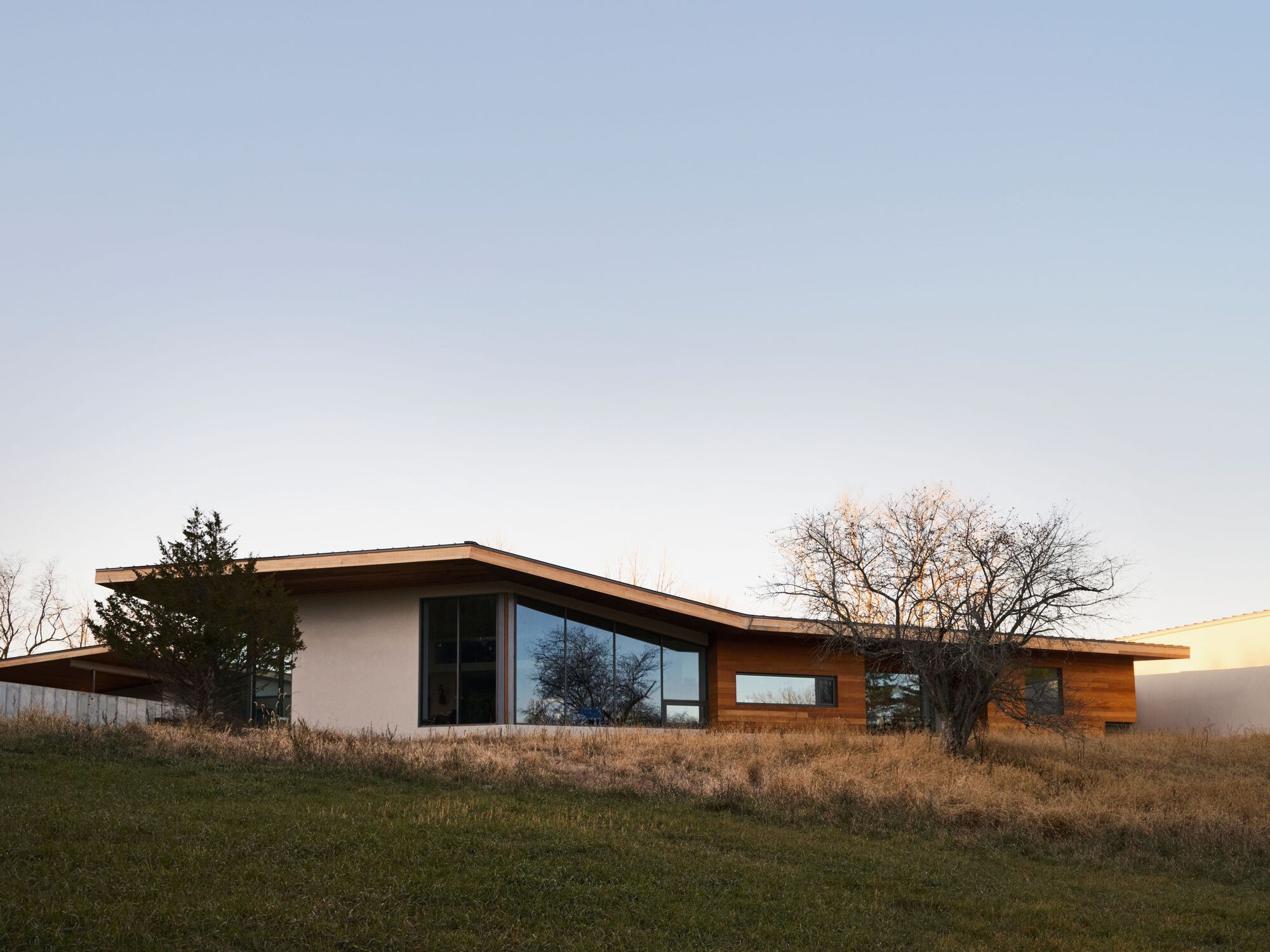
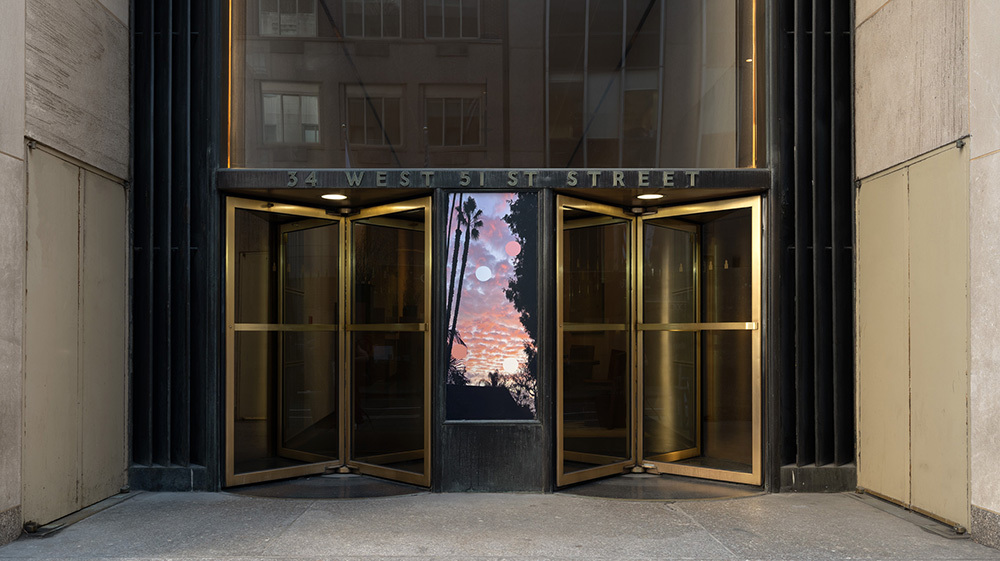
6 days agopaul rudolph's historical walker guest house returns in exhibition curated by A$AP rocky
The Walker Guest House, designed by Paul Rudolph, is showcased in Los Angeles with original and modern design elements, highlighting its significance in American modernism.

#museum-expansion
Brooklyn
fromThe Art Newspaper - International art news and events
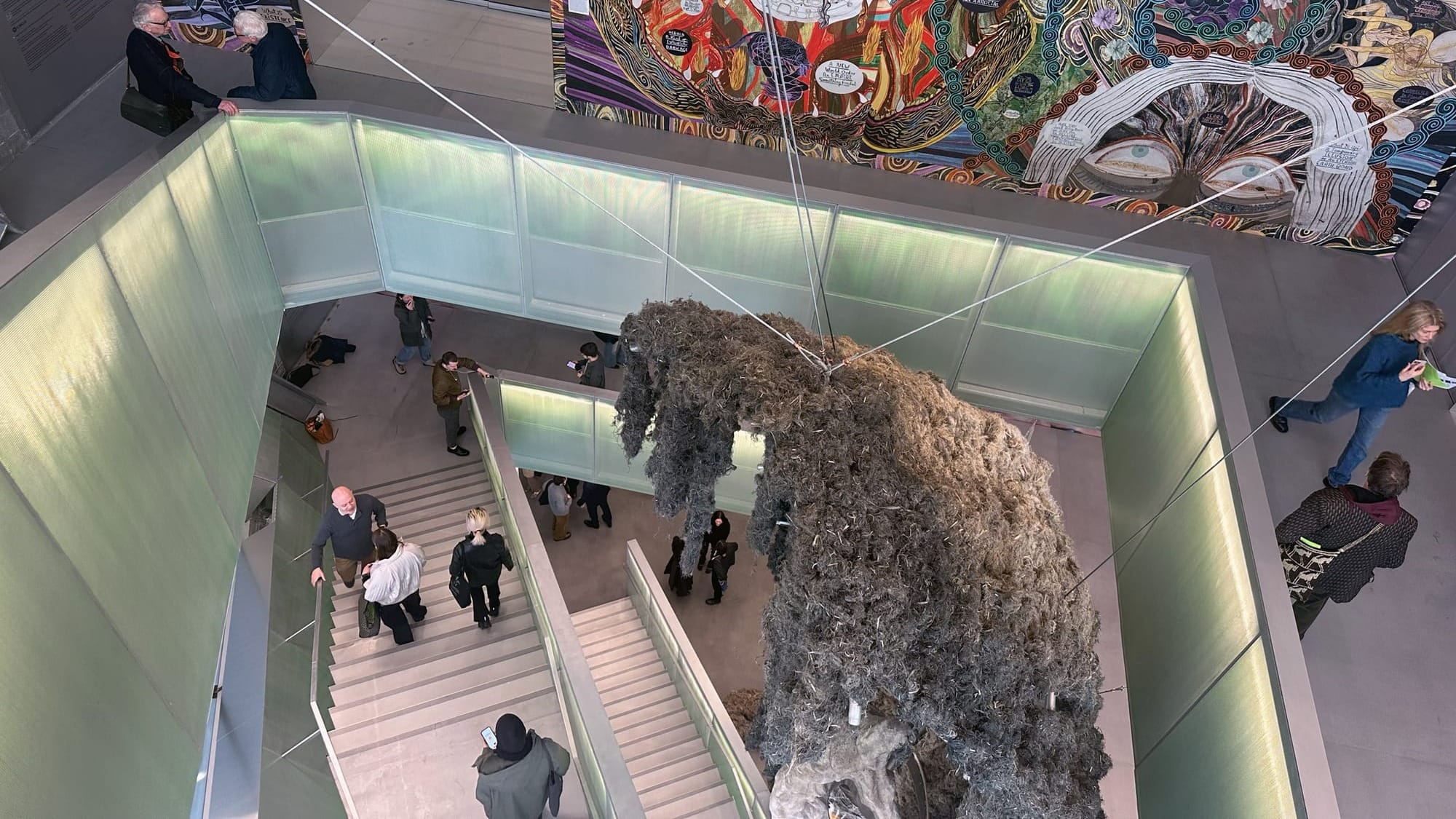
2 weeks agoThe new New Museum: now with twice the space
New York's New Museum opens an $82 million expansion on March 21, doubling its footprint to 120,000 sq. ft with new galleries, artist studios, and public spaces designed by OMA and Cooper Robertson.

Brooklyn
fromThe Art Newspaper - International art news and events
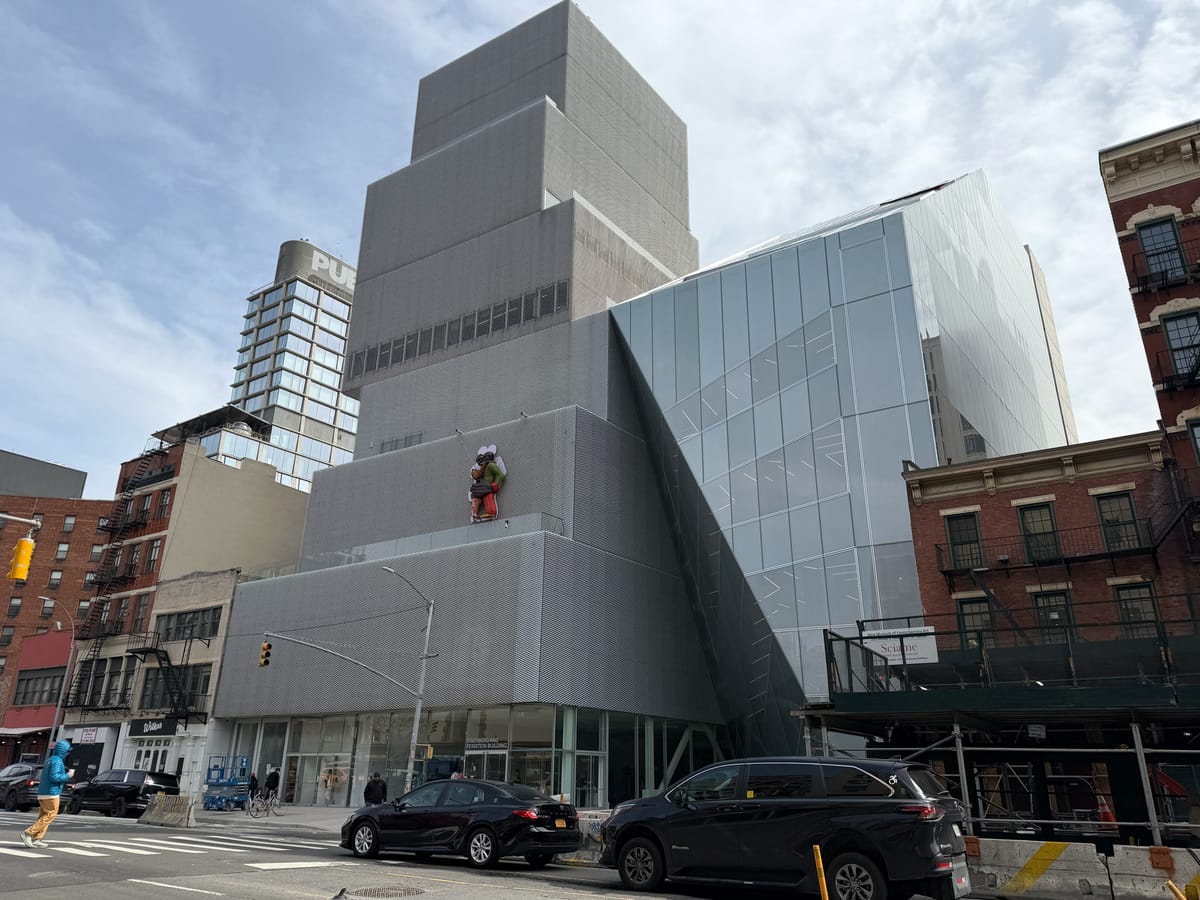
2 weeks agoThe new New Museum: now with twice the space
New York's New Museum opens an $82 million expansion on March 21, doubling its footprint to 120,000 sq. ft with new galleries, artist studios, and public spaces designed by OMA and Cooper Robertson.


fromThe Art Newspaper - International art news and events
2 days agoThe Louvre's new director is inheriting a troubled, traumatised museum-can he repair the damage?
The Louvre accumulated considerable delays in the deployment of its security equipment, in favour of an event-driven policy, a judgment Des Cars said was unfair.
Arts

Design
fromdesignboom | architecture & design magazine
5 days agoartwork uses floating fabric corridor and bodily movement to visualize climate change
Ryo Yamada's Perception Corridor is an immersive installation in Edinburgh that explores perception and environmental awareness through a 40-meter fabric corridor.
Arts
fromThe Art Newspaper - International art news and events
3 days agoPaul Pfeiffer will be inaugural artist-in-residence at Brooklyn's Barclays Center arena
Paul Pfeiffer will be the inaugural artist-in-residence at Barclays Center, focusing on media workshops for those affected by the criminal-justice system.
fromHyperallergic
3 days agoThe Art World Is a Joke
Kamrooz Aram is everywhere this year, from Mumbai Art Week to the Whitney Biennial, and critic Aruna D'Souza is grateful. She pens a beautiful meditation on his work, reading his abstract paintings as not simply a denunciation of Western modernism nor a reassertion of Islamic visual motifs, but something else entirely - something gestural, exuberant, riotous, and incomparably his own.
Arts
fromJuxtapoz
5 days agoJuxtapoz Magazine - Last Days to See Kate Meissner's New Paintings @ Lyles & King's Project Space, NYC
"These works are an exploration of the human body's elasticity and capacity to metamorphose. Informed by my own experience of pregnancy and the birth of my first child last year, these paintings are a meditation on physiological transformation and the body's underlying animalistic and mammalian nature."
Arts
fromArtnet News
4 days agoAt Art Basel Hong Kong, Wet Paint Hits Galleries, Malls, a Semi-Secret Space, and More | Artnet News
Hong Kong's particular and seductive Metabolist city planning is an ode to consumption as a great totalizer of culture, and to contemporary art as merely a niche commodity form among many others.
Arts
fromItsnicethat
1 month agoUnreal nature: Inside Mark Dorf's digital vivariums and infinite livestreams
Inside NYC-based artist Mark Dorf's project Late Pastoral, the ecological world is trapped in a rear-illuminated print. It's real - but something is off, it's been digitally altered, data-noise clutters images of glowing plant life. Shaped by the pervasive influence of technology, design and the rhythms of digital connectivity, even nature becomes at one with the unreal. Non-human nature is the main thesis of Mark's wide-spanning digital art works, offering reflections on our digital age.
Film
fromArtforum
2 months agoCommercial Break
AT FIRST GLANCE, the phrase "avant-garde advertising" might seem like a contradiction in terms: The avant-garde is assumed to be inherently anti-capitalist and the realm of advertising crassly commercial. But the involvement of avant-garde artists with advertising is in fact rich, complex, and long-standing, encompassing a full century of collaborations, critiques, and reworkings of all sorts. That entanglement-in all its diversity-is the topic
Film

Arts
fromwww.amny.com
2 weeks agoA Living Canvas: Adrian K and the alchemy of art, appetite, and atmosphere at Pinky Swear | amNewYork
Adrian K's three-month residency at Pinky Swear merges art with social participation, using reclaimed materials to create work that balances ethereal beauty with urgent activism and circular economy principles.
Design
fromThe Art Newspaper - International art news and events
2 months agoHow an artist's sketch was turned into a museum
A museum design translates a blue-house and white-tower sketch into a tiled architectural language reflecting regional materials, cultural markers, and historic South–West Asian trade links.
fromHyperallergic
3 weeks agoEmbracing Friction in the Art World
On Franklin Street in Brooklyn's Greenpoint neighborhood, one non-commercial gallery fosters 'a small, stubbornly human space for friction.' Friction—the ubiquitous buzzword that captures the simultaneous delight and discomfort of doing things the slow way—is at the heart of artists Pap Souleye Fall and Char Jeré's current show at Subtitled NYC. It also reflects the overall spirit of this little exhibition space and of a burgeoning movement to reject our culture of optimization in favor of a bumpier, more intimate, less alienating experience.
Arts
fromJuxtapoz
2 months agoJuxtapoz Magazine - Misfits: Daniel Nunez Explores a New Freedom @ GR Gallery, New York
"The four large-scale canvases that constitute the core of ' Misfits' maintain the fundamental elements of the artist's visual lexicon while radically reconfiguring compositional structure and spatial organization. These works advance a design freedom that is simultaneously forceful and controlled, achieving a balance between expressive intensity and formal restraint. As such, the series marks a decisive moment in Nuñez artistic evolution and possibly an initial step toward a more profound and transformative reorientation of his practice."
Arts
[ Load more ]