Mental health
fromPsychology Today
2 days agoWhat's Missing in Chronic Pain Treatment?
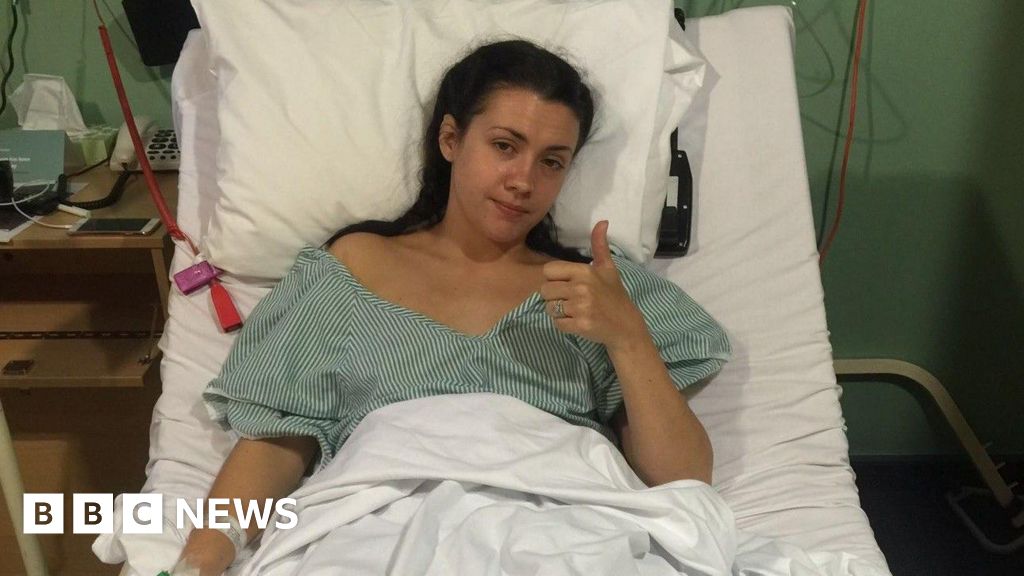
Chronic pain significantly impacts individuals with bipolar disorder, affecting their mental health and recovery process.
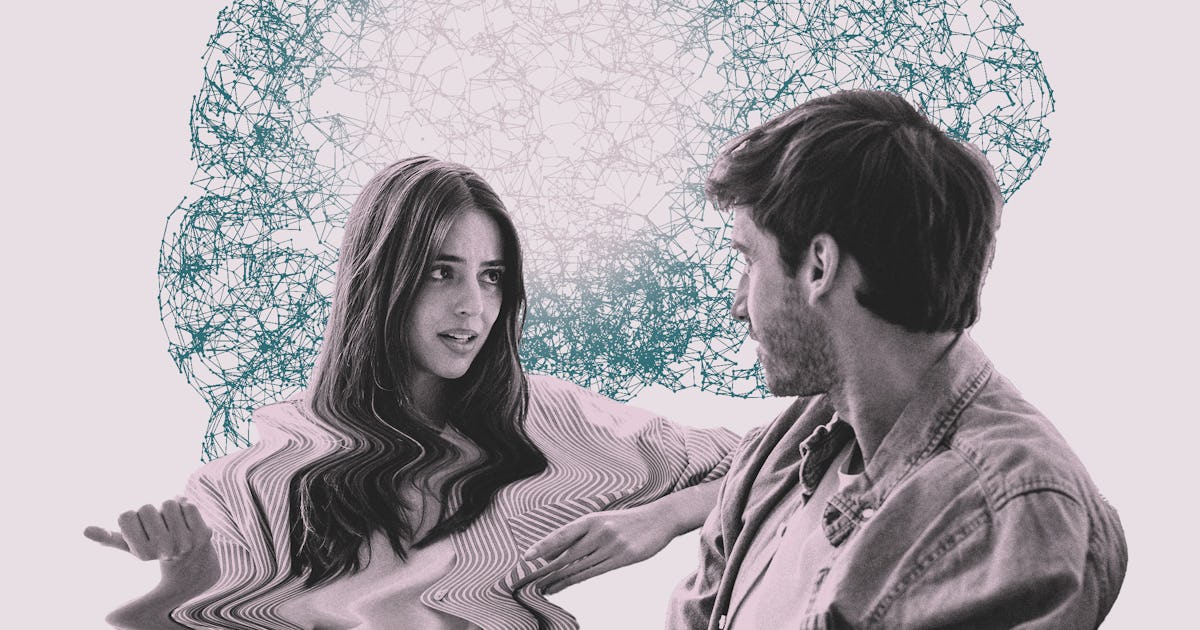
Devon Hase states, 'People are trying desperately to fix, optimize, or escape their way out of relationship difficulty - and suffering more for the effort. Social media has made this worse! We're surrounded by images of perfect partnerships while quietly drowning in our own ordinary struggles.' This highlights the pressure couples feel in the age of social media.
It is one of the most common reasons that adults look for medical care. In fact, according to the Centers for Disease Control and Prevention (CDC), there are over 58 million adults who are living with doctor-diagnosed arthritis in the US alone. In addition to this, over 25 million people battle with daily limitations caused by joint pain. (CDC, 2024). Probably, even more concerning, is the fact that an estimated 15 million adults experience severe joint pain rated
Some people tolerate pain better than others, and emotional pain (anxiety, anger, depression) is no different. Some can endure and are resilient, with high tolerance levels, while others—due to trauma, personality, or physical makeup—have lower ones. Just as your doctor suggests ways to manage physical pain, there is much you can do to handle emotional pain.
Low back pain is the most common and debilitating of all pain complaints. Heavy lifting can cause it, but so can sitting at a desk all day, especially if you have bad posture and poor back support. Think hunching over a laptop at your dining table. Most times, an acute injury causing lower back pain will get better on its own in a matter of weeks. But it also can become a more lasting problem, especially as you age. Now some new science suggests one reason for this could be that we've been approaching the inflammation that comes with back pain all wrong.
Our brain interprets grief as stress. As a result, it activates our stress-response systems, especially the hypothalamic-pituitary-adrenal (HPA) axis and the sympathetic nervous system. These systems release stress hormones such as cortisol and adrenaline, which are meant to protect the body in short-term crises. In acute grief, these responses are adaptive. They help us cope with shock and disruption. If unresolved, however, the same systems can become dysregulated.
On social media, television, and wellness apps, mindfulness is often shown as one simple thing-staying calm and paying attention to the moment. Large companies like Google use mindfulness programs to help employees stay focused and less stressed. Hospitals use it to help people manage pain and improve mental health. Millions of people now use mindfulness apps that promise everything from lowering stress to sleeping better.
Suicide is a cause of death that haunts the living in perpetuity. After a suicide event, those left behind are tormented by questions. "Could I have done something?" "What did I miss?" "How could this happen?" "Was it my fault?" Even the best answers fail to return the person lost, and natural grief is often compounded with unnecessary blame. Discussions about suicide prediction and prevention primarily focus on known risk factors such as mental illness and suicidal ideation. 1
Healthcare spending in the United States continues its upward climb, approaching $5 trillion annually in 2023. Employer-sponsored family plans now average $27,000 per year, placing mounting pressure on households and businesses. Yet despite this spending, the country's health outcomes remain far from world-leading. The latest OECD data show U.S. per-person spending is roughly twice the OECD average, with Switzerland and Germany trailing behind as the next highest spenders.