#chuck-radtke
#chuck-radtke
[ follow ]
#art #contemporary-art #sculpture #photography #art-exhibition #performance-art #new-york-city #public-art #painting
fromHi-Fructose Magazine - The New Contemporary Art Magazine
2 days agoKyle Cobban Draws From The Unknown - Hi-Fructose Magazine
"It's an amalgamation of the Chicago neighborhood aesthetic with a Bulls fan, quite literally. It's kind of on the nose, but that's how I juxtapose the elements of my work, with the structure of a home and then a figure who is around or in the home."
Chicago Bulls
fromdesignboom | architecture & design magazine
3 days agohow lachlan turczan reshapes matter by bending light and water in atmospheric installations
Lachlan Turczan's practice sits in the space between physics, optics, and environmental art, as he works with lasers, water, mist, and custom-built lenses to produce sculptures made entirely from light.
Berlin music
Renovation
fromdesignboom | architecture & design magazine
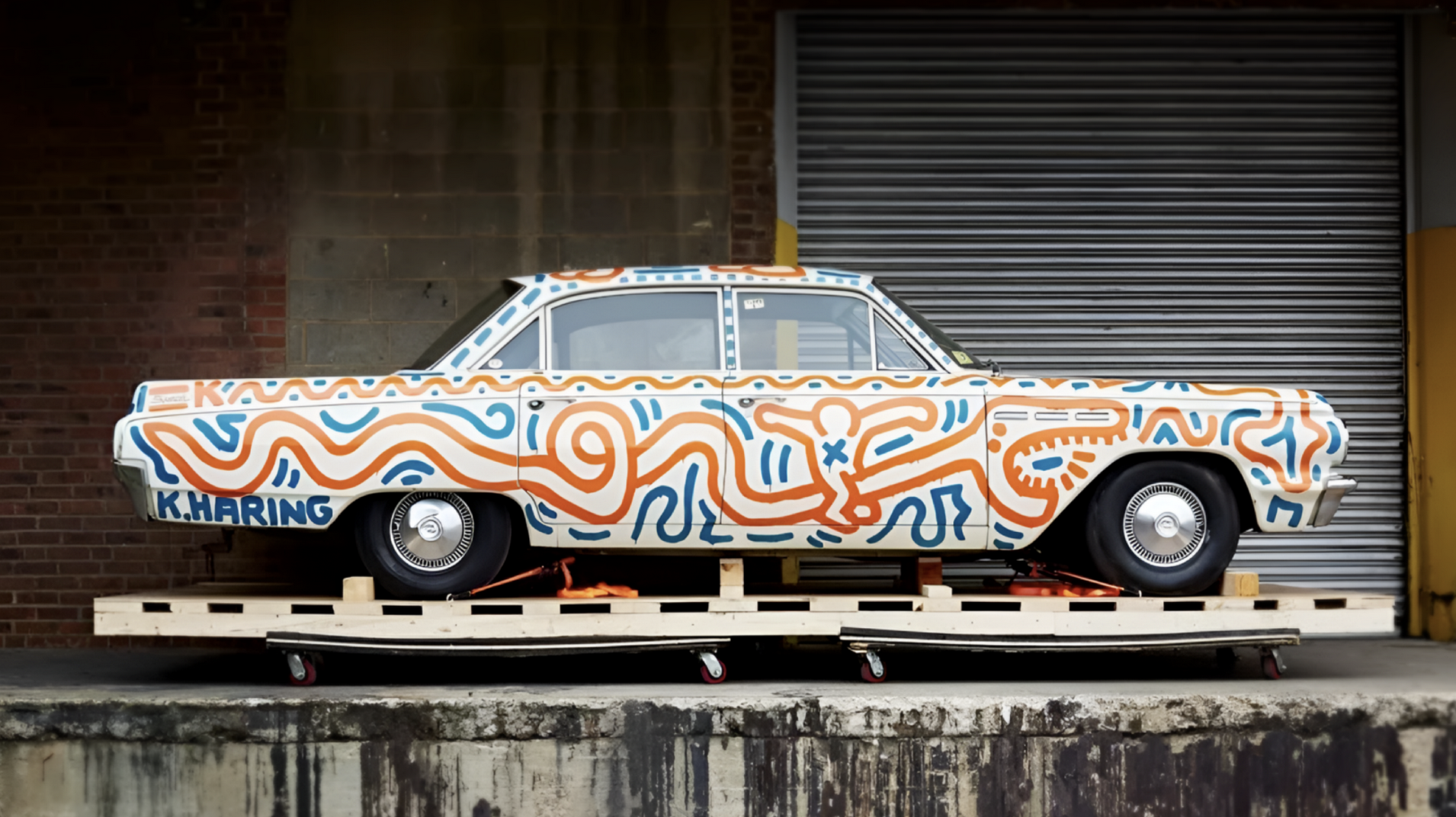
6 days agopaul rudolph's historical walker guest house returns in exhibition curated by A$AP rocky
The Walker Guest House, designed by Paul Rudolph, is showcased in Los Angeles with original and modern design elements, highlighting its significance in American modernism.

Design
fromYanko Design - Modern Industrial Design News
1 week agoThis walkable steel sculpture turns geometric chaos into an experience - Yanko Design
Five Fragmented Cubes is an interactive sculpture designed for immersion, challenging traditional viewing by inviting people to enter and explore its structure.
fromSPIN
2 weeks agoWhitney Johnson, Lia Kohl, and Macie Stewart Go Beyond the Chamber - SPIN
All but one of the song titles on Body Sound, the debut album from experimental string trio Whitney Johnson, Lia Kohl, and Macie Stewart, line up nicely-a few words, usually two, usually nouns, separated by a vertical line. The straight line in the middle means different things in different disciplines. In computing, it's called a 'pipe' and serves as a conduit. In poetry, it denotes a pause or break. In music, it marks the beginning and end of measures.
Music
Washington DC
fromThe Atlantic
3 weeks agoThe Wrecking of the Kennedy Center
Ric Grenell's departure from the Kennedy Center after 13 months ends a controversial period, with facilities expert Matt Floca replacing him as Trump continues his planned two-year renovation and restructuring of the institution.

Graphic design
fromHi-Fructose Magazine - The New Contemporary Art Magazine
3 weeks agoIn Blob We Trust: The Art of KRK Ryden - Hi-Fructose Magazine
KRK Ryden's vibrant, chaotic home studio and colorful paintings reflect his artistic philosophy of controlled chaos organized by color, pattern, and theme.
Arts
fromThe Art Newspaper - International art news and events
2 days agoPaul Pfeiffer will be inaugural artist-in-residence at Brooklyn's Barclays Center arena
Paul Pfeiffer will be the inaugural artist-in-residence at Barclays Center, focusing on media workshops for those affected by the criminal-justice system.
Miscellaneous
fromdesignboom | architecture & design magazine
1 month agodesignboom radar: exhibitions to see around the world this march
March exhibitions highlight architecture, materials, and design across São Paulo, Tashkent, Tokyo, and London, featuring Schiaparelli's fashion retrospective and Vignelli design legacy.
fromJuxtapoz
5 days agoJuxtapoz Magazine - Last Days to See Kate Meissner's New Paintings @ Lyles & King's Project Space, NYC
"These works are an exploration of the human body's elasticity and capacity to metamorphose. Informed by my own experience of pregnancy and the birth of my first child last year, these paintings are a meditation on physiological transformation and the body's underlying animalistic and mammalian nature."
Arts
fromHyperallergic
3 days agoThe Art World Is a Joke
Kamrooz Aram is everywhere this year, from Mumbai Art Week to the Whitney Biennial, and critic Aruna D'Souza is grateful. She pens a beautiful meditation on his work, reading his abstract paintings as not simply a denunciation of Western modernism nor a reassertion of Islamic visual motifs, but something else entirely - something gestural, exuberant, riotous, and incomparably his own.
Arts
#art


Arts
fromIrish Independent
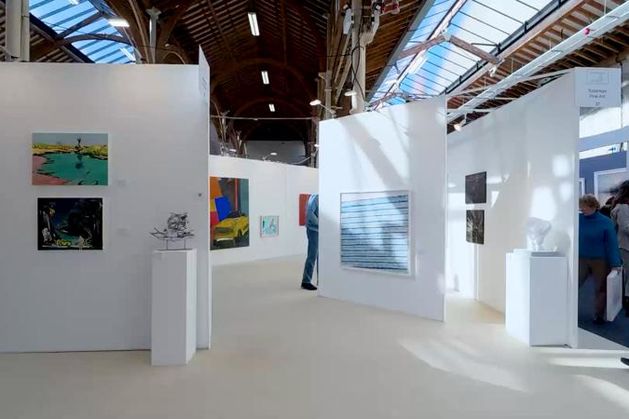
4 days ago'You have to step in and experience it' - artists on the rise of AI-generated art and the 'essential' gallery visit
Miriam Fitzgerald Juskova's exhibit combines paper quilling with mathematics, showcasing intricate art that engages viewers and emphasizes the value of handmade creations.
fromBOOOOOOOM!
3 days ago"Idling" by Artist Greta Kresse
"These paintings merge the landscape and the intimacy of windows through the framing of the car, bridging the two realms I've typically explored separately. The car becomes a meditation on transition, on existing simultaneously here and elsewhere."
Arts
fromwww.theguardian.com
1 month agoAll the world's enraged: a new era of resistance theater' is rising as Trump attacks the arts
On a cool winter night in Los Angeles, dozens gathered to protest the Trump administration's attacks on the arts and the recent federal immigration raids in southern California. But these protestors didn't carry signs or chant in front of a government building they recited poems such as Antifa Tea Party and Love in Times of Fascism. They performed anti-fascist improv to a small but lively crowd at The Glendale Room, a library-themed theater, as part of the monthly show Unquiet: A Night of Creative Resistance.
US politics
fromItsnicethat
1 month agoUnreal nature: Inside Mark Dorf's digital vivariums and infinite livestreams
Inside NYC-based artist Mark Dorf's project Late Pastoral, the ecological world is trapped in a rear-illuminated print. It's real - but something is off, it's been digitally altered, data-noise clutters images of glowing plant life. Shaped by the pervasive influence of technology, design and the rhythms of digital connectivity, even nature becomes at one with the unreal. Non-human nature is the main thesis of Mark's wide-spanning digital art works, offering reflections on our digital age.
Film
fromdesignboom | architecture & design magazine
2 months agodesignboom radar: exhibitions to see around the world this february
Ceramic works by Nicole Cherubini emphasize motifs of collage at Friedman Benda in New York, while the Berlin show, Vital Architecture: Between Idealism and Reality, turns attention to the built environment, tracing how architectural thinking negotiates environmental conditions and history through research-driven practice. Questions of time, inheritance, and transformation run through the month.
Berlin
#public-art
Arts
fromwww.amny.com
2 weeks agoChasing Rainbows: The radical intimacy of monumental public art | amNewYork
Charlotte Colbert's public art installation in Manhattan uses monumental scale and reflective surfaces to introduce interiority and psychological depth into urban space, challenging the city's doctrine of acceleration and assertion.
Arts
fromwww.theguardian.com
2 weeks agoAbsolutely transformative': Willem de Kooning exhibition uncovers raw intensity of early work
Willem de Kooning's 1948 solo exhibition at Charles Egan Gallery launched his international career, establishing him as a pre-eminent painter by the 1950s through his innovative exploration of figuration and abstraction.
fromHyperallergic
2 weeks agoWhat Do We Really Think of the New New Museum?
The new New Museum is many things: contemporary, perhaps, but also a science, history, anthropology, and many other museums in one. It echoes the desire of its patron class to own the world and its affiliated courtier class to deliver it to them on a silver platter, or encased in perforated metal, in this case.
Arts
fromHyperallergic
3 weeks agoEmbracing Friction in the Art World
On Franklin Street in Brooklyn's Greenpoint neighborhood, one non-commercial gallery fosters 'a small, stubbornly human space for friction.' Friction—the ubiquitous buzzword that captures the simultaneous delight and discomfort of doing things the slow way—is at the heart of artists Pap Souleye Fall and Char Jeré's current show at Subtitled NYC. It also reflects the overall spirit of this little exhibition space and of a burgeoning movement to reject our culture of optimization in favor of a bumpier, more intimate, less alienating experience.
Arts
Arts
fromArtnet News
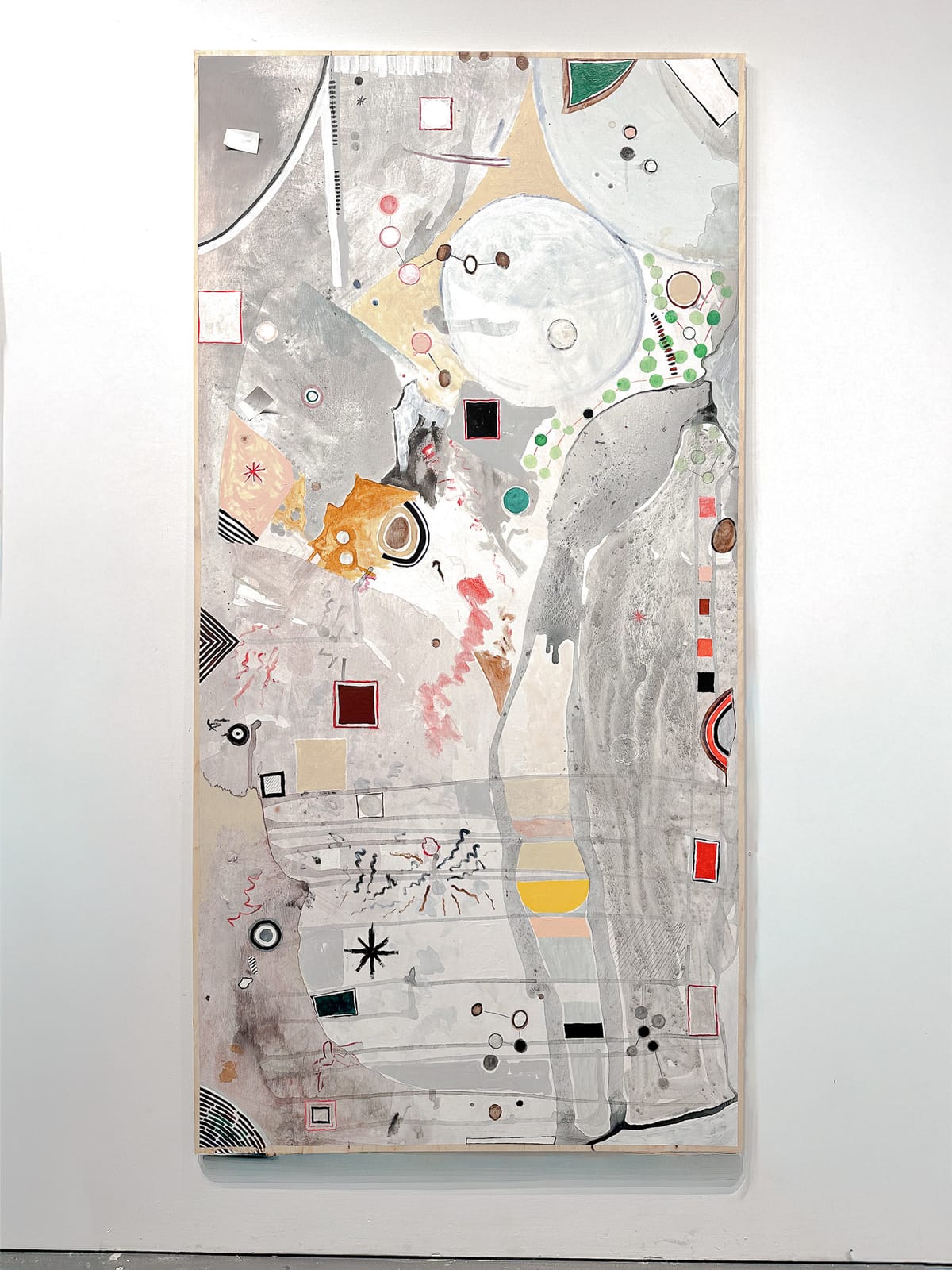
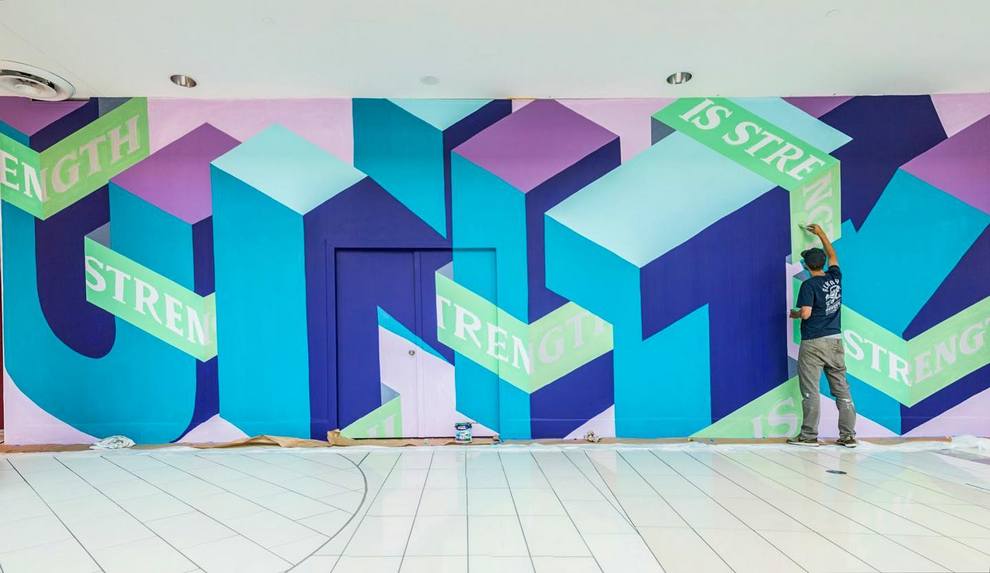
3 weeks agoBlink and You'll Miss It! 3 New York Shows With Painfully Short Runs | Artnet News
Gallery exhibition runs have lengthened from weeks to five or six weeks due to increased competition and high mounting costs, though a countermovement of brief, limited-time shows is emerging.
Arts
fromJuxtapoz
1 month agoJuxtapoz Magazine - Rise above it: John Rivas @ Francois Ghebaly New York
Salvadoran-American artist John Rivas expands his mixed-media practice into hand-carved wooden sculpture, exploring cultural identity, family labor, and personal memory through material resourcefulness and collaborative processes.
fromColossal
2 months agoLuftwerk Transforms Paint and Aluminum into Radiant Explorations of Sunlight
Topped with a roof shaped like a crabshell, Le Corbusier's Chapelle Notre-Dame-du-Haut is a sanctuary amid the French mountainside. The 1955 construction rests atop a hill in Ronchamp, standing unobstructed by the otherwise forested inclines. As the sun rises and falls, light filters in through the mélange of rectangular windows tinted to cast streams of color around the space. The stained glass apertures of Le Corbusier's modernist chapel are a clear reference point for Luftwerk's "Open Frame."
Arts


fromwww.amny.com
2 months agoGoing Under the Radar' with international experimental theater amNewYork
Two years ago, the annual Under the Radar festival (which showcases international, experimental and multidisciplinary theater) was unexpectedly canceled by the Public Theater, its longtime presenter, due to financial issues. In response, the festival was quickly reconceived as a citywide effort involving several other theater companies, allowing it to move forward. The festival, now in its 21st edition, returns this month with productions at theaters across the city from Jan. 7 to 25.
Arts
Arts
fromThe Art Newspaper - International art news and events
2 months agoNew experimental art organisation opens in New York
Summer Guthery and Francesca Sonara launch Times, a small, nimble three-year Manhattan art space prioritizing artists' needs, flexibility, and rejection of perpetual-growth institutional models.
fromBitcoin Magazine
1 month agoRutherford Chang Retrospective: Hundreds And Thousands At UCCA Beijing
But they also miss what makes his approach distinctive. Chang worked with objects that industrial culture designed to be identical: records pressed in millions of copies, portraits drawn according to strict house style, coins minted for perfect interchange. His interest lay in the precise moment when the promise of sameness begins to fail, when time and human handling leave marks that transform supposedly identical objects into singular things.
Arts
[ Load more ]