#collective-knowledge-and-resistance
#collective-knowledge-and-resistance
[ follow ]
#community-organizing #lgbtq-rights #civic-engagement #environmental-justice #protest #social-justice #democracy
fromSmithsonian Magazine
1 day agoNative Nations Fought in the American Revolution to Protect Their Ancestral Lands. After the War, Settlers Seized Their Territory Anyway
"Once the Declaration of Independence is issued by Congress, then it kind of changes the calculus. Then, both sides are putting pressure on Native people to join one side or the other."
History
fromTruthout
2 days agoRupture and Repair Under Fascist Conditions
"We have a great opportunity in our movements to learn how to be opponents without being enemies," says Tanuja Jagernauth. This perspective emphasizes the importance of maintaining respect and understanding even amidst conflict.
Social justice
LGBT
fromInside Higher Ed | Higher Education News, Events and Jobs
4 days agoAcknowledgment of Violence Against Black Trans Girls, Women
Legislative actions increasingly target transgender rights, particularly affecting Black women and girls, compounding their vulnerability to violence and discrimination.
Left-wing politics
fromNonprofit Quarterly | Civic News. Empowering Nonprofits. Advancing Justice.
5 days agoHow to Undermine Authoritarian Control: On Empowering Parallel Institutions | Nonprofit Quarterly | Civic News. Empowering Nonprofits. Advancing Justice.
Civil society must demonstrate the necessity of democratic institutions and social services to protect them from dismantling efforts by ultra-elites.
Media industry
fromNonprofit Quarterly | Civic News. Empowering Nonprofits. Advancing Justice.
4 days agoPolitics in an Attention Economy | Nonprofit Quarterly | Civic News. Empowering Nonprofits. Advancing Justice.
Candidates must be cultural figures to succeed in today's American politics, navigating an attention economy shaped by algorithms.
fromNonprofit Quarterly | Civic News. Empowering Nonprofits. Advancing Justice.
3 weeks agoRotating the Clipboard Built Our Workplace Democracy | Nonprofit Quarterly | Civic News. Empowering Nonprofits. Advancing Justice.
Losing staff could be detrimental to the projects we worked on, and there was a growing dissatisfaction with how meetings were run. These mostly one-sided discussions left the quieter half of us feeling pushed aside, like our thoughts didn't matter much. If things stayed this way, I worried the good people on our team would start quitting one by one.
Non-profit organizations
fromwww.npr.org
3 weeks agoPhotos: These bold women stand up for justice, rights ... and freedom
During World War I, women in Russia went on strike. They demanded "bread and peace." Among the results of their four-day protest: the Czar abdicated and women gained the right to vote. This bold strike began on Feb. 23, 1917, according to the Julian calendar then used in Russia. That date translated to March 8 in the Gregorian calendar that much of the world uses.
Women
Education
fromArchDaily
1 month agoWhen the School Becomes the City: Community-Centered Projects in the Global South
School architecture functions as a catalyst for social transformation by creating multifunctional civic spaces that integrate education, culture, sports, and community engagement within urban territories.
fromNonprofit Quarterly | Civic News. Empowering Nonprofits. Advancing Justice.
1 week agoYou Don't Have to Be Unionized to Be United | Nonprofit Quarterly | Civic News. Empowering Nonprofits. Advancing Justice.
The labor of this kind of organizing was invisible and deeply exhausting. In a precarious workplace, where a so-called 'performance review' could amount to job loss, organizing meant building a bridge while standing on it.
Social justice
Education
fromTruthout
1 month agoWe Must Defend Black History - It Fuels Freedom Dreams of Students Under Attack
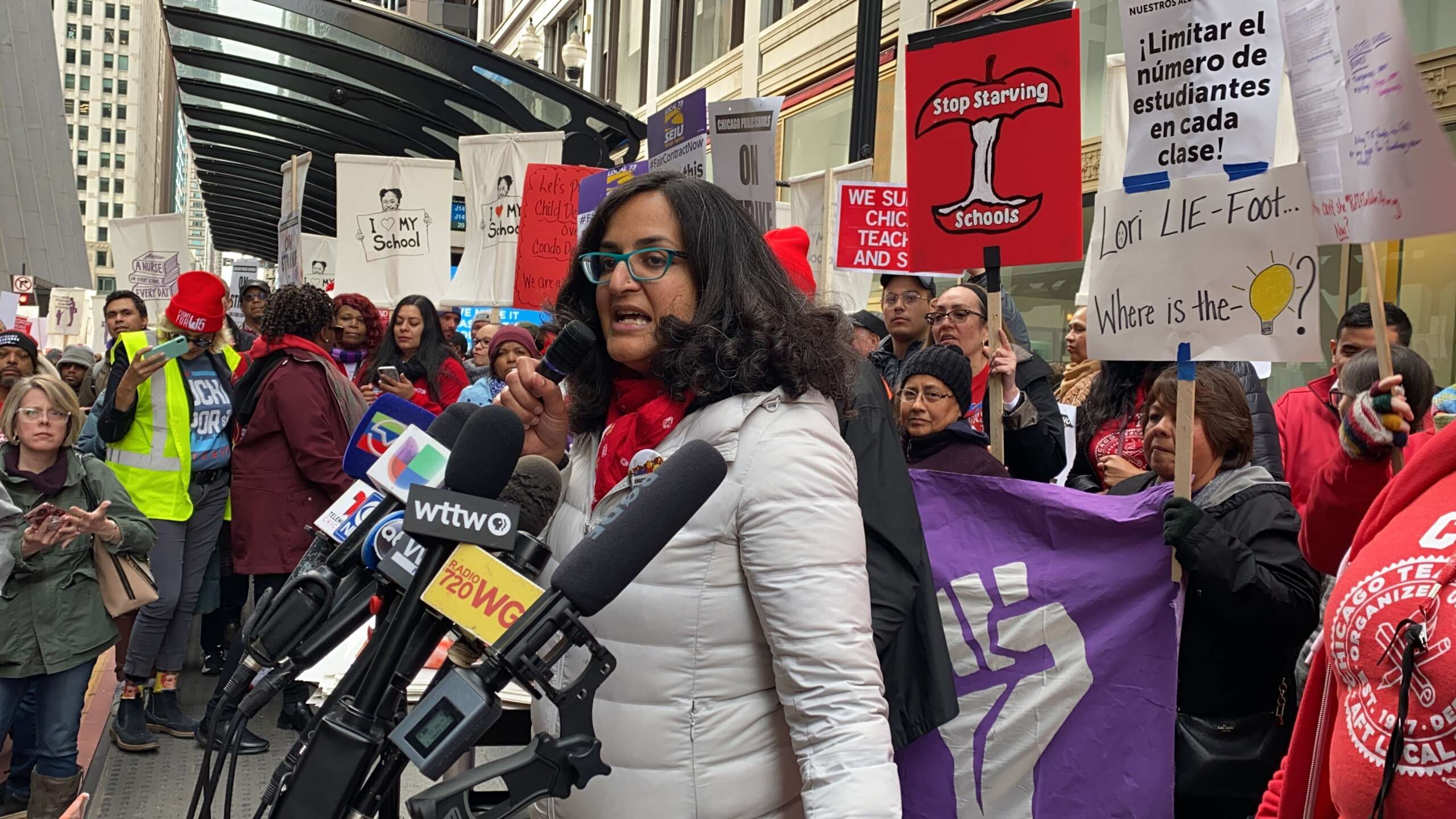
Teachers must transform curricula to eliminate biases and systems of domination while protecting vulnerable students, particularly Black students and students of color, from contemporary educational injustices.
#community-organizing

Social justice
fromTruthout
2 weeks agoFighting Cancer Has Given Me New Insights on the Anti-Fascist Challenge We Face
A cancer diagnosis at 15 prompted protective health decisions that ultimately led to discovering community organizing as a transformative path toward collective power and social justice work.
fromTruthout
4 weeks agoThe Science of Unlearning And Why Organizers Need It
Real change rarely happens through debate or persuasion. Instead, transformation grows out of relationships, shared struggle, cognitive dissonance, and practice. Together, Kelly and Lewis explore what organizers can learn from the science of neuroplasticity, the role of rupture and confrontation, and why movements need to focus less on 'changing minds' and more on creating conditions where people can unlearn harmful beliefs and step into collective action.
Social justice


Food & drink
fromenglish.elpais.com
2 months agoA recipe for resistance: Indigenous peoples politicize their struggles from the kitchen
Indigenous food cultures preserve biodiversity, seed sovereignty, and traditional techniques, resisting homogenizing Western diets through communal knowledge, cultivation, fishing, and shared recipes.
Marketing
fromBuffer: All-you-need social media toolkit for small businesses
2 months agoWe Should All Be Building People-First Communities in the Age of AI
Human connection and community-driven trust outperform synthetic signals; prioritize building real relationships because people, not AI, scale lasting trust for brands and creators.
fromNonprofit Quarterly | Civic News. Empowering Nonprofits. Advancing Justice.
1 month agoWho Holds Narrative Authority? Reflections from "Reframing Resistance" | Nonprofit Quarterly | Civic News. Empowering Nonprofits. Advancing Justice.
In the environmental nonprofit sector, "centering frontline voices" has become a familiar slogan, often detached from how decisions are made or resources allocated. It appears in grant proposals, conference agendas, and organizational values statements. And yet, too often, those voices are still positioned as illustrative rather than authoritative-invited to animate strategies already decided, asked to translate lived experience into language legible to funders, or flattened into narratives that travel more easily than the truths they carry.
Environment
Fundraising
fromNonprofit Quarterly | Civic News. Empowering Nonprofits. Advancing Justice.
1 month agoGiving Bigger, Organizing More Boldly: Centering Disability Justice | Nonprofit Quarterly | Civic News. Empowering Nonprofits. Advancing Justice.
Centering Disability Justice reveals marginalized edges hold deep lessons and requires investing wealth and inheritance into movement infrastructure for collective liberation.
fromApaonline
2 months agoThreading the Needle: Can We Respect Local Knowledge While Resisting Misinformation?
It's common knowledge that we are awash in misinformation that can have severe negative consequences for society. When people hold false beliefs about the safety of vaccines, the outcomes of elections, or the causes of climate change, it is much more difficult for them to make responsible decisions on behalf of their families and communities. It is tempting to respond to this challenge by insisting that expert scientists know best and to dismiss those who challenge the experts.
Philosophy
fromTruthout
1 month agoAnti-ICE Organizing Is Creating Counter-Institutions Based on Care
The U.S.'s political landscape - and our daily lives - are increasingly shaped by repression and violence, amplified by a media cycle designed to keep us fearful in the present, uncertain about the future, and depleted. Exhaustion is not a side effect of this system. It is one of its core tools. Last year, I wrote that Donald Trump's attacks were designed to exhaust us. Over the past year, I've watched communities build movements and adapt their organizing under this reality.
US politics
fromHyperallergic
2 months agoMapping a Feminist Cosmos
Art, at its very best, reminds me that there is a world out there that I not only belong to but trust - perhaps even love. Sandra Vázquez de la Horra's beeswax-dipped drawings of erupting women, mystical landscapes, and hallucinatory flora in The Awake Volcanoes at the Institute of Contemporary Art, Los Angeles, did just that. Oh, that old mystery of finding oneself reflected in the material fragments of someone else's private imaginary.
Arts
US politics
fromNonprofit Quarterly | Civic News. Empowering Nonprofits. Advancing Justice.
2 months agoWomen's Rights Under Siege-but We've Come Too Far to Go Back | Nonprofit Quarterly | Civic News. Empowering Nonprofits. Advancing Justice.
Legal, economic, and cultural gains for women are being actively rolled back, requiring state-level organizing to protect and advance rights.

fromNonprofit Quarterly | Civic News. Empowering Nonprofits. Advancing Justice.
1 month agoPhilanthropy Must Defend the Right to Bear Witness | Nonprofit Quarterly | Civic News. Empowering Nonprofits. Advancing Justice.
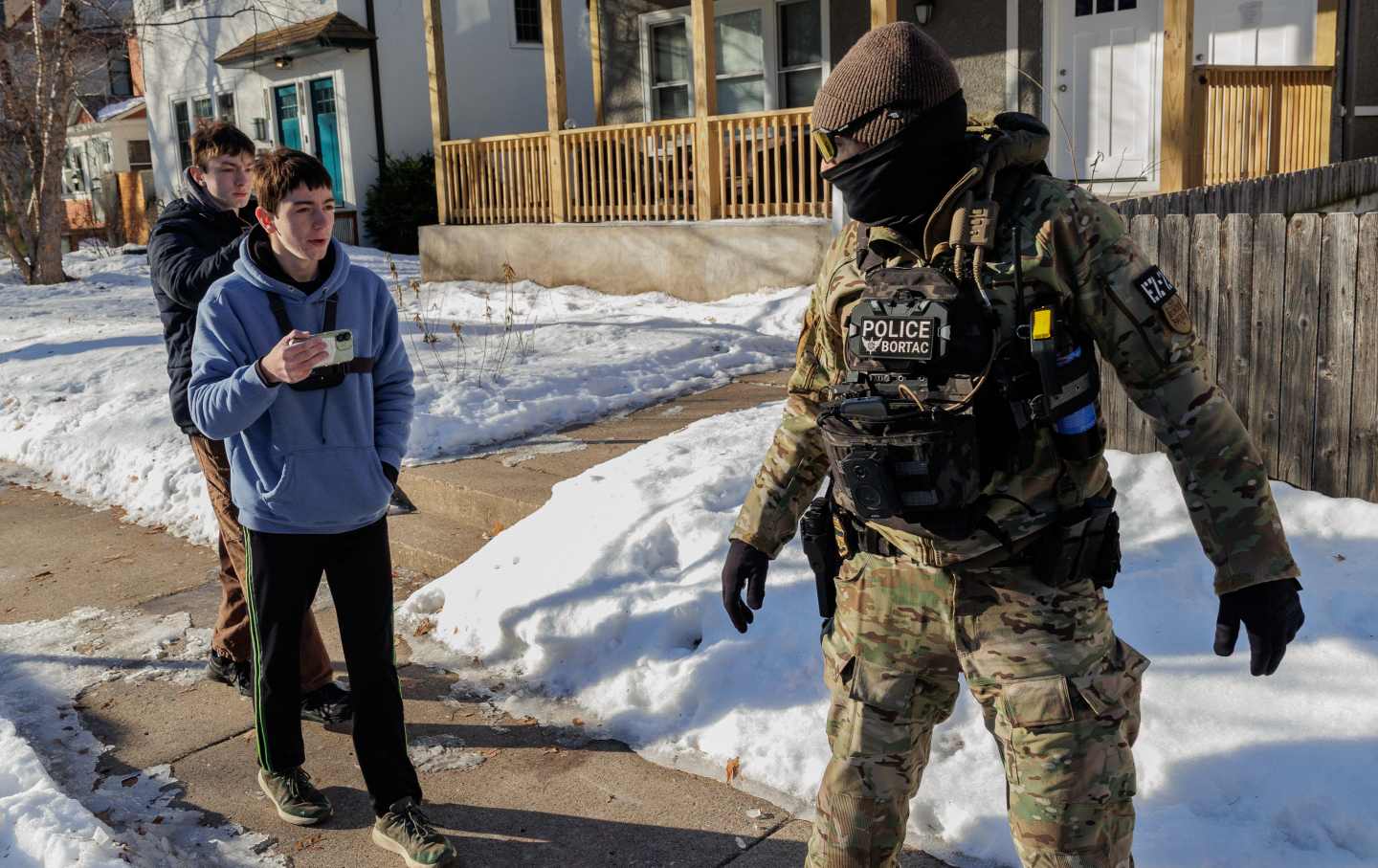
"Are you okay?" These were Alex Pretti's last words, said to a woman after ICE agents had tackled and pepper-sprayed her. Videos from bystanders show Pretti holding up a phone, attempting to document what was happening before he himself was pepper-sprayed, wrestled to the ground, and killed by those officers. He lost his life not for committing violence, but for documenting it, and stepping in to protect someone facing it.
US politics
fromPsychology Today
2 months agoHow Can We Change the World?
There's a myth in our society that real change requires force, strength, and domination. We celebrate athletes, CEOs, and politicians who crush their opponents. But history tells a different story. Lasting social change has often been triggered by humble people whose weapons were passion, principle, and an unwavering commitment to justice and the truth - not the truth we see on TV or read in print media, but rather the truth that we feel deep inside ourselves.
Social justice
Social justice
fromNature
1 month agoMy professor said 'Black people are not interested in the environment'. I set out to prove him wrong
Dorceta Taylor pioneered research, programs, and leadership to document and advance racial diversity, inclusion, and environmental justice within environmental science and conservation.
[ Load more ]