#content-licensing-policy
#content-licensing-policy
[ follow ]
#copyright #meta #social-media #intellectual-property #copyright-law #ai #youtube #google #advertising #fair-use
fromwww.theguardian.com
1 day agoSix great reads: the OnlyFans legacy, stolen cargo and Meta's creepy' glasses
Leonid Radvinsky's death leaves a void in the leadership of OnlyFans, a platform that has transformed the adult content landscape. His secretive management style and the controversies surrounding the site have raised questions about its future direction and stability.
Photography
#copyright-law
Intellectual property law
fromThe IP Law Blog
5 days agoTropes Aren't Theft: What Freeman v. Wolff Teaches About Substantial Similarity in YA Fantasy Fiction
The court ruled that substantial similarity in copyright law requires more than just shared themes or ideas, emphasizing the importance of protectable expression.
#meta


Law
fromwww.cnbc.com
1 day agoMeta, Google under attack as court cases bypass 30-year-old legal shield
Meta and Google face legal challenges undermining their protections under Section 230, particularly regarding child safety and content moderation.

fromFast Company
1 day agoHarperCollins is forging ahead with AI-assisted dramas based on books. Some authors have concerns
Toonstar's proven ability to translate beloved stories into engaging animation, while keeping artists at the center of the process, makes them the ideal partner to bring Friendship List and other popular titles to new audiences in formats today's families love.
Media industry
fromTheregister
1 day agoNow even Netflix has its own video AI
VOID stands for Video Object and Interaction Deletion. It's a VLM (vision-language model) that can not only erase objects from a scene but can also inpaint how remaining objects in the scene should behave without the influence of whatever was excised.
Independent films

fromIrish Independent
2 days agoSky should drop 'greedy' legal action against dodgy box users, TD Paul Murphy says
Sky intends to use the information obtained from a court case to take legal actions against the resellers and some of the end users, marking the first time end users could face legal action.
EU data protection
#ai
Intellectual property law
fromFuturism
1 day agoAnthropic Suddenly Cares Intensely About Intellectual Property After Realizing With Horror That It Accidentally Leaked Claude's Source Code
Anthropic's copyright takedown request for its AI model's source code highlights hypocrisy in its stance on copyright laws.



#openai
Marketing tech
fromExchangewire
6 days agoDigest: OpenAI Extends Ad Pilot Beyond April; X Ad Boycott Lawsuit Dismissed by US Judge; Disney+ Seals RTVE Fast-Stream Deal
OpenAI extends its ad pilot internationally, while a lawsuit against X over an ad boycott is dismissed, and Disney+ strikes a streaming deal with RTVE.
Books
fromwww.theguardian.com
3 weeks agoThe Guardian view on changes to copyright laws: authors should be protected over big tech | Editorial
Writers are protesting unauthorized AI training on their work through labeling schemes and blank books, demanding government protection against copyright relaxation that would allow AI companies to use their content without consent or payment.
#social-media
Law
fromMuse by Clios | Discover the latest creative marketing and advertising news. Muse by Clio is the premier news site covering creativity in advertising and beyond.
4 days ago2 Rough Social Media Rulings Could Actually Improve the Platforms | Muse by Clios
Recent jury verdicts against Meta and YouTube signal a shift in accountability for social media platforms regarding child safety and mental health.
fromComputerworld
2 days agoOnlyOffice accuses Euro-Office of licensing violations, suspends Nextcloud partnership
OnlyOffice stated that those accessing its code under the GNU Affero General Public License v3 are required to retain its branding and provide proper attribution to the original technology. Euro-Office's failure to meet these conditions constitutes an infringement of the copyright holder's exclusive rights.
Intellectual property law
#copyright
Intellectual property law
fromIPWatchdog.com | Patents & Intellectual Property Law
3 days agoAs 'Pro Codes Act' is Reintroduced, Opponents Warn of Threats to Standards Development System
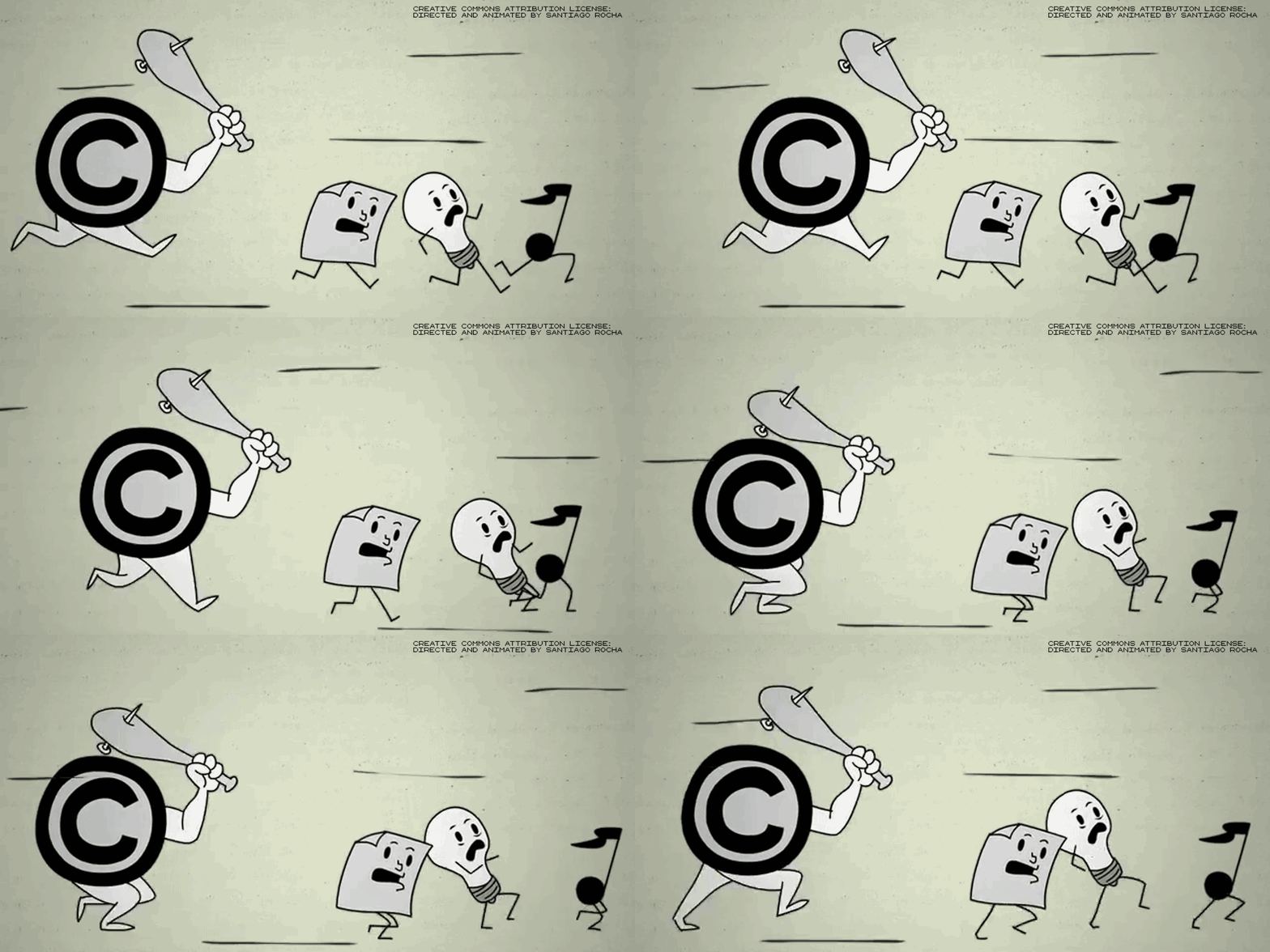
Effective copyright protections are essential for organizations to maintain high-quality codes and standards relied upon by the public and lawmakers.


Intellectual property law
fromIPWatchdog.com | Patents & Intellectual Property Law
3 days agoAs 'Pro Codes Act' is Reintroduced, Opponents Warn of Threats to Standards Development System
Effective copyright protections are essential for organizations to maintain high-quality codes and standards relied upon by the public and lawmakers.
Intellectual property law
fromIPWatchdog.com | Patents & Intellectual Property Law
3 days agoThe USPTO is Trying-But the Most Abusive Practices to Kill Patents Are Still in Play
Aggressive procedural strategies in PTAB practice exploit reexamination to bypass IPR estoppel, creating significant loopholes in patent litigation.
Social media marketing
fromwww.socialmediatoday.com
3 weeks agoMeta adds more measures to ensure original creators get credit
Meta updated content guidelines to define original content more strictly, penalizing reaction videos and non-original posts while providing creators tools to detect reposting and impersonation.
Privacy technologies
fromWIRED
1 month agoThe Piracy Problem Streaming Platforms Can't Solve
Piracy in MENA stems from structural barriers including lack of local platforms, payment access limitations, internet censorship, and historical perceptions of free online content rather than cultural preferences.
fromIPWatchdog.com | Patents & Intellectual Property Law
4 days agoWIPO in Focus: Beyond Treaties, Toward a Market-Driven IP System | IPWatchdog Unleashed
WIPO is not merely a distant UN bureaucracy; it is a dynamic, fee-driven organization that has been undergoing significant operational and cultural transformation in recent years.
Intellectual property law

#ai-copyright-policy
Intellectual property law
fromComputerWeekly.com
2 weeks agoUK government puts brakes on opt-out copyright exemption for AI | Computer Weekly
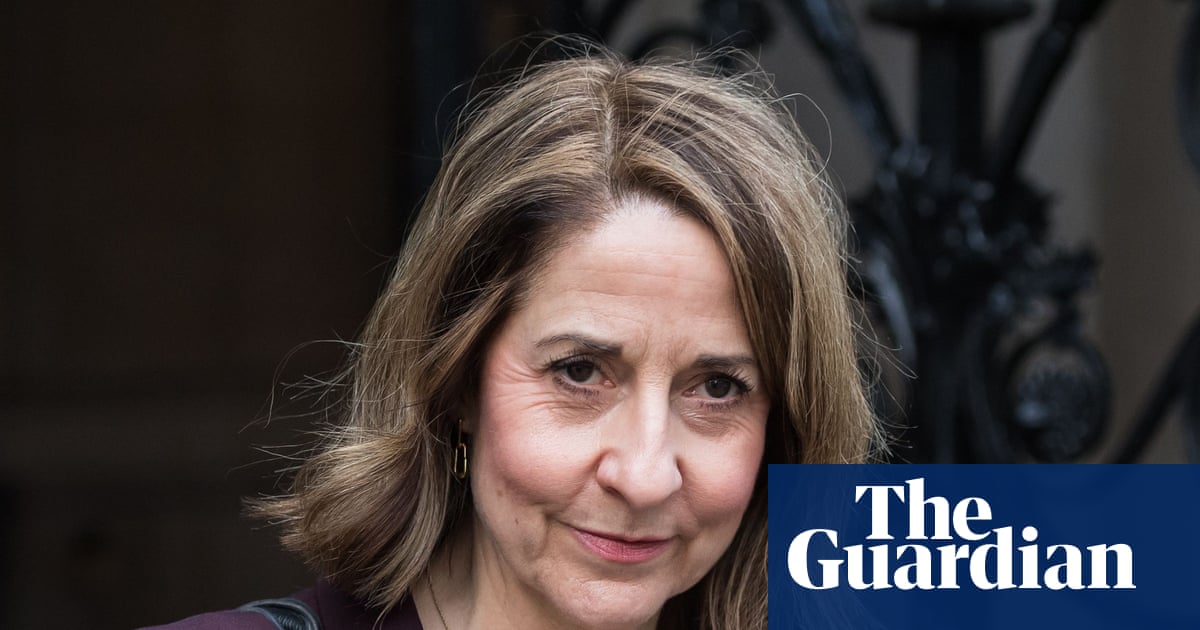
The UK government abandoned its preferred opt-out copyright exemption for AI training after overwhelming public opposition, but remains open to alternative copyright reform approaches.
Intellectual property law
fromwww.bbc.com
2 weeks agoGovernment backtracks on AI and copyright after outcry from major artists
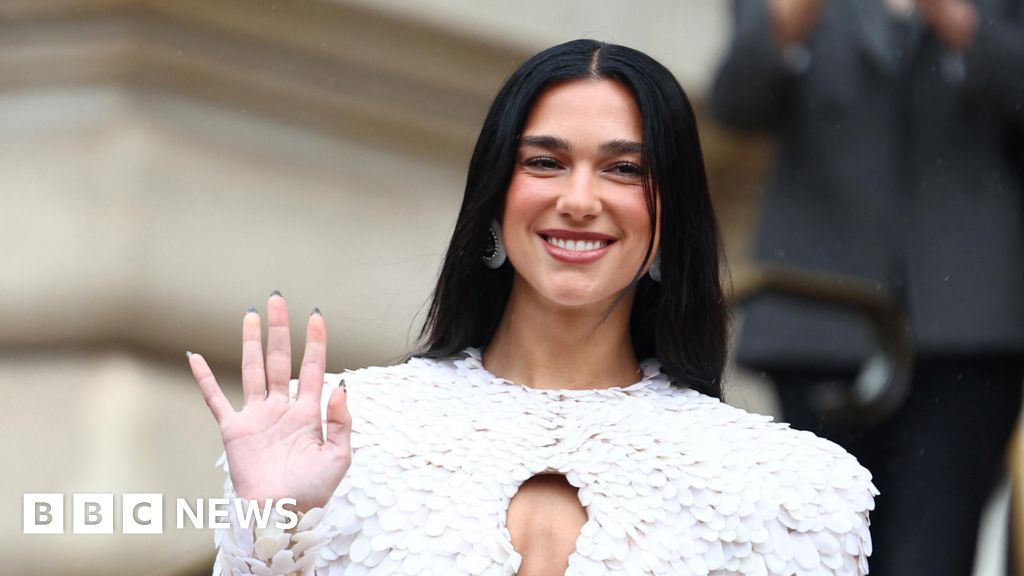
The UK government reversed its AI copyright policy allowing opt-out training of copyrighted works after creative industry backlash, now seeking a balanced approach without a preferred solution.
fromTheregister
1 month agoAWS will not protect users from media codec patent holders
In a February 2 notification sent to relevant customers, the cloud giant says it is updating its Service Terms to specify it does not have "defense or payment obligations for third-party patent claims against you related to use of these services for audio/video encoding, decoding, or transcoding." The services in question are AWS Elemental MediaLive, AWS Elemental MediaConvert, Amazon Interactive Video Service, Chime SDK, Amazon GameLift Streams, and Amazon Kinesis Video Services.
Tech industry
Intellectual property law
fromIPWatchdog.com | Patents & Intellectual Property Law
2 weeks agoOrganizations Warn Fast-Track of Bill to Separate Copyright Office from Library of Congress Would Be a 'Grave Mistake'
A coalition of consumer rights and library groups opposes fast-tracking H.R. 6028, which would separate the Copyright Office from the Library of Congress and restructure leadership appointments, urging regular legislative procedures to prevent unintended consequences.
Intellectual property law
fromIPWatchdog.com | Patents & Intellectual Property Law
3 weeks agoA Response to Opposition of the 'Stealing Isn't Innovation' Campaign
The Human Artistry Campaign advocates for licensing copyrighted works to train AI models, while tech industry responses lack precision and credibility despite claiming otherwise.
fromDigiday
1 month agoIn Graphic Detail: AI licensing deals, protection measures aren't slowing web scraping
New data is reinforcing a structural shift in how AI systems access publisher content: AI models are increasingly scraping publisher content, regardless of bot-blocking measures or content licensing deals meant to control usage, improve attribution or drive referral traffic. New research from analytics firms and bot-tracking companies shows AI tools are increasingly crawling publisher sites as inputs for AI-generated summaries and training, while sending back only limited referral traffic.
Artificial intelligence
Intellectual property law
fromElectronic Frontier Foundation
1 month agoEFF to Court: Don't Make Embedding Illegal
The server test holds that entities controlling servers hosting copyrighted content bear direct liability for infringement, while link embedders face only secondary liability under most circumstances.
fromIPWatchdog.com | Patents & Intellectual Property Law
1 month agoAI and Copyright: How Lessons from Litigation Can Pave the Way to Licensing
As the AI revolution accelerates and continues to reshape traditional business models, it has triggered a cascade of new legal, regulatory and policy challenges. At the forefront of these emerging issues are a growing number of high-stakes legal battles between content creators and major Generative AI (GenAI) companies behind large language models (LLMs). This article examines key legal themes and critical questions arising from recent developments at the intersection of AI and Copyright law.
Intellectual property law
fromIPWatchdog.com | Patents & Intellectual Property Law
2 months agoCreators Launch Campaign to Counter Big Tech's Alleged AI Copyright Theft
The campaign argues that in the race for dominance in the new GenAI technology, some of the world's wealthiest tech companies, along with private equity-backed ventures, have engaged in a "massive rip-off" of creative content without authorization or compensation. According to the campaign, this practice "imperils U.S. jobs, economic growth and global 'soft power' supported by the U.S. creative industries." The campaign warns that this widespread infringement erodes the foundation of the U.S. entertainment industry and disincentivizes the creation of new works.
Intellectual property law
[ Load more ]