#cost-of-living-impact
#cost-of-living-impact
[ follow ]
#inflation #economic-impact #housing-market #mortgage-rates #gas-prices #cost-of-living #consumer-spending
#mortgage-rates

SF real estate
fromwww.housingwire.com
3 weeks agoHow will rising oil prices impact the U.S. housing market?
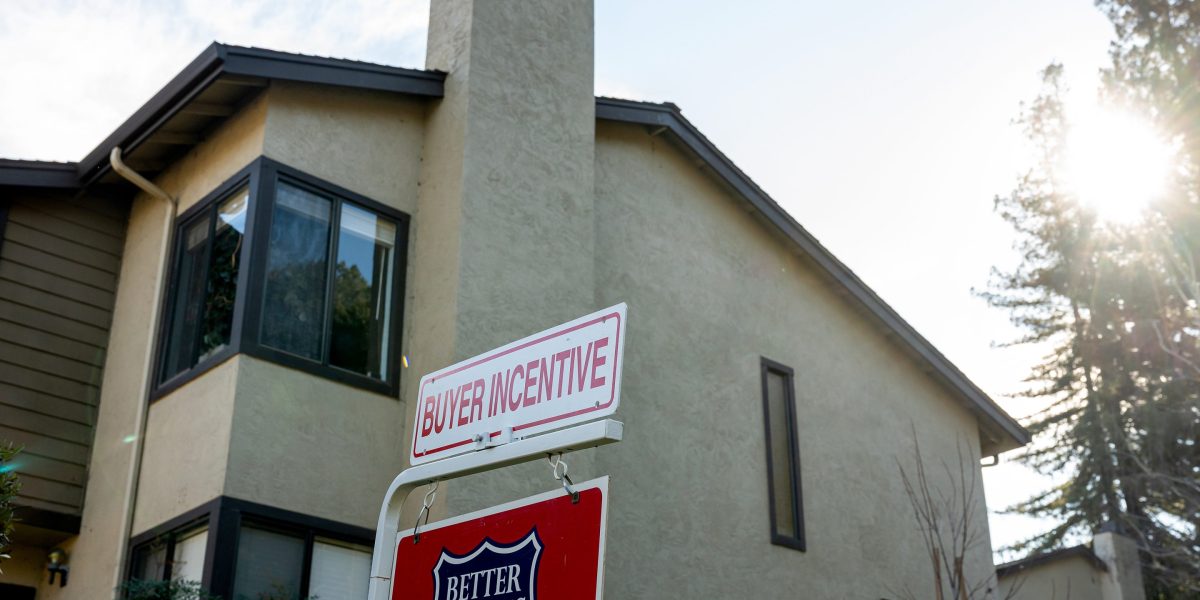
Markets debate whether higher oil prices and tariffs will increase inflation and yields or weaken consumers and lower rates, with mortgage rates remaining stable near 6.17% and 10-year yields at 4.13%.
SF real estate
fromwww.housingwire.com
3 weeks agoHow will rising oil prices impact the U.S. housing market?
Markets debate whether higher oil prices and tariffs will increase inflation and yields or weaken consumers and lower rates, with mortgage rates remaining stable near 6.17% and 10-year yields at 4.13%.
fromwww.businessinsider.com
6 hours agoYour produce bill is about to get pricey as the Iran war jacks up US food costs
"Fresh food and perishables are almost like the canary in the coal mine," when energy prices go up, according to Vidya Mani, an associate professor at the University of Virginia's Darden School of Business.
Agriculture
fromwww.theguardian.com
3 hours agoThe good old days are gone': how will US prices stand as war in Iran surges on?
The price of oil has risen steadily since the war began at the end of February, with crude oil prices surging past $110 per barrel this week. Fuel prices have risen in part because Iran controls access to the strait of Hormuz, a narrow passageway between the Persian Gulf and the Gulf of Oman where about 20% of the world's oil travels through.
World politics

Retirement
fromLondon Business News | Londonlovesbusiness.com
1 day agoEvery time you borrow from a bank, you're paying more than you think - London Business News | Londonlovesbusiness.com
Opportunity cost in loans includes lost potential earnings from repayment dollars, not just the interest rate paid.


#housing-market


SF real estate
fromFortune
6 days agoThere are now nearly 50% more home sellers than buyers as gap widens to a record 630,000. But it's only a buyer's market if you can afford it | Fortune
Home buyers have gained leverage as housing supply exceeds demand, with a significant gap between sellers and buyers recorded in February.
fromAxios
3 days agoThe American consumer stands firm
"Jobs may be a bit modest when we look out over the last couple of years, but pay is telling a different story - that there is still a little bit of tightness in this labor market," ADP chief economist Nela Richardson told reporters Wednesday morning.
Business
Artificial intelligence
fromFortune
2 days ago'Inflationary surge': Fed economists warn AI hype is overheating the economy whether or not the technology ever delivers | Fortune
AI optimism may hinder productivity and contribute to short-term inflation as households and businesses react to perceived future gains.

fromwww.mediaite.com
4 days agoBad News All Around!' Fox Business Host Stunned By Highly Inflationary' Prices in Total Bummer of an Economic Analysis
High energy prices are kryptonite for the housing market. Affordability, especially for those first-time home buyers, is now an elusive dream until oil prices come down and interest rates come down.
SF real estate
fromLondon Business News | Londonlovesbusiness.com
2 days agoUS dollar rose amid a rebound in geopolitical concerns - London Business News | Londonlovesbusiness.com
The US dollar returned to the upside as geopolitical fears rebounded after US President Trump's address to the nation. The rhetoric fuelled risk aversion and flows toward the dollar while oil prices surged.
US Elections
World news
fromLondon Business News | Londonlovesbusiness.com
3 days agoDollar extends pullback amid softer labour signals and easing risks - London Business News | Londonlovesbusiness.com
The dollar weakened due to softening monetary policy expectations and reduced demand as a safe-haven asset amid easing Middle East tensions.
Psychology
fromSilicon Canals
3 days agoPeople who grew up calculating whether they could afford both the drink and the entree before anyone else sat down don't stop doing that math when they earn six figures. The arithmetic isn't financial anymore. It's a loyalty ritual to a younger version of themselves who promised never to be caught without an exit. - Silicon Canals
Child poverty in the U.S. leads to adult poverty more than in Denmark, Germany, the UK, or Australia, with lasting effects beyond financial circumstances.
World politics
fromwww.theguardian.com
2 days agoA third inflationary shock in less than a decade is coming: who will pay the price this time around? | Aditya Chakrabortty
Daniel Yergin highlights the vulnerability of global oil supplies through the Strait of Hormuz and the consequences of military actions against Iran.

UK news
fromLondon Business News | Londonlovesbusiness.com
3 days agoEnergy bills fall as Ofgem lowers price cap, but fuel poverty concerns persist - London Business News | Londonlovesbusiness.com
Ofgem has reduced the energy price cap by 7%, lowering annual costs for dual-fuel customers and providing modest savings.

Psychology
fromSilicon Canals
5 days ago6 things people who grew up lower middle class instinctively calculate before entering any restaurant, and none of them involve whether they're actually hungry - Silicon Canals
Growing up lower middle class instills lasting mental habits that influence decision-making and risk assessment, even after financial circumstances improve.
fromenglish.elpais.com
1 week agoMore poverty, less travel and fewer jobs: what the world would be like with oil at $200
Fatih Birol, president of the International Energy Agency, warned that the war in Iran is the greatest threat to energy security in history, with analysts describing the situation as an Armageddon.
World news
UK politics
fromLondon Business News | Londonlovesbusiness.com
3 days agoMinimum wage rises which is 'another cost increase' companies will have to absorb - London Business News | Londonlovesbusiness.com
The National Living Wage in the UK rises to £12.71 per hour, benefiting low-wage workers but posing challenges for businesses and the economy.
UK politics
fromLondon Business News | Londonlovesbusiness.com
5 days agoUK faces cost-of-living crisis as Iran war drives food and fuel prices higher - London Business News | Londonlovesbusiness.com
Household costs in Britain are set to rise sharply due to increased fuel, energy, and food prices amid the ongoing conflict in Iran.
US Elections
fromwww.theguardian.com
3 weeks agoEverything is going up': Americans struggle with affordability despite Trump's claims
US workers continue facing affordability struggles despite Trump's campaign promises, with rising costs outpacing wages and tariffs increasing prices for most Americans.
Business
fromSilicon Canals
1 month ago8 everyday spending choices that quietly keep middle-class households under pressure - Silicon Canals
Small, normalized recurring expenses—especially subscription creep—accumulate into substantial monthly costs that significantly strain middle-class household finances.
US politics
fromFast Company
2 months agoInflation fears in the U.S. are running high, especially for this demographic, a survey shows
Asian Americans, Pacific Islanders and Native Hawaiians show greater anxiety about costs and prioritize government action on inflation and living expenses than U.S. adults overall.
[ Load more ]