#cpu-discount
#cpu-discount
[ follow ]
#intel #nvidia #amd #ai #stock-market #technology #semiconductors #ai-demand #turboquant #market-trends #ai-data-centers










fromTheregister
3 weeks agoRAM is getting expensive, so squeeze the most from it
Both work with Linux's existing swapping mechanism. Swapping (called paging in Windows) is a way for the kernel to handle running low on available RAM. It chooses pages of memory that aren't in use right now and copies them to disk, then those blocks can be marked as free and reused for something else.
Software development

fromThe Verge
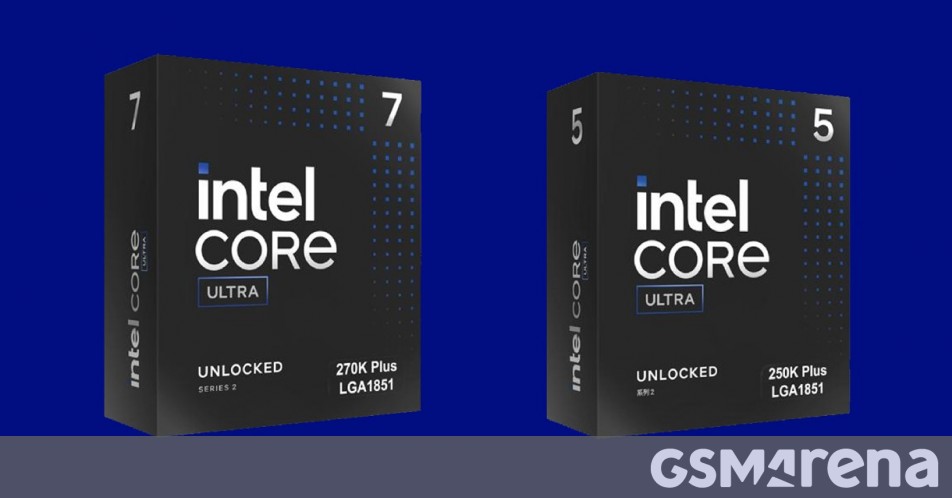
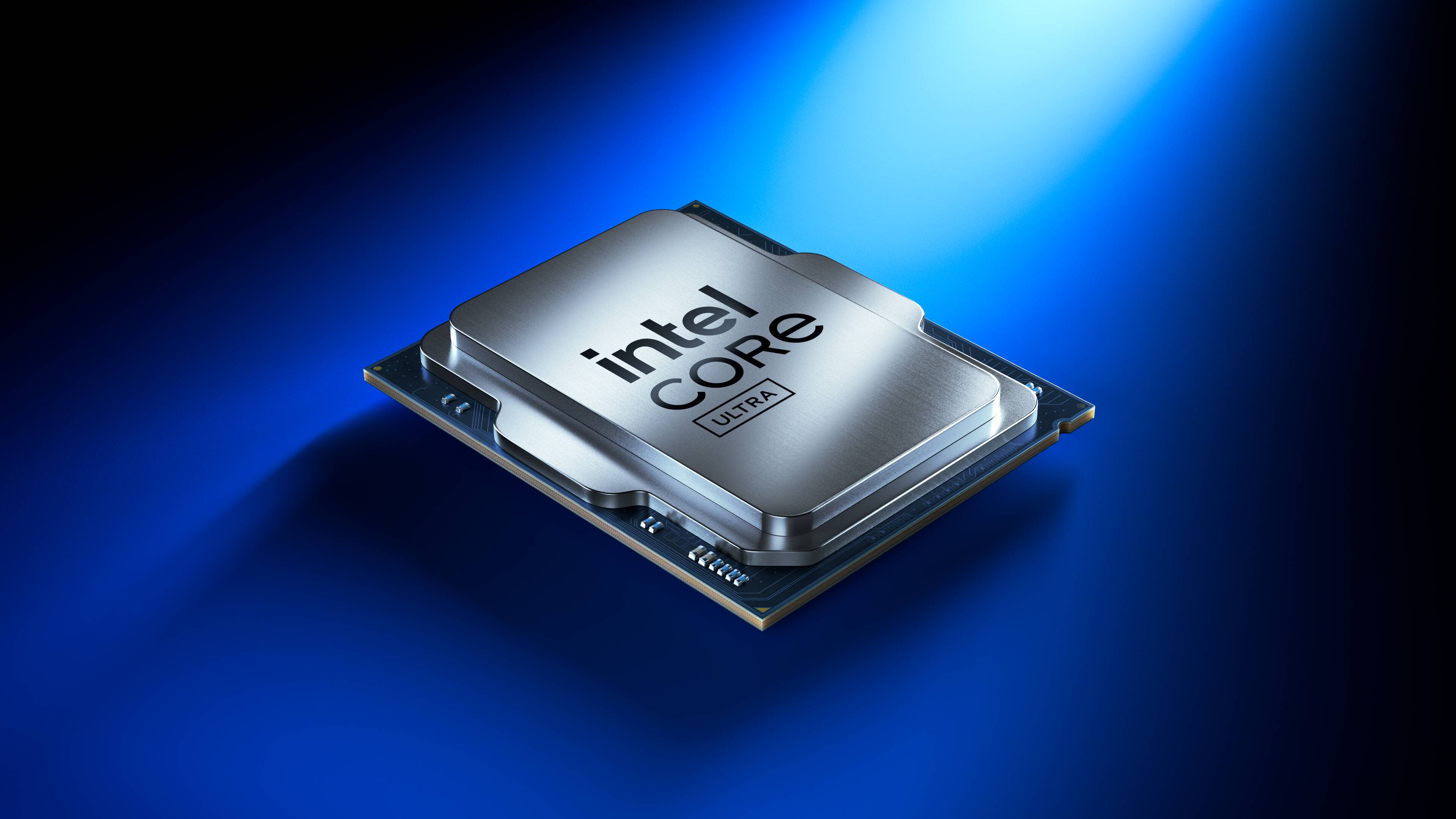
3 weeks agoIntel announces Core Ultra 270K Plus and 250K Plus, its 'fastest gaming desktop processors ever'
Intel hasn't made it easy to buy a flagship desktop chip. The company's 2022 and 2023 Raptor Lake chips ran hot, power-hungry, and had those infamous crashes, while 2024's Arrow Lake-based Core Ultra 9 285K had lackluster gaming performance that the company has tried to address with updates.
Tech industry

Tech industry
from24/7 Wall St.
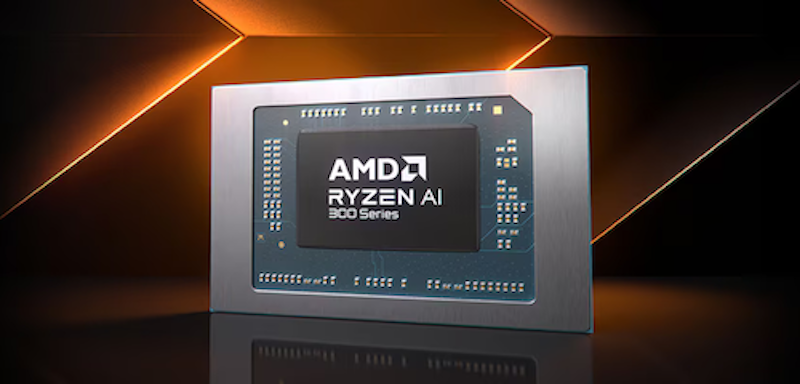
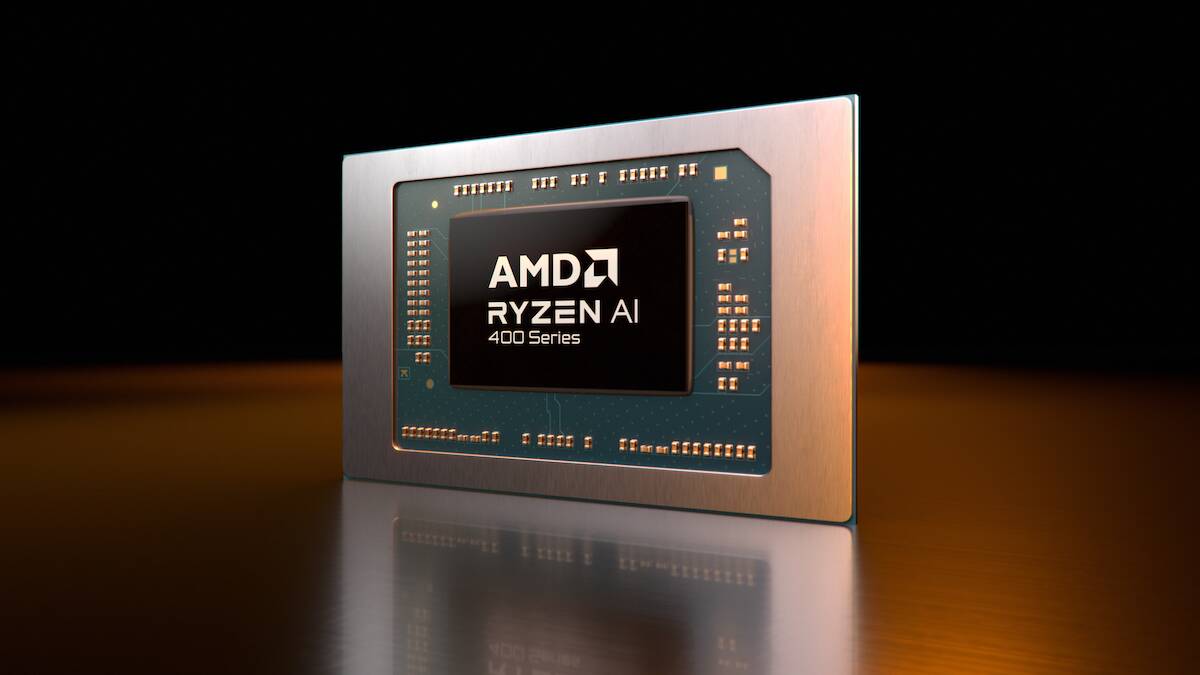
1 month agoAMD Looks to Displace Intel With World's First Copilot+ Desktop Chips
The AI PC market will grow at 30% annually from 2025 to 2034, reaching $967 billion, driven by on-device AI demand, with AMD's Ryzen AI 400 Series challenging Intel's x86 dominance through superior AI performance capabilities.
fromWIRED
2 months agoThe Daring Attempt to End the Memory Shortage Crisis
When I asked him how bad things really were, Clarke looked at me with a sigh. "Look, I've been at this a long time. This is the worst shortage I've ever seen. Demand is way ahead of supply. And it's driven by AI. It's driven by infrastructure. You've seen the spot market price-it's up to five times from September. That will manifest. It already has in contract pricing."
Gadgets

fromGSMArena.com
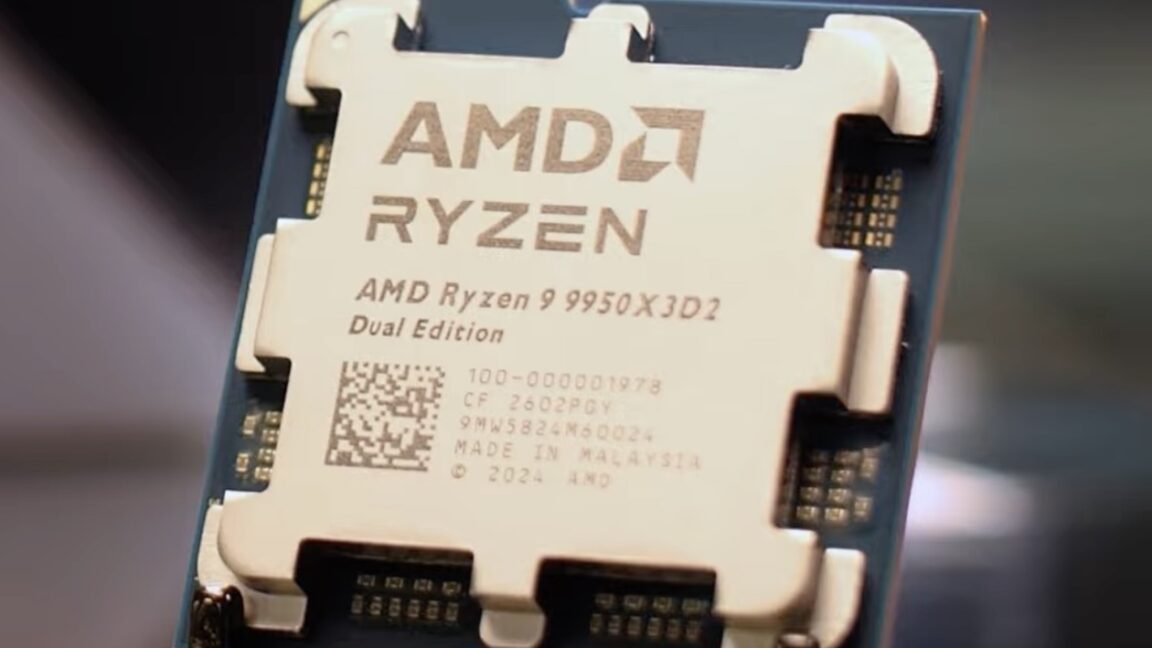
2 months agoAMD announces the new Ryzen 7 9850X3D gaming CPU
The Ryzen 7 9850X3D features the same 8-core, 16-threads design as the 9800X3D, as well as the same 96MB L3 cache that makes these chips especially suited for gaming workloads. Thanks to the higher level of binning, the 9850X3D can now hit 5.6GHz clock speeds, up from the 9800X3D's 5.2GHz, at the same 120W TDP. This is an almost 8% increase in clock speed, and should make the 9850X3D the fastest gaming CPU in AMD's lineup, and consequently, on the market.
Gadgets
fromTheregister
2 months agoPC shipments set to hit the buffers as AI guzzles memory
Memory shortages will likely stunt PC shipments in 2026, as available supplies will not be able to meet demand thanks to memory makers chasing the lucrative AI infrastructure market instead. Overall PC market performance in 2025 was healthy, according to research biz Omdia, but it notes that memory and storage supply was already tightening, with associated upward price pressure emerging around the middle of last year.
Tech industry
[ Load more ]