#darren-janesky
#darren-janesky
[ follow ]
#art #contemporary-art #photography #art-exhibition #art-exhibitions #public-art #exhibition #architecture #brooklyn
#photography



Photography
fromwww.theguardian.com
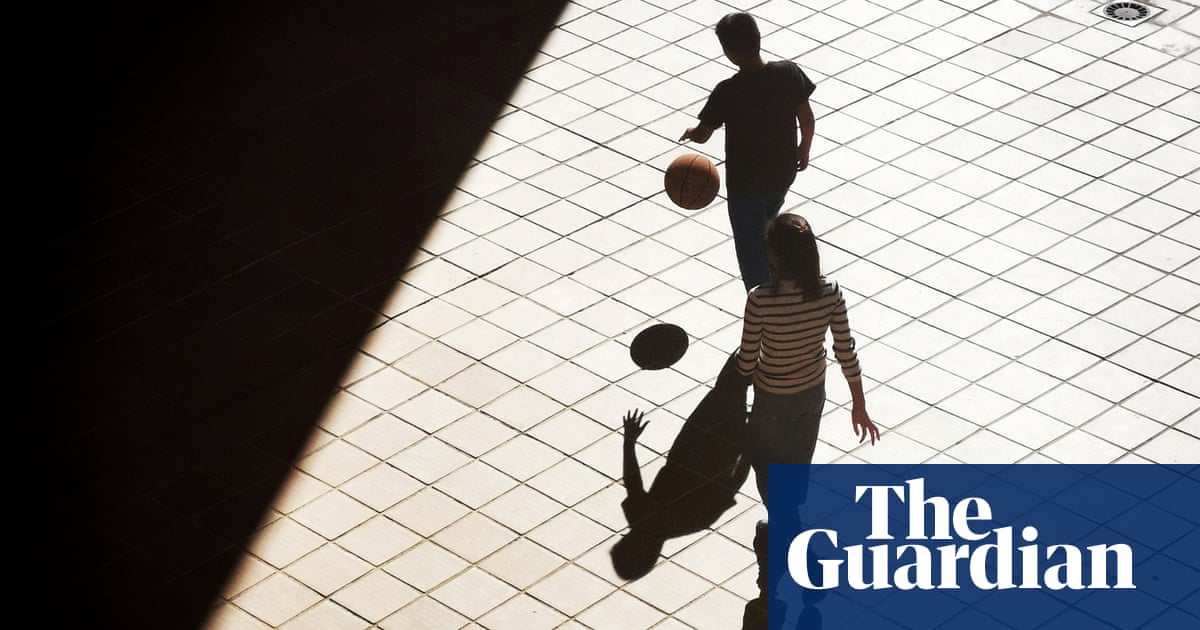
18 hours agoThe shadows, the figures playing basketball I waited for the magic to appear then it did': Jose Luis Morales Martin's best phone picture
Jose Luis Morales Martin captures the interplay of architecture and photography, emphasizing the emotional connection and artistry in both fields.
Photography
fromItsnicethat
2 days ago"What if everyone started making out?" Andrea Marti's horny photo series tackles Gen Z's lack of intimacy head on
Andrea's photographic series reimagines intimacy in a digitally isolated world, inspired by Raquel S. Benedict's essay and Tom Wood's nostalgic club scenes.
fromHi-Fructose Magazine - The New Contemporary Art Magazine
2 days agoKyle Cobban Draws From The Unknown - Hi-Fructose Magazine
"It's an amalgamation of the Chicago neighborhood aesthetic with a Bulls fan, quite literally. It's kind of on the nose, but that's how I juxtapose the elements of my work, with the structure of a home and then a figure who is around or in the home."
Chicago Bulls




fromGreenpointers
2 weeks agoReporting for Duty, Officer Scott Returns to the Brooklyn Art Haus Stage - Greenpointers
Officer Scott was sort of born by accident. He was a character in a sketch I wrote, written for a male actor, but I always would direct to give more Chris Farley energy to the character. Unfortunately, the actor that was supposed to play Officer Scott became sick the day before the show, but as showrunner and writer of the sketch, I figured I'd buy a costume and perform Scott myself.
Humor
Arts
fromThe Art Newspaper - International art news and events
2 days agoPaul Pfeiffer will be inaugural artist-in-residence at Brooklyn's Barclays Center arena
Paul Pfeiffer will be the inaugural artist-in-residence at Barclays Center, focusing on media workshops for those affected by the criminal-justice system.
fromTime Out New York
3 weeks agoThis free art show in the East Village spotlights awesome work from senior artists
The show features pieces by participants in JASA's programs. The organization, which serves more than 40,000 older adults every year, offers art classes and creative workshops designed to bring people together while encouraging self-expression. The results will be on full display here, from paintings and textile work to other handmade pieces that reflect the artists' personal stories and styles.
Miscellaneous
fromBrooklyn Paper
5 days ago'Embrace Winter': 14th annual Bay Ridge Art Walk draws crowds to Third Avenue * Brooklyn Paper
"This festival, 'Embrace Winter,' is now in its 14th year. We've hosted several events throughout the season, and this is our final one. Today we're here celebrating art, culture and community all coming together."
Brooklyn

fromJuxtapoz
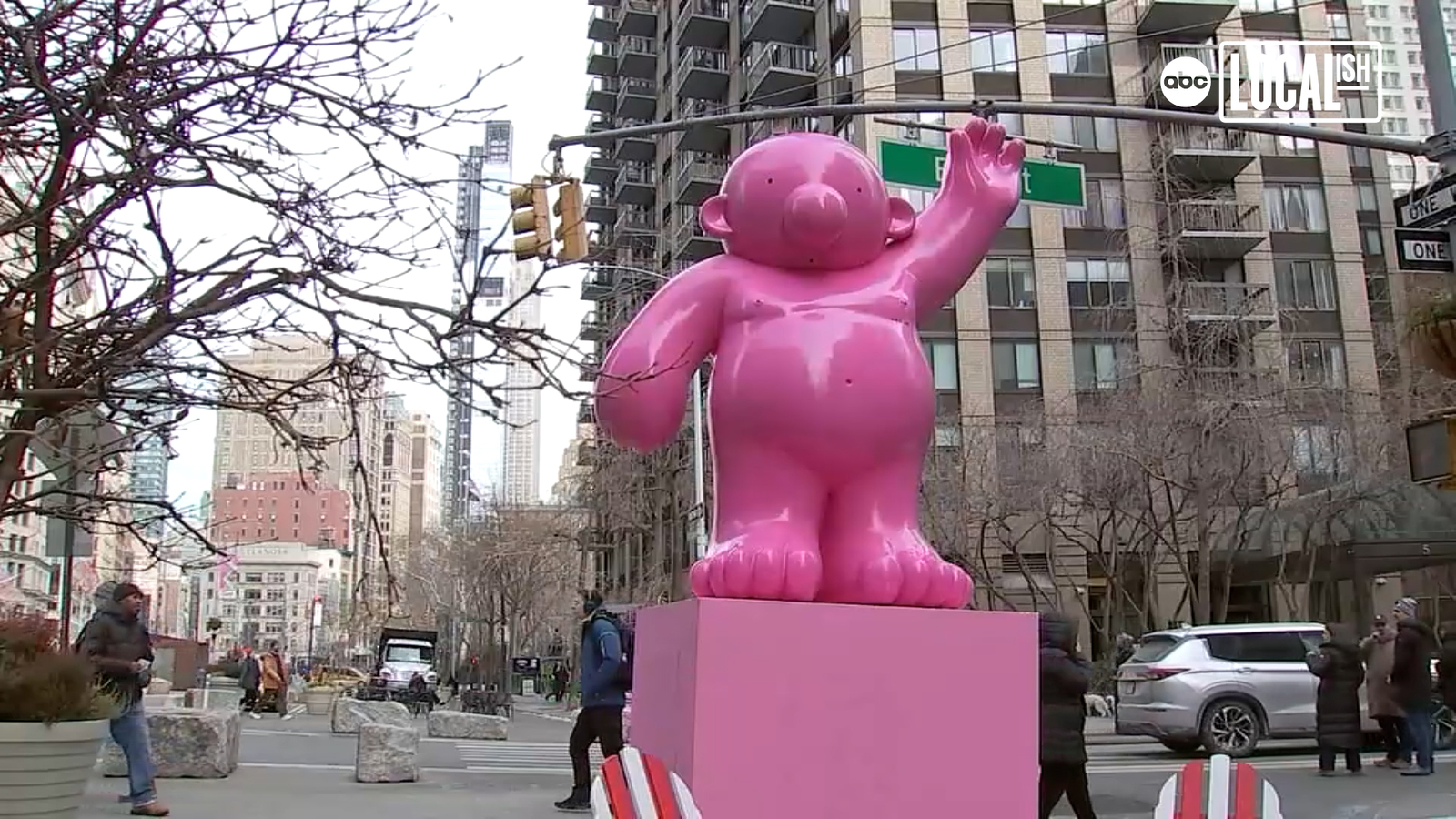
5 days agoJuxtapoz Magazine - Last Days to See Kate Meissner's New Paintings @ Lyles & King's Project Space, NYC
"These works are an exploration of the human body's elasticity and capacity to metamorphose. Informed by my own experience of pregnancy and the birth of my first child last year, these paintings are a meditation on physiological transformation and the body's underlying animalistic and mammalian nature."
Arts
#art


Arts
fromIrish Independent
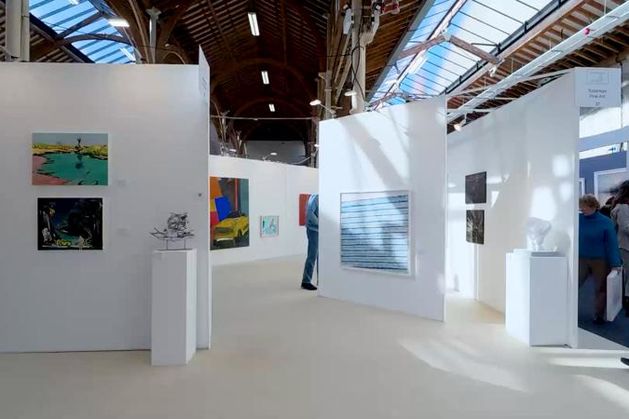
4 days ago'You have to step in and experience it' - artists on the rise of AI-generated art and the 'essential' gallery visit
Miriam Fitzgerald Juskova's exhibit combines paper quilling with mathematics, showcasing intricate art that engages viewers and emphasizes the value of handmade creations.

fromHyperallergic
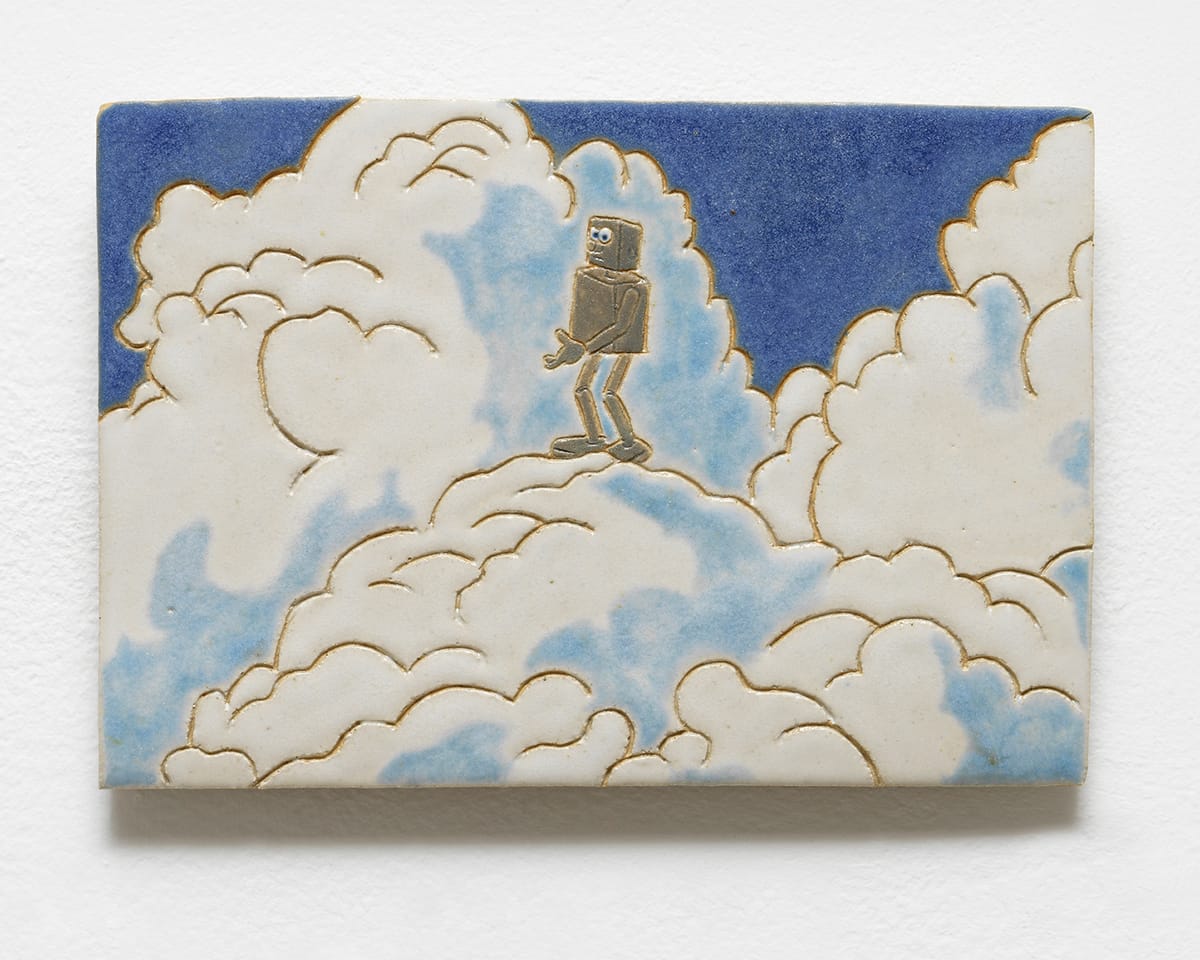
2 days agoThe Art World Is a Joke
Kamrooz Aram is everywhere this year, from Mumbai Art Week to the Whitney Biennial, and critic Aruna D'Souza is grateful. She pens a beautiful meditation on his work, reading his abstract paintings as not simply a denunciation of Western modernism nor a reassertion of Islamic visual motifs, but something else entirely - something gestural, exuberant, riotous, and incomparably his own.
Arts
fromwww.amny.com
1 month agoThe Modern Salon redefines art and brings quiet design authority to the Winter Show | amNewYork
In the midst of the fabulous The Winter Show last weekwhere connoisseurship, collecting, and cultivated taste converge under one vaulted roofthere was a moment of pause, exhale, and recalibration at the heart of the fair: the VIP Collectors Lounge. This year, not as sponsorship, but as philosophy made spatial. It was titled The Modern Salon. Conceived and designed by frenchCALIFORNIA, The Modern Salon rejected the trade-fair instinct toward visual noise and brand fragmentation.
Design
fromHyperallergic
2 weeks agoWhat Do We Really Think of the New New Museum?
The new New Museum is many things: contemporary, perhaps, but also a science, history, anthropology, and many other museums in one. It echoes the desire of its patron class to own the world and its affiliated courtier class to deliver it to them on a silver platter, or encased in perforated metal, in this case.
Arts
fromHyperallergic
3 weeks agoArt Problems: How Do I Get Gallery Representation?
Dealers like artists with established sales records because it lowers their already considerable financial exposure. Renting a gallery space in Tribeca costs anywhere between $8,000-30,000 a month on top of staff, marketing, and daily operations. With that kind of overhead, very few business owners can afford to take on the financial risk of untested artists.
Arts
Arts
fromArtnet News
3 weeks agoBlink and You'll Miss It! 3 New York Shows With Painfully Short Runs | Artnet News
Gallery exhibition runs have lengthened from weeks to five or six weeks due to increased competition and high mounting costs, though a countermovement of brief, limited-time shows is emerging.
fromHyperallergic
2 months agoA View From the Easel
Mornings are best for concentrated work. In the winter, I turn on the heat at 8am and get started around 10am. Summer, I start around 9am. I have two areas in the studio for projects. The large, heavy wood sculptures are carved in the front section of the studio, closest to the roll-up wide door. Smaller sculptures are placed on a hydraulic workbench. Before I start, I focus, connect with the Source, and ask for guidance.
Arts
fromHyperallergic
1 month agoA View From the Easel
I work outside, carving and shaping the stone. Outside my house, I have a table, an extension cord, and tools. It's very cold and I have to wear all my winter clothes. When it's too cold, I do the filing and finishing work inside after I shape it outside. I listen to all kinds of music. I listen to Eminem all the time; his albums are all my favorites. For drawings, I work at Kinngait Studios or at home on my kitchen table.
Arts
fromArtforum
2 months agoOut Cold: New York's Midwinter Shows
My mind, though enfeebled by New Year's celebrations, was fine; I'd traveled to Queens to see Jeffrey Joyal's "my Life Underground" at Gandt. For this exhibition, the gallery left its longtime home in a basement for a column-laden miniature ballroom in a clinic up the block, complete with a wrought-iron chandelier and ghostly portrait hanging above the crown molding. Walking through the lobby to the exhibition room, I passed by an empty suggestion box entreating patients to "rate their therapist."
Arts
[ Load more ]