#drawing-books
#drawing-books
[ follow ]
#illustration #creativity #art #creative-process #photography #san-francisco #contemporary-art #identity
fromItsnicethat
4 days agoElisava's Master's in Graphic Design is about what design can do for others, and what you can do for design
Elisava's Master's in Graphic Design is ingrained with societal, cultural and critical contributions to the creative industry, going beyond its aesthetic output while fostering self-awareness in creatives.
Barcelona
fromItsnicethat
3 days agoBravas Graphix are the rave connoisseurs behind some of Brussels' most explosive posters
"We're constantly striving to strike a balance between work that respects academic rules of composition, established visual codes and good readability, with something more spontaneous, adventurous, playful, even naive."
Typography
London
fromTime Out London
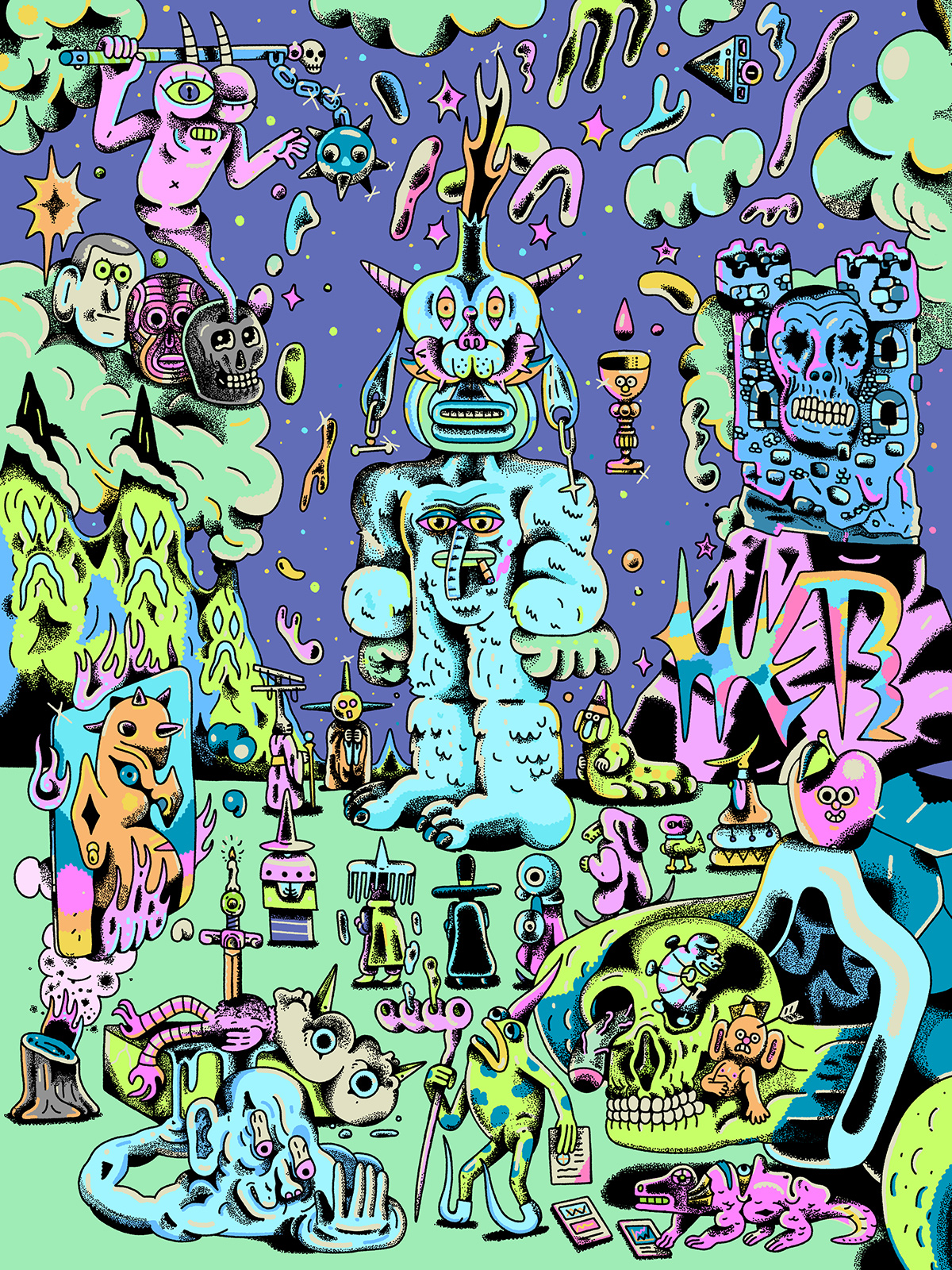
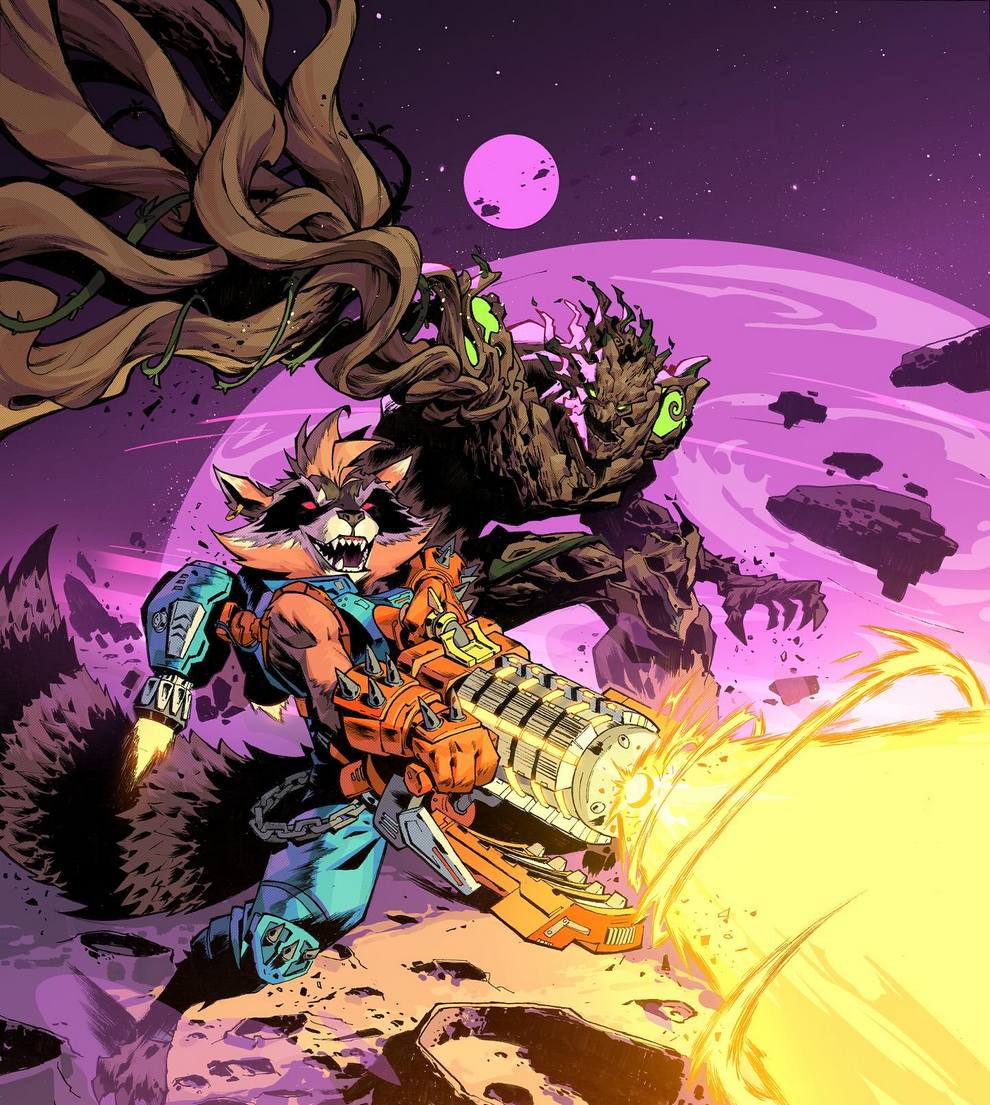
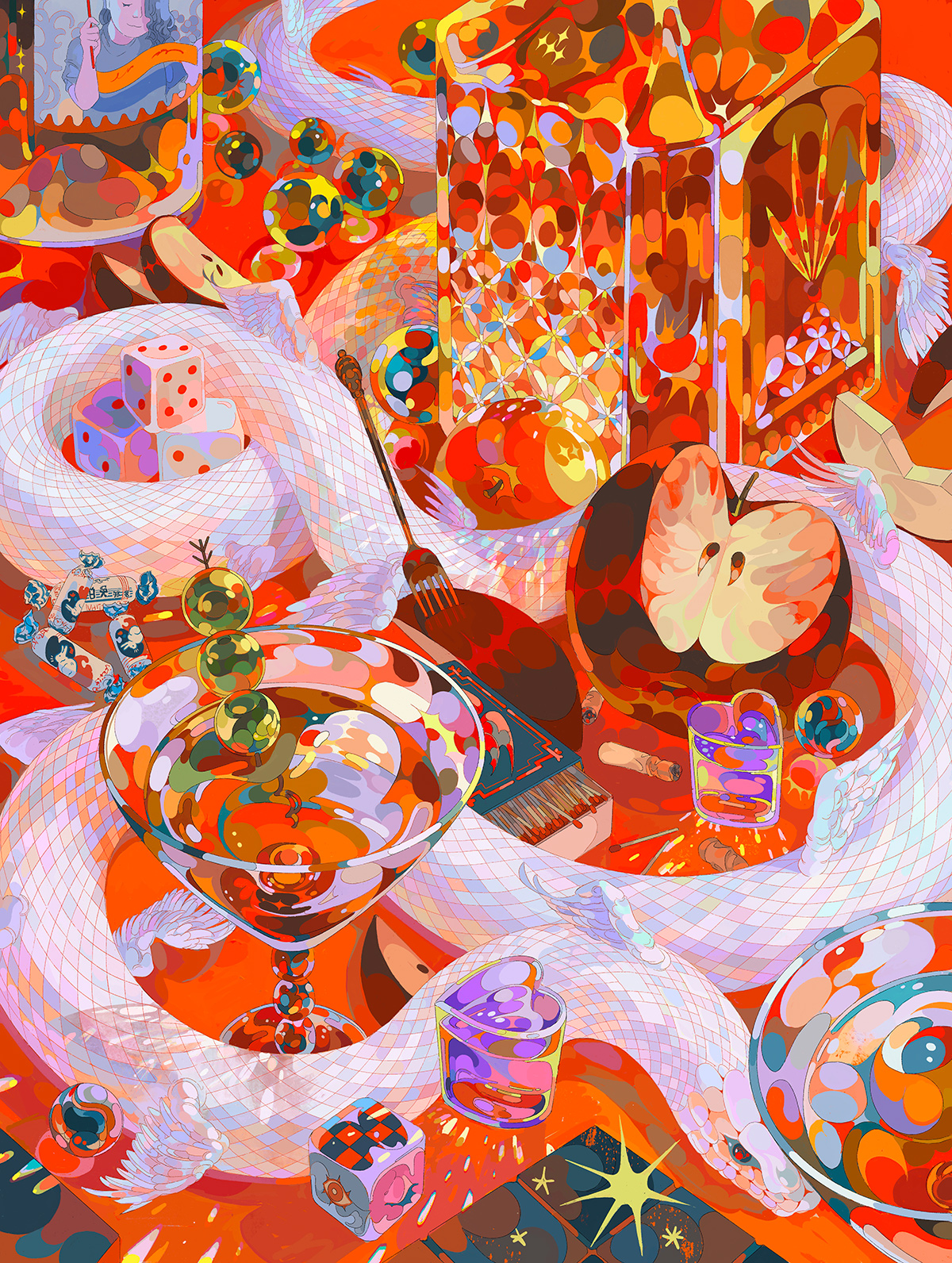
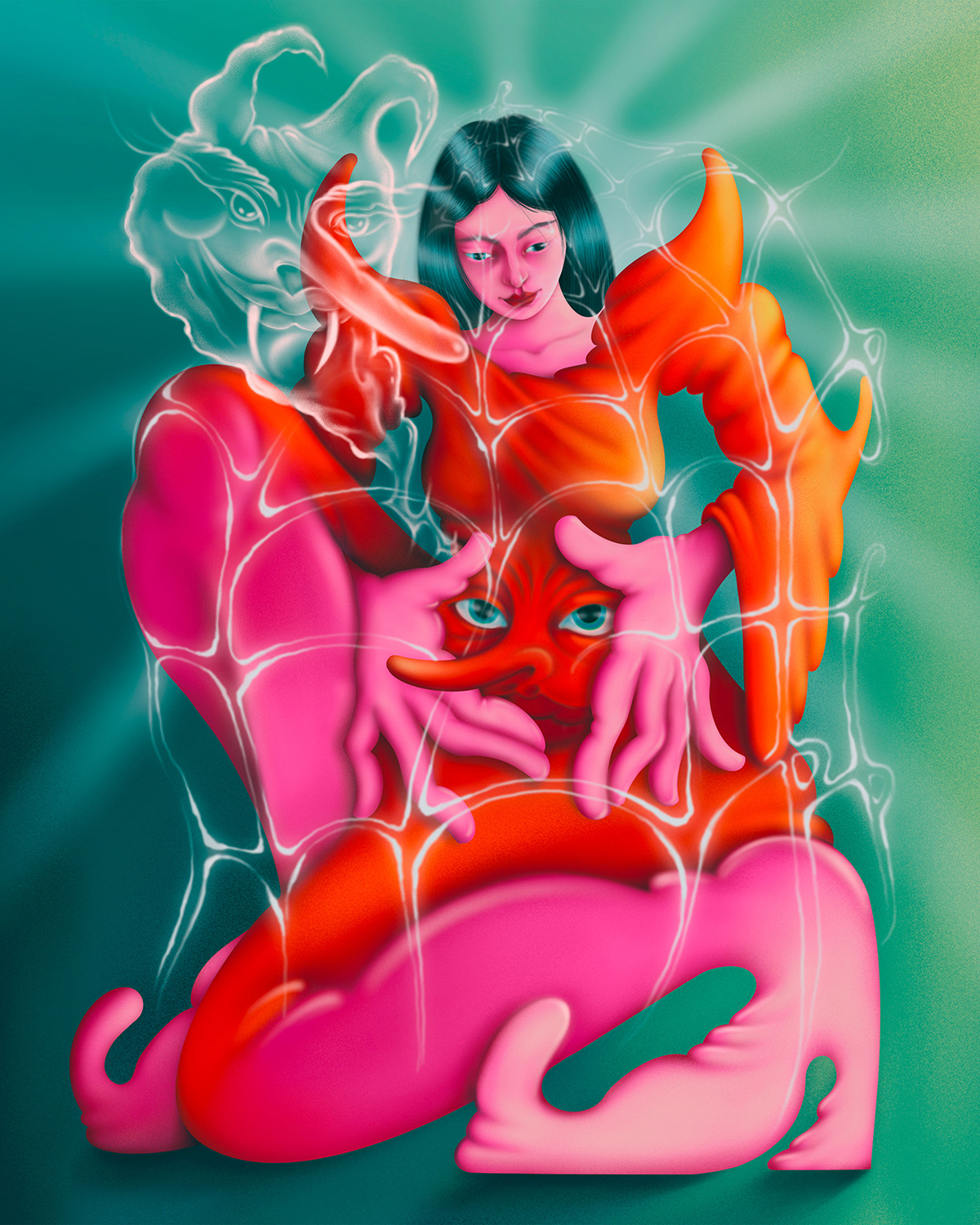
2 weeks agoThe world's biggest gallery for illustrations will open in London in May - and it's just revealed its first exhibitions
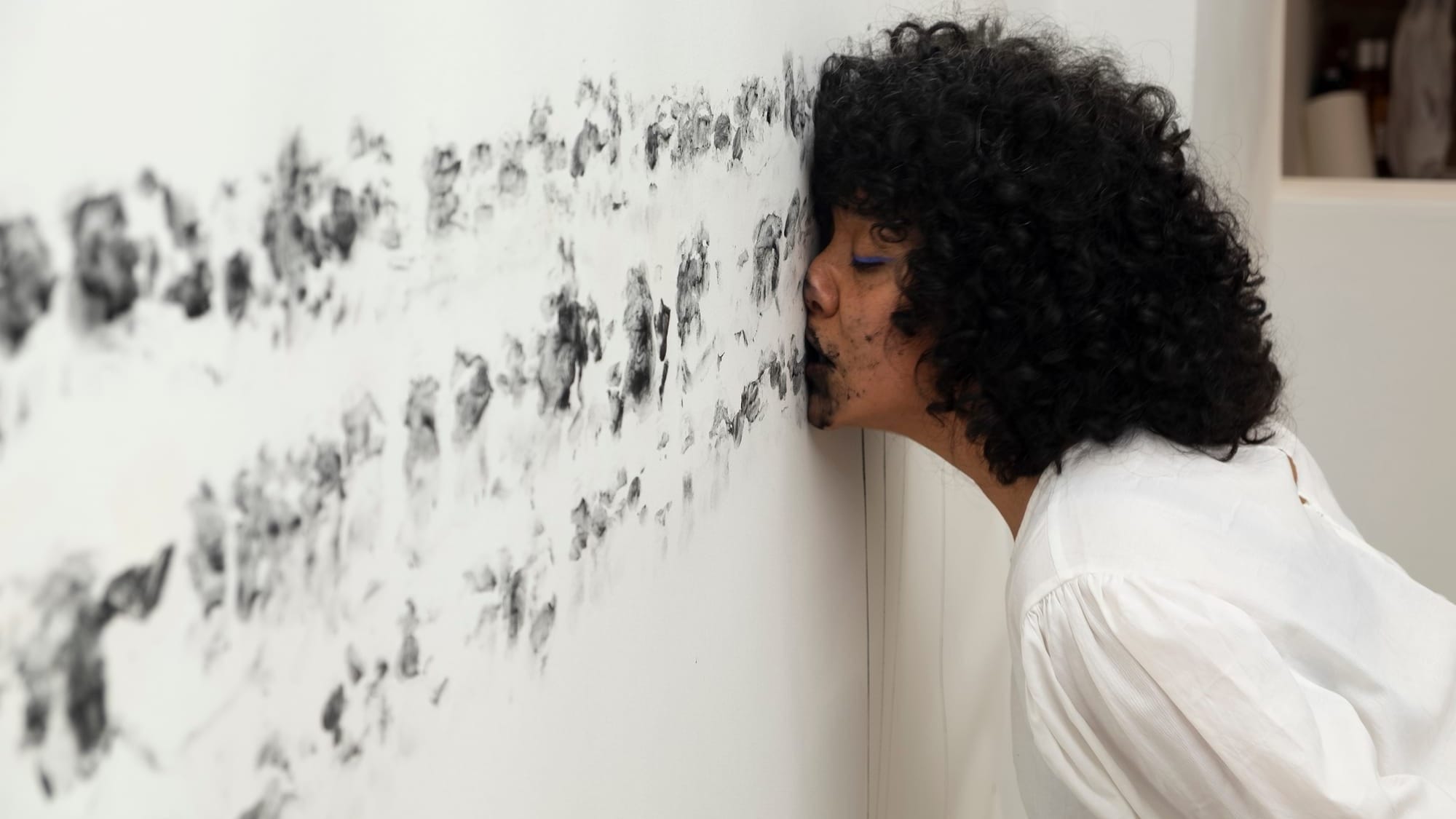
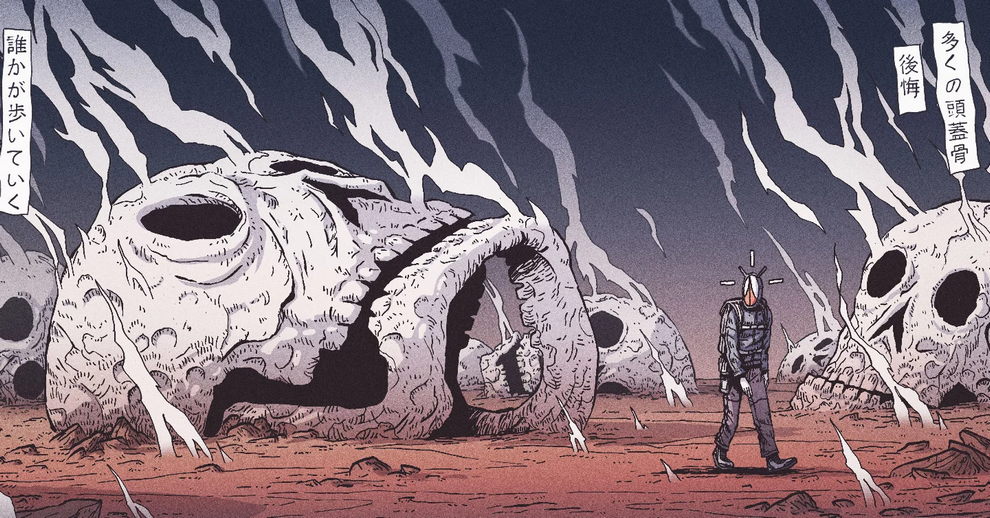
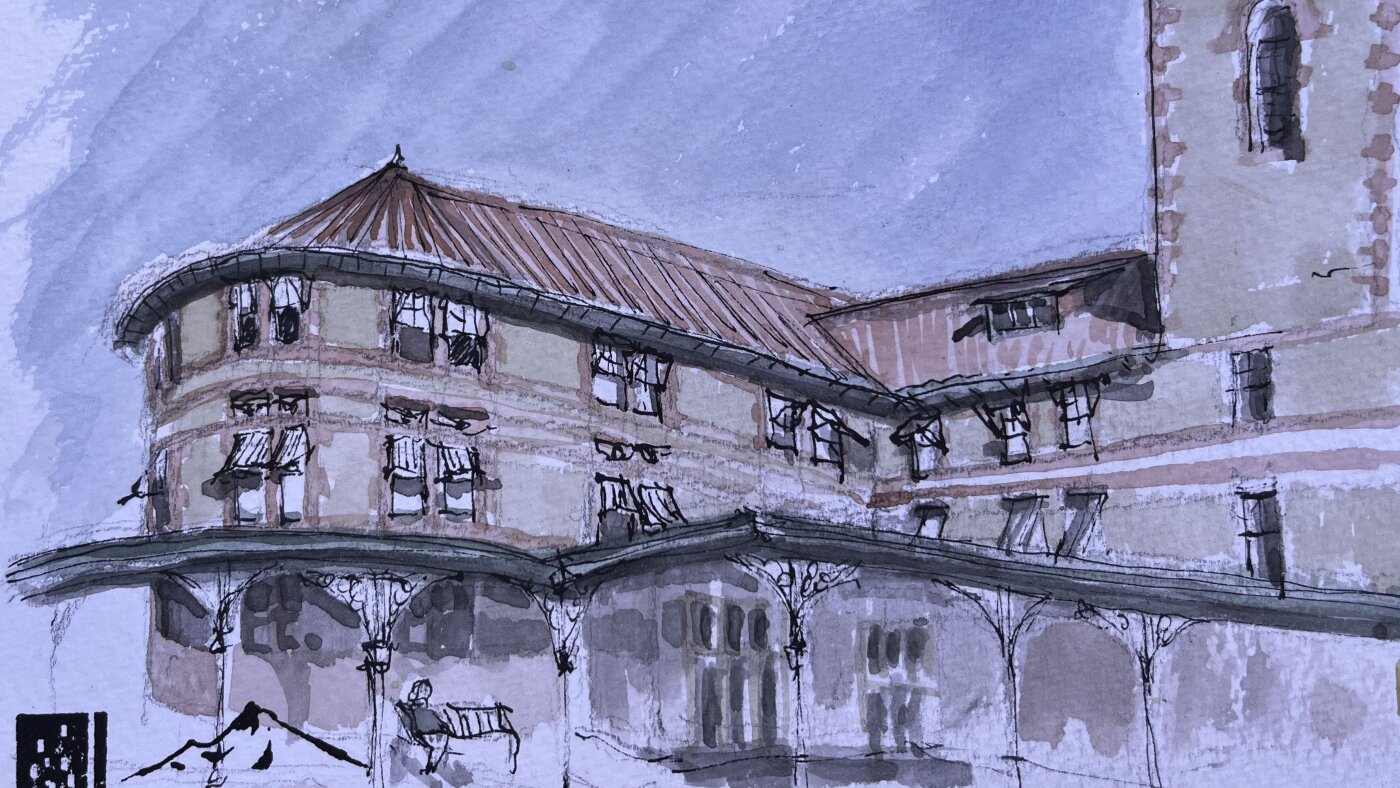
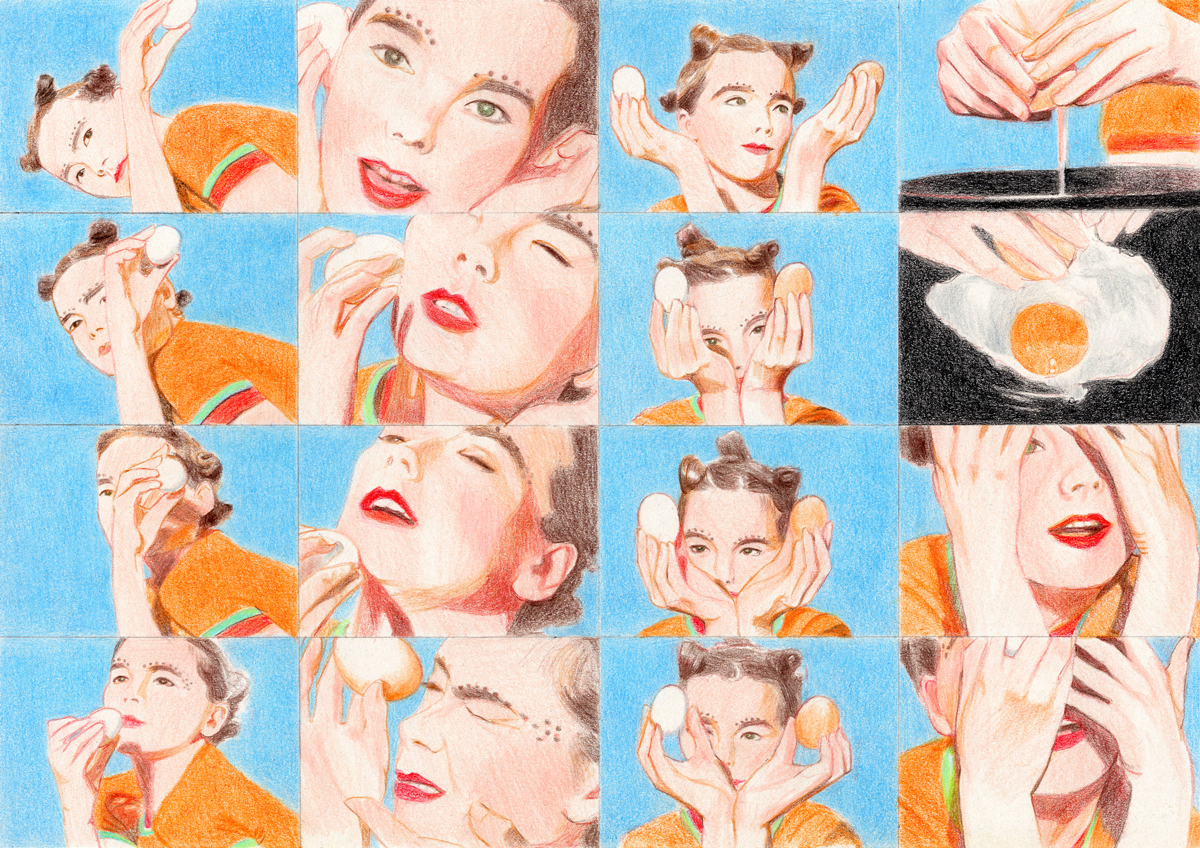
The Quentin Blake Centre for Illustration opens in May 2024 as the world's largest illustration gallery, featuring debut exhibitions on Blake's theatrical influences, LGBTQ+ comics history, and emerging artist Murugiah.

#illustration

Graphic design
fromBOOOOOOOM!
1 month agoIllustrator Spotlight: Starrenco
Italian illustrator Starrenco creates distorted, imaginative worlds grounded in reality, using drawing as a method of personal investigation to explore inner landscapes and reveal hidden meanings through intuitive creative processes.
fromArchitectural Digest
6 years ago17 Interior Design Schools Worth Applying To
To really work in the high end of the industry, formal schooling is an absolute necessity. It isn't just about whether you can say, oh, that floral looks good with that stripe. Rather, it's about mastering foundational design principals and developing fluency with the rendering and software tools required of day-to-day work. It's about designing to satisfy a question.
Education
Miscellaneous
fromThe Art Newspaper - International art news and events
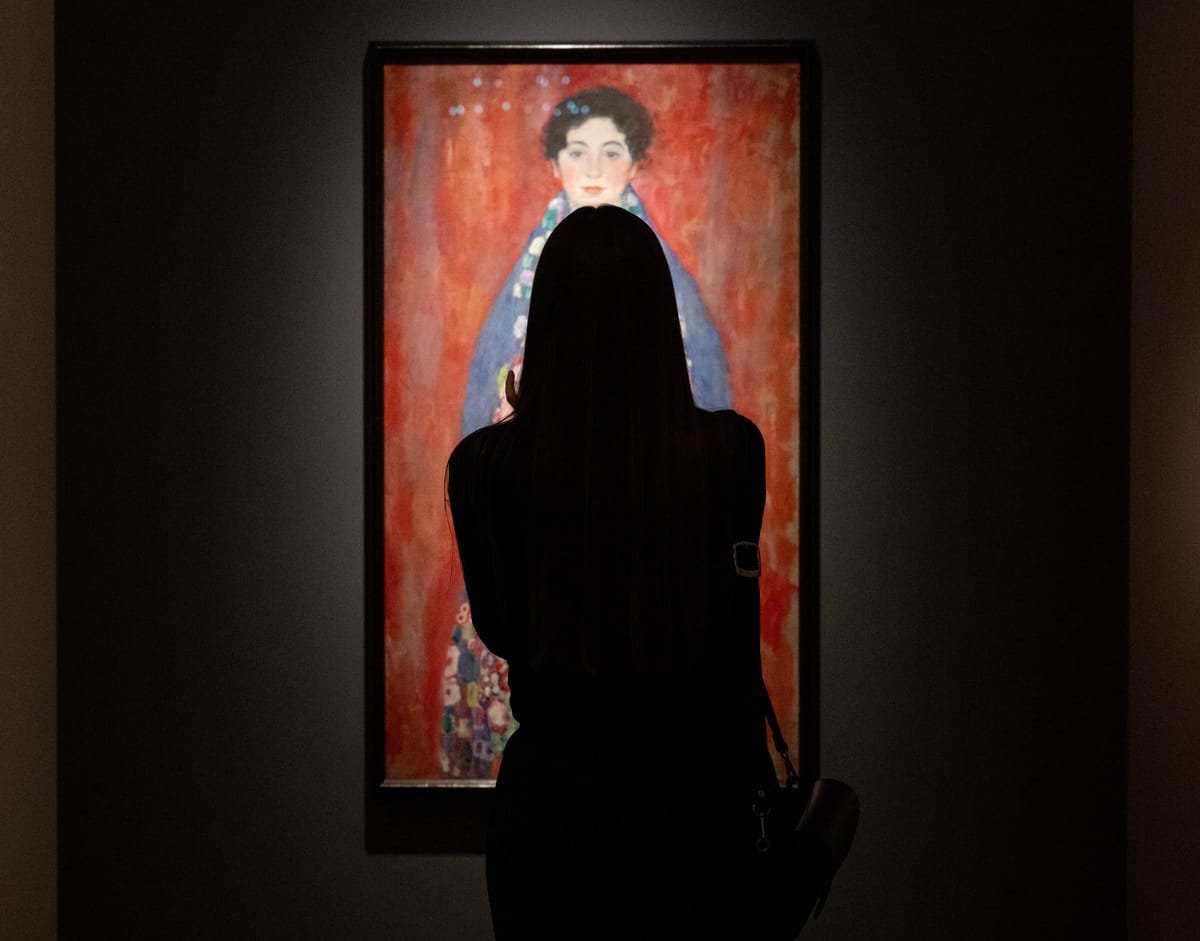
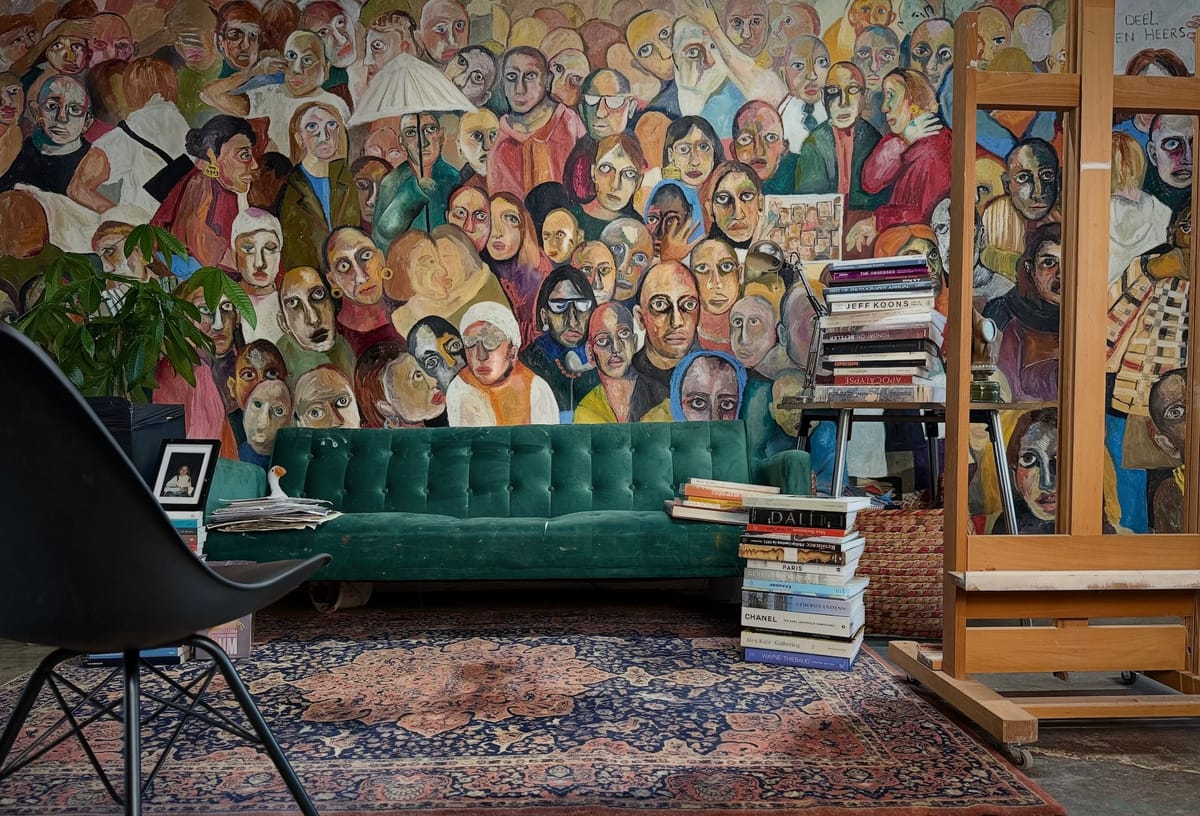
1 month agoComment | Art is more than its original context
Understanding art's original context enriches appreciation, yet modern viewing conditions and lost contexts require adapting how we engage with artworks across different settings and time periods.
Photography
fromdesignyoutrust.com
1 month agoIncredible Behindthescenes Reels Where A Loose Doodle Evolves Into A Polished Illustration Packed With Personality And Story
A diverse collection of contemporary visual art, advertising, and inventive photography highlights creative reinterpretations, surreal manipulations, and socially aware installations across global artists and campaigns.
Graphic design
fromItsnicethat
3 weeks agoLydia Chodosh probes design rules through archiving and cataloguing
Designer Lydia Chodosh interrogates how knowledge is acquired and transmitted through language, archival systems, and interdisciplinary design practice informed by literature, publishing, and visual communication.
fromItsnicethat
3 weeks agoHow Procreate Dreams 2 is making animated storytelling more expressive than ever
Each layered element is independent, all housed within one object on your timeline. Multiple elements can be combined into a Flipbook by using the multi-select function. This allows for users to shift, organise, and retime frames.
Graphic design
fromHyperallergic
3 weeks agoArt Problems: How Do I Get Gallery Representation?
Dealers like artists with established sales records because it lowers their already considerable financial exposure. Renting a gallery space in Tribeca costs anywhere between $8,000-30,000 a month on top of staff, marketing, and daily operations. With that kind of overhead, very few business owners can afford to take on the financial risk of untested artists.
Arts
fromArtnet News
3 weeks agoOops, Typo! A New Exhibition Embraces 500 Years of Printed Mistakes
What we found was that errata sheets were not only spaces for corrections but also sites of humor, legal maneuvering, and reinterpretation. With this exhibition, we wanted to share ways in which even small corrections can reshape meaning and authority.
Arts
Graphic design
fromItsnicethat
3 weeks agoThe illustrations of Sebastian Curi are all about learning analogue tools (flaws and freckles included)
Sebastian integrates multiple artistic mediums—acrylic painting, colored pencils, and relief printing—while using digital tools primarily for documentation and learning the foundational principles behind each technique.
fromBoard Game Quest
1 month agoSand Art Review
Sand Art is a game by Kory Jordan and published by 25th Century Games for two to four players ages 10 and up. It takes about an hour to play, and has you collecting resources and then coloring in a bottle, making art in a bottle out of sand, in case the name didn't give away the plot. Gameplay Overview: Sand Art has you gathering and mixing sand, which is used to fill your bottle.
Board games
Design
fromThe Art Newspaper - International art news and events
2 months agoHow an artist's sketch was turned into a museum
A museum design translates a blue-house and white-tower sketch into a tiled architectural language reflecting regional materials, cultural markers, and historic South–West Asian trade links.
fromMedium
1 month agoCan you run out of creativity?
There's a particular kind of panic that hits when you're facing a creative problem, and the well just feels... empty. Every idea seems stale. Every solution feels recycled. And the question creeps in: Have I finally used up all my good ideas? Maybe it's your third attempt at solving the same design problem, and every solution feels like a pale echo of something you've already tried. Or perhaps you've been churning out work for months, and suddenly the spark you used to rely on? Gone.
Psychology
fromItsnicethat
2 months agoThe sketchbook is an illustrator's best friend: Clay Hickson on why drafting and practice are key
Illustrator, designer and co-publisher behind Caboose Books, Clay Hickson joined us in Los Angeles to talk about finding self expression through chosen sketchbooks and pens, both of which are key to his own creative practice and illustration process.
Design
Graphic design
fromThe Verge
1 month agoHow a prize-winning cartoonist brings hand-drawn comics to the web
American journalist Danny Fenster, imprisoned during Myanmar's 2021 coup, collaborated with cartoonist cousin Amy Kurzweil on an interactive comic documenting his six-month incarceration and psychological survival.
fromItsnicethat
1 month agoThe experimental graphic design work of Ward Goes sits at the intersection of type and materiality
A graphic designer that isn't limited to working in 2D, Ward Goes has been working in aluminium of late. His recent solo show in Rotterdam, Literally Anything, was full of things that moved beyond the screen or printed page, including some wonderful metal signage and archival storage. The exhibition at Alley Space was the result of the designer's decision to pursue more tactical investigations alongside his commissioned work at the start of 2025.
Typography
fromLondon On The Inside
1 month agoLearn How to Make Journal Covers With Moleskine
You'll get a pre-made faux leather cover to decorate and personalise with a range of buttons, charms, stamps and fabric pieces. You'll learn to experiment with collage and layering techniques and combine different types of embellishments to add texture, colour and personality to your journal.
Arts
fromItsnicethat
2 months agoAldon Chen's exploded infographics challenge our "assumptions of sight"
In his graphic design work, Aldon transforms periodic tables and dense masses of information into maximalist pieces of design, expressing information whilst also challenging the impossibility of taking it all in. Data sprawls across screens and pages, overlapping in overloads and feedback loops, communicating more the aesthetic of information rather than its substance, playing with images we have all seen in science classes or colour palettes. These are exploded infographics.
Design
fromItsnicethat
1 month ago"The content is king"
I'm a midweight designer looking to step into another job elsewhere but I keep hearing so many conflicting things about portfolio formats and I don't want to have to recreate three versions all on different platforms just to apply for a job. I can't find any solid advice on what agencies are looking to see regarding format and if sending a PDF makes you look dated.
Graphic design
fromHyperallergic
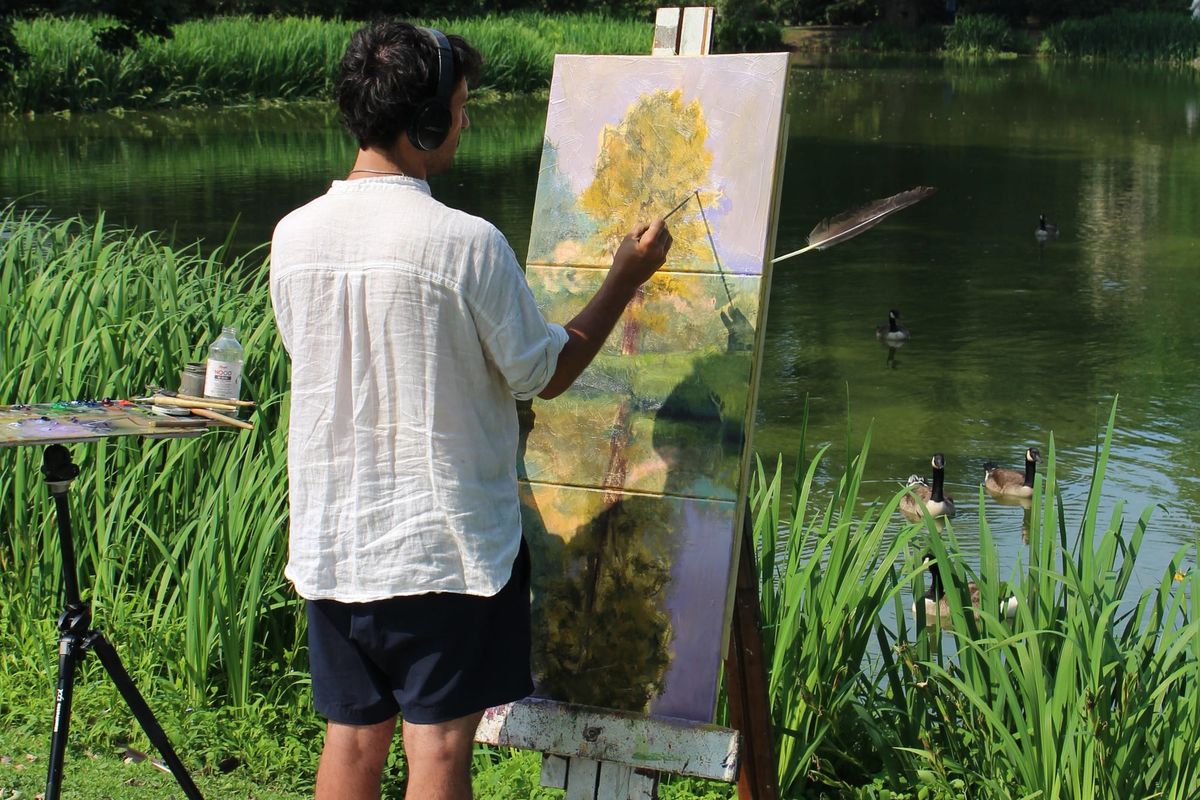
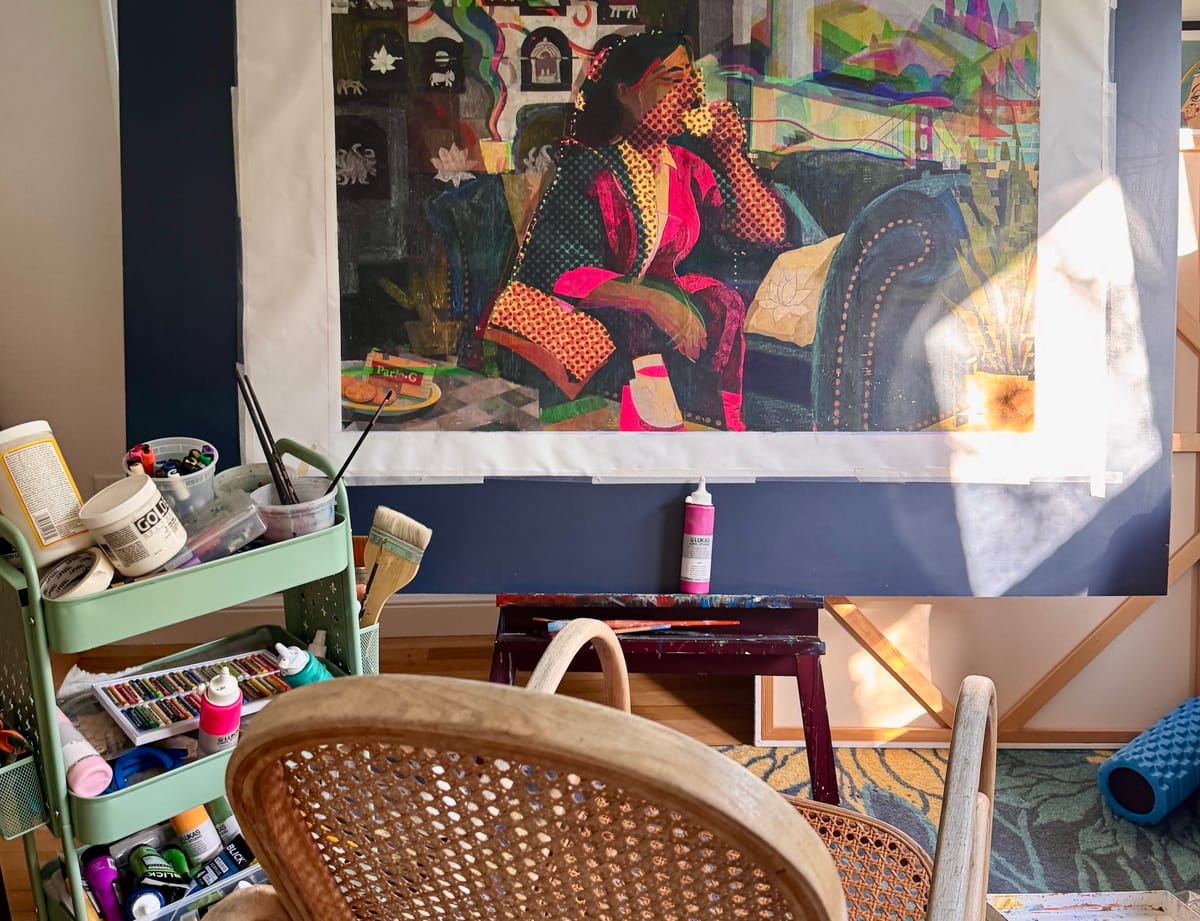
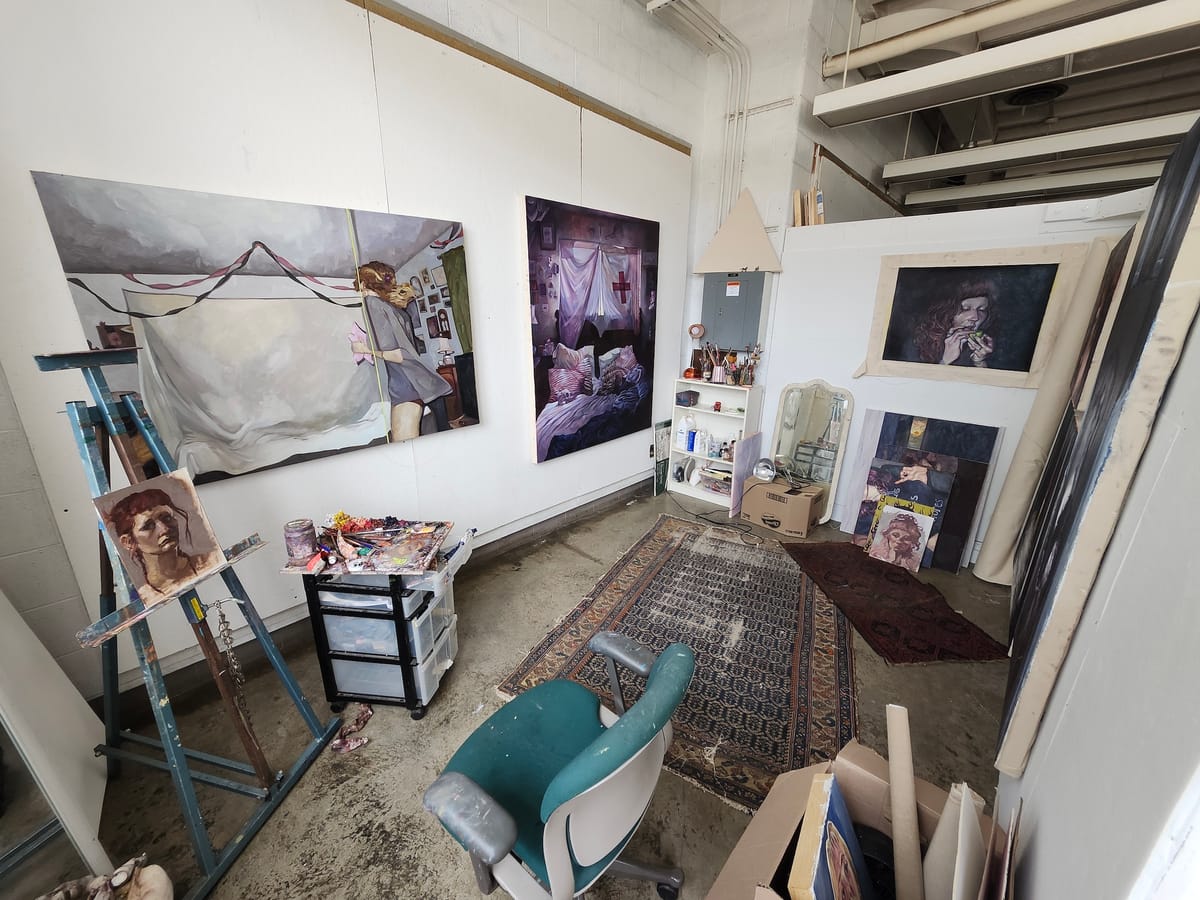
1 month agoA View From the Easel
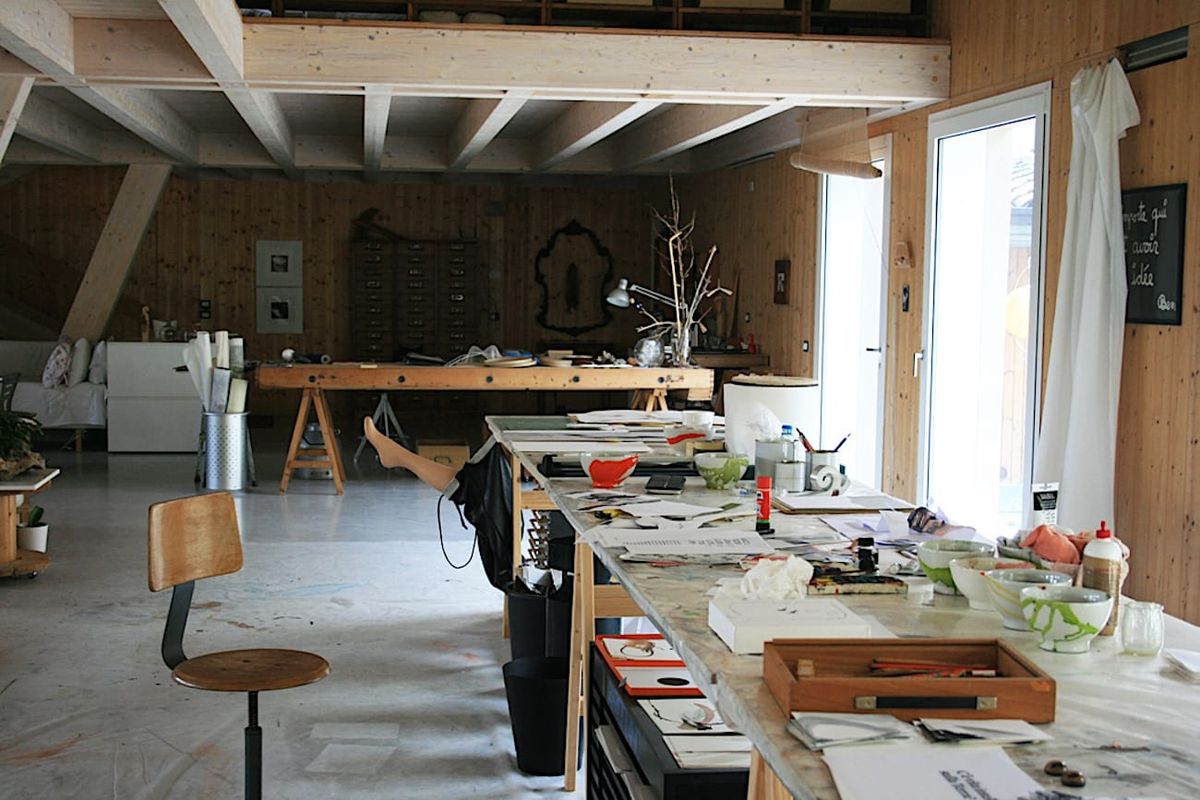
The studio is at my house within a ranch, surrounded by nature. It's on the second floor of the house, where there's better light. My routine all day shifts between studio work and housework, including outdoor garden work. I get up a bit before 7am, drink coffee in the yard, and get morning sunshine. Then my husband and I eat breakfast and do a bit of cleaning or some chores in the garden.
Arts
fromHyperallergic
1 month agoTeaching Children Taught Me How to Be an Artist
At the end of November of 2011, I saw my dad take his last breath. I came back to the United States after participating in all the death-related rituals that helped organize my pain in México. New York City was not a place to live my mourning, and right around December of the same year, I felt an intense longing to become small again. I needed to work with children.
Arts
fromRalph Ammer
2 months agoNo more boring drawings!
They teach us how to make photo-like drawings. Such renderings look decent but also generic, conventional-like something an AI tool might produce. And they are boring. Why is that? Because they don't mean anything. Meaning An object, like a cup, can mean many different things to us. Now the question is: Which meaning is relevant to you right now? And the answer to this question is what makes your drawing interesting.
Arts
fromColossal
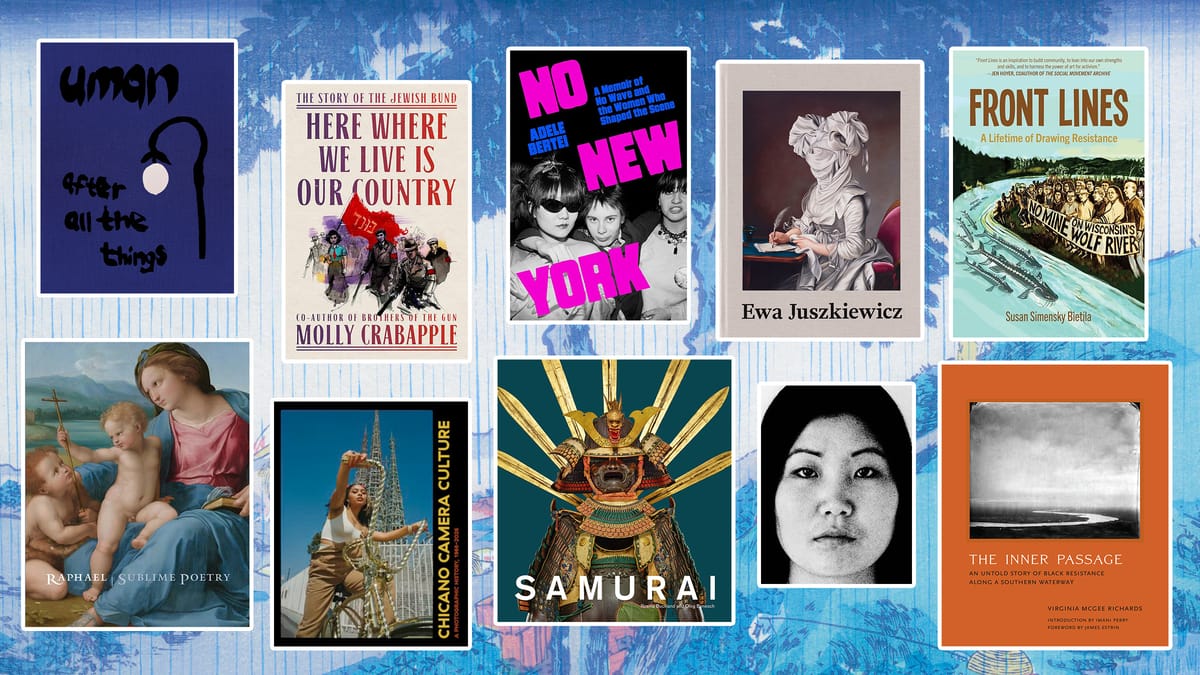
2 months agoRep Your Love for Independent Arts Publishing
Our new line of Colossal merchandise is finally hitting the (digital) shelves in the Colossal Shop. We're big fans of repping publications that inspire us, and we're excited to finally offer our own goods to this special community of readers. Hats and mugs are now available, and all proceeds directly support our ongoing commitment to make art accessible to everyone. You can also receive a mug by joining us with an annual Patron of the Arts membership.
Arts
fromItsnicethat
2 months agoVisual Stimulation is a lean, mean zine from Hattie Stewart that puts sensuality over sexuality
For those who are in desperate need of stimulation, this zine delivers - its visual language is razor-sharp and packed with colour, each page feels like a porno magazine that has vomited everywhere. Hattie calls it a "frenetic deluge", a collection of themes that circle the drain of "online fatigue", a way to process an excessive amount of information in order to create meaning and seek comfort.
Arts
fromHyperallergic
2 months agoA View From the Easel
Mornings are best for concentrated work. In the winter, I turn on the heat at 8am and get started around 10am. Summer, I start around 9am. I have two areas in the studio for projects. The large, heavy wood sculptures are carved in the front section of the studio, closest to the roll-up wide door. Smaller sculptures are placed on a hydraulic workbench. Before I start, I focus, connect with the Source, and ask for guidance.
Arts
Arts
fromdesignyoutrust.com
2 months agoArtist Paints Smoky Lounges And Quiet Strangers, Letting Halffinished Details Turn Viewers Into Coauthors Of The Scene
A wide-ranging visual roundup showcases creative reinterpretations, vintage design, activist art, photography, illustration, and humorous cultural works spanning contemporary and historical styles.
[ Load more ]