#europe-strategic-independence
#europe-strategic-independence
[ follow ]
#digital-sovereignty #nato #cybersecurity #brexit #eu #middle-east-conflict #data-breach #european-union
#windfall-tax
Europe news
fromFortune
1 day agoEuropean ministers urge EU to impose windfall taxes on energy companies as prices spike 'to ensure that this burden is distributed fairly' | Fortune
European finance ministers are urging a bloc-wide windfall tax on energy companies to address rising oil and gas prices and inflation concerns.



World news
fromIrish Independent
2 days agoEU warns it's 'preparing for worst scenarios' and assessing 'all possibilities' including fuel rationing as energy crisis deepens
Tehran plans to charge for passage through the Strait of Hormuz, aiming to ensure safe navigation amid rising tensions with the US.
Science
fromSilicon Canals
1 day agoSpaceX, Amazon, and Google want orbital data centers - four engineering barriers reveal who really benefits - Silicon Canals
Orbital data centers will concentrate AI infrastructure power among a few dominant companies, limiting access for smaller competitors and national regulators.
fromBusiness Matters
1 day agoOpenAI's flagship UK data centre hits the buffers in blow to Starmer's AI ambitions
OpenAI announced plans for its Stargate program, a global data center initiative valued at $500bn, to be established in the UK, specifically at Cobalt Park on Tyneside. The project aimed to house around 8,000 Nvidia AI processors by the first quarter of 2026, but that deadline has now passed without any construction starting.
London startup


fromElectronic Frontier Foundation
1 week agoDigital Hopes, Real Power: From Revolution to Regulation
66% of internet users live where political or social sites are blocked, and 78% are in countries where people have been arrested for online posts. New social media regulations have emerged in dozens of countries in the past year alone.
World politics
France politics
fromwww.theguardian.com
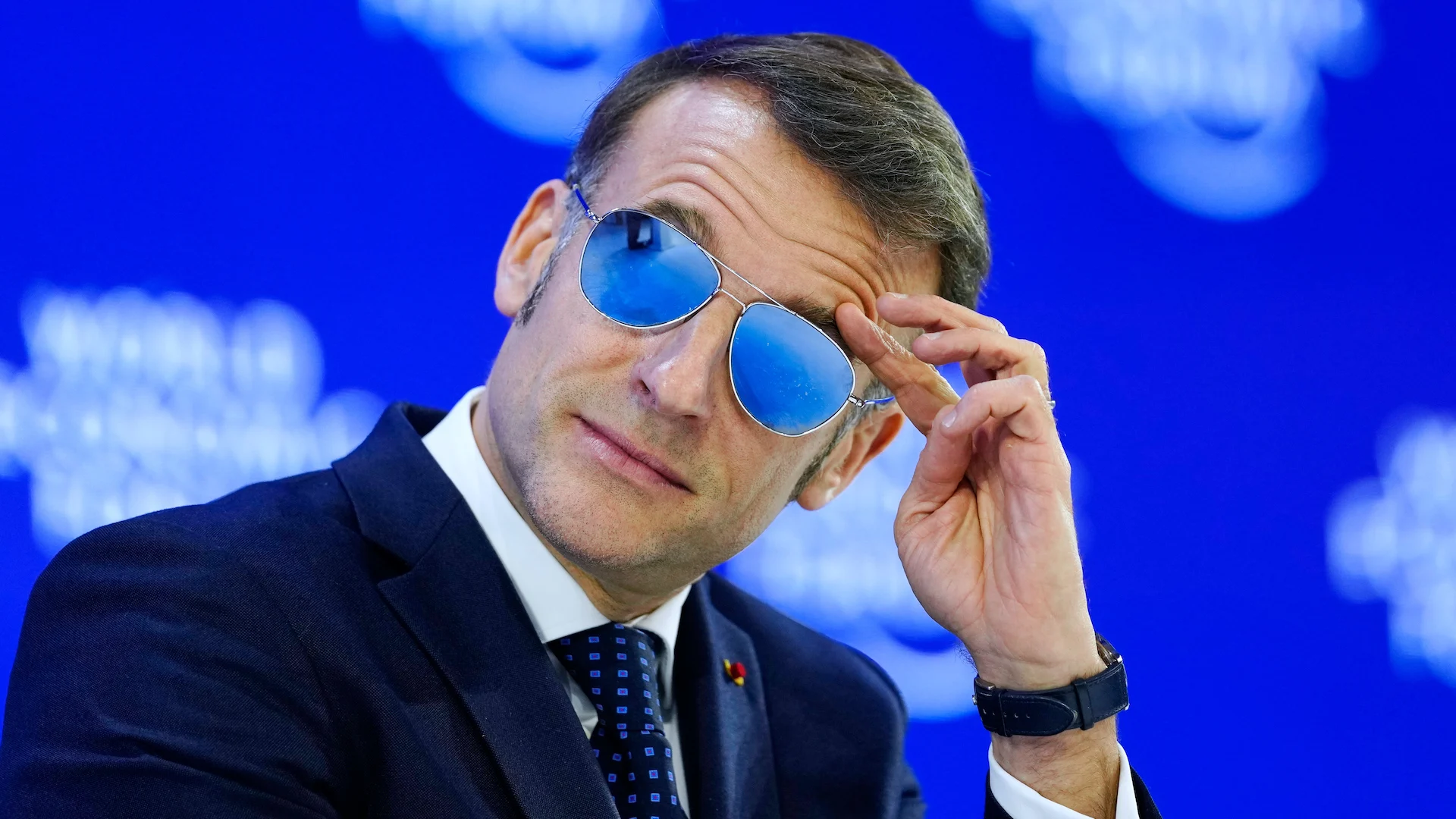
3 days agoYou have to be serious': Macron criticises Trump's mixed messages about Nato and Iran
Emmanuel Macron criticized Donald Trump's inconsistent statements on the Iran war and NATO, emphasizing the need for stability and seriousness in international relations.
fromComputerWeekly.com
3 days agoData dive: Government 2030 datacentre capacity targets look shaky | Computer Weekly
The UK has about 1.59GW of currently installed datacentre capacity at just under 190 sites. If we add existing capacity to that which is planned to complete by 2030 and which has planning consent, we get 4.9GW.
UK news
fromThe Local France
1 day agoEurotunnel and Eurostar still not ready for EES rollout despite deadline
The new checks, part of the EU's new Entry/Exit System (EES), collect digital personal records of third country nationals travelling to the Schengen area and replace the manual stamping of passports.
EU data protection



European startups
fromTheregister
2 weeks ago'Death sentence': EU cloud lobby drags Broadcom to Brussels
CISPE filed a complaint with the European Commission requesting interim measures to block Broadcom from terminating the VMware Cloud Service Provider program, alleging illegal anticompetitive practices and market abuse.
fromTruthout
3 days agoAustria Becomes Latest EU Country to Deny US Military Use of Its Airspace
Austria's Defense Ministry stated, 'There have indeed been requests and they were refused from the outset.' The refusal is based on the country's neutrality policy, which has been in effect since 1955.
Europe politics
European startups
fromComputerworld
3 weeks agoEuropean companies warn EU leaders: reduced reliance on US tech could hurt profitability
European companies warn that EU technological sovereignty initiatives risk reducing profitability and competitiveness while creating costly, complicated transitions from established US technology platforms.
European startups
fromFortune
3 weeks agoEurope's second chance on AI: building an opportunity in factories, labs, and the real economy | Fortune
Europe's scientific talent, industrial strength, and multi-sector ecosystems position it to lead the next AI innovation wave focused on robotics, manufacturing, chemistry, and healthcare rather than large language models.
Europe politics
fromenglish.elpais.com
2 weeks agoThe EU is preparing to slam the door on Trump and cling to multilateralism
EU leaders prioritize multilateralism and rules-based order while addressing energy price surges and geopolitical instability driven by US-Iran conflict and Trump's foreign policy.
European startups
fromTNW | Deep-Tech
1 month agoEurope's Deep-Tech Paradox
Europe has sufficient capital but lacks legal frameworks and expertise to direct investment toward SciTech startups, which are essential for long-term competitiveness despite Sweden's unicorn success being concentrated in B2C ventures.
#digital-sovereignty
European startups
fromComputerworld
4 weeks agoGov't IT spending seen as key to building Europe's tech ecosystem
European governments are shifting from US technology suppliers to open-source alternatives to achieve digital sovereignty and reduce dependency, with public sector IT spending driving this transition.


European startups
fromComputerworld
4 weeks agoGov't IT spending seen as key to building Europe's tech ecosystem
European governments are shifting from US technology suppliers to open-source alternatives to achieve digital sovereignty and reduce dependency, with public sector IT spending driving this transition.
fromInfoWorld
1 month agoCloud sovereignty isn't a toggle feature
Sovereignty, locality, and 'alternative cloud' strategies are often treated as simple settings in hyperscaler consoles. Pick a region, check a compliance box, and move on. IT consultancy Coinerella posted about replacing a typical US-centric startup baseline with a 'Made in the EU' stack. They treat sovereignty as an architectural posture and an operating model that can save money.
EU data protection
fromTechCrunch
2 months agoAmid Trump attacks and weaponized sanctions, Europeans look to rely less on US tech | TechCrunch
Prost, whose name now shares the same list as some of the world's most dangerous people, from terrorists to North Korean hackers and Iranian spies, described the effect of sanctions on her life as "paralyzing" in an interview by The Irish Times. This high-profile case provides a glimpse into the disruption that being cut off from the U.S. can have on a person's everyday life; lawmakers and government leaders across Europe are growing more aware of the looming threat facing them at home, and their over-reliance on U.S. technology.
Miscellaneous
fromTheregister
2 months agoAmazon says 7-yr wait for EU grid connects is holding up DCs
AWS has moved quickly to flood the European continent with its elastic compute fabric, but while it may take two years to bring a new datacenter online, securing power for the facilities can take up to seven years, Pamela MacDougall, who heads energy markets and regulation for AWS EMEA, said in an interview with Reuters this week.
Miscellaneous
Europe politics
fromwww.theguardian.com
2 months agoEurope is at a turning point. Timid EU elites should take lessons from The Leopard
Europe faces potential absolute decline as geopolitical rivals press influence, domestic elites pursue managed decline, and cultural reflection may offer lessons for political renewal.
Europe politics
fromFast Company
2 months agoThe 'big bazooka': How Europe could hit the U.S. tech industry if the Greenland trade war blows up
European leaders consider using the EU's Anti-Coercion Instrument and other restrictions on Big Tech to deter U.S. pressure over Greenland, but fear escalation.
[ Load more ]