#firesafe-regulations
#firesafe-regulations
[ follow ]
#fire #california #emergency-response #investigation #fdny #fire-safety #evacuations #fire-investigation











fromSFGATE
5 days agoFormer executive director of San Francisco city department arrested
Davis allegedly directed more than $4.5 million to Collective Impact from the Dream Keeper Initiative, a city program that distributes arts and culture grants to the Black community, the DA said.
Non-profit organizations

SF politics
fromsfist.com
2 weeks agoFormer Fire Marshal Who Wrote SF's High-Rise Sprinkler Mandate Now Consulting With Condos It's Impacting
Former SF Fire Marshal Kenneth Cofflin, who wrote the 2022 fire code requiring sprinkler installation in older high-rises by 2027, may be profiting from the resulting chaos and controversy.
fromSFGATE
1 week agoNearly 28,000 L.A. County Property Owners Face Spring Fire Clearance Deadline-Here's What It Costs if You Don't Comply
Property owners who want to handle clearance themselves—and avoid racking up costs—should have responded to the county by March 10 to receive a property-specific deadline.
LA real estate
East Bay (California)
fromABC7 San Francisco
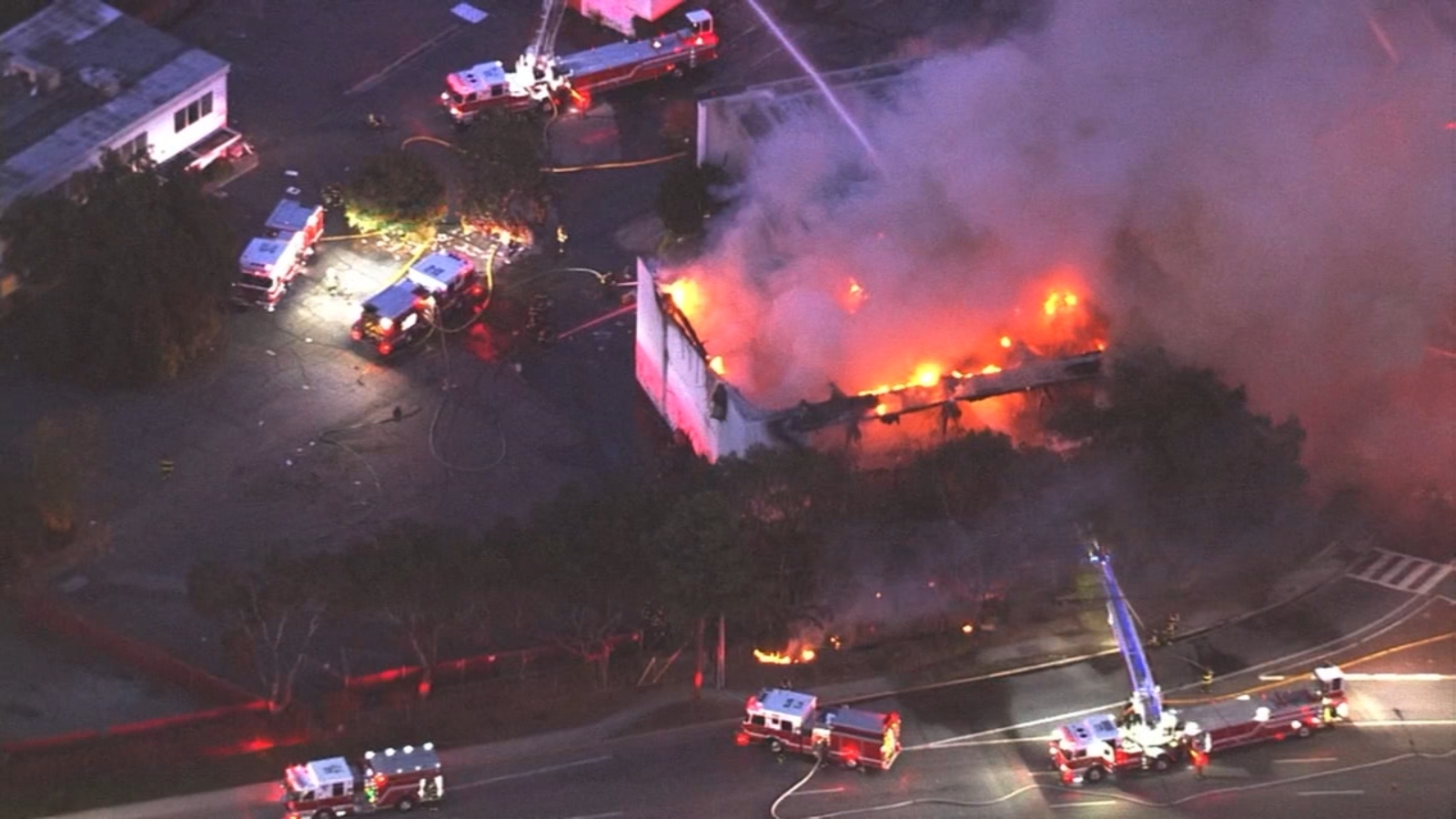
2 weeks agoBerkeley Hills fire raises concerns about inaccessible escape route due to locked gate
A two-alarm fire destroyed one Berkeley Hills home and damaged another, raising concerns about neighborhood evacuation routes when emergency exits were inaccessible.
Renovation
fromLos Angeles Times
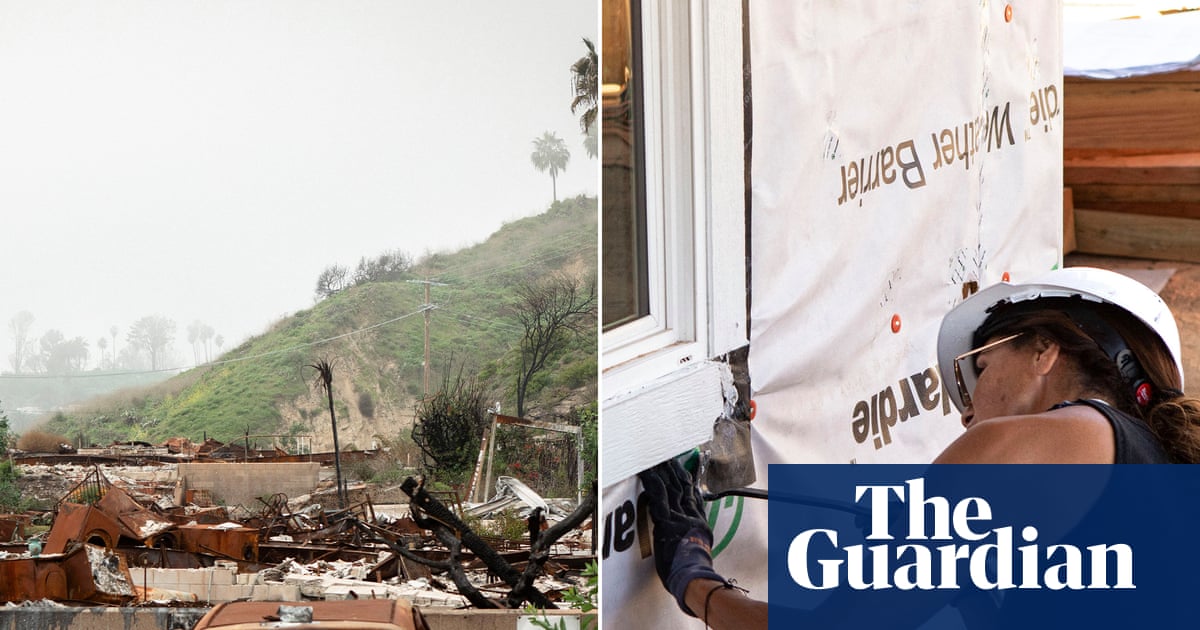
1 month agoCan fire-resistant homes be sexy? 'You be the judge,' says this Palisades architect
A Pacific Palisades architect designed a fire-resistant home with steel framing, foot-thick exterior walls, automated shutters, and advanced water and foam suppression systems after losing his previous home to wildfire.
California
fromSan Jose Spotlight
2 weeks agoYan: Cupertino needs to review fire safety study for Linda Vista housing - San Jose Spotlight
Cupertino approved a 51-townhome development in a Very High Fire Hazard Zone despite possessing expert analysis showing evacuation demand exceeds roadway capacity by over 200%, which was never presented during the approval hearing.
fromLos Angeles Times
2 months agoA push to end a fractured approach to post-fire contamination removal
The patchwork efforts to identify and safely remove contamination left by the 2025 Eaton and Palisades fires has been akin to the Wild West. Experts have given conflicting guidance on best practices. Shortly after the fires, the federal government suddenly refused to adhere to California's decades-old post-fire soil-testing policy; California later considered following suit. Meanwhile, insurance companies have resisted remediation practices widely recommended by scientists for still-standing homes.
Public health
fromwww.dailynews.com
2 months agoSouthern California fire chiefs fault local leadership as US Senate probes Palisade fire
What I observed was not simply a difficult fire under extreme conditions, Butler said. It was the predictable outcome of a breakdown in leadership, preparedness and command discipline. Firefighters were forced to improvise without adequate resources, unified command or consistent safety oversight. This was not a failure of effort by firefighters. It was a failure of leadership above them.
US politics
US politics
fromLos Angeles Times
2 months agoPalisades fire report was sent to mayor's office for 'refinements,' Fire Commission president says
The mayor's office requested refinements to the LAFD after-action report on the Palisades fire, prompting concerns about edits that softened criticism and obscured failures.
Environment
fromFast Company
2 months agoIn California, developers are building the country's first wildfire resilient neighborhoods
A Sacramento-area neighborhood uses IBHS Wildfire Prepared Neighborhoods standards to build ember-resistant homes and layout designs that reduce wildfire ignition and spread.
California
fromLos Angeles Times
1 month agoState fire marshal misses deadline for apartment building safety report, angering housing advocates
Allowing single-stair apartment construction could lower multifamily housing costs and enable larger, better-lit units while fire-safety regulators evaluate modest building-code changes.
fromwww.pasadenastarnews.com
1 month agoCalifornia bill would require insurance protections for fire-hardened homes
State Sen. Sasha Renee Perez, D-Pasadena, who has worked to bring more transparency to the insurance claims process for survivors of last year's wildfires, has proposed Senate Bill 1076. Known as the Insurance Coverage for Fire-Safe Homes Act, it would require insurance companies to offer or renew insurance for properties that meet wildfire safety standards set by State Insurance Commissioner Ricardo Lara.
California
fromLos Angeles Times
2 months agoLeaked memo reveals California debated cutting wildfire soil testing before disaster chief's exit
One year ago, Nancy Ward, then the director of the California Governor's Office of Emergency Services (Cal OES), petitioned the Federal Emergency Management Agency to spearhead the cleanup of toxic ash and fire debris cloaking more than 12,000 homes across Los Angeles County. Although Ward's decision ensured the federal government would assume the bulk of disaster costs, it came with a major trade off.
California
fromLos Angeles Times
2 months agoClashing with the state, L.A. City moves to adopt lenient wildfire 'Zone Zero' regulations
Critics of Zone Zero, who are worried about the financial burden and labor required to comply as well as the detrimental impacts to urban ecosystems, have been particularly vocal in Los Angeles. However, wildfire safety advocates worry the measures endorsed by L.A.'s City Council will do little to prevent homes from burning.
California
[ Load more ]