#gdp-trends
#gdp-trends
[ follow ]
#inflation #us-dollar #federal-reserve #treasury-yields #economic-impact #geopolitical-tensions #monetary-policy
UK politics
fromwww.theguardian.com
8 hours agoTrussonomics still haunts parties' economic promises in run-up to UK local elections | Phillip Inman
Local and regional elections in the UK reveal extravagant spending promises from various parties, often funded by cuts or borrowing without clear economic consequences.
#us-dollar
US Elections
fromLondon Business News | Londonlovesbusiness.com
2 days agoUS dollar rose amid a rebound in geopolitical concerns - London Business News | Londonlovesbusiness.com
The US dollar strengthened due to geopolitical fears and better-than-expected economic data, while uncertainty keeps market volatility high.


US Elections
fromLondon Business News | Londonlovesbusiness.com
2 days agoUS dollar rose amid a rebound in geopolitical concerns - London Business News | Londonlovesbusiness.com
The US dollar strengthened due to geopolitical fears and better-than-expected economic data, while uncertainty keeps market volatility high.




fromwww.mediaite.com
5 days agoBad News All Around!' Fox Business Host Stunned By Highly Inflationary' Prices in Total Bummer of an Economic Analysis
High energy prices are kryptonite for the housing market. Affordability, especially for those first-time home buyers, is now an elusive dream until oil prices come down and interest rates come down.
SF real estate
#us-economy
US politics
fromFortune
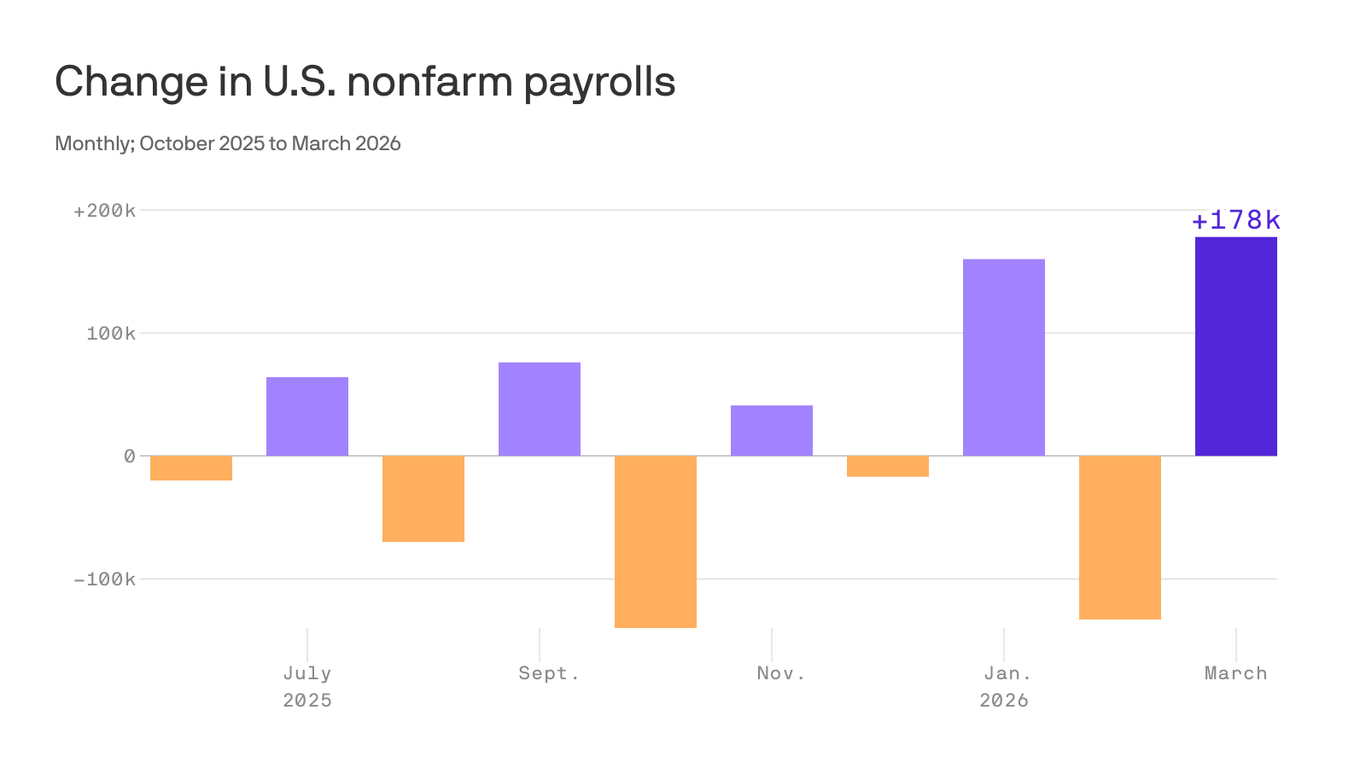
5 hours agoThe economy can shed jobs and still keep the labor market balanced, as Trump's immigration crackdown turns breakeven hiring negative | Fortune
The U.S. labor market shows a negative breakeven rate of employment growth due to immigration restrictions, indicating potential job losses without rising unemployment.
Retirement
fromLondon Business News | Londonlovesbusiness.com
1 day agoEvery time you borrow from a bank, you're paying more than you think - London Business News | Londonlovesbusiness.com
Opportunity cost in loans includes lost potential earnings from repayment dollars, not just the interest rate paid.

#gbpusd
UK news
fromLondon Business News | Londonlovesbusiness.com
4 days agoCautious recovery for the British pound after consecutive losses near $1.31 - London Business News | Londonlovesbusiness.com
Geopolitical risks now dominate GBP/USD movements, overshadowing traditional economic factors and creating volatility in the currency pair.


from24/7 Wall St.
2 days agoGDX vs. GLD: Gold Had Its Best Year in 45 Years. One of These ETFs Returned Twice as Much.
Gold miners have relatively fixed costs to get the metal out of the ground. The all-in sustaining cost typically runs around $1,200 to $1,400 per ounce for most major producers. When gold trades at $2,000, a miner earns between $600 and $800 per ounce in margin. When gold climbs to $3,000, that margin roughly doubles, even though the gold price itself only rose 50%.
Business
Artificial intelligence
fromFortune
3 days ago'Inflationary surge': Fed economists warn AI hype is overheating the economy whether or not the technology ever delivers | Fortune
AI optimism may hinder productivity and contribute to short-term inflation as households and businesses react to perceived future gains.
London startup
fromLondon Business News | Londonlovesbusiness.com
4 days agoSME confidence edges up despite cautious economic outlook - London Business News | Londonlovesbusiness.com
SMEs in the UK and Ireland show renewed optimism despite economic uncertainty, with expectations for sales growth and workforce expansion.
fromLondon Business News | Londonlovesbusiness.com
4 days agoGold extends limited rebound, risks remain - London Business News | Londonlovesbusiness.com
Gold rose for a third consecutive session on Tuesday, while Treasury yields continued to decline. Comments from the Federal Reserve's Chair helped ease market expectations regarding a potentially tighter monetary policy.
Europe news
World politics
fromLondon Business News | Londonlovesbusiness.com
5 days agoUS dollar stable after successive gains - London Business News | Londonlovesbusiness.com
Escalating Middle East tensions are influencing market sentiment, keeping the dollar stable and impacting US Treasury yields amid inflation concerns.
Europe news
fromLondon Business News | Londonlovesbusiness.com
5 days agoUK government stands aside as others globally cut fuel taxes - London Business News | Londonlovesbusiness.com
The UK government has not reduced fuel duty despite rising oil prices, unlike other countries that have implemented tax cuts to alleviate costs for consumers.
World politics
fromwww.theguardian.com
3 days agoA third inflationary shock in less than a decade is coming: who will pay the price this time around? | Aditya Chakrabortty
Daniel Yergin highlights the vulnerability of global oil supplies through the Strait of Hormuz and the consequences of military actions against Iran.
from24/7 Wall St.
3 days agoWall Street Bullish on Americas Gold and Silver: BMO Sees Major Re-Rate Ahead
BMO believes Americas Gold has the expertise to execute its optimization strategy, particularly at the Galena Complex, and sees the company's approach increasing free cash flow generation as production grows organically.
Business
fromFortune
4 days agoA Wall Street vet's Walmart recession indicator just hit its highest point since 2008-and he says the fear 'just keeps multiplying' | Fortune
'Walmart Worries' just keep multiplying. It's currently close to the highest level ever recorded which was during the Great Financial Crisis of 2008-09.
Business
Europe news
fromLondon Business News | Londonlovesbusiness.com
2 weeks agoPound sterling edges lower as markets eye central bank meetings - London Business News | Londonlovesbusiness.com
Sterling weakened against the dollar while remaining stable against the euro, with central banks expected to maintain interest rates amid concerns over oil price shocks and persistent inflation.
fromLondon Business News | Londonlovesbusiness.com
5 days agoGlobal markets react to geopolitical tensions and rising energy costs - London Business News | Londonlovesbusiness.com
U.S. financial markets experienced a volatile week, largely influenced by geopolitical developments in the Middle East and fluctuations in energy prices. Investor sentiment was driven primarily by external events rather than domestic fundamentals.
Business
fromLondon Business News | Londonlovesbusiness.com
2 weeks agoThe significant events in the global economy over the past week - London Business News | Londonlovesbusiness.com
Weak performance in several service sectors offset gains in retail and wholesale trade, reinforcing concerns about the pace of economic recovery. Japan relies heavily on oil imports from the Middle East, making it particularly sensitive to disruptions in the region.
UK news
fromLondon Business News | Londonlovesbusiness.com
1 month agoDollar Pauses Rally Amidst Geopolitical Tensions - London Business News | Londonlovesbusiness.com
The tensions between the United States and Iran have pushed oil prices higher, raising fears of energy-driven inflation, which helped support both the dollar and Treasury yields. The 10-year yield has climbed to its highest level in roughly two weeks.
US news
US Elections
fromenglish.elpais.com
3 weeks agoUS economy grew at half the expected rate in the final quarter of 2025 due to tariffs and government shutdown
U.S. GDP growth slowed to 2.1% annually in 2025, down from 2.8% in 2024, due to tariffs, government shutdown, and reduced exports and consumer spending.
fromLondon Business News | Londonlovesbusiness.com
3 weeks agoDollar under pressure as geopolitical concerns ease - London Business News | Londonlovesbusiness.com
The expectations of a decrease in tensions triggered a pullback in oil prices, which in turn softened immediate concerns about inflation pressures. However, the broader geopolitical backdrop remains fragile, and any renewed escalation could quickly push oil prices, the dollar, and Treasury yields higher again.
World politics
Business
fromLondon Business News | Londonlovesbusiness.com
2 weeks agoWhere is the US Dollar Index heading amid rising bond yields? - London Business News | Londonlovesbusiness.com
The US Dollar Index strengthens due to Federal Reserve's hawkish stance, elevated Treasury yields, and geopolitical tensions, with limited rate cuts expected through 2027.
US news
fromLondon Business News | Londonlovesbusiness.com
1 month agoThe Significant Events in the Global Economy Explained - London Business News | Londonlovesbusiness.com
Supreme Court tariff reversal lifted investor sentiment and stocks, while Fed division on rates, rising inflation, and slowing GDP kept markets cautious.
Business
fromLondon Business News | Londonlovesbusiness.com
1 month agoThe significant events in the global economy over the past week - London Business News | Londonlovesbusiness.com
U.S. equity markets declined amid AI disruption concerns and trade uncertainty, while European markets gained strength with solid earnings and diversification appeal.
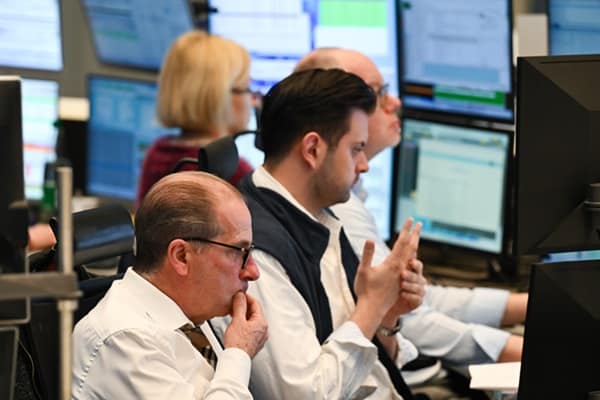
fromLondon Business News | Londonlovesbusiness.com
2 months agoA look at the significant events in the global economy over the past week - London Business News | Londonlovesbusiness.com
Markets were closed on Monday for Martin Luther King Jr. Day, compressing the week's activity into four sessions. Early in the week, stocks fell sharply after renewed concerns about a potential global trade conflict. Investor sentiment weakened following comments from President Donald Trump about imposing tariffs on certain European nations in connection with negotiations over Greenland. However, midweek optimism returned when the president signalled a softer stance and postponed the planned tariffs.
US news
US news
fromLondon Business News | Londonlovesbusiness.com
2 months agoDollar extends rebound on geopolitical risks - London Business News | Londonlovesbusiness.com
Geopolitical risks pushed the US dollar to two-week highs as safe-haven demand rises, while upcoming data and Fed remarks could change dollar and yield outlooks.
US news
fromLondon Business News | Londonlovesbusiness.com
2 months agoWhere is the Dollar Index (DXY) heading amid weak ADP data and jobs anticipation? - London Business News | Londonlovesbusiness.com
Dollar Index stability above 98.50 signals market caution and a fragile balance between slowdown concerns and safe-haven demand, vulnerable to surprise labor data.
Business
fromLondon Business News | Londonlovesbusiness.com
1 month agoA look at the significant events in the global economy over the past week - London Business News | Londonlovesbusiness.com
U.S. markets rotated away from large-cap technology toward smaller and value stocks amid cooling labor-market signals, mixed economic activity, and falling bond yields.
fromLondon Business News | Londonlovesbusiness.com
1 month agoDollar struggle and monetary policy shape the next phase - London Business News | Londonlovesbusiness.com
The resilience of gold above $4,800 per ounce at this stage reflects a delicate and complex balance between traditional supporting factors and emerging pressures-one that cannot be superficially interpreted or reduced to the movement of the dollar alone. It is true that the U.S. dollar's retreat from its recent peaks, after failing to sustain its recovery momentum from a four-year low, provided gold with a short-term breather and attracted some buyers.
Business
[ Load more ]