#geoffrey-andrews
#geoffrey-andrews
[ follow ]
#memory #george-saunders #mortality #literature #ben-lerner #aging #legacy #experimental-literature #formative-books
fromThe Sacramento Observer
1 month agoTheft, feedback loops and ecological red flags: Capital Region writers face a new reality with AI
I feel that in a short period of time I've become very counter-cultural without meaning to, because I have a kind of like 'kill it with fire' attitude towards [AI]. I didn't consent to this, you know? And I guess, you know, we don't get to consent to the cultural changes that impact us; but I don't appreciate how it's all happened in what feels like about two years.
Artificial intelligence
Books
fromwww.npr.org
3 weeks agoAuthor Luke Kennard talks about his novel, 'Black Bag'
Luke Kennard's novel 'Black Bag' fictionalizes a 1967 psychology experiment where a silent, bagged actor in a classroom gradually becomes liked by students through repeated exposure, exploring how familiarity transforms perception.
fromThe New Yorker
2 weeks agoCan Psychoanalysis Help You Get the Life You Want?
Both are "idealists," he writes, "deranged by hope, in awe of reassurance, impressed by their pleasures." The book criticizes monogamy as "a way of getting the versions of ourselves down to a minimum," but it doesn't exactly defend infidelity. Phillips's real target may be monotony, the offspring of rote rule-following.
Books
Books
fromThe New Yorker
3 weeks agoBriefly Noted Book Reviews
Two novels explore identity and agency: Floodlines examines sisterhood amid Middle Eastern political upheaval through rediscovered art, while Murder Bimbo satirizes contemporary politics through an unreliable narrator's shifting self-presentation.
Books
fromwww.theguardian.com
1 month agoSaba Sams: I've no interest in reading Wuthering Heights again'
Jacqueline Wilson's unflinching approach to children's literature, alongside works by authors like Gwendoline Riley and Clarice Lispector, demonstrates that literary courage and emotional complexity resonate more powerfully than conventional safety or virtuousness.
fromThe New Yorker
1 month agoBriefly Noted Book Reviews
Dilara, the protagonist of this début novel, is consumed by the absence of a stable home in her life. She and her family flee Turkey, where she is from, after a failed coup in 2016. When they end up in Italy, something inexplicable happens: Dilara's bathroom transforms into a cell in an infamous prison on the outskirts of Istanbul.
Books

Books
fromwww.theguardian.com
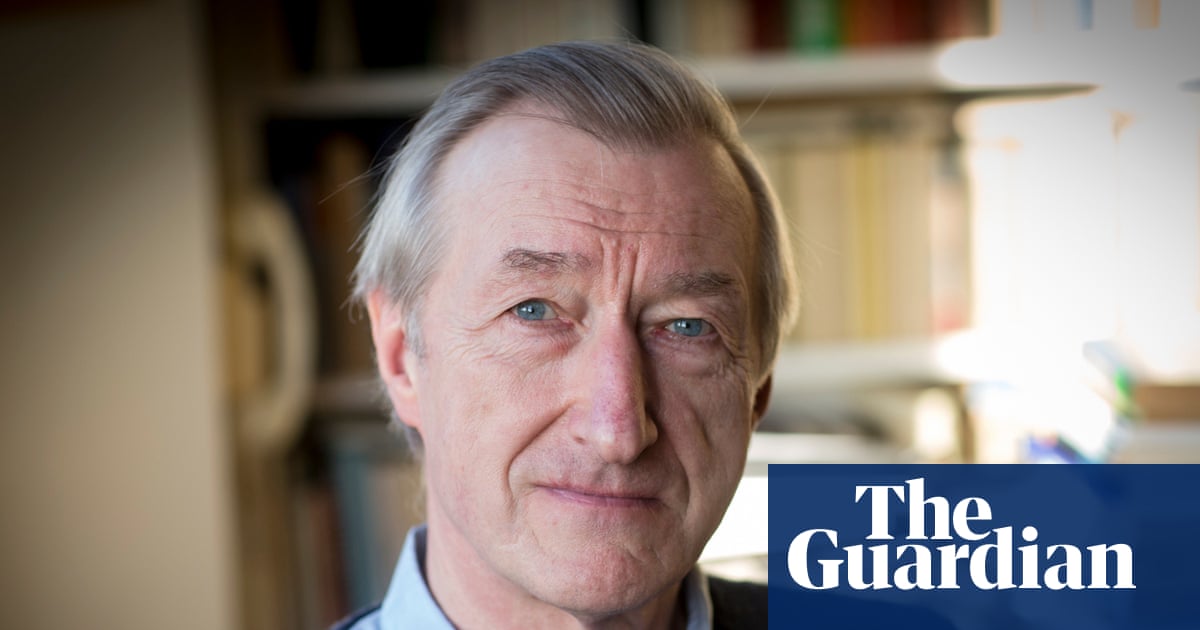
1 month agoBen Markovits: I used to think any book concerned with people falling in love can't be very good'
Reading shaped formative years through detective stories, fantasy epics, and memoirs that provided companionship and escape during frequent moves and family transitions.
Books
fromwww.dailyfreeman.com
1 month agoPenguin Press founder Ann Godoff, a powerhouse editor of bestsellers and prize winners, dies at 76
Ann Godoff, influential book publisher for over 30 years who founded Penguin Press and published numerous bestsellers and award-winning works, died of cancer at age 76.
Books
fromThe Atlantic
1 month agoWhen Did Literature Get Less Dirty?
Philip Roth's Zuckerman Unbound functioned as a response to the controversial reception of Portnoy's Complaint, with Roth's protagonist expressing regret over writing sexually explicit material that drew accusations of anti-Semitism and misogyny.
fromwww.theguardian.com
2 months agoA Long Game by Elizabeth McCracken review here's how to really write your novel
Trope, POV, backstory, character arc. In the 30 years since I was a student of that benign, pipe-smoking, elbow-patched man of letters Malcolm Bradbury, the private language of creative writing workshops has taken over the world. What writers used to say to small circles of students in an attempt to help them improve their storytelling technique has become a familiar way, often parodic and self-knowing, of interpreting the grand and not-sogrand narratives of our time.
Writing
fromwww.theguardian.com
2 months agoI could never hope to equal it again': Jeffrey Archer announces next novel will be his last
When I came across the idea for this novel a few years ago, I knew it was bigger in scope than anything I'd done before and I accepted that the research alone would be more demanding than anything I'd tackled in the past. When I finally sat down to write Adam and Eve I also realised, by the end of the first draft, that this was going to be my final novel,
Books
fromThe Atlantic
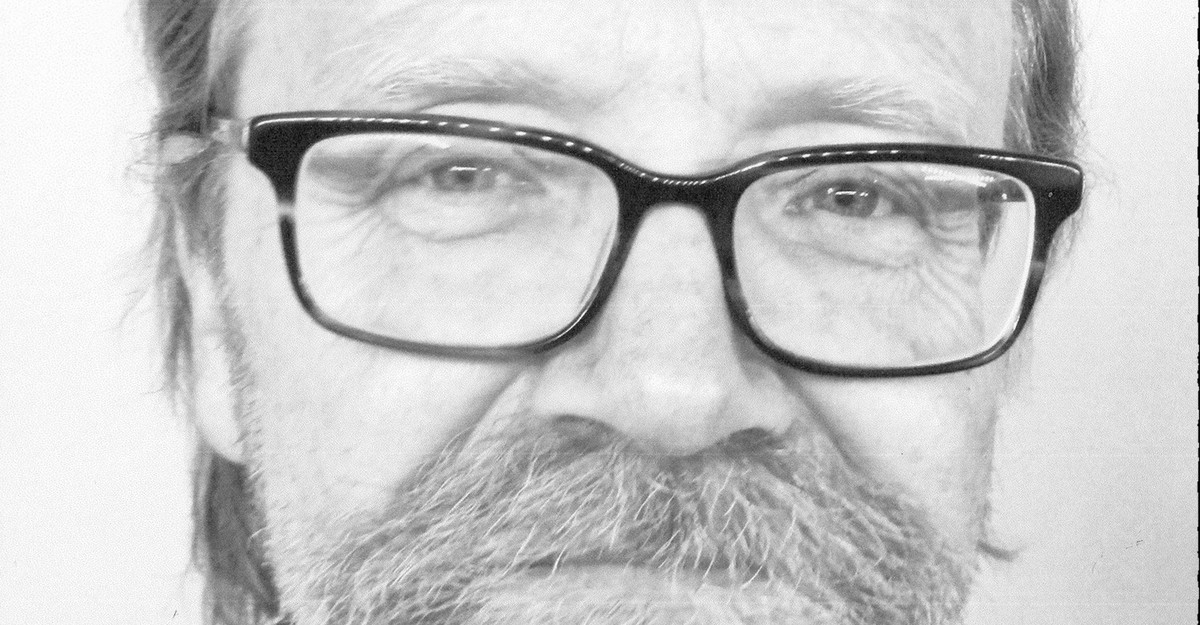
2 months agoBring Back Moral Fiction
It was once commonly understood that fiction was in the wisdom business, that it offered not only aesthetic pleasure but also moral improvement. This function of literature was not tough to spot. One of the first English novels was Samuel Richardson's 1740 work, Pamela: Or, Virtue Rewarded-a title not meant ironically. Through the 19th century, many authors turned directly to the reader with philosophical and social (if sometimes ironic) commentary: "It is a truth universally acknowledged"; "It was the best of times"; "All happy families are alike." For readers not up to the challenge of full George Eliot novels, her enterprising publisher compiled a volume of Eliot's many Wise, Witty, and Tender Sayings, in order to more broadly distribute "a morality as pure as it is impassioned."
Books


Books
fromwww.theguardian.com
2 months agoWhat we're reading: George Saunders, Erin Somers and Guardian readers on the books they enjoyed in January
Re-reading classics and contemporary novels reveals diverse literary powers: playful zaniness, dense language, sweeping ambition, humane realism, and restorative small-scale storytelling.
fromThe New Yorker
2 months ago"This Is How It Happens," by Molly Aitken
You are leaving work, your suit still damp from the morning's downpour, the skin on your palms peeling. You are clutching two supermarket bags, tins of cream soup and tuna knocking against one another. The rain is hard and your anorak is cheap. You are on your way to Stockbridge, to your parents' house, which only your father inhabits now that your mother is gone.
Books
fromwww.theguardian.com
1 month agoFrogs for Watchdogs by Sean Farrell review about a boy
There's a particular energy to novels written from the point of view of small children. Humour, of course, in the things the child misinterprets; pathos in the things they feel they must keep hidden; jeopardy in the dangers we can see, and they cannot. As any relative or babysitter can attest, even the sweetest child can become mind-numbingly dull when they're all the company one has, so there's a skill to charm without boring.
Books
fromThe New Yorker
2 months agoReading for the New Year: Part Two
Years ago, I wrote a series of articles for my college newspaper about competing in contests for which I was comically unprepared: arm wrestling, archery, Scrabble. The compulsion to fail dramatically continued into my freelance writing career, when I finagled my way into the front corral at the Los Angeles Marathon. (I stuck with the élites for all of two hundred meters.) My inclination was Plimptonian.
Books
fromwww.theguardian.com
2 months agoNeil Gaiman claims sexual assault allegations are result of smear campaign'
The allegations against me are completely and simply untrue. There are emails, text messages and video evidence that flatly contradict them, he said. These allegations, especially the really salacious ones, have been spread and amplified by people who seemed a lot more interested in outrage and getting clicks on headlines rather than whether things had actually happened or not. (They didn't.)
Books
fromwww.npr.org
2 months agoJulian Barnes says he's enjoying himself, but that 'Departure(s)' is his last book
Cancer means that Barnes, who turns 80 on Jan. 19, will spend the rest of his life on chemotherapy drugs. Still, he says, he doesn't grieve for his aging and ailing body. "We are these creatures who come into this earth unbidden, not consulted, and we live a certain amount of time much longer than our ancestors," he says. "But because we live longer, our body begins to break down and the medical costs increase."
Books
Books
fromwww.theguardian.com
2 months ago'How do you really tell the truth about this moment?': George Saunders on ghosts, mortality and Trump's America
Ghost stories are used to explore mortality, memories, and ethical legacy, forcing characters to confront past actions and discover more truthful perspective.
fromThe Atlantic
2 months agoThe Writer's Magic Trick
A writer is a kind of magician. Their job is to create living, three-dimensional people out of the ordinary stuff of ink and paper. This is no easy task, because readers can't literally hear, touch, or observe a character. Everything that defines a human being in real life-the physical space they occupy, or how they smell, feel, and sound-is stripped away, replaced by description. But authors have one major, mystical advantage: They can show you what's happening inside of someone's brain.
Books
fromwww.theguardian.com
2 months agoSusan Choi: For so long I associated Dickens with unbearable Christmas TV specials'
The book that changed me as a teenager Donald Barthelme's Sixty Stories, because he was having such a good time and seemed so so smart, but was also mischievous and irreverent. It may sound corny but these stories made me grasp the existence of a world of art and literature. And Barthelme lived in Houston, where I was growing up, yet he was a major world writer.
Books
fromwww.newyorker.com
2 months agoJoseph O'Neill Reads Light Secrets
Skip to main content Illustration by The New Yorker; Source photograph Michael Lionstar Listen and subscribe: Apple | Spotify | Google | Wherever You Listen Sign up to receive our weekly Books & Fiction newsletter. Joseph O'Neill reads his story Light Secrets, from the January 26, 2026, issue of the magazine. O'Neill is the author of a story collection and five novels, including Netherland, which won the PEN/Faulkner Award for Fiction in 2009, The Dog, and Godwin, which was published in 2024.
Books
[ Load more ]