World politics
fromThe Atlantic
32 minutes agoThree Things the Consensus Gets Wrong About the Iran War
Pessimism about the U.S. war with Iran stems from skepticism, professional incentives, and sometimes ignorance of military terminology.
Major indices, including the Nasdaq Composite, S&P 500, and Dow Jones Industrial Average, all recorded gains, with the Nasdaq delivering its strongest weekly performance since November.
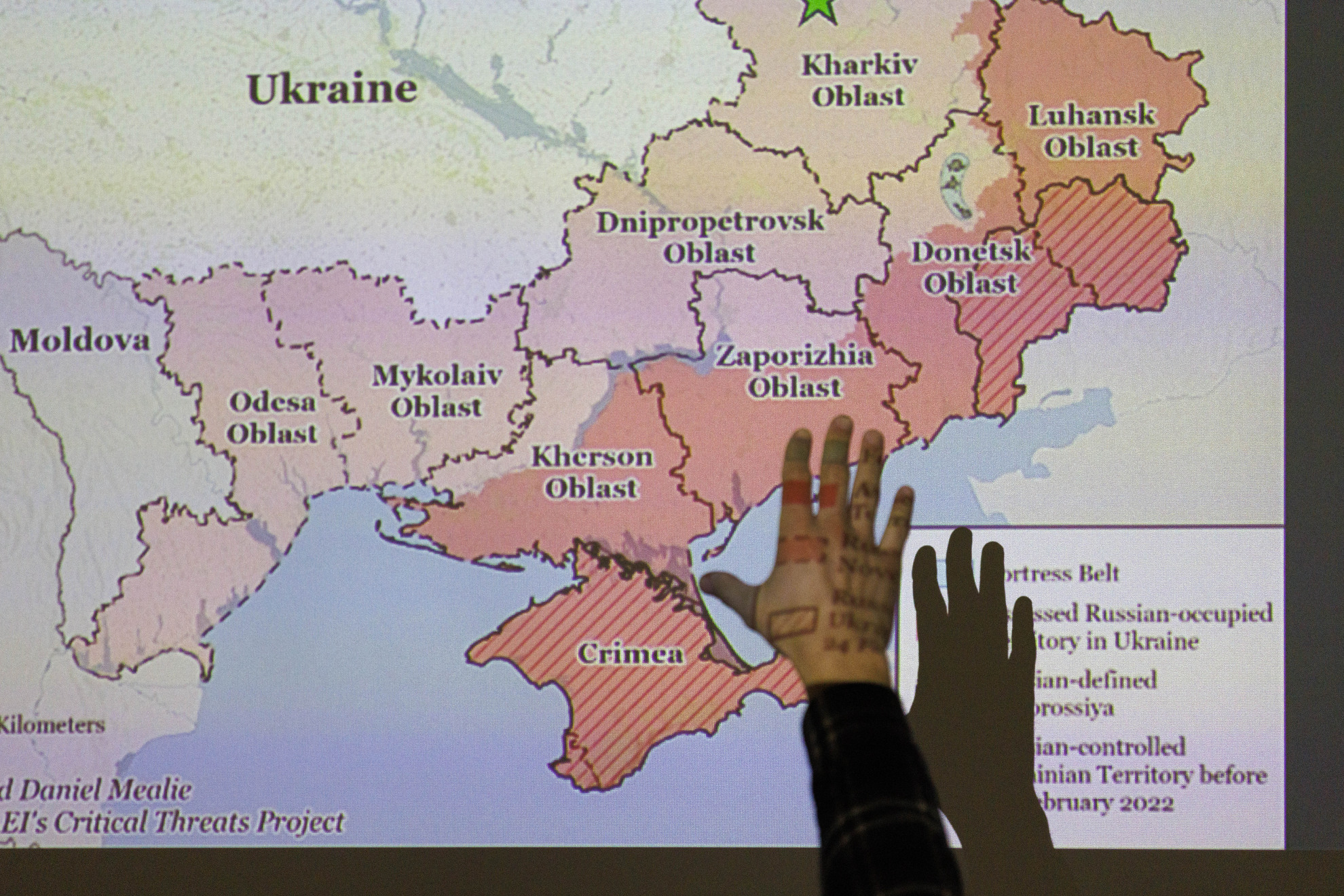
In 2021, when Olga Rudenko and other journalists launched the Kyiv Independent, they were committed to making a publication that wouldn't face political pressure from an owner. A few months later, Russia launched a full-scale invasion of Ukraine, and the Independent began reporting breaking news from the front lines.
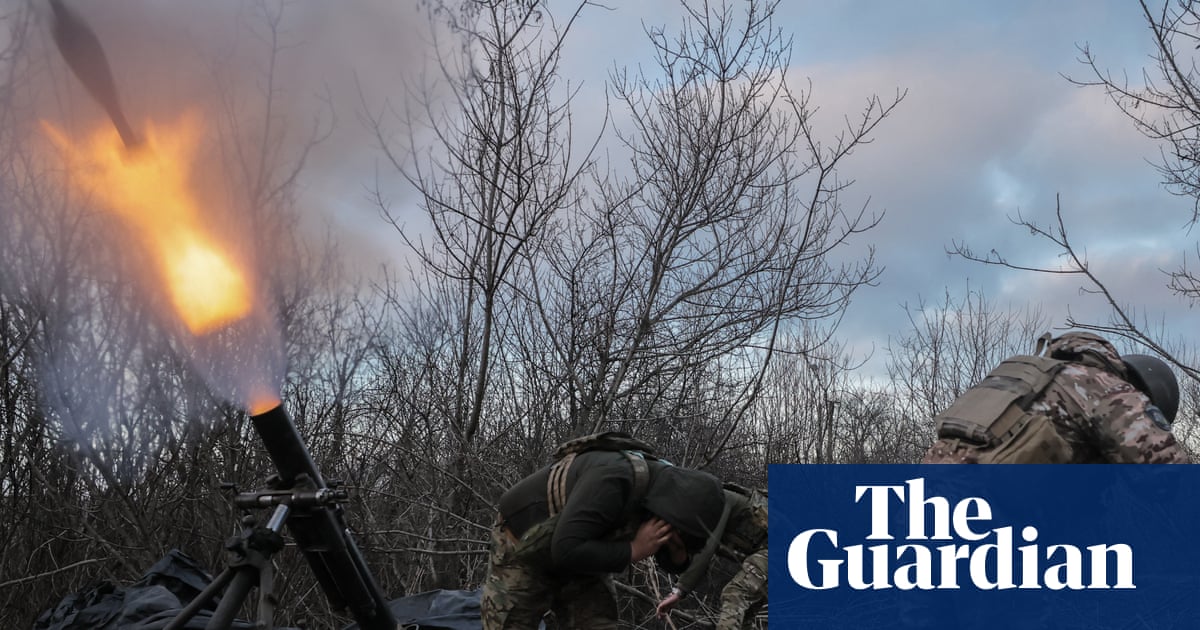
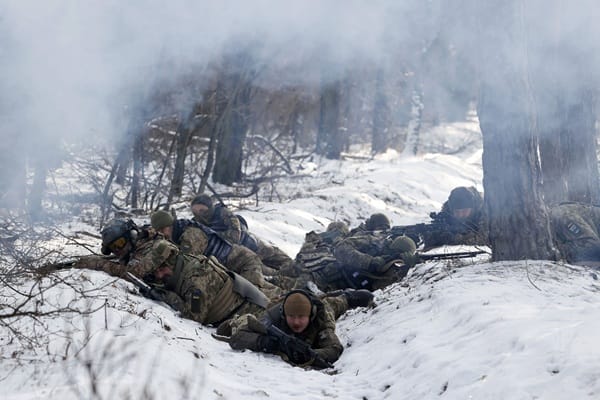
Ben Hodges said the proposed multinational force, discussed this week by the British and French leaders with Ukraine's president Volodymyr Zelenskyy in Paris, had to be robust enough to deal with likely Kremlin-orchestrated provocations. The coalition of the willing has to have real force and rules of engagement that allow it to immediately react and respond to any violations, he said. Captains can't be having to call back to Paris or London to find out how to deal with a Russian drone.
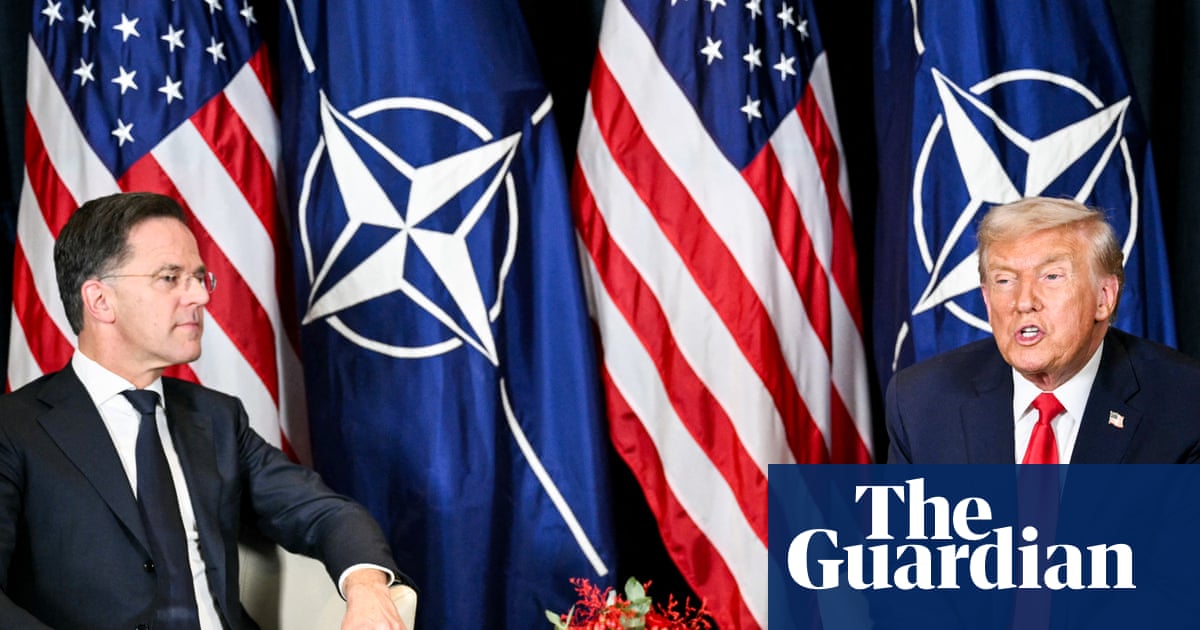
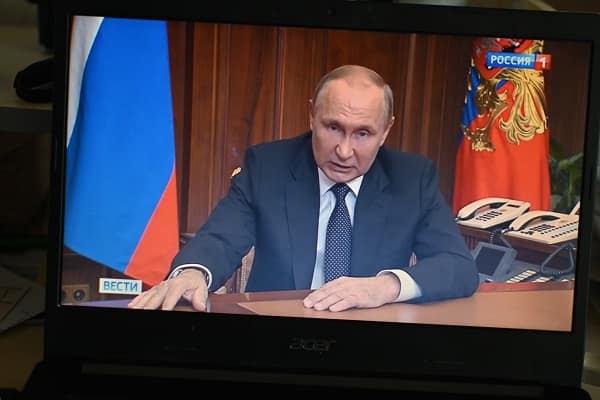
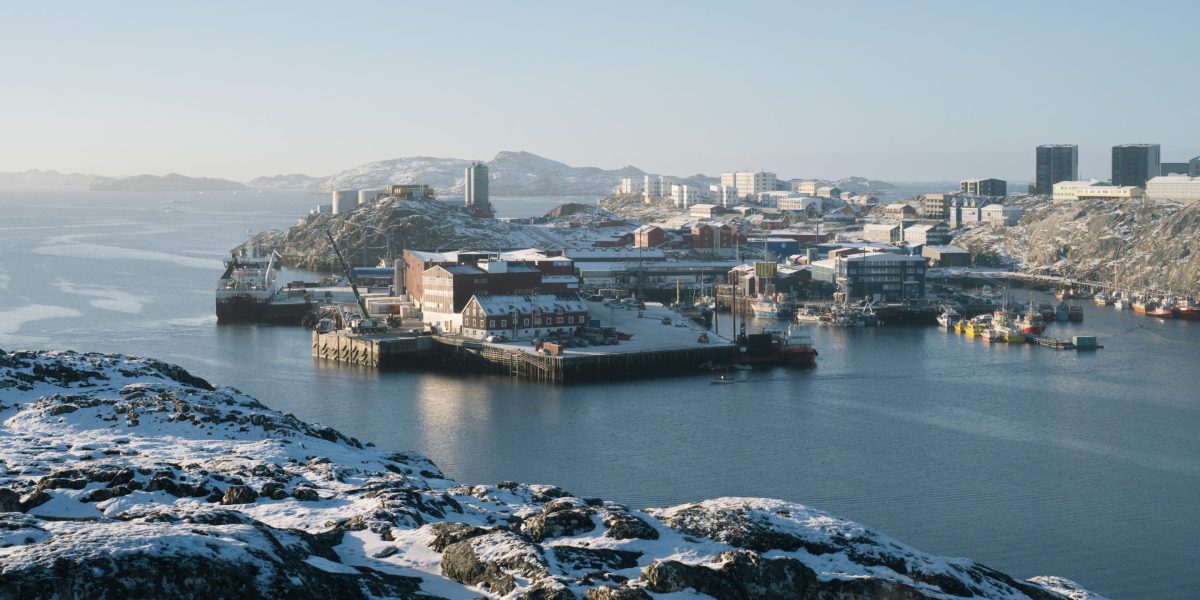
Sergey Lavrov, the Russian foreign minister, can rarely be described as looking happy. His brick wall of a face and somber voice, worn down by many years of smoking Marlboros, have earned him the nickname "Minister No." But when the question of Greenland came up yesterday at his press conference in Moscow, Lavrov seemed to come alive, even permitting himself a smile and a chuckle as he talked about President Trump's imperial designs on the Danish territory and the response from NATO allies.
Anthony Glees, Emeritus Professor at the University of Buckingham, called the US and Israeli decision to attack Iran a 'war of choice' and the first red flag which previously led to the last two world wars. He claimed that the conflict in the Middle East did not start out of necessity or self-defense, but as a deliberate decision by two leaders focused on gaining power and keeping it.
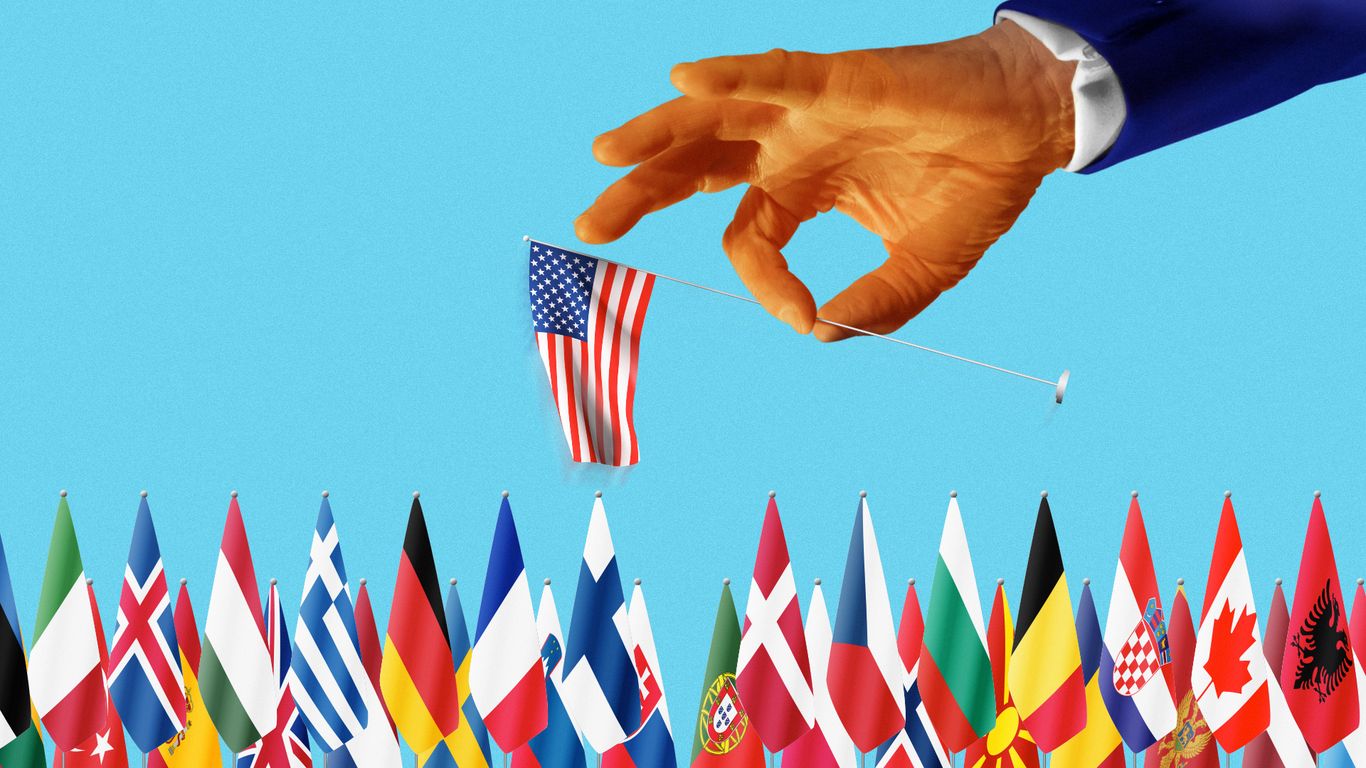
The Canadian prime minister, Mark Carney, inspired a wave of enthusiastic nodding among the cosmopolitan crowd gathered in Davos last month when he took to the podium and proclaimed that the world order underwritten by the United States, which prevailed in the west throughout the postwar era, was over. The organizing principle that emerged from the ashes of the second world war, that interdependence would promote world peace by knitting nations' interests together in a drive for common security and prosperity, no longer works.