#giorgio-oliva
#giorgio-oliva
[ follow ]
#italian-cuisine #olive-garden #cooking-tips #italian-american-cuisine #fine-dining #pasta #comfort-food

fromwww.theguardian.com
5 days agoEndo dreams of sushi: a trip around Japan with one of the world's greatest chefs
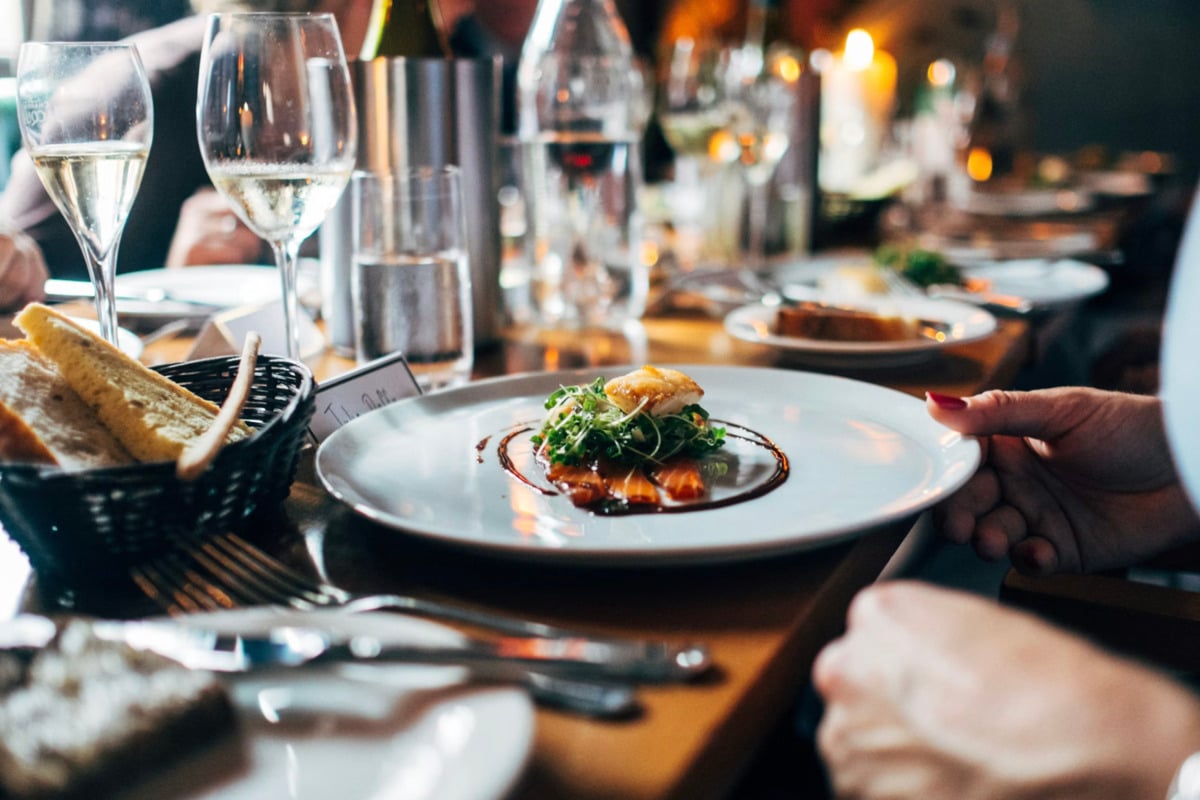
Endo Kazutoshi was on the train to Paris when he heard about the fire that had destroyed his restaurant, Endo at the Rotunda, located on the eighth floor of the Helios building. The fire had started on a terrace and quickly spread, affecting the dining room and kitchen, built mostly from 200-year-old hinoki wood.
London food
fromTasting Table
1 week agoThis Cocktail Staple Is The Secret To 'Amazing' Seafood Pasta, According To A Chef - Tasting Table
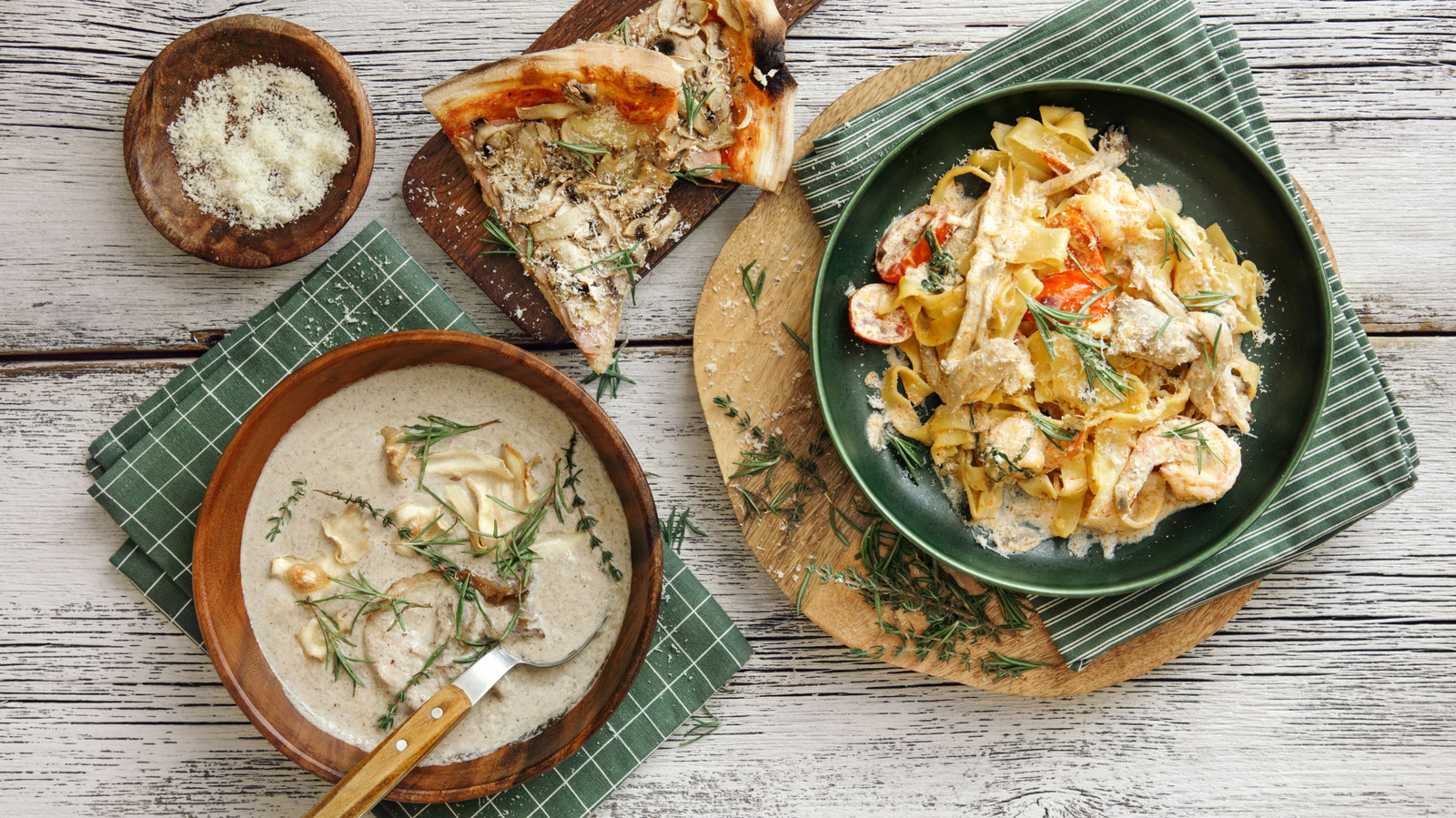
I use a lot of vermouth actually. Obviously it's a fortified wine and so therefore it has a lot of flavor. When I'm doing pastas, for example, I'm using white vermouth sometimes. If I'm doing a seafood pasta with clams, it's amazing. People are like, 'What's that flavor in there?'
Wine

fromTravel + Leisure
1 month ago10 Best Italian Cities for Food Lovers-and the Iconic Eats They're Known For
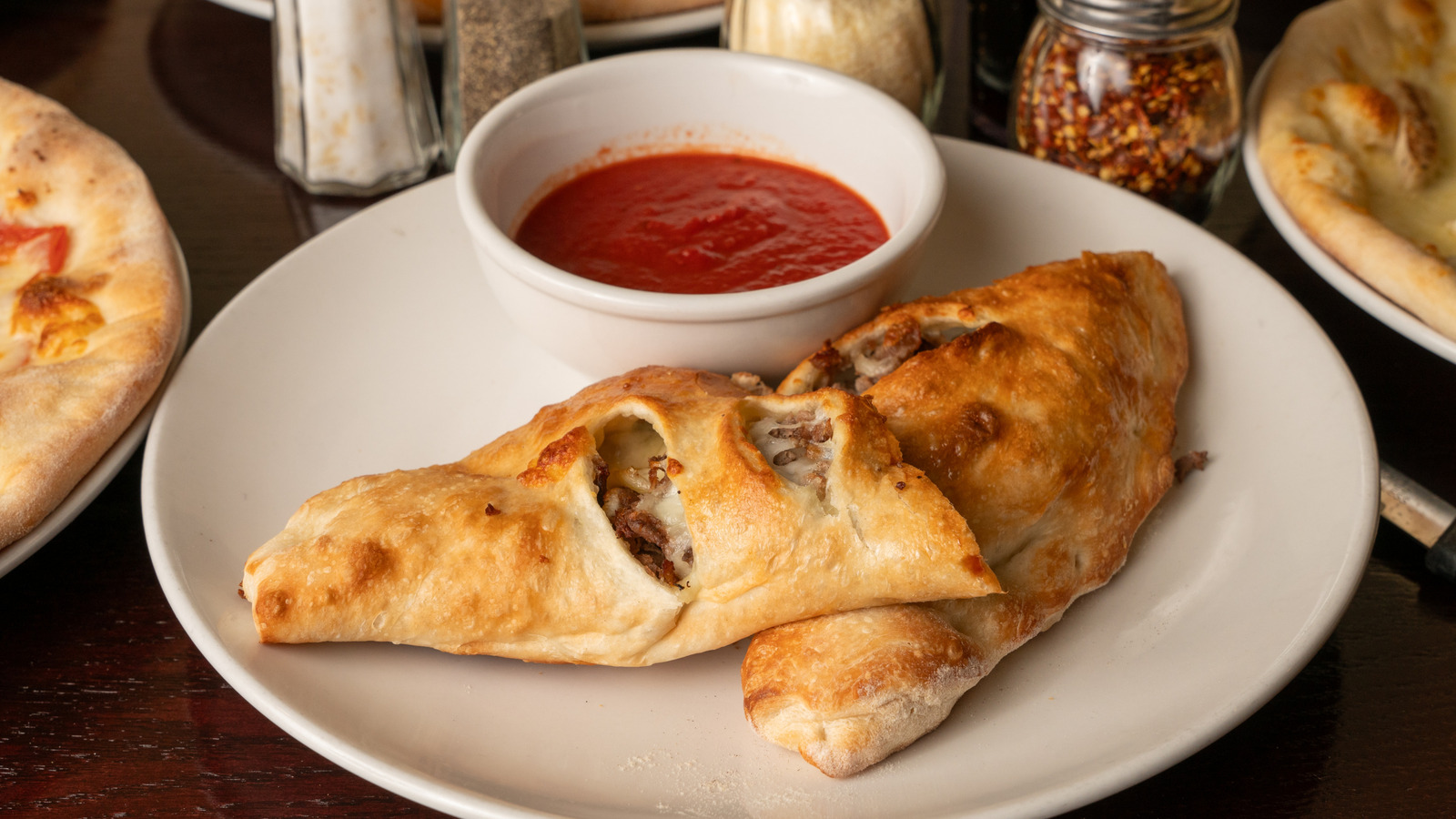
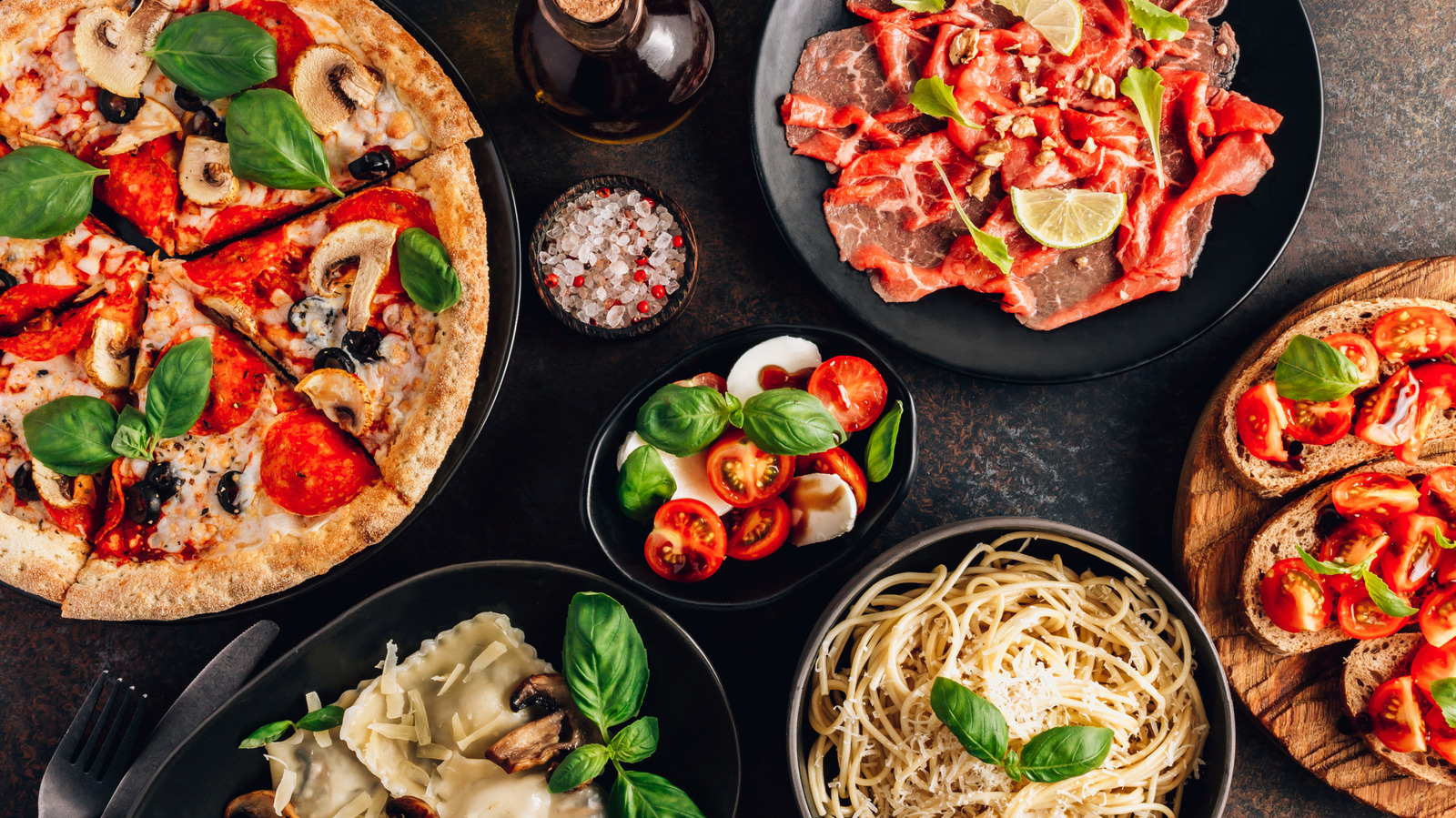
Italian food products and cuisine have infiltrated just about every corner of the globe, but nothing compares to trying classic Italian dishes at their source-and there's so much more than pizza, pasta, and gelato. Don't expect to find the same dishes on menus all over the country. From carbonara in Rome to the best street food in Palermo, each Italian region has its own recipes.
Berlin food
Dining
fromForbes
2 weeks agoOn New York's Upper East Side, Paola's Osteria Has Consistently Catered To A Posh Clientele
Paola's is a long-established Italian restaurant on Manhattan's Upper East Side offering traditional cuisine, an extensive wine selection, and a devoted local clientele in a comfortable, well-designed dining space.
fromTasting Table
1 month agoThe Best Olive Oil In Aldi Stores Is Practically Restaurant Quality - Tasting Table
Trying the oil, I found this cold-pressed EVOO's taste was superior to the others, noted flavors of freshly cut grass, wild artichoke, and fruity green apple. The mouthfeel of this oil was also a huge help in getting it the number one spot. Compared to some of the other olive oils in the tasting, which were lacking in the unctuous, rich texture, Specially Selected's smooth, buttery mouthfeel was a memorable part of the tasting experience.
Food & drink
fromElite Traveler
2 months agoThe Check-In: Airelles Palladio, Venice to Welcome Nobu Matsuhisa and Jean-Georges Vongerichten
Airelles is preparing to open its first property outside France this April, and has unveiled the culinary team that will lead its three dining venues in Venice: Nobu Matsuhisa, Jean-Georges Vongerichten, and Norbert Niederkofler. Guests of Airelles Palladio, Venice can anticipate Matsuhisa's famed omakase and Japanese fusion at Matsuhisa by Nobu. Palladio, by Jean-Georges Vongerichten, will mark the chef's first Italian opening, following outposts in New York, Tokyo, and most recently London, and will occupy the historic Palladio building
Travel
fromTravel + Leisure
1 month agoThese Are the 10 Types of Restaurants You'll Find in Italy-and Why You Need to Know the Difference
Historically speaking, an osteria was a spartan, no-frills establishment where people would go to have a drink. The original osterias date all the way back to the Roman Empire. If you go to Ostia Antica or Pompeii, you find the osterias of the era. They were like bed-and-breakfasts, with rooms for rent above the dining room where people could listen to music.
Dining


fromwww.amny.com
2 months agoAlice highlights Italian seafood tucked away in Greenwich Village amNewYork
Alice is the kind of place you tuck into your back pocket and casually gatekeep. Perfect for a cozy date night with your favorite fling in the cityor yes, your long-term partner who still knows how to flirt. You descend beneath a historic Greenwich Village brownstone and suddenly feel like you've entered a velvet-lined jewelry box of small, glittering pleasures. Low light. Oceanic blues. Candle glow. A hum of conversation that feels conspiratorial rather than loud. The prosecco is marvelous, and it knows it.
Food & drink
fromBon Appetit
2 months agoHow Carbone Put the Red Sauce Joint on the World Stage
This story starts with mass migration. In the late 19th century, economic conditions in Southern Italy had deteriorated and millions of Italians set sail for America in search of opportunity and the gold-paved streets of which they'd been told. Many settled in the northeastern United States, sometimes strictly segregated by region. In New York's Little Italy, Sicilians lived on Elizabeth Street, Calabrians on Mott. The newly settled immigrants did their best to cook familiar foods with the ingredients available in this unfamiliar country. Their children did the same, and then their grandchildren. Dish by dish, Italian American cuisine was born, a hybrid culinary tradition that has become inextricably woven into our country's foodways.
Food & drink
fromwww.bonappetit.com
2 months agoAll the Recipes From Bon Appetit's Italian American Issue
Start with our cover star, food director Chris Morocco's one-hour bolognese that uses a pantry shortcut, Chinese black bean sauce, to kick up the umami. Then make his Green Chile Puttanesca Pork Chops where jarred jalapenos and guindillos offer buzzy heat and brightness to counterweight the rich meat. Senior Test Kitchen editor Shilpa Uskokovic also shared wintry vegetable dishes that can stand on their own.
Cooking
Food & drink
fromwww.theguardian.com
2 months agoA local's guide to Milan: the city's best restaurants, culture and green spaces
Simone Barlaam, Milan-born Paralympic swimmer, is a 13-time world champion, Paris 2024 multi-medalist, Milano Cortina ambassador and local guide sharing favourite Milan spots.
Food & drink
fromTasting Table
2 months agoThis Is Giada De Laurentiis' Favorite Restaurant For A Bowl Of Amatriciana In Rome - Tasting Table
Trattoria Al Moro in Rome serves a century-old, family-style pasta all'amatriciana made with tomatoes, Pecorino Romano, and guanciale and is beloved by locals and celebs.
[ Load more ]