Marketing
fromEntrepreneur
1 day agoHow to Navigate Brand Authenticity in the Age of AI Slop
Originality and authenticity in content are essential for brands to stand out in a saturated market dominated by low-quality AI-generated content.
Anna Holmes defines 'hype aversion' as a reflex against being told what to like, suggesting that popularity can create pressure rather than signal quality. This feeling can lead to a deliberate choice to resist mainstream culture.
The convenience of sourcing online is fraught with more pitfalls than most of us want to admit. Try finding adequate photos of a vintage piece's condition-close-ups of the fabric, video of damaged areas, any images of a piece's rear or underside!
Diageo's dividend situation has deteriorated sharply, with a rebased interim payout of $0.20 per share and a new policy establishing a minimum annual floor of $0.50, indicating a focus on debt reduction over income.
Companies enter new markets with momentum. Press coverage looks promising. Campaigns launch on schedule. Local teams are hired. Early dashboards suggest traction. Then progress slows. Customer interest plateaus. Partnerships take longer than expected. Internally, the conversation almost always turns to execution. Messaging must not be clear enough. The market probably needs more education. What I have learned is that this conclusion is usually wrong. What looks like market resistance is more often a signal that the brand is communicating from the wrong position.
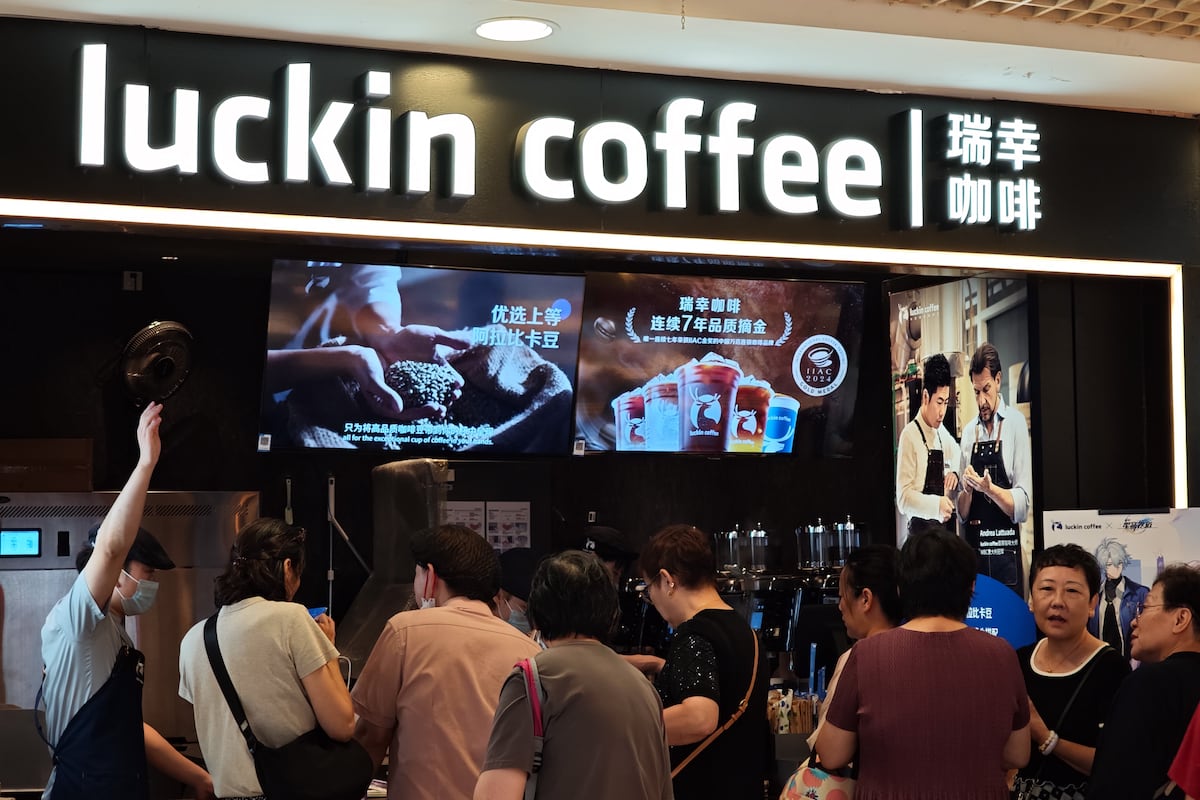
In China, consumerism appears to outweigh nationalism regardless of how testy relations have become in recent diplomatic spats with countries like Japan and the United States. It has been common practice for the ruling Communist Party to whip up nationalist sentiment and deploy propaganda condemning countries deemed to be violating China's stance on territorial issues as Taiwan and Tibet. At times, Beijing targets companies that make ideological missteps in their maps or advertising.
Retailer-owned products not being seen as a cheap alternative anymore, but instead, a way to convey luxury and exclusivity. Price-Led Positioning is No Longer Dominating UK Supermarkets. Small UK businesses are aggressively growing, with price-led positioning becoming a dated trend. It's becoming evident that brands are no longer using their own branded products as a way to be a cheap alternative.
"Instead of starting with a product that we didn't feel like existed in the marketplace, we started with a mission that we felt like didn't exist, particularly in the beauty space," Cohen said. "We love that young people are turning to brands for not just products, but for the issues that they care about-and also that's what holds us accountable."
There is a persistent anxiety in brand storytelling that runs beneath the surface of nearly every conversation about reaching international audiences: that the closer a story is to its origin, the less likely it is to find purchase somewhere else. This assumption is responsible for many an organization filing down its content's edges in pursuit of a universal appeal that, paradoxically, renders it all the less memorable.
This year has been volatile for brands. With tariffs taking effect, the job market slowing, and consumer spending barely keeping pace with inflation, it's no surprise that ad spend has slowed in tandem. Amidst economic uncertainty and an onslaught of unanswered questions, brands are increasingly looking for demonstrable ROI in their marketing and design budgets. Some may choose to invest in a costly new campaign or commit to a new brand identity, while others will default to slashing their budgets altogether.
If you work in marketing, you might want to look away now. The brutal truth is... the vast majority of people don't care about your brand. In fact, 81% of the brands sold across Europe could disappear overnight and consumers wouldn't be concerned... They probably wouldn't even notice. Various dynamics are at play here. Firstly, abundance. With up to 30,000 new products being launched every year, we're all spoilt for choice. With so much variety on offer, very few brands feel truly indispensable.
For the better part of the last century, America's largest consumer packaged goods companies ran an undefeated business playbook. All of the iconic consumer brands of our lifetimes- Coca-Cola, Lay's, Cheerios, Oreos, and more--were built on a simple, three-part formula. First, generate massive demand by placing huge national ad buys. Next, create ubiquity by stocking the brand across every conceivable grocery store shelf. Third, harvest as much profit as possible through the economies of scale created by giant production runs.