#hal--harper
#hal--harper
[ follow ]
#literature #george-saunders #storytelling #memory #mortality #harpercollins #ben-lerner #communication
fromFast Company
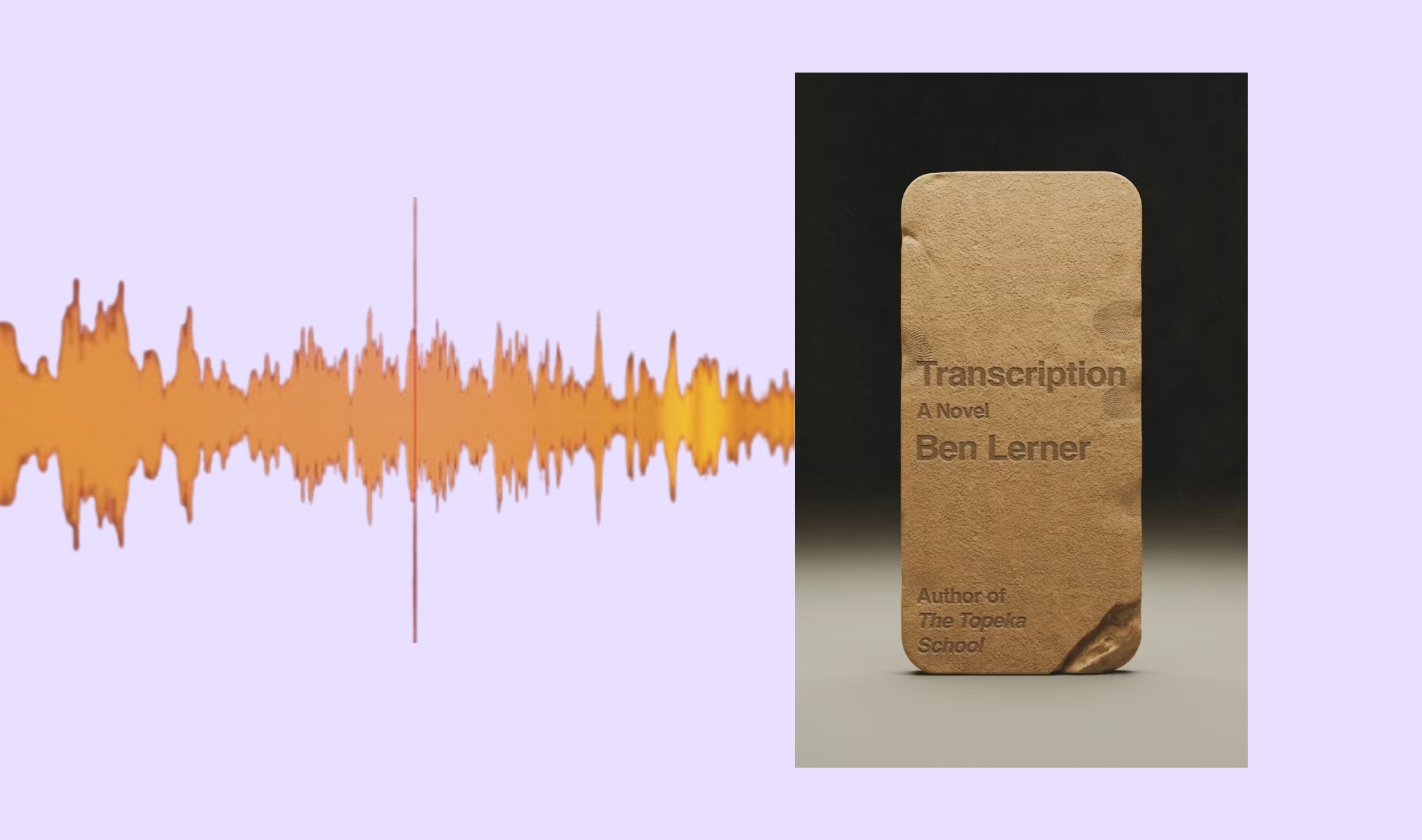
10 hours agoHarperCollins is forging ahead with AI-assisted dramas based on books. Some authors have concerns
Toonstar's proven ability to translate beloved stories into engaging animation, while keeping artists at the center of the process, makes them the ideal partner to bring Friendship List and other popular titles to new audiences in formats today's families love.
Media industry



fromwww.npr.org
2 weeks agoKeith O'Brien talks about his latest book, 'Heartland'
You know, this story is a bit different, right? We always do the Bird-Magic thing where we combine the narratives of Larry Bird and Magic Johnson. And really, what I wanted to do with this book was just tilt the camera a little bit differently, change that perspective and zoom in on that origin story in rural Indiana in the 1970s.
LA Clippers
Writing
fromwww.theguardian.com
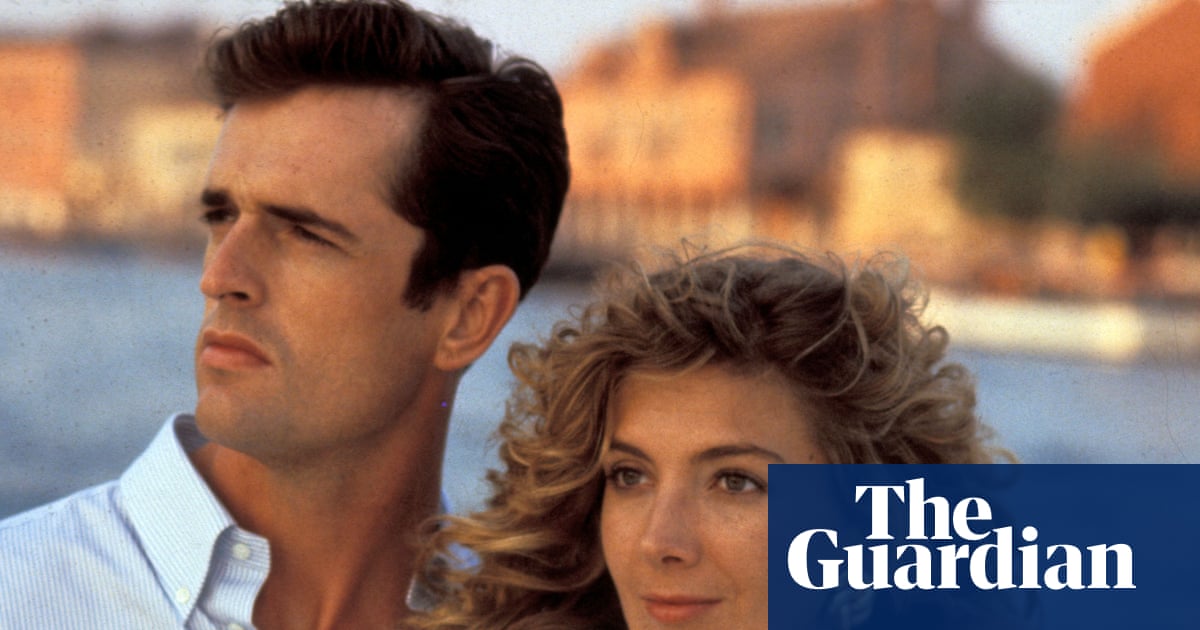
6 days agoI was in the pit of despair': Non-speaking autistic novelist Woody Brown on his journey from write-off to writer
Woody Brown, an autistic non-speaking author, shares poignant stories of misunderstood individuals in his novel 'Upward Bound' set in a care center.


fromHarvard Gazette
1 month agoAudiobooks don't really count as reading? Think again. - Harvard Gazette
The neural networks that process written and oral language are deeply intertwined and largely overlap when reading print books or listening to audiobooks. There isn't much of a difference between the brain network for reading and the brain network for language comprehension. The brain area we call the 'letter box,' which processes print, is not as engaged when you listen, but it has been shown that when some people listen to words, they visualize them, so the letter box gets activated as well.
Education
Books
fromwww.npr.org
2 weeks agoAuthor Luke Kennard talks about his novel, 'Black Bag'
Luke Kennard's novel 'Black Bag' fictionalizes a 1967 psychology experiment where a silent, bagged actor in a classroom gradually becomes liked by students through repeated exposure, exploring how familiarity transforms perception.
Books
fromwww.theguardian.com
2 weeks agoAlmost Life by Kiran Millwood Hargrave review a will-they-won't-they queer romance
Almost Life chronicles a decades-long romance between two women beginning in 1970s Paris, exploring queer love, missed opportunities, and the consequences of life choices across different social contexts.
fromMedium
4 weeks agoThings that don't matter when you write
To deny one's own experiences is to put a lie into the lips of one's own life. It is no less than a denial of the soul. The concept I stick to - my core principle - is simple: I write in plain English, and only when I actually have something to say.
Writing
fromHarvard Gazette
1 month agoMoved by what's missing in Homer's 'Harrow' - Harvard Gazette
At first sight, Winslow Homer's " The Brush Harrow," which depicts two young boys, a horse, and a harrow against an arid landscape, evokes a feeling of somber isolation - but it's hard to pinpoint why. During a talk by curator Horace D. Ballard at the Harvard Art Museums on Jan. 29, visitors learned that Homer painted the scene in 1865, as the Civil War was ending, making the emotional underpinnings of the work clearer.
Arts
fromDefector
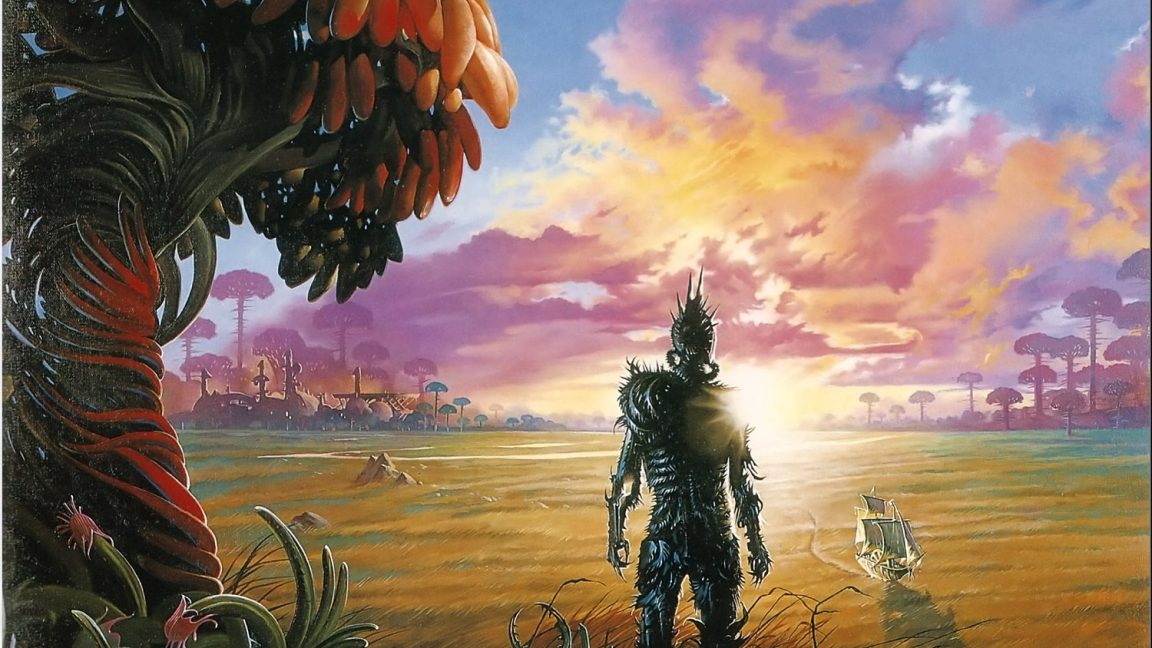
3 weeks agoDan Simmons Is Dead So It's Time To Read 'Hyperion' | Defector
This is a shame, because his best work belongs with the greats of fantasy, horror, and sci-fi. Summer of Night is a tighter, more satisfying version of Stephen King's It. Carrion Comfort is a brick-sized epic about psychic vampires that reads as breezily as a trade paperback. The Terror, which inspired the well-regarded show, is for its first three-quarters a brilliant and non-supernatural speculative take on a real doomed Arctic expedition.
Books
fromThe Atlantic
2 months agoOne of Our Own
For Lowell There are things which, said and true, are of this generation's past; of fighting freedom's battles and of taking off the mask- stories of the actions taken, to blot out the blights of sin, how heroes and the valorous fought their enemies within, Would we be traitors to our bugle, which beckons with its call? - They won freedom for their people but in fine print said: be damned.
US politics
Books
fromwww.theguardian.com
4 weeks agoSaba Sams: I've no interest in reading Wuthering Heights again'
Jacqueline Wilson's unflinching approach to children's literature, alongside works by authors like Gwendoline Riley and Clarice Lispector, demonstrates that literary courage and emotional complexity resonate more powerfully than conventional safety or virtuousness.
Books
fromwww.theguardian.com
1 month agoThey by Helle Helle review a novel to make the reader slow down and take notice
A Danish novel explores the deepening bond between a teenage daughter and terminally ill mother through minimalist prose that captures unspoken emotional intimacy and life's quiet, defining moments.
fromThe New Yorker
1 month agoBriefly Noted Book Reviews
Dilara, the protagonist of this début novel, is consumed by the absence of a stable home in her life. She and her family flee Turkey, where she is from, after a failed coup in 2016. When they end up in Italy, something inexplicable happens: Dilara's bathroom transforms into a cell in an infamous prison on the outskirts of Istanbul.
Books
fromThe New Yorker
1 month agoYiyun Li Reads "Calm Sea and Hard Faring"
Yiyun Li reads her story 'Calm Sea and Hard Faring,' from the March 9, 2026, issue of the magazine. Li is the author of eight books of fiction, including the novels 'Must I Go' and 'The Book of Goose,' and the story collection 'Wednesday's Child,' which was a finalist for the Pulitzer Prize in 2024.
Books
Books
fromwww.theguardian.com
1 month agoBen Markovits: I used to think any book concerned with people falling in love can't be very good'
Reading shaped formative years through detective stories, fantasy epics, and memoirs that provided companionship and escape during frequent moves and family transitions.
Books
fromThe Atlantic
1 month agoWhen Did Literature Get Less Dirty?
Philip Roth's Zuckerman Unbound functioned as a response to the controversial reception of Portnoy's Complaint, with Roth's protagonist expressing regret over writing sexually explicit material that drew accusations of anti-Semitism and misogyny.
fromwww.theguardian.com
2 months agoTo say I was the favourite would imply I was liked': Mark Haddon on a loveless childhood
cardiganed grandmothers eating roadside picnics beside Morris Minors, pale men sunbathing in shoes and socks on stripy deckchairs, Raleigh Choppers and caged budgerigars and faux leather pouffes I feel a wave of what can't properly be called nostalgia, because the last thing I'd want is to return to that age and those places where I was often profoundly unhappy and from which I'd have been desperate to escape if escape had been a possibility.
Writing
fromwww.theguardian.com
1 month agoFrogs for Watchdogs by Sean Farrell review about a boy
There's a particular energy to novels written from the point of view of small children. Humour, of course, in the things the child misinterprets; pathos in the things they feel they must keep hidden; jeopardy in the dangers we can see, and they cannot. As any relative or babysitter can attest, even the sweetest child can become mind-numbingly dull when they're all the company one has, so there's a skill to charm without boring.
Books



fromThe Atlantic
2 months agoThe Writer's Magic Trick
A writer is a kind of magician. Their job is to create living, three-dimensional people out of the ordinary stuff of ink and paper. This is no easy task, because readers can't literally hear, touch, or observe a character. Everything that defines a human being in real life-the physical space they occupy, or how they smell, feel, and sound-is stripped away, replaced by description. But authors have one major, mystical advantage: They can show you what's happening inside of someone's brain.
Books
fromVulture
2 months agoColleen Hoover Insists Her New Book Isn't About Herself
Out today, Woman Down centers on writer Petra Rose, an author who has writer's block and checks into a remote cabin to finish her next book. Petra, who took a hiatus after fans blamed her for a producer's decision to cut a fan-favorite character out of the film adaptation of her book A Terrible Thing, has "learned the hard way what happens when the internet turns on you," a synopsis states.
Books
Books
fromwww.theguardian.com
2 months agoWhat we're reading: George Saunders, Erin Somers and Guardian readers on the books they enjoyed in January
Re-reading classics and contemporary novels reveals diverse literary powers: playful zaniness, dense language, sweeping ambition, humane realism, and restorative small-scale storytelling.
Books
fromwww.theguardian.com
2 months ago'How do you really tell the truth about this moment?': George Saunders on ghosts, mortality and Trump's America
Ghost stories are used to explore mortality, memories, and ethical legacy, forcing characters to confront past actions and discover more truthful perspective.
fromwww.theguardian.com
2 months agoWise by Frank Tallis review how to turn your midlife crisis into a hero's journey
Following some of the arguments in Ernest Becker's 1973 study The Denial of Death, he proposes that such crises are at least partly the result of the western reluctance to face mortality. In Britain, we eschew open coffins, for instance. When our relatives die, as my mother did two years ago, they die in a hospital rather than at home. We can hardly even bring ourselves to say die, preferring euphemisms such as pass away.
Books
fromwww.theguardian.com
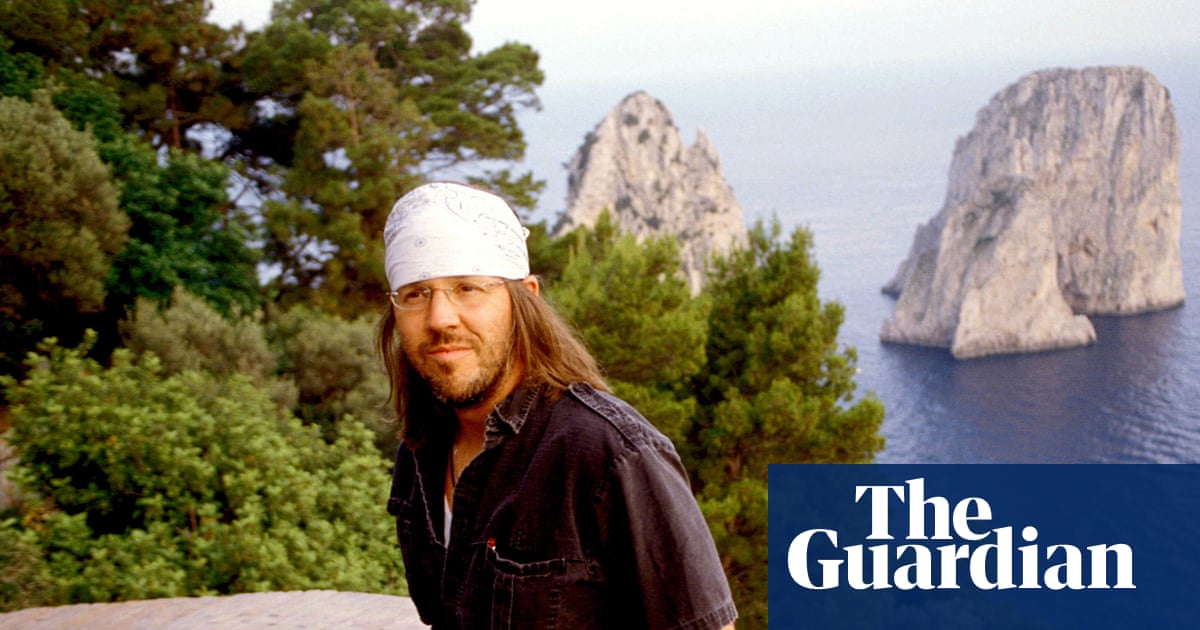
2 months agoI could never hope to equal it again': Jeffrey Archer announces next novel will be his last
When I came across the idea for this novel a few years ago, I knew it was bigger in scope than anything I'd done before and I accepted that the research alone would be more demanding than anything I'd tackled in the past. When I finally sat down to write Adam and Eve I also realised, by the end of the first draft, that this was going to be my final novel,
Books
Books
fromThe Walrus
2 months ago"It's Not Something I'm Squeamish About": Heated Rivalry Author on Writing Explicit Sex Scenes | The Walrus
Rachel Reid experienced a rapid surge in visibility, sales, and professional opportunities after the TV adaptation of Heated Rivalry, creating both excitement and overwhelm.
fromwww.theguardian.com
2 months agoMay We Feed the King by Rebecca Perry review a dazzling puzzle-box of a debut
We are initiated into a world in which historically accurate foodstuffs can be ordered online a half oyster shell, the exposed flesh shining as if with the freshest brine, is 31.25 for a single piece and begin to understand one of the most striking things about this novel: its insistence upon detail, its utter specificity, set against a deliberate lack of specificity regarding the larger details that the reader's mind naturally itches to fill in.
Books
fromPortland Mercury
1 month agoBook Review: For Human Use Isn't Really About Dating Corpses
Pierce launches us into this notion via a chaotic text conversation between the story's anxious antihero Tom Williamson and another senior partner at the equity firm where he works. "Your autocorrect keeps typing 'dead bodies,'" Tom writes, incredulously. But it isn't a typo. The service's slimy founder Auden White is pitching Tom's boss for investment. Wearing a black t-shirt and charcoal washed jeans, Auden spouts empty platitudes, like "spending time alone with a person who's dead is a profound emotional event."
Books
fromThe New Yorker
2 months ago"This Is How It Happens," by Molly Aitken
You are leaving work, your suit still damp from the morning's downpour, the skin on your palms peeling. You are clutching two supermarket bags, tins of cream soup and tuna knocking against one another. The rain is hard and your anorak is cheap. You are on your way to Stockbridge, to your parents' house, which only your father inhabits now that your mother is gone.
Books
[ Load more ]