Design
fromArchDaily
1 day agoCultural Centers Beyond the Building: 6 Unbuilt Projects Integrating Landscape
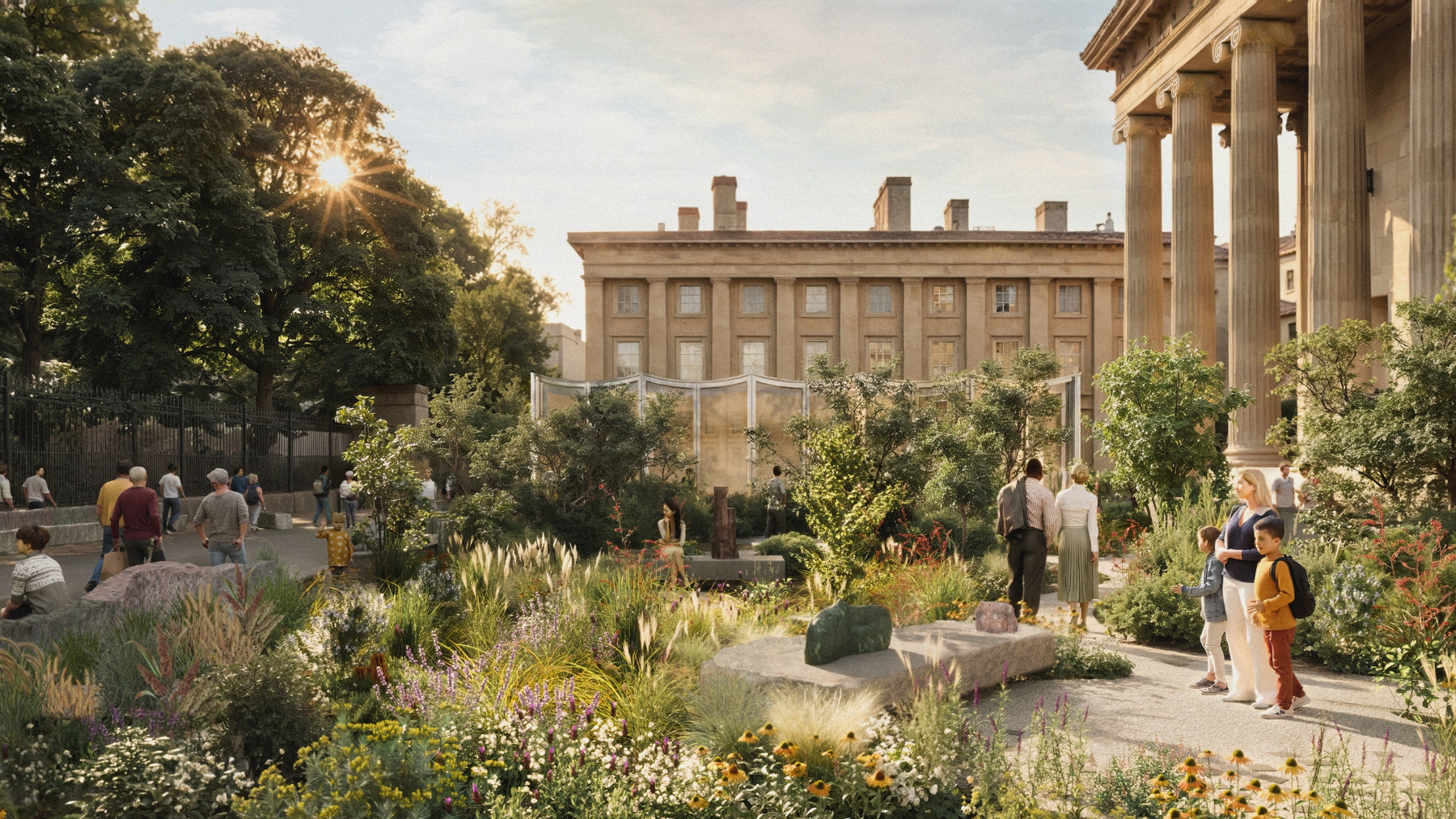
Cultural centers are evolving to reflect diverse architectural explorations and redefine public institutions' roles in various contexts.
The designation prohibits the sites from being targeted or used for military purposes, with violations potentially constituting serious breaches of the 1954 Hague Convention and grounds for criminal responsibility.
Bregman claims, 'Today the whole of Europe risks turning into one big Venice, a beautiful open-air museum. A great destination for Chinese and American tourists. A place to admire what was once the centre of the world.' This statement encapsulates the concern that Europe is losing its cultural significance.
The contemporary technology museum has emerged as a performative participant in the systems it seeks to document. The architecture of these institutions has become increasingly fluid and bold, often mirroring the velocity and complexity of the systems it houses. They operate as mediators between the human, the ecological, and the technological realms, transforming from encyclopedic warehouses into active educational engines.
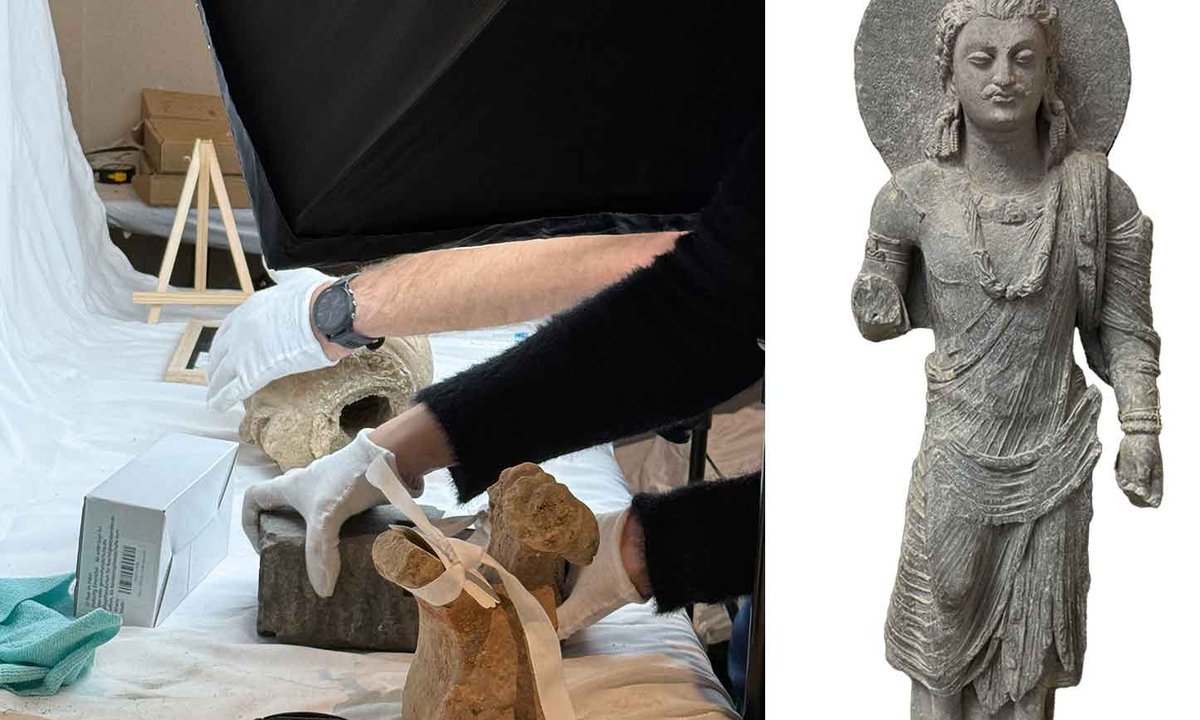
The significant number of ancestors held in UK museums is extremely distressing and symbolic of the colonial origins of these collections. We hope that the responses gathered by The Guardian will be shared with the relevant communities to support them in bringing their ancestors home.
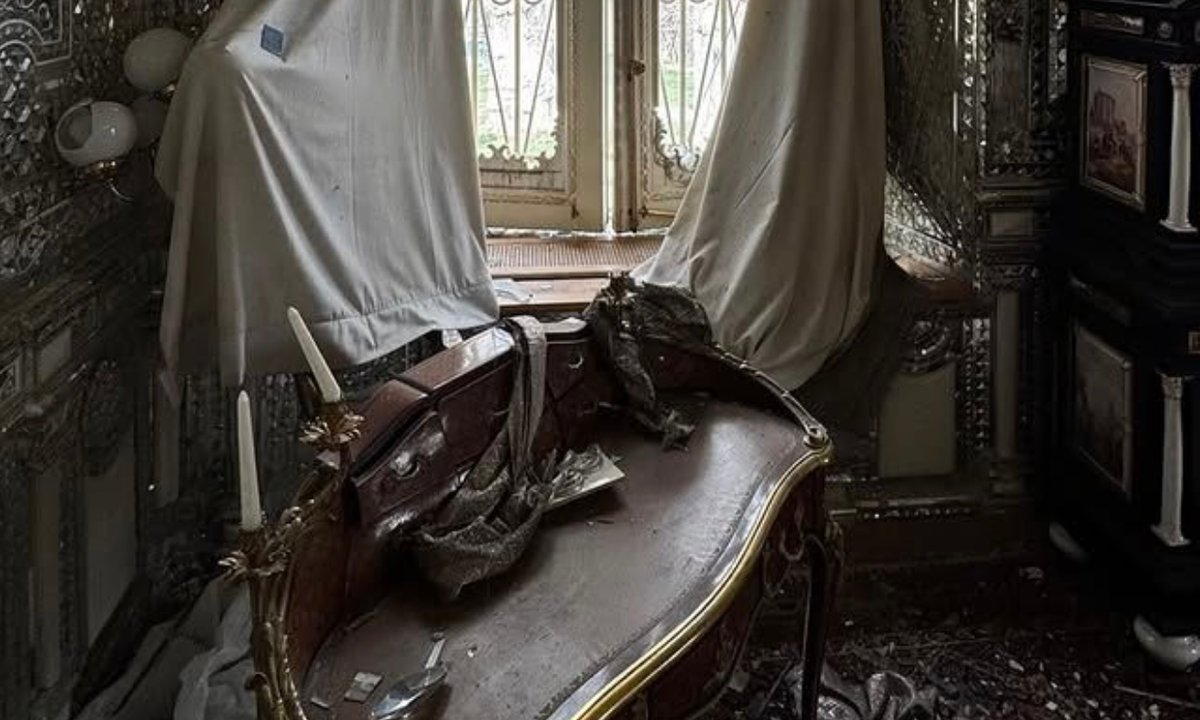
After the historical Iranian city of Isfahan was targeted by several major strikes, its governor Mehdi Jamalinejad claimed that serious damage had been inflicted even after blue shields were put on the roofs of culturally important buildings. This is an internationally recognized signal under the 1954 Hague Convention for the Protection of Cultural Property in the Event of Armed Conflict.
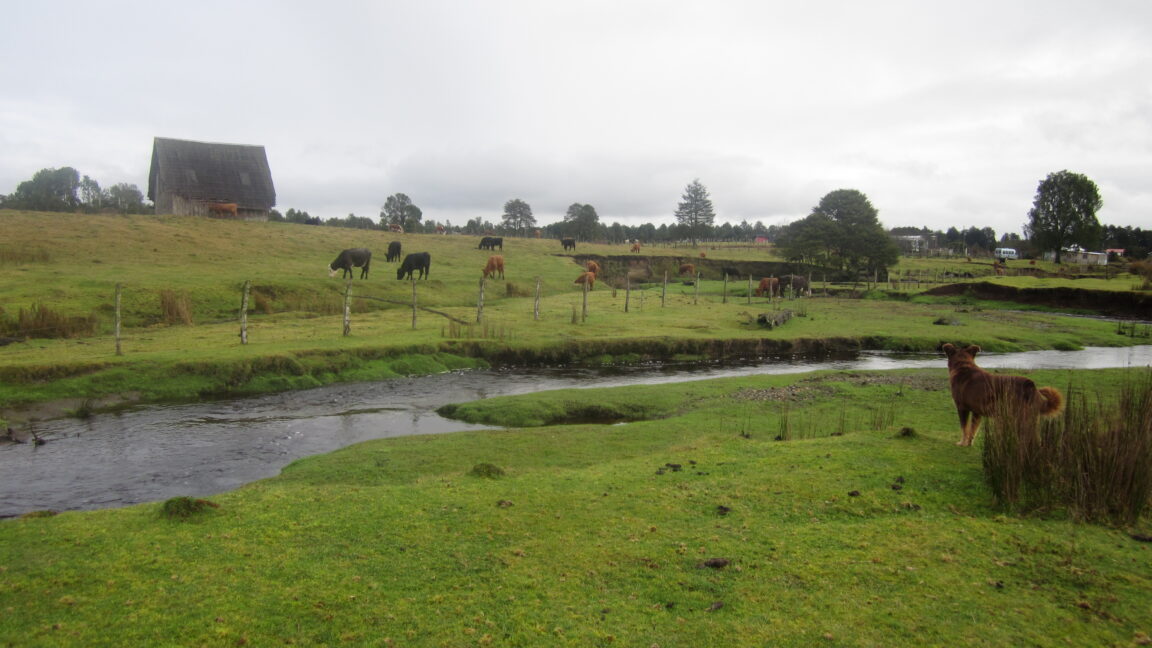
Here dwells the indigenous Tzotzil community which has kept a pastoral way of life against the march of time. Apart from the odd forest ranger and passerby, Ruvalcaba's film focuses almost entirely on the Tzotzil women. Together, they tend herds of sheep which they still shear by hand, and use traditional tools for spinning yarns and natural dye for fabrics.
A new law empowering Turkey's central government to seize historic properties from local authorities is raising fears that heritage sites are becoming the latest front in a wider campaign against opposition-led municipalities. Among the sites at stake are cultural venues run by the Istanbul municipality, whose mayor Ekrem İmamoğlu launched an ambitious conservation drive and expanded cultural programming before he was jailed last year after announcing plans to run for president.
A 2026 travel report from Hilton identified "inheritourism" as a notable trend for the new year ― with 66% of travelers surveyed by the hotel brand saying that their parents have influenced their choice of accommodations, 60% saying they guided their choice of loyalty programs and 73% saying they shaped their general travel style.
This short captures Tim Bovard, the staff taxidermist for the Natural History Museum of Los Angeles County, as he reflects on over five decades spent perfecting his craft. Sparked by a childhood fascination with the museum's dioramas that never faded, Bovard has devoted his career to shaping what he calls the 'illusion of life' - a process that requires both scientific precision and imaginative interpretation.
When Thomas Jefferson wrote about the "inalienable" rights of man in the US Declaration of Independence 250 years ago, it's possible he lifted the term from the French. And long before it was ever used as an adjective to describe human rights, it defined royal property. To this day, "inalienability" remains a cornerstone of public collections in France-and many other countries-impacting museums and their ability to deaccession, including for purposes of restitution.
Archaeologists have discovered what they believe is the world's oldest known rock art, in a cave off the island of Sulawesi, Indonesia. The hand stencil has been dated to at least 67,800 years ago, making it 1,100 years older than the earliest example of rock art that was known about before this, produced in Spain by Neanderthals. The Sulawesi work may, its finders say, provide insights into the migration of early humans to Australia.