London
fromBrogan Abroad
1 day agoThe London Neighborhood That Has It All: 11 Ways Greenwich Will Surprise You
Greenwich offers a rich blend of history, nature, and culture, making it an ideal day out destination in London.
The 1,640-foot-long National Covid Memorial Wall stretched along the bank of the River Thames, directly opposite the Parliament, as if holding vigil over the nation's corridors of power.
The Grade II listed building is on Historic England's Heritage at Risk Register and is currently recorded as being in poor condition. The national Marine Society and Sea Cadets (MSSC), which held the lease, has confirmed that it can no longer meet the building's repair obligations and will surrender the lease so that restoration can be carried out by new occupants.
The building, an office block with shops on the ground floor, is at the eastern end of Oxford Street, just north of Soho Square, and sits above the possible route of the Crossrail 2 railway, if/when it is eventually built.
If you're an art deco architecture geek, you'll no doubt know all about Ibex House. The shimmering pale office building, which you'll find on the east side of the Minories in the City, is renowned for its long streamline moderne curves and mesmerising black-framed windows. The vast H-shaped structure is Grade II-listed and one of London's most remarkable surviving art deco buildings.
Despite its proximity to one of London's busiest tourist attractions, its back street location is remarkably quiet and peaceful. Leading off Stafford Place, it was originally, and unsurprisingly, called Stafford Mews, as it was built as stabling for houses on Buckingham Gate, facing the palace. Constructed around 1860, the stables were simple two-storey houses, built initially with stables at the ground and accommodation above.
Originally called the Grand Triumphal Arch, it was built in part to commemorate Britain's victories in the Napoleonic Wars and as part of King George IV's remodelling of Hyde Park and Buckingham Palace. Announced in 1825, it would take a year of wrangling to settle on a design for the arch. The chosen architect, Decimus Burton, initially planned a triumphal arch modelled on the Arch of Titus in Rome,
The world's oldest surviving gasholder is to be restored and repurposed as part of a housing development in west London. Hammersmith & Fulham Council has approved plans that will see the Grade II* listed Gasholder No.2 at King's Road Park restored, securing the future of a structure that will soon reach its 200th birthday. Built between 1829 and 1830, Gasholder No.2 is believed to be the oldest surviving gasholder in the world.
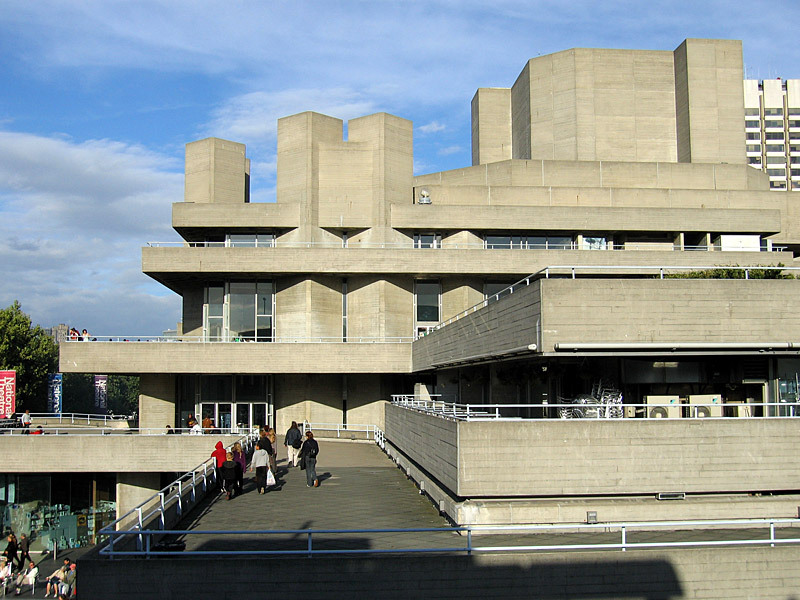
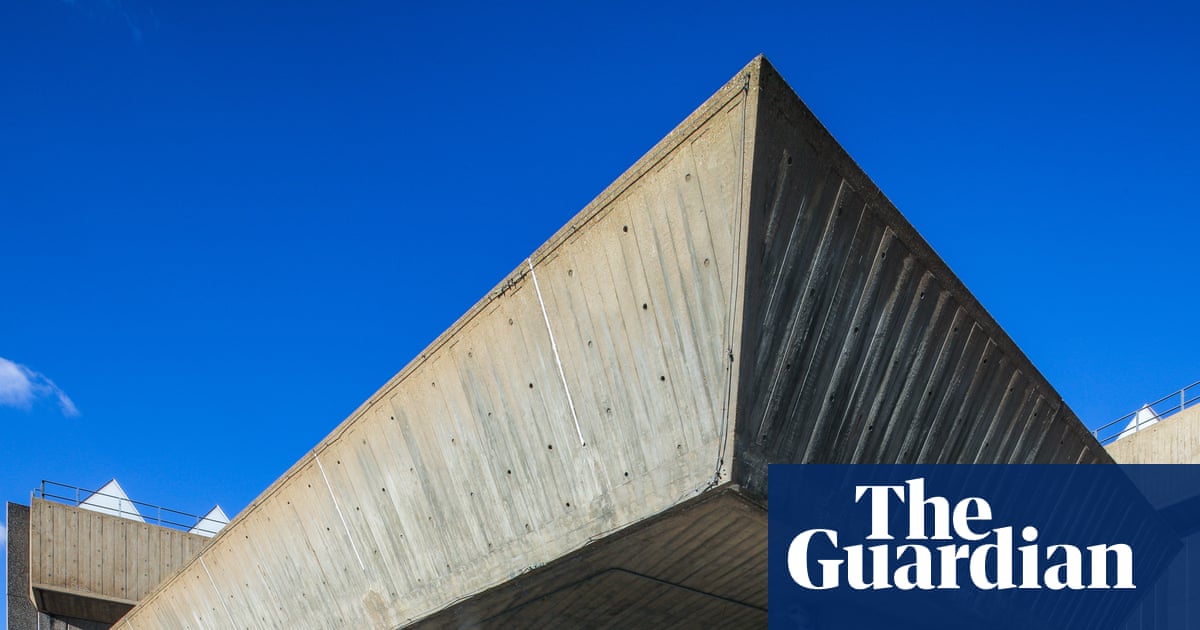
These days, brutalist buildings are among London's most celebrated works of architecture. But it hasn't always been this way. Back in 1967, the Southbank Centre, one of the city's most striking examples of the style, was voted Britain's ugliest building by readers of the Daily Mail. In the latest indicator of just how much times have changed, today (February 10) the Southbank Centre has been awarded listed status by the Department for Culture Media and Sport.
American hotel chain MCR bought the spindly Fitzrovia superstar from BT Group for a cool £275 million. This was incredibly exciting news, as the former centre of the 'white heat of technology' (as then-Prime Minister Harold Wilson dubbed the communications centre upon its opening in 1964) had reduced public access after anarchist collective the Angry Brigade set off a bomb there in 1971.
Great news, culture vultures; it's the start of a brand new year, and that means a host of new exhibitions to look forward to. January is pretty quiet for new openings - we're all too busy watching The Traitors and trying not to spend any money - but there's plenty of unmissable culture on the horizon in the capital, from flashy fashion and design retrospectives to deep-dives into ageing, fandom and the studio behind everyone's favourite claymation canine and inventor duo. Joyless health kicks got you feeling glum? Stop meal prepping and start planning an enriching cultural diet instead, with our guide to the biggest and best museum openings coming up over the next year.
The alley likely came into existence when the first Leadenhall Market, as a market for herbs, opened, with a long passage leading from the market to Gracechurch Street. The alley used to be longer and straighter, but the eastern half was cut off when a building was constructed on the site. That building was demolished in 2000, and archaeologists researched it for Roman remains in 2002.
For most of its life, the alley's main feature was the church of St Martin Orgar, possibly named after Ordgarus, a Dane who donated the church to the canons of St Paul's. Sadly, most of the church was destroyed during the Great Fire of London. The badly damaged remains were restored and used by French Protestants right up to 1820.