#high-end-television
#high-end-television
[ follow ]
#home-theater #technology #oled #sony #lg #samsung #qd-oled #tcl #mini-led #display-technology #smartphones #tvs




#home-theater

Gadgets
fromYanko Design - Modern Industrial Design News
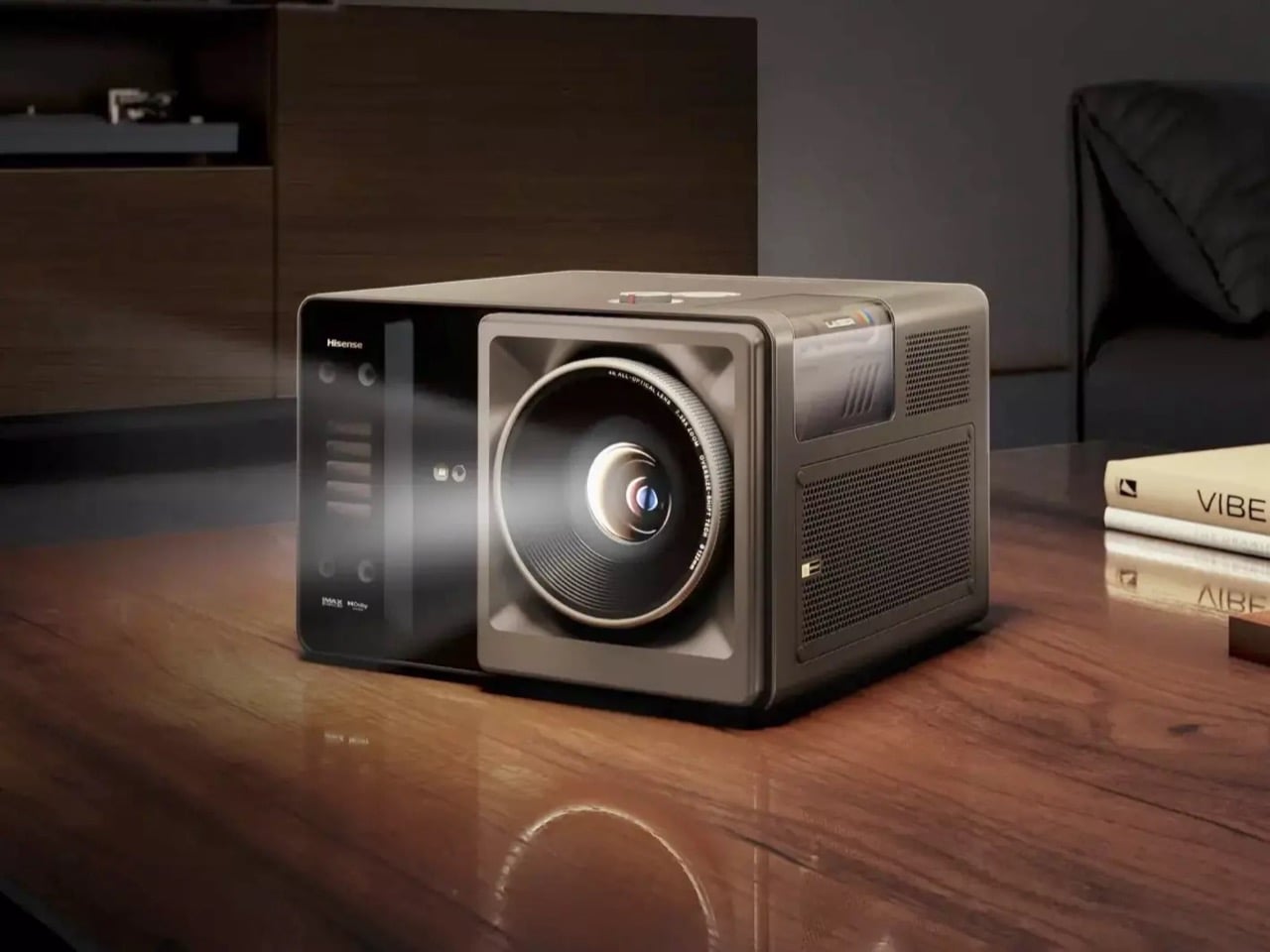
1 week agoThe Hisense XR10 Packs 6,000 Lumens, Liquid Cooling, and Devialet Audio Into One Very Serious 4K Projector - Yanko Design
Hisense's XR10 projector offers a bright 4K image and advanced features at a competitive price, aiming to enhance home theater experiences.

fromWIRED
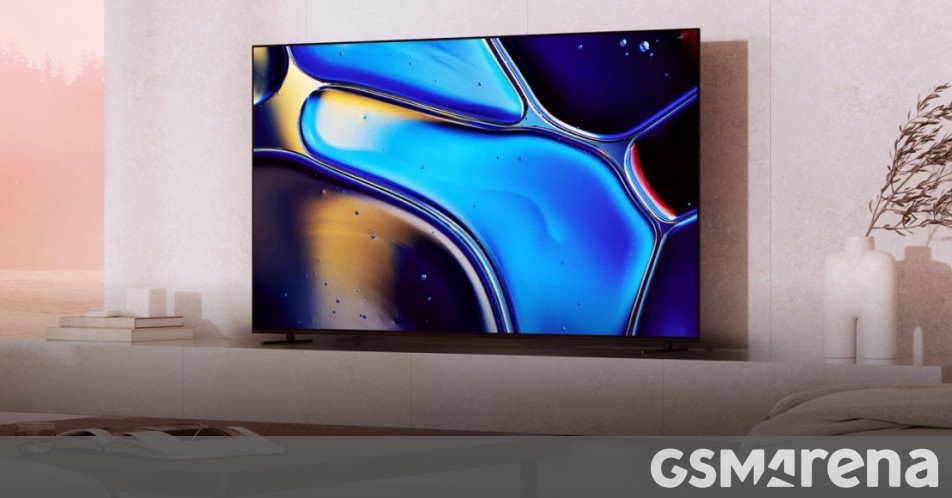
3 weeks agoTheater Shmeater! These Are My Favorite Huge TVs at Every Price
Traits I look for in a large TV include good brightness and contrast, advanced local dimming (read: good backlighting) to reduce light bleed from bright objects on dark backgrounds, accuracy to the director's intent, and impressive color saturation, especially for HDR (High Dynamic Range) content.
Television
fromThe Verge
1 month agoTCL's $7,000+ flagship TV is ready to fight
From the moment I completed Google TV setup and started watching the TCL X11L I was amazed. I could immediately tell it's the brightest TV I've had in my home, but it was the color vibrancy that I found most impressive. The colors we're all most familiar with - skin tones, the sky, green grass and trees - all look as close to realistic as I've seen on a TV.
Gadgets
fromEngadget
1 month agoLG reveals pricing for its 2026 OLED TVs
The flagship LG evo G6 series ranges in price from $2,499 to $24,999. (Cue spit take.) Fortunately, that five-figure price only applies to the 97-inch model, which nobody this side of Elon Musk needs. The entry-level price is for a 55-inch OLED. Moving up the ladder, the 65-inch one costs $3,399, the 77-inch model is $4,499 and an 83-incher will set you back $6,499.
Television

fromZDNET
1 month agoI changed 13 settings on my TV to dramatically improve its performance - here's how
TVs are no longer just displays that you connect to a cable box or streaming device to make them smarter. Also: Got a TCL TV? Change these 16 settings ASAP - here's why They're full-fledged computers now, complete with operating systems, app stores, background services, and internet connections. As a result, they come with a ton of hidden settings, permissions, and features that most people never know about or use.
Television


fromThe Verge
2 months agoYou can save over $1,500 on LG's 65-inch C5 OLED TV
Its AI Picture Pro feature further enhances image quality by adjusting brightness, resolution, clarity, and other settings based on what you're watching. Plus, LG offers Dolby Atmos support for sound that feels more immersive, while offering easy access to popular streaming apps like Netflix, Max, Disney Plus, Hulu, and Apple TV Plus right out of the box. On the gaming side, the TV includes four HDMI 2.1 ports and support for AMD FreeSync Premium and Nvidia G-Sync.
Television
fromZDNET
2 months agoLG just revealed its 2026 TV lineup, and it's challenging Samsung in almost every way
One of the highlights of this year's lineup is the new LG OLED W6 Wallpaper TV. The Wallpaper line itself isn't new, dating back to 2017, but this year's entry is only 9mm thick and features an improved wall mount that allows it to sit even more flush against the wall and the Zero Connect Box, meaning the TV is totally wireless except for a single power cord.
Television
fromZDNET
2 months agoSamsung reveals 2026 TVs, including a 130-inch Micro RGB model
Available in 55-inch, 65-inch, 77-inch, and 83-inch options, this year's model is over 30% brighter, according to Samsung. Also: The best Samsung TVs: Expert tested OLEDs, big-screens, and more This is a model gamers will want to pay attention to, as it features 165Hz refresh rate support, VRR, and a "category-first glare-free technology" to eliminate distracting reflections. Samsung claims the 48-inch version is the "brightest 48-inch OLED ever."
Television
fromEngadget
2 months agoTCL unveils its X11L SQD-Mini LED TVs at CES 2026
TCL introduced the next entry in its flagship line of televisions during CES. The X11L SQD-Mini LED Series is available for pre-order now in three sizes. But like much of the gear on show in Las Vegas this week, it doesn't come cheap. The 75-inch model of the X11L costs $7,000, the 85-inch option is $8,000 and the 98-inch model goes for $10,000. That's more than double the costs of the QD-Mini LED TV the brand unveiled at last year's CES.
Television
fromWIRED
2 months agoTCL Knocks $1,000 off One of Our Favorite Mid-Range TVs
One of the QM8K's most striking features is the complete lack of bezels, giving your entertainment stand a modern and distinctive look. With the included pedestal mount, it almost looks like it's floating, a neat trick for such a well-priced television. While there may be some personal preference when it comes to the interface, we generally feel that Google TV is one of the better options right now, and it supports both Chromecast and Airplay 2, so Apple folks won't feel left out.
Television
fromYanko Design - Modern Industrial Design News
2 months agoSamsung unveils foldable 140-inch TV with extended display bezel around the corners at CES 2026 - Yanko Design
Samsung is going big on Micro RGB and Micro LED TVs for the CES 2026 event. They've already revealed the enormous 130-inch micro-RGB TV that we're keenly looking forward to being bettered by other major players. But where is the biggest Micro LED TV going to sway? Samsung looks to have that one covered too, with the 140-inch Micro LED TV that elevates cinematic viewing to another level.
Television
[ Load more ]