History
fromNature
12 hours agoHow DNA forensics is transforming studies of ancient manuscripts
Tim Stinson's curiosity about DNA in ancient manuscripts led to the emergence of a new field in manuscript studies.
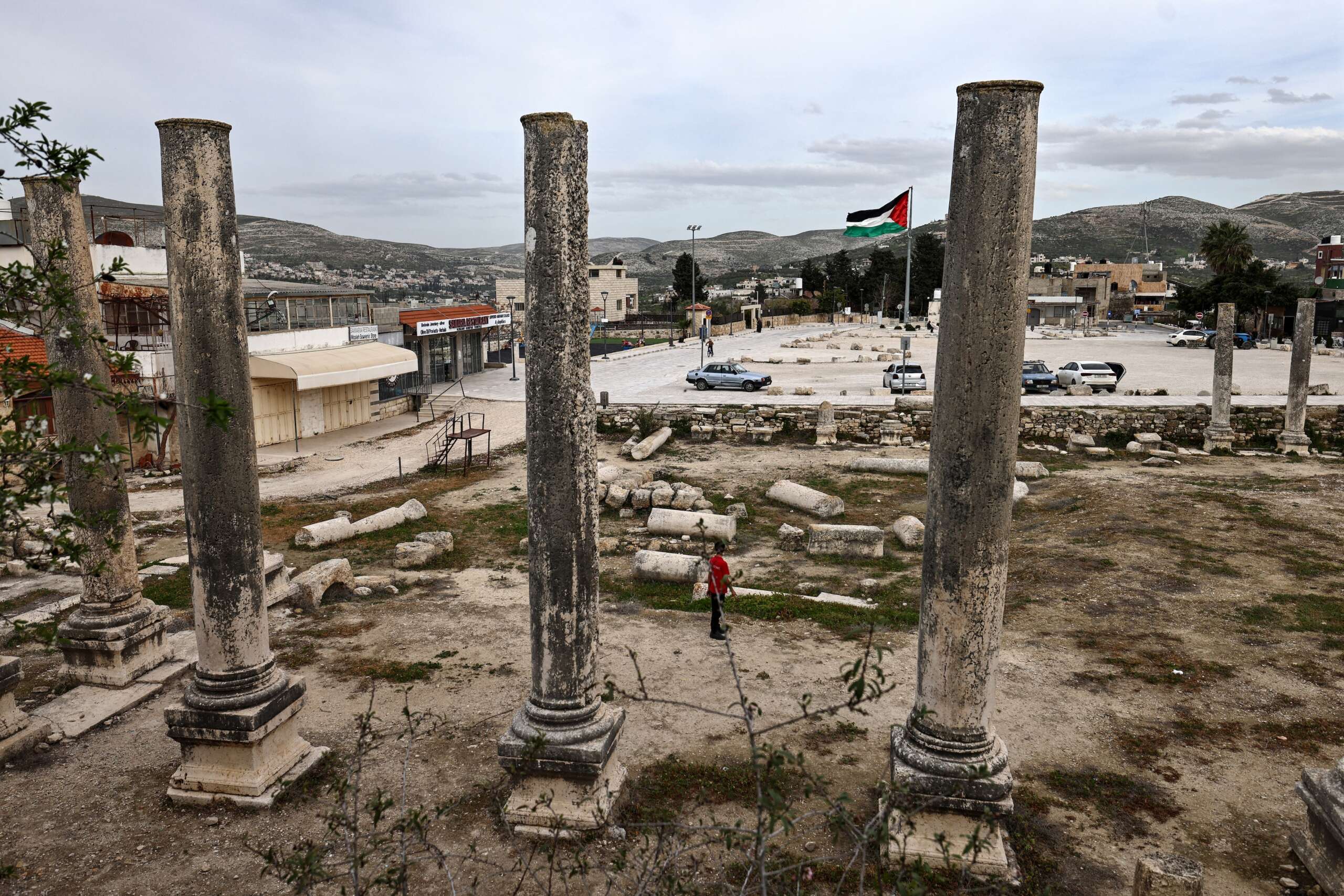
The designation prohibits the sites from being targeted or used for military purposes, with violations potentially constituting serious breaches of the 1954 Hague Convention and grounds for criminal responsibility.
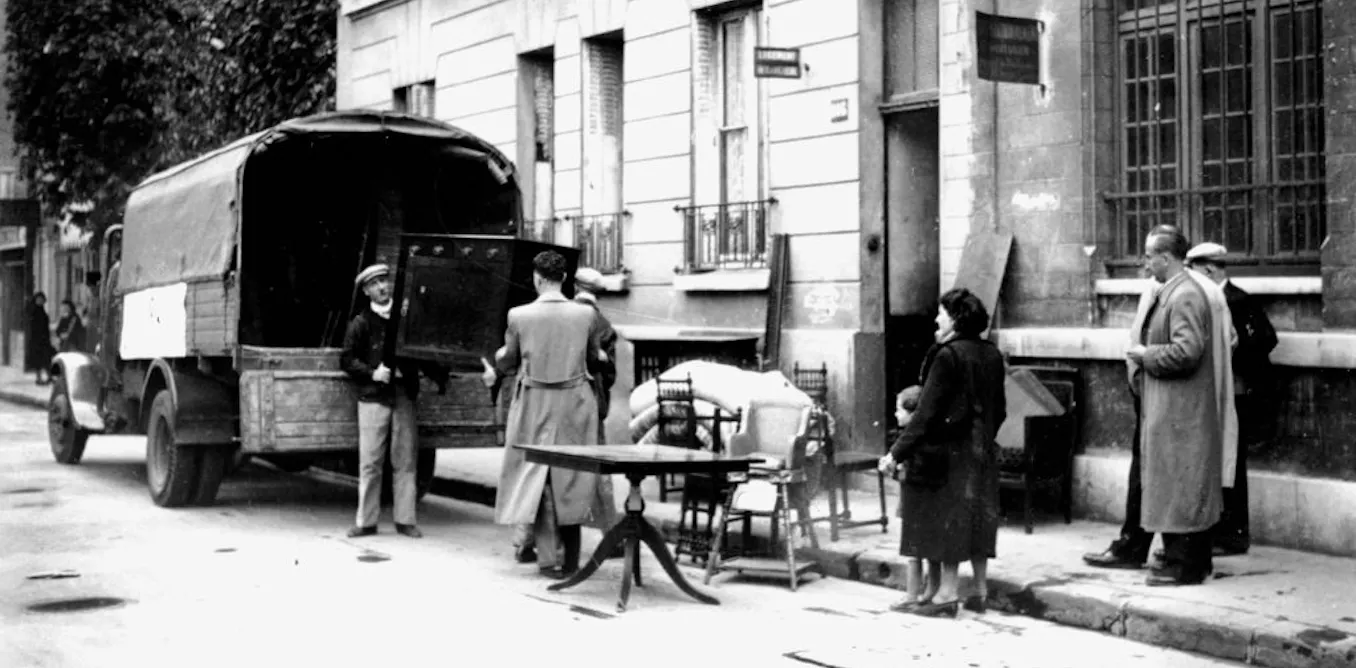
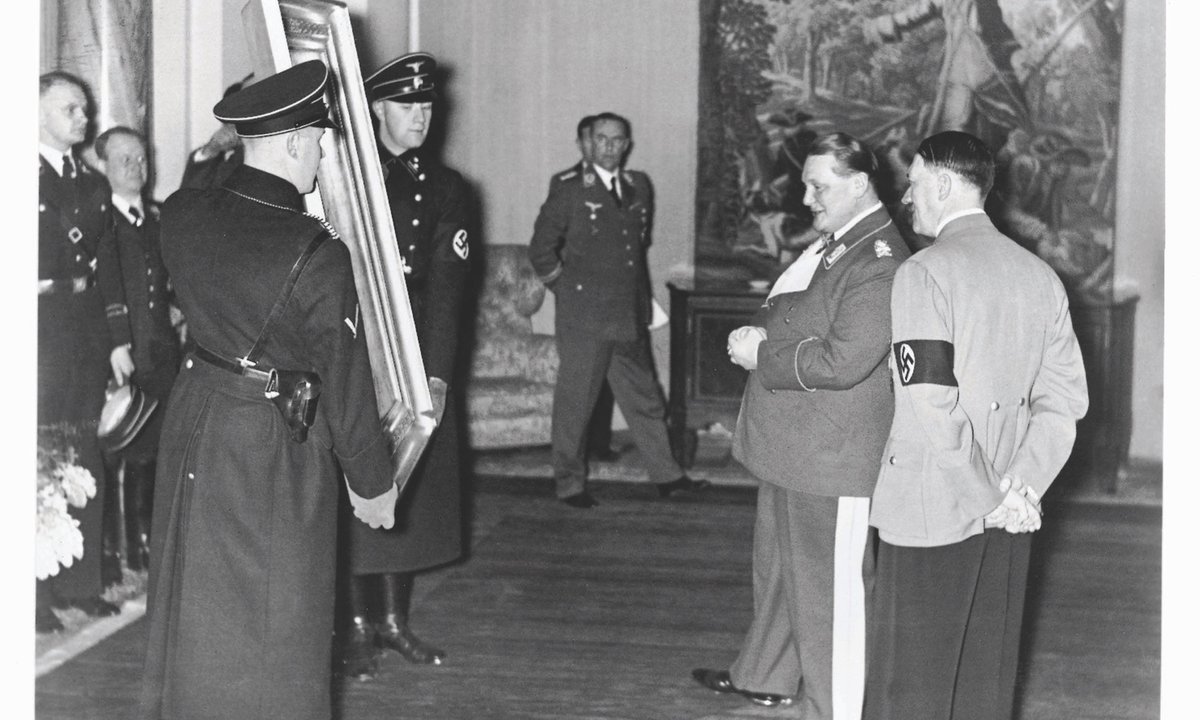
Curt Goldschmidt's fate is shared with many Jewish collectors and patrons. With this restitution, we honour Jewish collectors and remember victims of Nazi persecution.
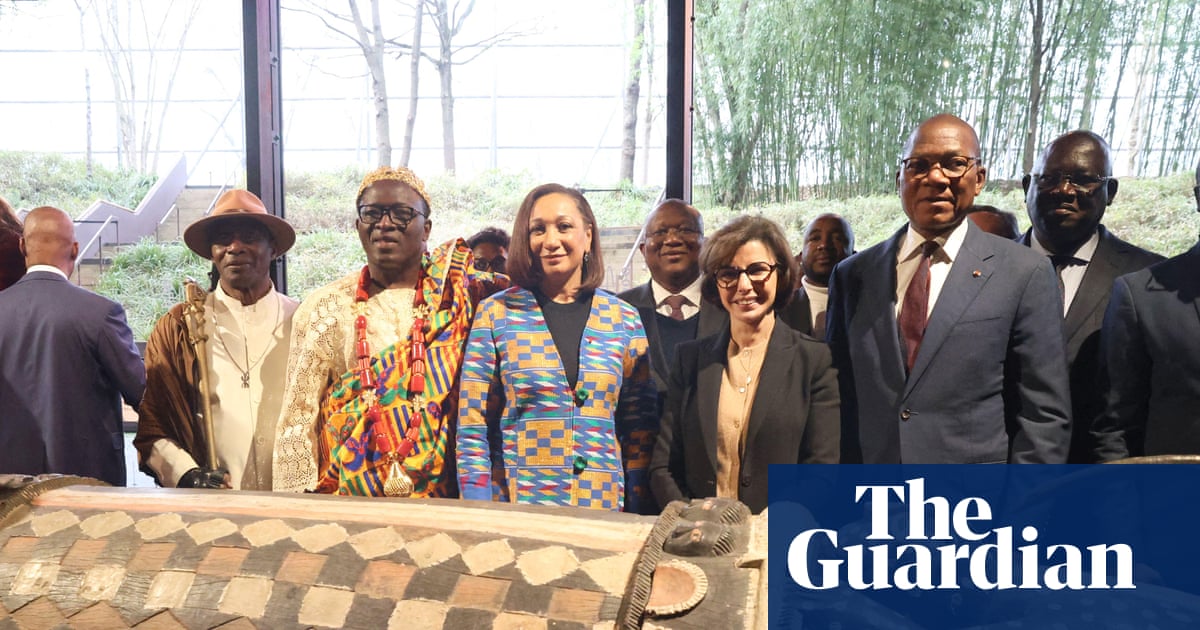
A commemorative bronze head, from around 1850, is a representation of the ancestor of a chief and would have been placed in the king's ancestral shrine.
"Once the Declaration of Independence is issued by Congress, then it kind of changes the calculus. Then, both sides are putting pressure on Native people to join one side or the other."
The significant number of ancestors held in UK museums is extremely distressing and symbolic of the colonial origins of these collections. We hope that the responses gathered by The Guardian will be shared with the relevant communities to support them in bringing their ancestors home.
Bregman claims, 'Today the whole of Europe risks turning into one big Venice, a beautiful open-air museum. A great destination for Chinese and American tourists. A place to admire what was once the centre of the world.' This statement encapsulates the concern that Europe is losing its cultural significance.
On Tuesday, French President Emmanuel Macron appeared before the World Economic Forum in Davos, Switzerland the annual Alpine gathering of the global elite to declare that now is not a time for new imperialism or new colonialism. This, of course, was a reference to the current ambitions of Macron's counterpart in the United States, Donald Trump, who, in addition to recently kidnapping the president of Venezuela and repeatedly threatening to seize the Panama Canal,
When Thomas Jefferson wrote about the "inalienable" rights of man in the US Declaration of Independence 250 years ago, it's possible he lifted the term from the French. And long before it was ever used as an adjective to describe human rights, it defined royal property. To this day, "inalienability" remains a cornerstone of public collections in France-and many other countries-impacting museums and their ability to deaccession, including for purposes of restitution.
Arguably the world's most famous Greek temple, the Parthenon was constructed in a flurry of building activity on the Acropolis of Athens, under the direction of the indefatigable statesman Pericles in the middle of the fifth century BC. It was a monument to recent tragedy in Athens as much as a celebration of the city's glory: The Acropolis had been leveled by Persian invaders in 480 BC, and its temples had been left in ruins for 30 years, a colossal absence reminding citizens how close they had come to annihilation.
The traditional museum experience, pausing in front of an object, and absorbing its history visually or by reading its description, has long shaped how collectors and others relate to cultural treasures. Yet, over the last few decades, digital technology has quietly rewritten many of those rules, changing not only how collections are exhibited but also how they are documented, preserved, and even inherited.
Archaeologists have discovered what they believe is the world's oldest known rock art, in a cave off the island of Sulawesi, Indonesia. The hand stencil has been dated to at least 67,800 years ago, making it 1,100 years older than the earliest example of rock art that was known about before this, produced in Spain by Neanderthals. The Sulawesi work may, its finders say, provide insights into the migration of early humans to Australia.
In the autumn of 2022, Max and I walked up the iconic steps of the Metropolitan Museum of Art in New York City to visit Chroma: Ancient Sculpture in Color. As the young son of a professional classicist, and a burgeoning one himself, my museum partner already knew about the ancient history of painted statues when we began to explore the galleries. Max's knowledge seemed the exception rather than the rule.