#ice-occupation
#ice-occupation
[ follow ]
#climate-change #greenland #sea-level-rise #antarctica #thwaites-glacier #geopolitics #nato #arctic-warming



fromSnowBrains
3 days agoWinter Collapsed: Colorado and Utah Just Logged Their Worst Snowpack Ever - SnowBrains
By April 1, the state's long-term snow data showed conditions unlike anything previously recorded. Of the 64 manual snow course sites in Colorado with records stretching back more than 50 years, 60 either tied or set their lowest April 1 readings ever observed.
Snowboarding
fromwww.theguardian.com
20 hours agoNon-survivable': heatwaves are already breaching human limits, with worse to come, study finds
When scientists applied a new model of human survivability that takes into account the body's ability to function and stay cool depending on age, they found all six events had seen non-survivable periods for older people who could not find shade.
Environment
Canada news
fromwww.theguardian.com
3 weeks agoCanada wants to build up its long-neglected Arctic. The hard question is how
Canada is investing in Arctic infrastructure including roads and ports to develop mining potential, strengthen sovereignty, and counter Trump administration pressures through a nation-building initiative.


fromwww.theguardian.com
3 weeks agoThe world's memory': why Nigeria is burying its history under a mountain in Svalbard
The Arctic World Archive (AWA) is a data storage unit where organisations and individuals can deposit records kept on specialist digitised film called Piql that lasts up to 2,000 years. On 27 February, Nigeria became the first African country to place archives at the facility 300 metres beneath a mountain where the cold, dark, dry conditions are perfect for preservation.
Arts
fromMail Online
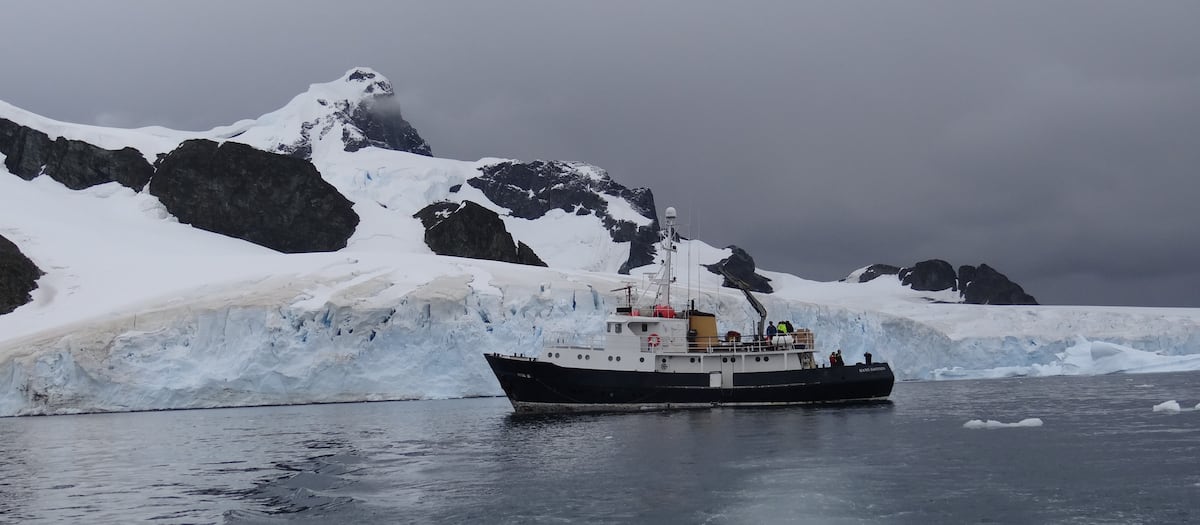
3 weeks agoOur science editor reviews a 'once in a lifetime' trip to Antarctica
Imagine waking up on a ship surrounded by icebergs, camping in the snowy wilderness and kayaking among the exhalations of humpback whales. You can also take part in a polar plunge, board small zodiac boats to search for leopard seals and collect samples for science research.
Travel
Canada news
fromwww.theguardian.com
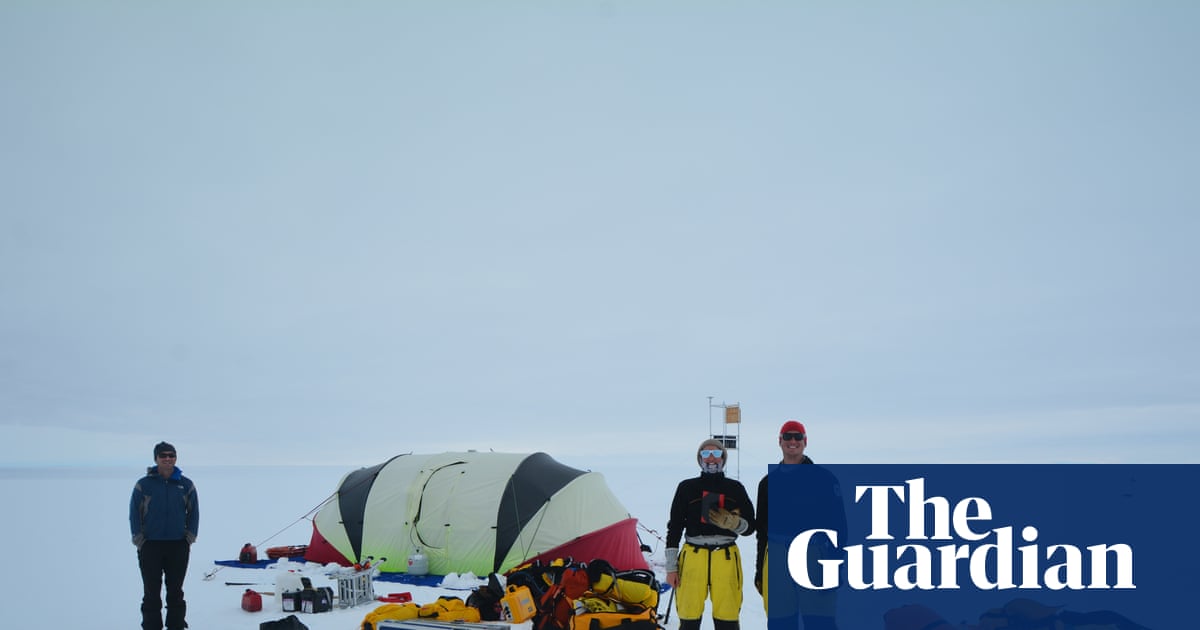
1 month agoWe thought we were doomed': Canadian fishers in dramatic rescue after ice shelf floats away
Unseasonably warm weather and strong winds detached a large ice sheet in Lake Huron, stranding 23 ice fishers who were rescued by helicopters after a two-hour operation.
Travel
fromConde Nast Traveler
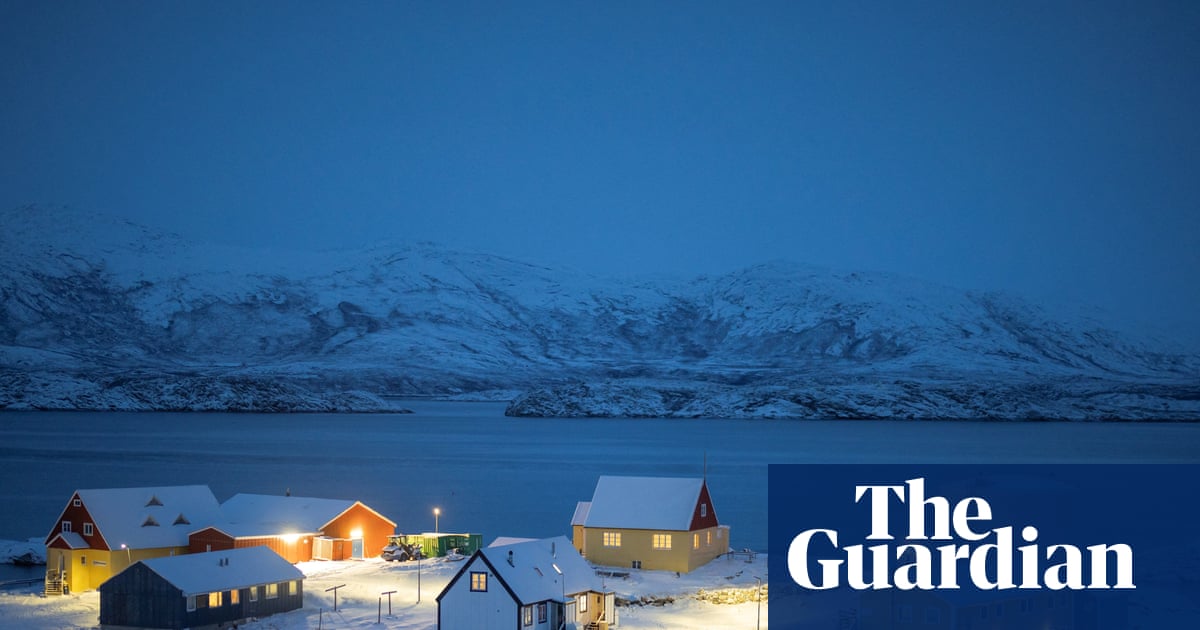
4 weeks agoIn Greenland's Remote Fjords and Tiny Settlements, a New Sense of Connection
Greenland's new airport and developing tourism infrastructure make Arctic exploration increasingly accessible, offering unique cultural experiences with Indigenous and settler communities unavailable in Antarctica.
Environment
fromState of the Planet
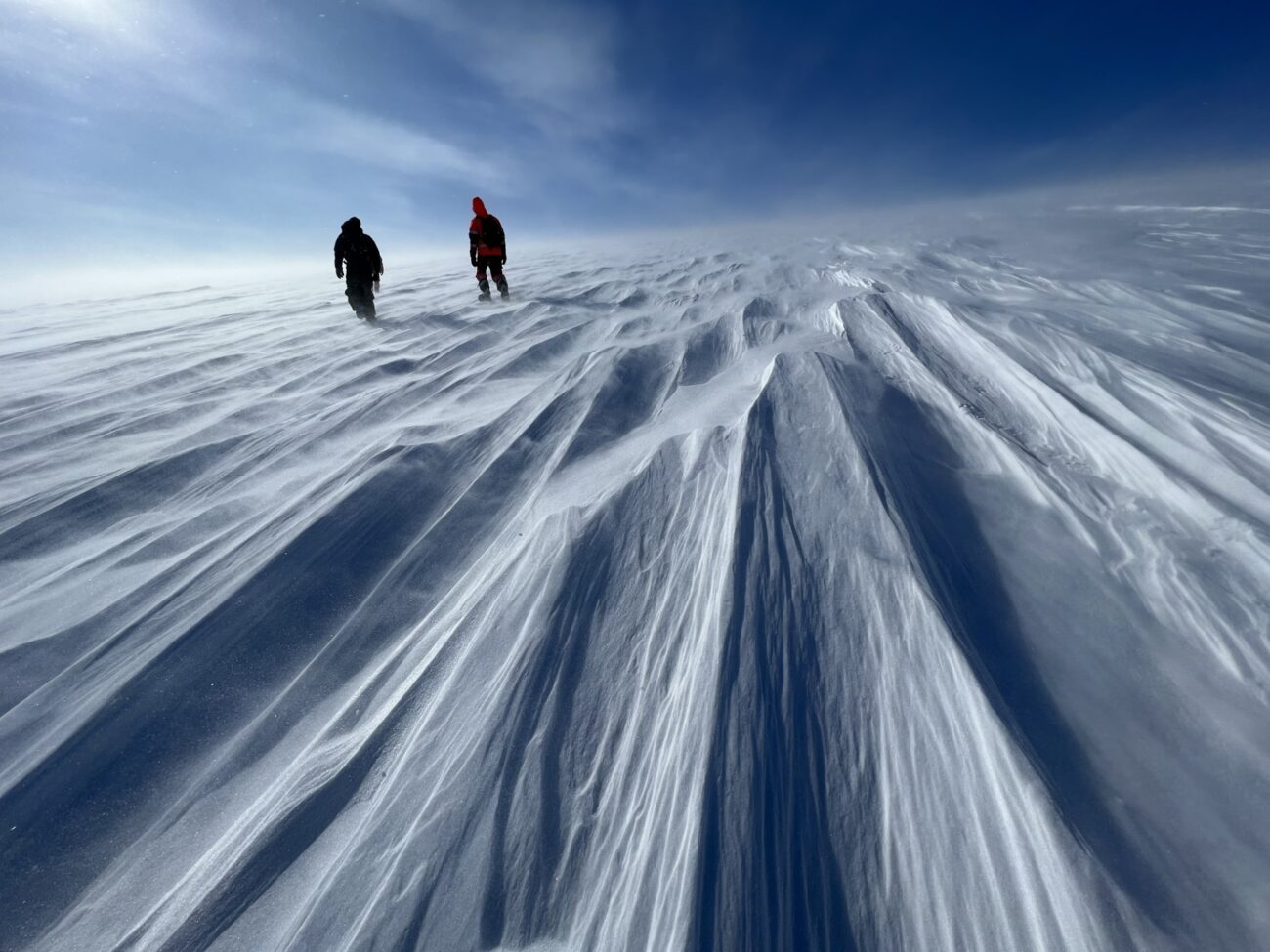
4 weeks agoAntarctica Undergoes 'Greenlandification' As Ice Melt Accelerates
Antarctica's ice sheet is undergoing rapid destabilization similar to Greenland's, with accelerating surface melt, ice shelf collapse, and grounding line retreat driven by oceanic and atmospheric warming.
Science
fromNature
1 month agoThe first ice-core record of historical atmospheric hydrogen levels
Atmospheric hydrogen levels fluctuate with climate changes and have increased significantly since pre-industrial times due to human activities, requiring consideration in projections of future emissions impacts.
fromThe Atlantic
1 month agoThe Blind Spot at the Top of the World
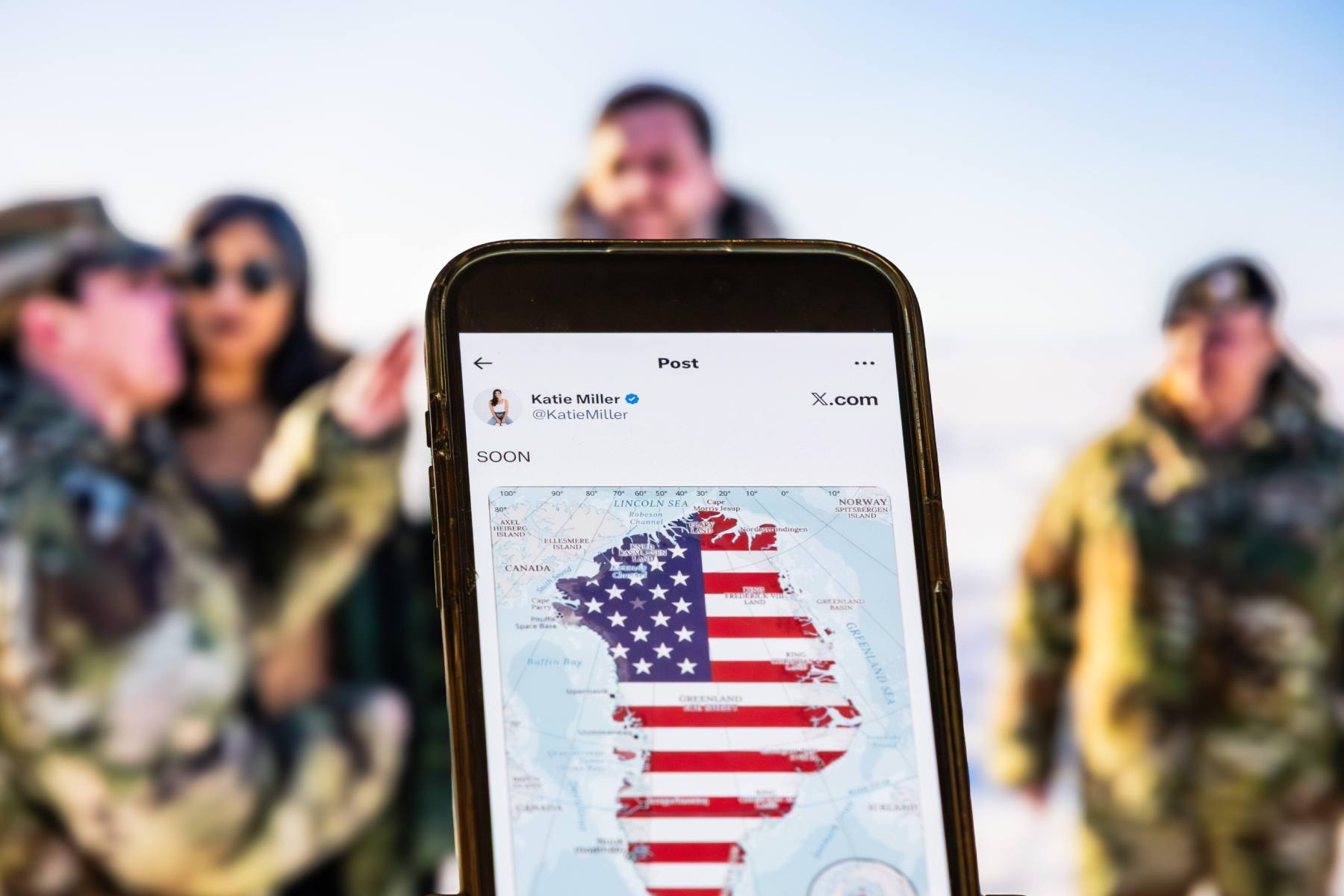
He had flown in from Mar-a-Lago and, he told me, was there to observe. The next day, he watched as Åsa Rennermalm, a Rutgers University professor who studies polar regions, sat onstage with European foreign ministers and spoke out against cuts to U.S. science funding. "A leading US Arctic scientist is on stage absolutely ripping her country to the delight of the audience," Dans wrote on X. "Embarassing." He punctuated his post with an American-flag emoji.
US politics
fromwww.dw.com
2 months agoFrom Inuit to Vikings to Trump: The history of Greenland
Early migration and Erik the Red The first humans settled in Greenland around 4,500 years ago. They came from the North American continent. In the 12th century, they were gradually displaced by Asian immigrants, the Thule people, who arrived on the island from Siberia via the Bering Strait. Their descendants are the Inuit, from whom most of the 56,000 Greenlanders today are descended.
History
Canada news
fromArchitectural Digest
1 month agoIn Greenland, Design Meets Glaciers, Gravesites, and a Galactic Ocean
Modern expedition cruising makes remote Arctic sites like Beechey Island and Franklin’s wrecks accessible, blending comfortable travel with encounters of historical tragedy and extreme conditions.
fromwww.aljazeera.com
2 months agoWho owns the Arctic?
Global warming is thawing the Arctic and igniting a high-stakes race for the riches beneath its ice. Global warming is heating up the Arctic, and global powers like the United States, Russia and China are manoeuvring to stake a claim to the resources under its melting ice. Some experts say the region, once known as an exception an island of international cooperation in the midst of geopolitical struggles is becoming the site of a second cold war.
World news
fromwww.scientificamerican.com
1 month agoAncient seafarers helped shape Arctic ecosystems
In the pristine High Arctic sits the Kitsissut island cluster, also known as the Carey Islands, nestled between northwest Greenland and northeast Canada. The surrounding seas are perilous, and traveling there is difficult even with modern boats. But new archaeological evidence suggests ancient humans managed to sail to the islands, too. Early settlers lived on the islands between 4,500 and 2,700 years ago.
Science
Travel
fromTravel + Leisure
2 months agoThis Is the Most Important Cruise Detail to Know Before Booking an Expedition Cruise
Polar Class ratings define a vessel's hull strength, propulsion, maneuverability, and safety equipment for operating in varying polar ice conditions, with PC1 highest and PC7 lowest.
fromwww.dw.com
2 months agoArctic scientists 'feel pretty uncomfortable' on Greenland
Decades of successful scientific collaboration could be at risk if Europe-US political relations continue to fray over trade and defense issues. For more than 30 years, Arctic nations have worked together across the physical, biological and social sciences to understand one of the world's fastest changing regions. Since the late 1970s, the Arctic has lost around 33,000 square miles of sea ice each year roughly the same area as Czechia.
Science
fromSnowBrains
1 month agoAlaska, A Place Known for Massive Snow Totals, Records Snowiest January in Recorded History - SnowBrains
Recently, Anchorage, Alaska's largest city with nearly 400,000 residents, has just recorded its snowiest January on record. Tucked in between the mighty Cook Inlet and pushed right up against the Chugach Mountains, Anchorage sits in prime location for some serious snow totals. Moisture from pacific storms builds up over the inlet, and thanks to orographic lift caused by the mountains, forces that moisture to drop over Anchorage. Thanks to Alaska's northernly location, that moisture often falls in the form of snow.
Snowboarding


fromInsideHook
2 months agoA Growing Number of Travelers Are Visiting Greenland
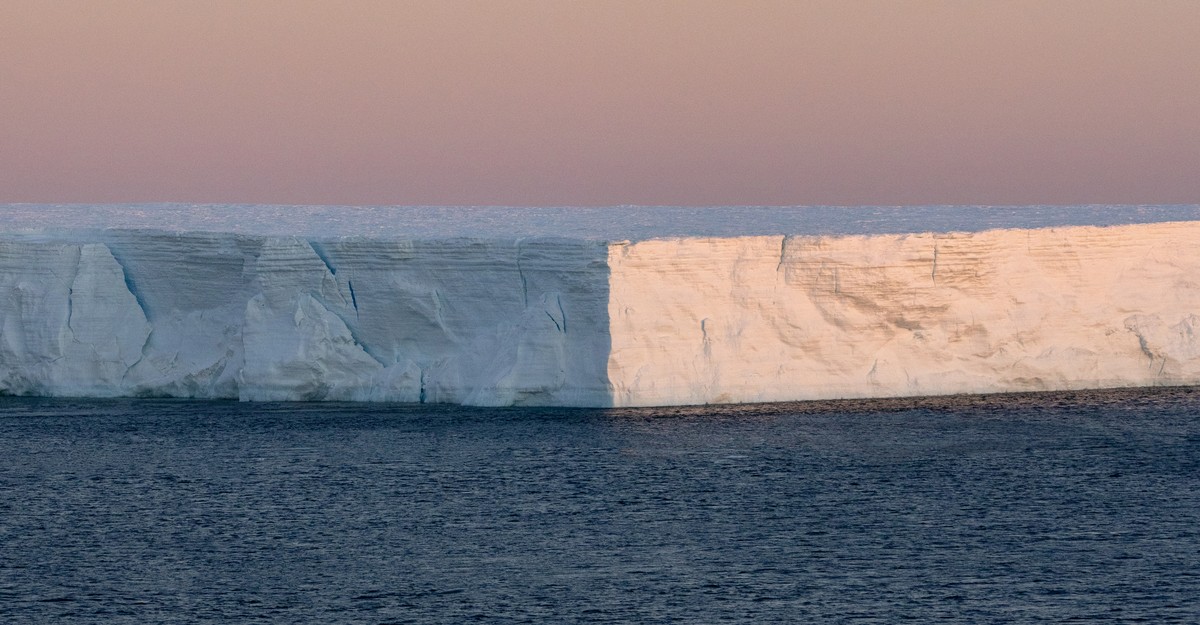
When a city or country is in the spotlight, it's logical to expect an uptick of interest in visiting there. Each of the locations where a season of The White Lotus was filmed has seen a corresponding increase in tourism, for instance. Being the subject of news headlines and heated negotiations isn't quite the same thing as being the setting for a prestige TV series, but recent data suggests that Greenland is also seeing more international visitors than usual.
Miscellaneous

fromState of the Planet
2 months agoUnexpected Climate Feedback Links Antarctic Ice Sheet With Reduced Carbon Uptake
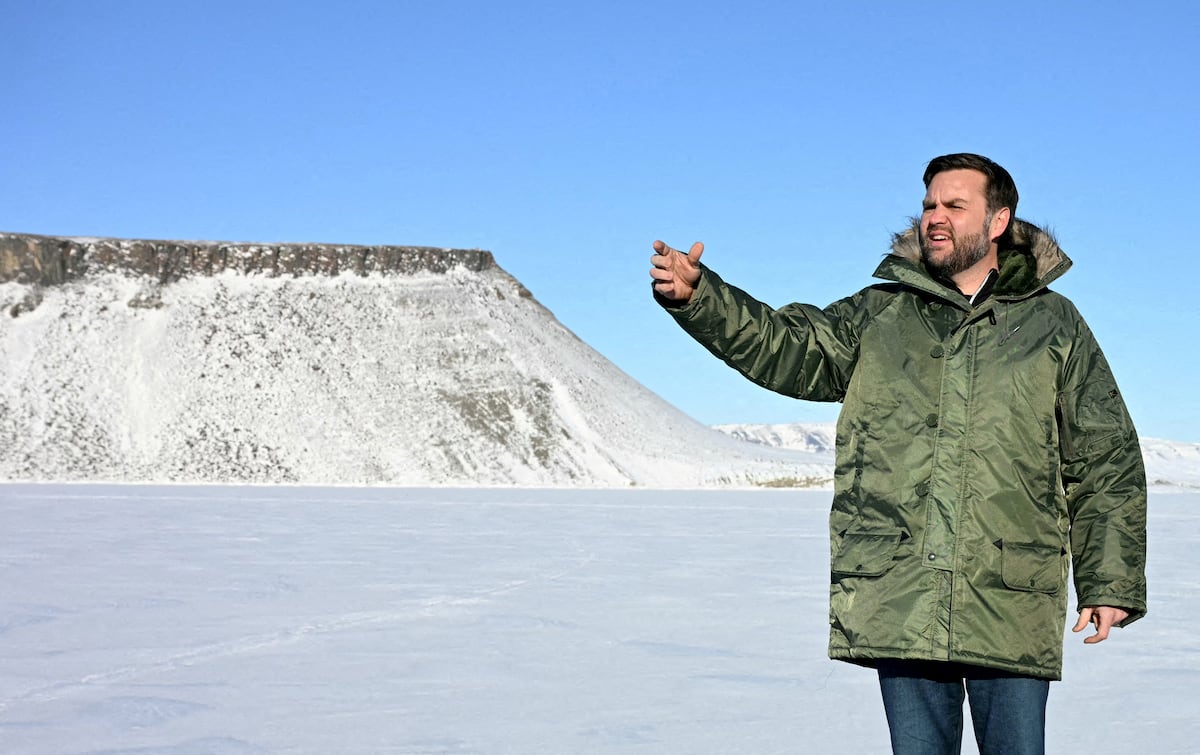
Ice-sheet retreat lined up with low algae growth over the past ~500,000 years, implying less CO₂ uptake in parts of the Southern Ocean during warm periods. The study points to iceberg-delivered, iron-rich sediments from West Antarctica during warm intervals, not windblown dust. The iron-bearing minerals in these sediments were highly weathered and not readily bioavailable to marine algae. If WAIS keeps shrinking, similar sediment delivery could weaken Southern Ocean carbon uptake, creating feedback that could amplify climate change.
Environment
fromwww.scientificamerican.com
2 months agoSvalbard's polar bears are showing remarkable resilience to climate change
Polar bears are the poster children of climate changeand for good reason. These giant bears hunt, mate and spend their days hanging out on Arctic sea ice, which is rapidly disappearing as the climate warms. But some polar bears, it seems, are far more resilient than we realized: new research suggests that in one region, the bears are adapting to the declining sea ice.
Environment
fromState of the Planet
2 months agoSea Levels Are Rising-But in Greenland, They Will Fall
That seemingly paradoxical dynamic results from several factors. Foremost among them is the rebound of land beneath the Greenland Ice Sheet, a mile-thick body of glacial ice that covers 80 percent of the island and is being lost to melting at a rate of roughly 200 billion tons each year. As the ice sheet loses mass, the land beneath rises.
Science
fromwww.nytimes.com
2 months agoVideo: The Sounds of Antarctica? Flying in the Cold? Your Questions, Answered
So, believe it or not, the cold air that we get down here actually tends to help the performance of the helicopter. DAN: The low pressure systems we have here, particularly in this, weather we've been having, tends to create the opposite effect by decreasing the pressure. Low pressure systems, thinner air. DAN: And that cooler air makes the pressure higher again.
Environment
Environment
fromwww.independent.co.uk
1 month agoIn the Arctic, the major climate threat of black carbon is overshadowed by geopolitical tensions
Arctic shipping soot accelerates sea-ice melt, worsening global warming and weather, while The Independent seeks donations to fund on-the-ground journalism without paywalls.
fromArs Technica
1 month agoScientists hunting mammoth fossils found whales 400 km inland
At first glance, it looked like Wooller and his colleagues might have found evidence that mammoths lived in central Alaska just 2,000 years ago. But ancient DNA revealed that two "mammoth" bones actually belonged to a North Pacific right whale and a minke whale-which raised a whole new set of questions. The team's hunt for Alaska's last mammoth had turned into an epic case of mistaken identity, starring two whale species and a mid-century fossil hunter.
Science
[ Load more ]