#ikuo-ueda
#ikuo-ueda
[ follow ]
#contemporary-art #illustration #photography #memory #street-art #art-exhibition #japanese-architecture


#art
Arts
fromIrish Independent
4 days ago'You have to step in and experience it' - artists on the rise of AI-generated art and the 'essential' gallery visit
Miriam Fitzgerald Juskova's exhibit combines paper quilling with mathematics, showcasing intricate art that engages viewers and emphasizes the value of handmade creations.
Graphic design
fromItsnicethat
2 weeks agoThese emotionally charged illustrations are here to make your imagination wander
Xiao Hua Yang creates illustrations that blend digital and analogue techniques to suggest emotions through subtle imagery rather than explicit statements, prioritizing implication over explanation.
fromYanko Design - Modern Industrial Design News
1 week agoYour Carry-On Isn't Ready for Cherry Blossom Season in Japan - These 9 Designs Are - Yanko Design
Camera (1) is a compact, metal-bodied camera designed for ease of use, featuring a single-edge control layout that allows for quick adjustments without navigating a touchscreen. This design is particularly beneficial during cherry blossom season when moments are fleeting and require immediate capture.
Photography
Berlin
fromTravel + Leisure
3 weeks agoThe 9 Best Museums in Tokyo-With Ancient History, Stunning Architecture, and Dazzling Immersive Exhibits
Tokyo contains nine exceptional museums ranging from prestigious national institutions to specialized collections, with the National Art Center standing out for its architectural design and diverse rotating exhibitions.
#contemporary-art


Arts
fromJuxtapoz
3 weeks agoJuxtapoz Magazine - Good Looking: Raymond Lemstra @ Nanzuka Underground, Tokyo
Raymond Lemstra's solo exhibition features meticulous graphite portraits and painted works combining Dutch oil techniques with Korean hanji paper, exploring the boundary between reality and the unreal.


Arts
fromJuxtapoz
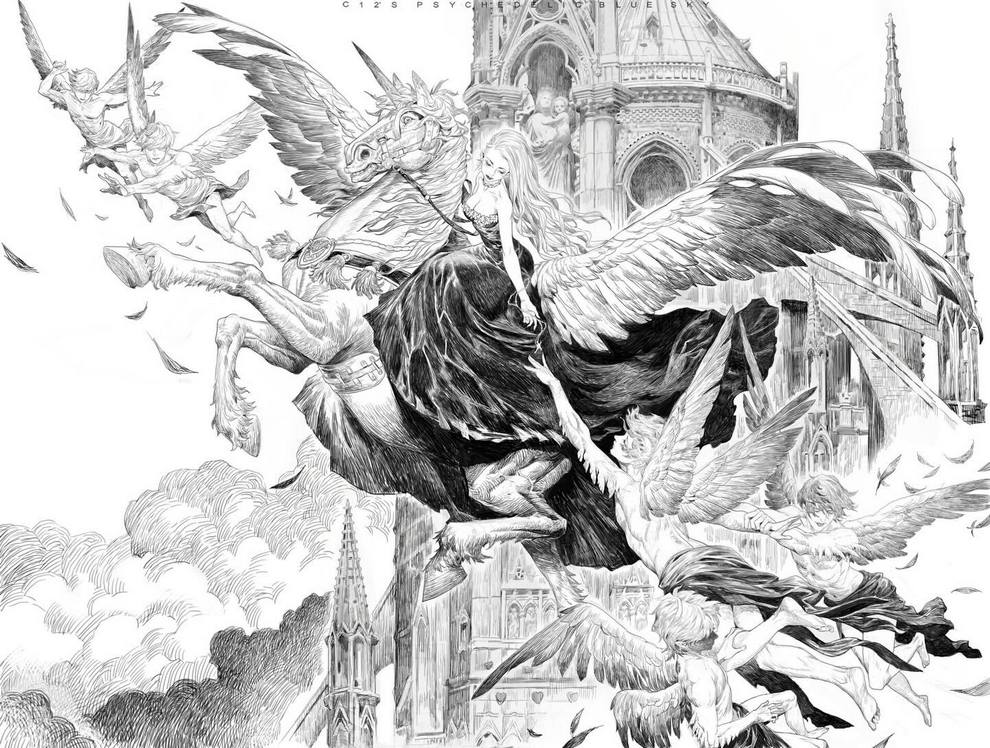
3 weeks agoJuxtapoz Magazine - Good Looking: Raymond Lemstra @ Nanzuka Underground, Tokyo
Raymond Lemstra's solo exhibition features meticulous graphite portraits and painted works combining Dutch oil techniques with Korean hanji paper, exploring the boundary between reality and the unreal.
Renovation
fromArchDaily
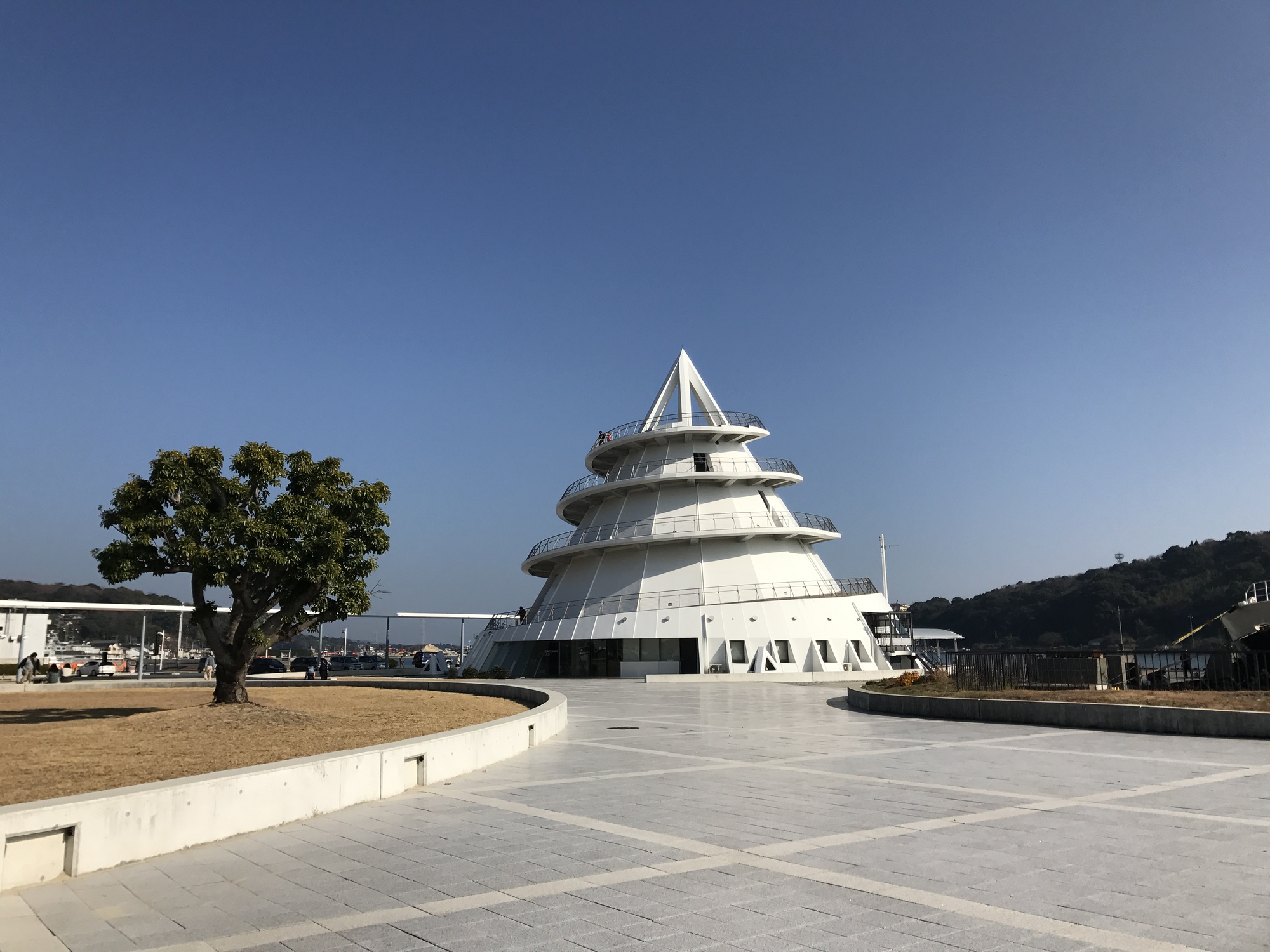
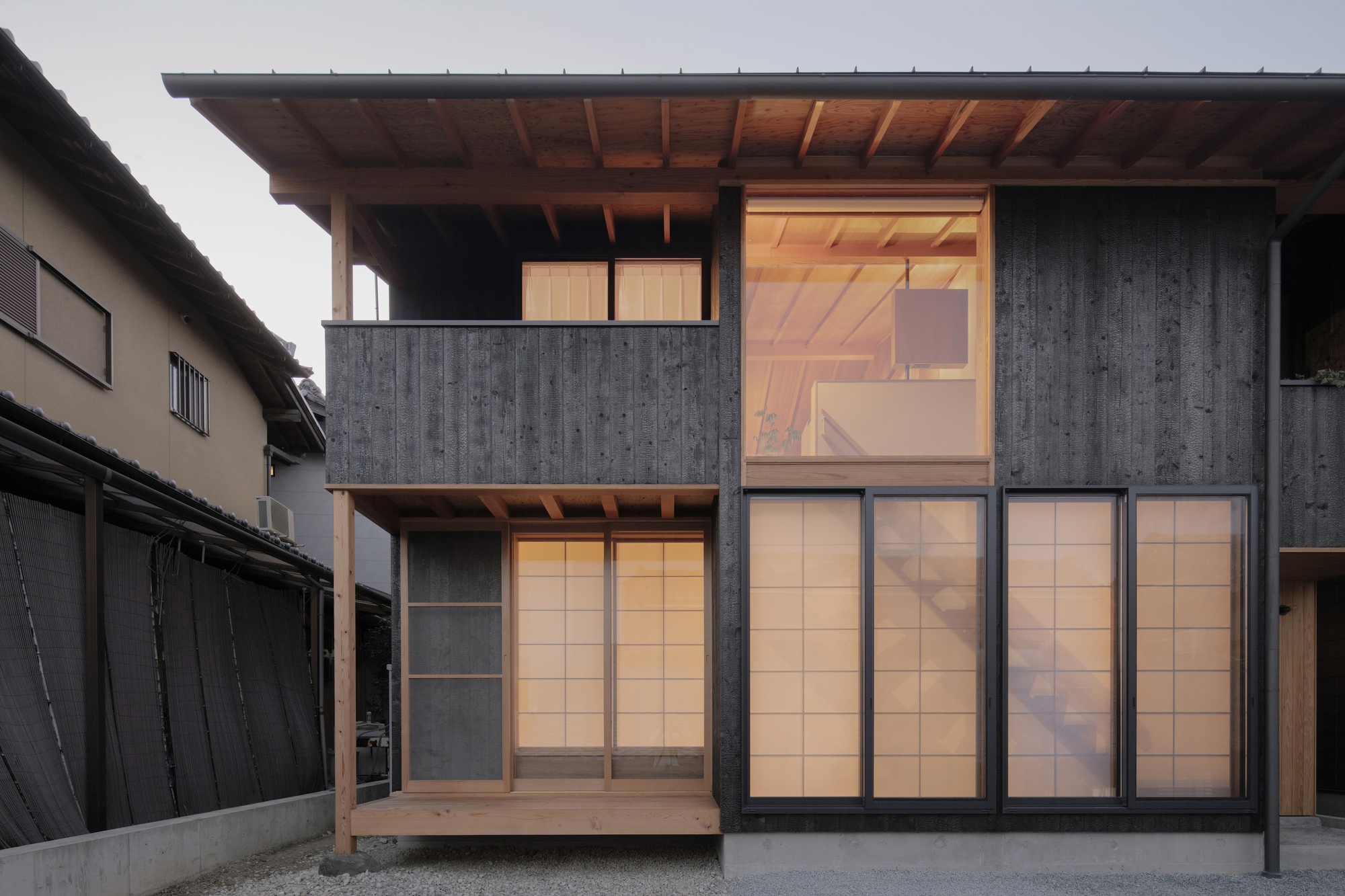
2 weeks agoRenovation and Continuity in Japanese Architecture: The Work of 1110 Office for Architecture
1110 Office for Architecture addresses societal and environmental transformation through careful residential renovations and precise spatial interventions that balance change with enduring elements.
Renovation
fromYanko Design - Modern Industrial Design News
2 weeks agoThis Crumbling Kyoto Home Was Rebuilt as a Wabi-Sabi Sanctuary - and Every Detail Is Intentional - Yanko Design
A Kyoto renovation restores a traditional Sukiya residence by removing decades of alterations, creating livable spaces that honor historical principles while serving contemporary needs.
Graphic design
fromdesignboom | architecture & design magazine
1 month agoissey miyake crafts sunglasses with eight concave lenses inspired by japanese ceramic works
Issey Miyake Eyes releases UROKO sunglasses featuring eight concave lenses inspired by Japanese potter Shoji Kamoda's ceramic works, combining 3D printing with traditional craftsmanship aesthetics.
fromdesignboom | architecture & design magazine
3 weeks agoYYAA rebuilds the eastern half of a prewar rowhouse in japan
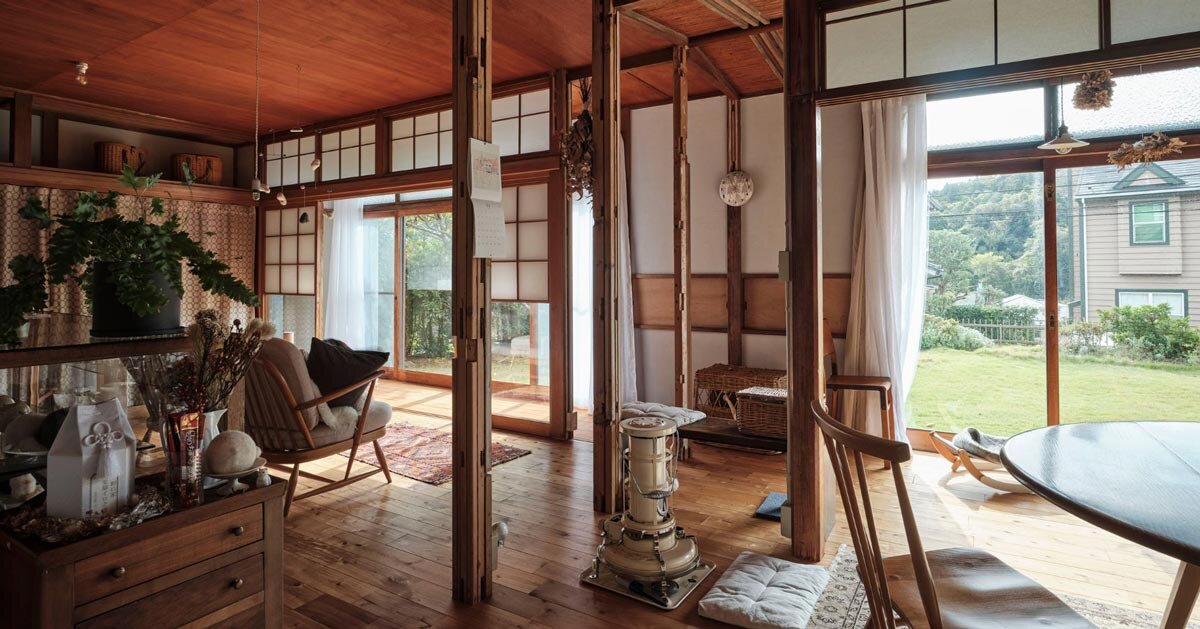
The clients chose to remain in Yagi-cho while contributing to the continued use of its older building stock. With the support of a local non-profit organization involved in community development, they acquired the eastern portion of a large two-unit rowhouse that had remained vacant for nearly three decades.
Renovation
fromColossal
2 weeks agoRestrained Emotions Simmer in Shinsuke Inoue's Tender Wood Sculptures
I have virtually no idea what the finished piece will look like until I actually begin working with the wood. As a result, the form often emerges as I carve, and I frequently change my plans midway through the process. Naturally, I keep the many failures a secret.
Arts
fromdesignboom | architecture & design magazine
4 weeks agosculptural steel ladder imitates the flowing geometries of brass musical instruments
SO KOIZUMI DESIGN has developed Resonique, a ladder that explores the relationship between functional structure and sculptural form. The project draws on the structural logic of ladders while referencing the flowing geometries associated with brass musical instruments. Through this combination, the object shifts from a purely utilitarian tool toward a design piece that engages both function and spatial presence.
Design
fromYanko Design - Modern Industrial Design News
1 month agoThese Sculptural Japanese Lamps Come in 100 Colors for $150 - Yanko Design
Designed by Michael Kritzer, an industrial designer with Red Dot, iF, and Cannes Lions awards to his name, Dollights are inspired by creative Kokeshi dolls, those beautifully varied Japanese wooden figures that range from traditional to wildly expressive. The connection isn't literal. You won't mistake these for dolls on a shelf. But the DNA is there in the proportions, that satisfying relationship between a rounded head and a tapered body, the way each silhouette feels like it has its own quiet personality.
Design

Design
fromYanko Design - Modern Industrial Design News
1 month agoA 400-Year-Old Japanese Candleholder, Upgraded Again - Yanko Design
Dai Furuwatari's Pendulum Candleholder thoughtfully updates the traditional Japanese teshoku by adding a hanging hook and adjustable pendulum mechanism, making it both portable and versatile for modern use.
fromOpen Culture
2 months agoDiscover Ichi-go Ichie, the Japanese Art of Savoring Every Moment
The Bud­dhis­ti­cal­ly inflect­ed " ichi-go ichi‑e" is just one in the vast library of yoji­juku­go, high­ly con­densed apho­ris­tic expres­sions writ­ten with just four char­ac­ters. (Oth­er coun­tries with Chi­nese-influ­enced lan­guages have their ver­sions, includ­ing sajaseon­geo in Korea and chéngyǔ in Chi­na itself.) It descends, as the sto­ry goes, from a slight­ly longer say­ing favored by the six­teenth-cen­tu­ry tea mas­ter Sen no Rikyū, " ichi-go ni ichi-do " (一期に一度).
Mindfulness
Gadgets
fromYanko Design - Modern Industrial Design News
2 months agoPilot Just Turned a 400-Year-Old Japanese Craft Into Living Art - Yanko Design
Arita porcelain vases coated with Pilot's thermochromic ink reveal a celadon glaze when heated, creating unique, time-based color transformations that return as they cool.
fromPsychology Today
2 months agoKintsugi: The Japanese Art of Being Remade
Kintsugi 金継ぎ is known as the Japanese art of putting broken things back together, like broken pottery, using materials mixed with powdered gold and other elements. Instead of hiding damage, this technique celebrates the restoration of an object once viewed as broken, flawed, or imperfect. This same process can be seen as a metaphor for addiction recovery. Even for people with addiction who willingly choose recovery, there's an element of being remade that can't be ignored. Addicts often go through a period of denial.
Mental health
fromBoard Game Quest
1 month agoSand Art Review
Sand Art is a game by Kory Jordan and published by 25th Century Games for two to four players ages 10 and up. It takes about an hour to play, and has you collecting resources and then coloring in a bottle, making art in a bottle out of sand, in case the name didn't give away the plot. Gameplay Overview: Sand Art has you gathering and mixing sand, which is used to fill your bottle.
Board games
fromwww.theguardian.com
2 months agoCosmic Princess Kaguya! review trippy anime adapted from Japanese folk dives into virtual reality popworld
Cosmic Princess Kaguya! is an adaptation of a Japanese folk tale, the story of a princess from the moon discovered inside a bamboo stalk in a poor rural village. A decade ago, Studio Ghibli adapted the tale into a gorgeously animated movie with a traditional, lovingly hand-painted feel. This film could not be more different, a trippy, high-energy, techno anime set in the near future, half of it in a virtual reality world and TikTok-ifed with emojis and stickers exploding all over the screen.
Film
Design
fromYanko Design - Modern Industrial Design News
1 month agoJapan Just Solved Spring Home Refresh With 8 Minimalist Accessories That Make Your Space Feel New - Yanko Design
Small, restrained Japanese craft objects subtly reset and enrich interior spaces through texture, scent, sound, light, and purposeful minimalism.
fromItsnicethat
1 month agoLife is in constant motion in Chiara Xie's kinetic and flowing illustrations
In illustrator Chiara Xie 's work, everything is in motion. Rooted in a deep reverence for vitality, Chiara is fascinated by "the rhythm that flows through a scene", lingering like a suspended breath, and other times "surging as a vibrant, agile current of motion". It's not hard to know what she means: every illustration is filled with motion, arcs of light and air bouncing off every corner.
Graphic design
fromwww.archdaily.com
1 month agoKItoNOKO NIKKO HOME Group Hiroshima Office / ure LLC
KITONOKO is a community-oriented complex located in a suburban commercial district, conceived as a place where architecture quietly connects people, work, and everyday life. Surrounded by large-scale retail and roadside developments, the project seeks to introduce a more human-scaled, open, and approachable environment within a typically car-oriented context. Rather than operating as a closed commercial facility, the building encourages local residents, visitors, and staff to naturally intersect through spatial openness and continuity.
Design
Arts
fromJuxtapoz
1 month agoJuxtapoz Magazine - Takashi Murakami: Hark Back to Ukiyo-e: Tracing Superflat to Japonisme's Genesis @ Perrotin, Los Angeles
Takashi Murakami presents 24 new paintings tracing ukiyo-e's influence on Impressionism and exploring bijinga's global impact at Perrotin Los Angeles.
Design
fromdesignboom | architecture & design magazine
2 months agoluminous layers of colored wire mesh weave tea ceremony house by moriyuki ochiai
Layered wire mesh creates permeable tea house enclosures that modulate light, sightlines, airflow, and spatial perception through material, layering, and moiré effects.
Design
fromYanko Design - Modern Industrial Design News
1 month ago5 Sushi-Inspired Designs For Japanese Product Fans That Look So Realistic You'll Want to Eat Them - Yanko Design
Sushi exemplifies minimalist design—clarity, precision, and restraint guide creators to prioritize essential elements and function for lasting, purposeful aesthetics.
fromYanko Design - Modern Industrial Design News
2 months ago7 Best Japanese-Designed Valentine's Gifts That Look $1000+, But Cost Half That - Yanko Design
Japanese design has spent centuries perfecting the balance between restraint and richness. These seven gifts embody that philosophy, where every material choice and geometric decision carries intention. From transparent polycarbonate that frames music like sculpture to hand-planted bristles that honor century-old brush-making techniques, each piece reflects the considered craftsmanship that typically commands luxury prices. The precision is palpable, the materials exceptional, yet the cost remains accessible.
Design

Arts
fromdesignboom | architecture & design magazine
2 months agoirregular voids reveal cave-like, geological interior inside japanese residence
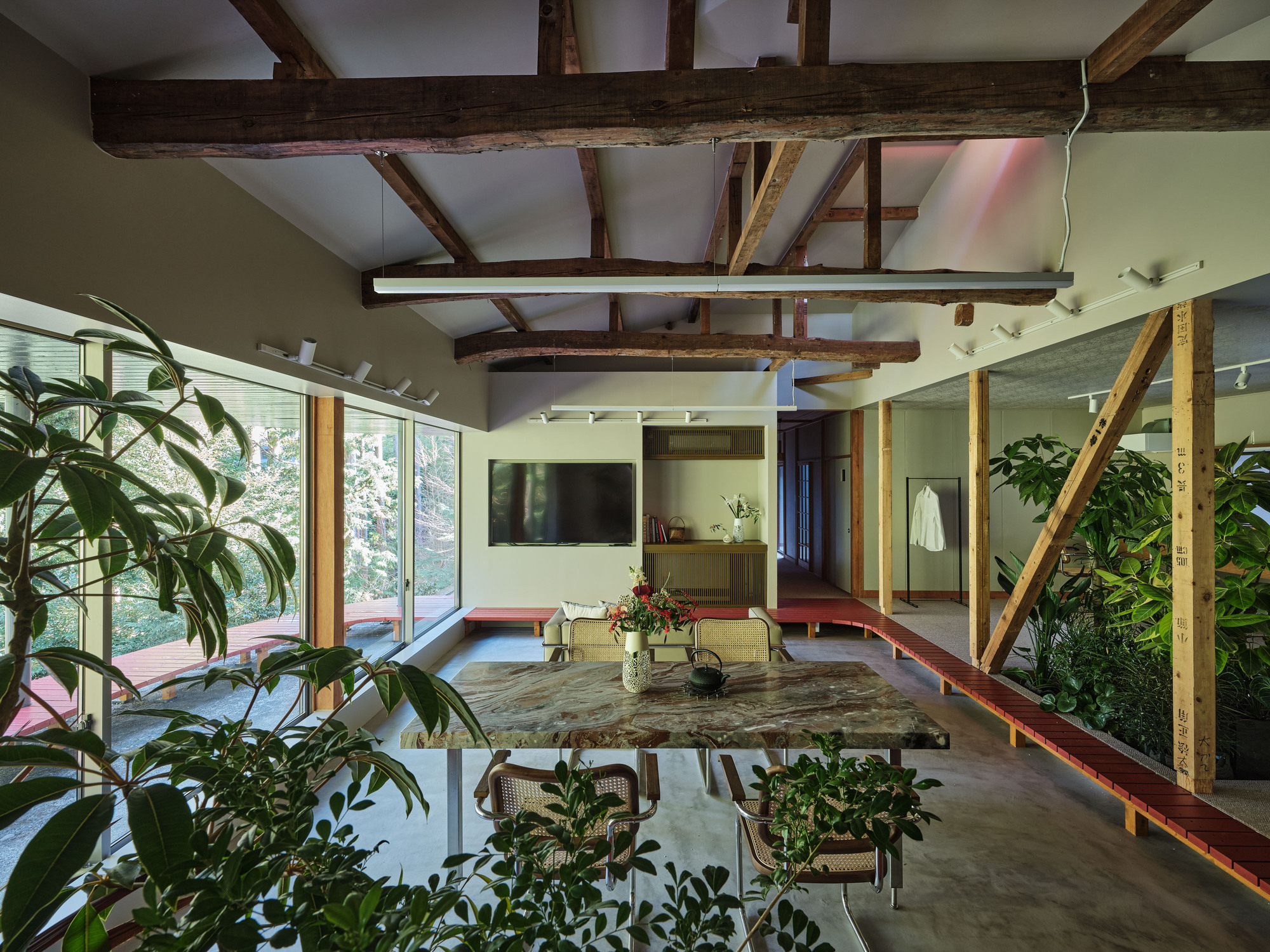
An existing house in Kannawa, Beppu, is transformed into a cavernous void resembling geological formations, creating an experience of architecture as perception rather than enclosure.
Arts
fromdesignboom | architecture & design magazine
2 months agotiny leaves with cut-outs portray joyful animals as silhouette artworks
Lito creates finely cut leaf silhouettes of joyful animals by removing leaf material to carve detailed patterns and facial lines, exhibited across multiple Japanese venues.
fromHyperallergic
1 month agoNaoto Nakagawa 2026 Is on View at KAPOW
Naoto Nakagawa's current show at KAPOW brings together a significant group of new acrylic paintings and intimate watercolors, situating his recent practice within both the Japanese shunga tradition of erotic art and his own six-decade exploration of perception, material culture, and the natural world. On view at KAPOW in Manhattan's Lower East Side through February 22, works across the exhibition resonate with themes that have defined Nakagawa's career since the 1960s - most notably his persistent pairing of man-made objects with organic life.
Arts
fromHyperallergic
1 month agoA View From the Easel
The studio is at my house within a ranch, surrounded by nature. It's on the second floor of the house, where there's better light. My routine all day shifts between studio work and housework, including outdoor garden work. I get up a bit before 7am, drink coffee in the yard, and get morning sunshine. Then my husband and I eat breakfast and do a bit of cleaning or some chores in the garden.
Arts
Arts
fromSilicon Canals
1 month ago8 signs you appreciate art, music, and culture on a deeper level than most people - Silicon Canals
Some people experience art deeply, reacting emotionally and perceiving subtle artistic cues that reveal heightened sensitivity and meaningful connections to creative expression.
Arts
fromJuxtapoz
2 months agoJuxtapoz Magazine - Preview: Imon Boy's "Un poco distraido" @ Yusto / Giner Gallery, Madrid
Imon Boy's solo exhibition transforms diary-like, graffiti-rooted imagery into playful visual narratives blending street energy with gaming, internet culture, cinema, travel, humor and identity.
[ Load more ]