Design
fromPsychology Today
3 hours agoThe Future of Brain Health Is Architecture
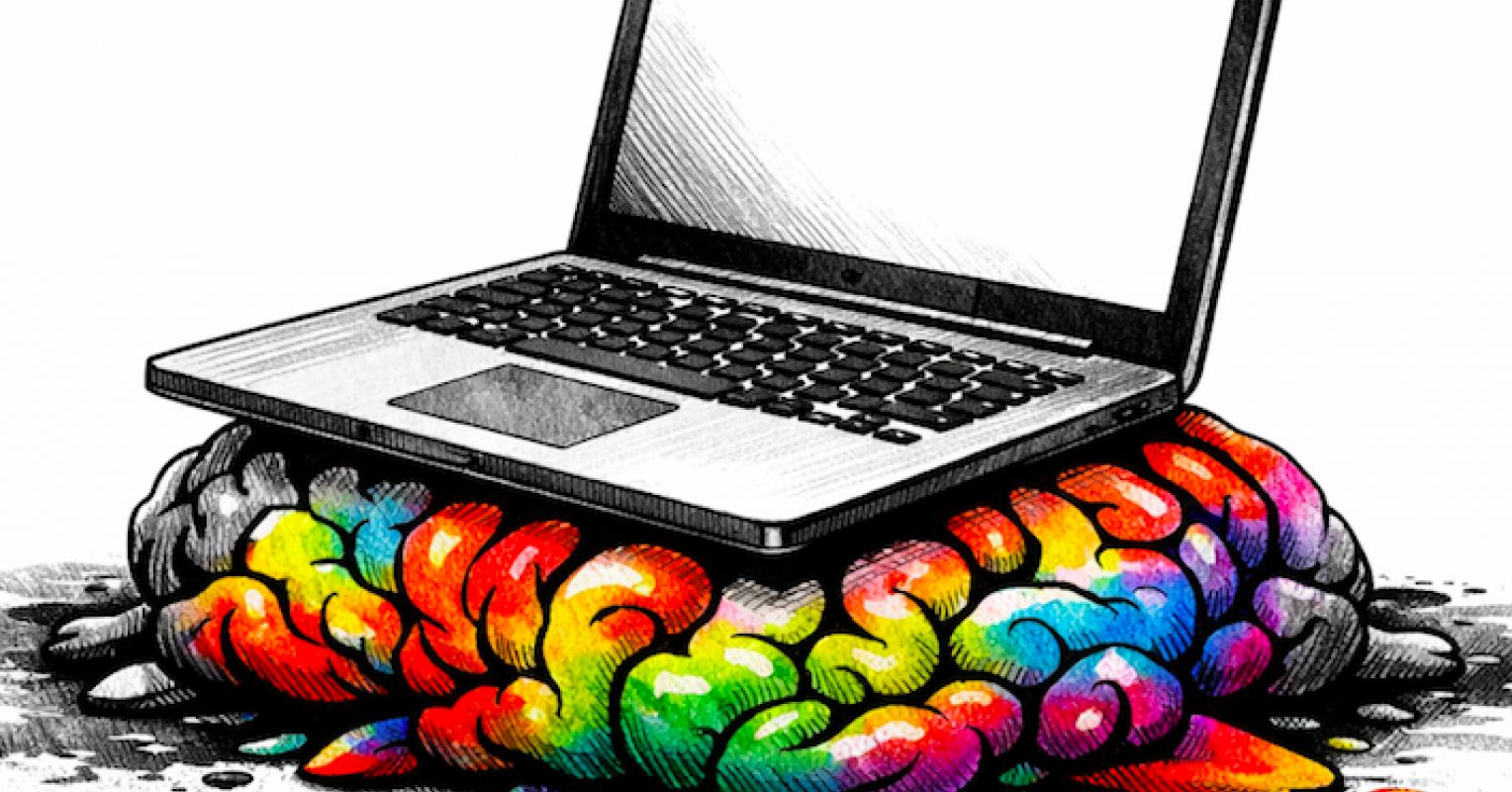
The built environment significantly influences mental health, mood, and performance, with neuroscience guiding design for improved well-being.
Peter Friedlander has requested that the scripts for the upcoming TV series be rewritten to appeal to 'non-gamers,' which has upset some Mass Effect fans. However, production for the series is reportedly 'on the verge' of starting.
Toonstar's proven ability to translate beloved stories into engaging animation, while keeping artists at the center of the process, makes them the ideal partner to bring Friendship List and other popular titles to new audiences in formats today's families love.
"I've done a lot of time-dilated travel." This statement encapsulates the essence of Grace's journey, highlighting the profound effects of traveling at speeds approaching light, where time for the traveler slows down significantly compared to those remaining on Earth.
Dimension 20 has primarily used Dungeons & Dragons 5th edition across its campaigns, with occasional side quests using other systems. The main cast has only deviated from D&D for the sixth campaign, A Starstruck Odyssey, which utilized an unofficial Star Wars system.
Whenever you're working with an existing IP, there's always the question of how you're going to translate and adapt, right? Because it's not a one-to-one sort of interpretation.
Galen Buckwalter, a 69-year-old research psychologist and quadriplegic, participated in a brain implant study to contribute to science that aids those with paralysis. The six chips in his brain decode movement intention, allowing him to operate a computer and feel sensations in his fingers again.
Close your eyes and picture an apple. Most people see something-a faint, slightly blurry image, less vivid than a real apple. A few, however, will see it as clearly as if it were sitting right in front of them. This ability is called hyperphantasia. Hyperphantasia, literally meaning "beyond imagination," refers to exceptionally vivid mental imagery. It is often described as the opposite of aphantasia, a condition in which people report little or no ability to form mental images.