#imf-and-bea-data
#imf-and-bea-data
[ follow ]
#inflation #us-dollar #federal-reserve #treasury-yields #monetary-policy #labor-market #interest-rates
fromwww.dw.com
1 day agoIndia news: Growth forecast slashed to 6% amid Iran war
Moody's Ratings has slashed India's economic growth projections for the current fiscal to 6%, from 6.8% earlier. The credit ratings agency said the US-Israeli war against Iran and its impact on the global energy market will weigh on India's growth momentum and heighten inflation risks.
World news


Artificial intelligence
fromFortune
4 days ago'Inflationary surge': Fed economists warn AI hype is overheating the economy whether or not the technology ever delivers | Fortune
AI optimism may hinder productivity and contribute to short-term inflation as households and businesses react to perceived future gains.

fromBitcoin Magazine
4 days agoU.S. Treasury Launches First GENIUS Act Rulemaking Proposal
The proposed rule establishes broad principles to guide the determination of whether state-level stablecoin regulatory regimes are 'substantially similar' to the federal framework, allowing smaller issuers to remain under state supervision.
Cryptocurrency
Europe news
fromLondon Business News | Londonlovesbusiness.com
6 days agoUK government stands aside as others globally cut fuel taxes - London Business News | Londonlovesbusiness.com
The UK government has not reduced fuel duty despite rising oil prices, unlike other countries that have implemented tax cuts to alleviate costs for consumers.
#us-economy
US politics
fromFortune
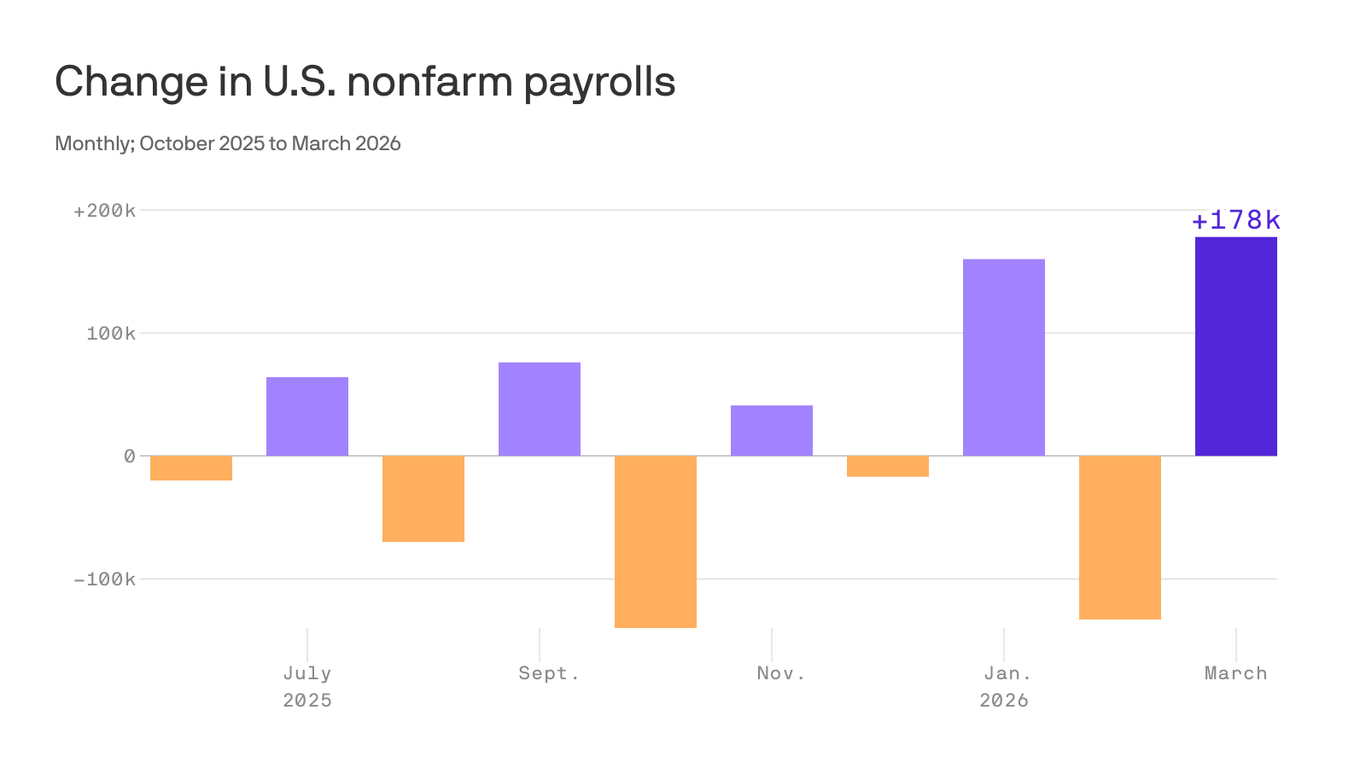
1 day agoThe economy can shed jobs and still keep the labor market balanced, as Trump's immigration crackdown turns breakeven hiring negative | Fortune
The U.S. labor market shows a negative breakeven rate of employment growth due to immigration restrictions, indicating potential job losses without rising unemployment.


World politics
fromLondon Business News | Londonlovesbusiness.com
6 days agoUS dollar stable after successive gains - London Business News | Londonlovesbusiness.com
Escalating Middle East tensions are influencing market sentiment, keeping the dollar stable and impacting US Treasury yields amid inflation concerns.
fromFortune
5 days agoA Wall Street vet's Walmart recession indicator just hit its highest point since 2008-and he says the fear 'just keeps multiplying' | Fortune
'Walmart Worries' just keep multiplying. It's currently close to the highest level ever recorded which was during the Great Financial Crisis of 2008-09.
Business
London startup
fromLondon Business News | Londonlovesbusiness.com
5 days agoSME confidence edges up despite cautious economic outlook - London Business News | Londonlovesbusiness.com
SMEs in the UK and Ireland show renewed optimism despite economic uncertainty, with expectations for sales growth and workforce expansion.
World news
fromLondon Business News | Londonlovesbusiness.com
4 days agoDollar extends pullback amid softer labour signals and easing risks - London Business News | Londonlovesbusiness.com
The dollar weakened due to softening monetary policy expectations and reduced demand as a safe-haven asset amid easing Middle East tensions.
fromLondon Business News | Londonlovesbusiness.com
6 days agoGlobal markets react to geopolitical tensions and rising energy costs - London Business News | Londonlovesbusiness.com
U.S. financial markets experienced a volatile week, largely influenced by geopolitical developments in the Middle East and fluctuations in energy prices. Investor sentiment was driven primarily by external events rather than domestic fundamentals.
Business
#us-dollar
US Elections
fromLondon Business News | Londonlovesbusiness.com
3 days agoUS dollar rose amid a rebound in geopolitical concerns - London Business News | Londonlovesbusiness.com
The US dollar strengthened due to geopolitical fears and better-than-expected economic data, while uncertainty keeps market volatility high.


US Elections
fromLondon Business News | Londonlovesbusiness.com
3 days agoUS dollar rose amid a rebound in geopolitical concerns - London Business News | Londonlovesbusiness.com
The US dollar strengthened due to geopolitical fears and better-than-expected economic data, while uncertainty keeps market volatility high.
Business
fromLondon Business News | Londonlovesbusiness.com
2 weeks agoWhere is the US Dollar Index heading amid rising bond yields? - London Business News | Londonlovesbusiness.com
The US Dollar Index strengthens due to Federal Reserve's hawkish stance, elevated Treasury yields, and geopolitical tensions, with limited rate cuts expected through 2027.


Business
fromFortune
2 weeks agoA 'debt spiral,' before a fiscal crisis: interest on the national debt will be growing faster than GDP in just 5 years, think tank warns | Fortune
By 2031, U.S. federal debt interest rates will exceed economic growth rates, triggering a self-reinforcing debt spiral where deficits cause debt to grow indefinitely.
fromLondon Business News | Londonlovesbusiness.com
2 weeks agoUS dollar sees volatility risks on geopolitical developments and ahead of Fed - London Business News | Londonlovesbusiness.com
The dollar stabilised to a certain extent today after retreating in the prior session, but could remain relatively volatile as markets react to geopolitical developments in the Middle East. Treasury yields were firmer following a pullback on Monday as well.
World news

US Elections
fromenglish.elpais.com
3 weeks agoUS economy grew at half the expected rate in the final quarter of 2025 due to tariffs and government shutdown
U.S. GDP growth slowed to 2.1% annually in 2025, down from 2.8% in 2024, due to tariffs, government shutdown, and reduced exports and consumer spending.
US politics
fromFortune
1 month agoTrump brags that America is 'winning so much.' Without tariffs, "we could have seen more of the good news," IMF director says. | Fortune
The U.S. economy shows strong growth and resilience, but chronic budget deficits and tariff-based trade policies threaten its long-term fiscal health.
Business
fromLondon Business News | Londonlovesbusiness.com
1 month agoThe significant events in the global economy over the past week - London Business News | Londonlovesbusiness.com
U.S. equity markets declined amid AI disruption concerns and trade uncertainty, while European markets gained strength with solid earnings and diversification appeal.
US news
fromLondon Business News | Londonlovesbusiness.com
1 month agoThe Significant Events in the Global Economy Explained - London Business News | Londonlovesbusiness.com
Supreme Court tariff reversal lifted investor sentiment and stocks, while Fed division on rates, rising inflation, and slowing GDP kept markets cautious.


Business
fromLondon Business News | Londonlovesbusiness.com
1 month agoA look at the significant events in the global economy over the past week - London Business News | Londonlovesbusiness.com
U.S. markets rotated away from large-cap technology toward smaller and value stocks amid cooling labor-market signals, mixed economic activity, and falling bond yields.
US news
fromLondon Business News | Londonlovesbusiness.com
2 months agoDollar extends rebound on geopolitical risks - London Business News | Londonlovesbusiness.com
Geopolitical risks pushed the US dollar to two-week highs as safe-haven demand rises, while upcoming data and Fed remarks could change dollar and yield outlooks.
US news
fromLondon Business News | Londonlovesbusiness.com
2 months agoUS inflation undershoots at 2.6%, Trump can call off the dogs - London Business News | Londonlovesbusiness.com
US core inflation eased to 2.6% in December, below consensus; housing rose 0.4%, annual inflation steady at 2.7%, easing pressure on policy.
fromLondon Business News | Londonlovesbusiness.com
2 months agoDollar struggle and monetary policy shape the next phase - London Business News | Londonlovesbusiness.com
The resilience of gold above $4,800 per ounce at this stage reflects a delicate and complex balance between traditional supporting factors and emerging pressures-one that cannot be superficially interpreted or reduced to the movement of the dollar alone. It is true that the U.S. dollar's retreat from its recent peaks, after failing to sustain its recovery momentum from a four-year low, provided gold with a short-term breather and attracted some buyers.
Business
fromAxios
1 month agoThe Goldilocks economy, if you don't look too close
Employers added a healthy 130,000 jobs in January, the Labor Department said this week, as the unemployment rate edged down to 4.3%. The caveat? That announcement came with revisions that showed job creation flatlined over the last year, with only 15,000 jobs being added per month on average. Service sectors like finance and professional services that normally power the creation of high-paying office positions have instead been shedding jobs, perhaps reflecting employers' anticipation of AI-related cost savings.
US news
[ Load more ]