#inflation-vs-benefits
#inflation-vs-benefits
[ follow ]
#inflation #social-security #federal-reserve #interest-rates #economic-impact #consumer-spending #energy-prices



fromwww.businessinsider.com
1 day agoYour produce bill is about to get pricey as the Iran war jacks up US food costs
"Fresh food and perishables are almost like the canary in the coal mine," when energy prices go up, according to Vidya Mani, an associate professor at the University of Virginia's Darden School of Business.
Agriculture





Artificial intelligence
fromFortune
3 days ago'Inflationary surge': Fed economists warn AI hype is overheating the economy whether or not the technology ever delivers | Fortune
AI optimism may hinder productivity and contribute to short-term inflation as households and businesses react to perceived future gains.
World politics
fromwww.theguardian.com
3 days agoA third inflationary shock in less than a decade is coming: who will pay the price this time around? | Aditya Chakrabortty
Daniel Yergin highlights the vulnerability of global oil supplies through the Strait of Hormuz and the consequences of military actions against Iran.


World politics
fromFortune
2 days agoPaul Krugman smacks down Trump speech with argument that $4 gas is 'less than half' of the Hormuz hit. Here's what he's talking about | Fortune
President Trump emphasizes U.S. strength in Iran while downplaying reliance on the Strait of Hormuz, despite its critical role in global trade.
fromwww.mediaite.com
5 days agoBad News All Around!' Fox Business Host Stunned By Highly Inflationary' Prices in Total Bummer of an Economic Analysis
High energy prices are kryptonite for the housing market. Affordability, especially for those first-time home buyers, is now an elusive dream until oil prices come down and interest rates come down.
SF real estate
fromAxios
3 days agoThe American consumer stands firm
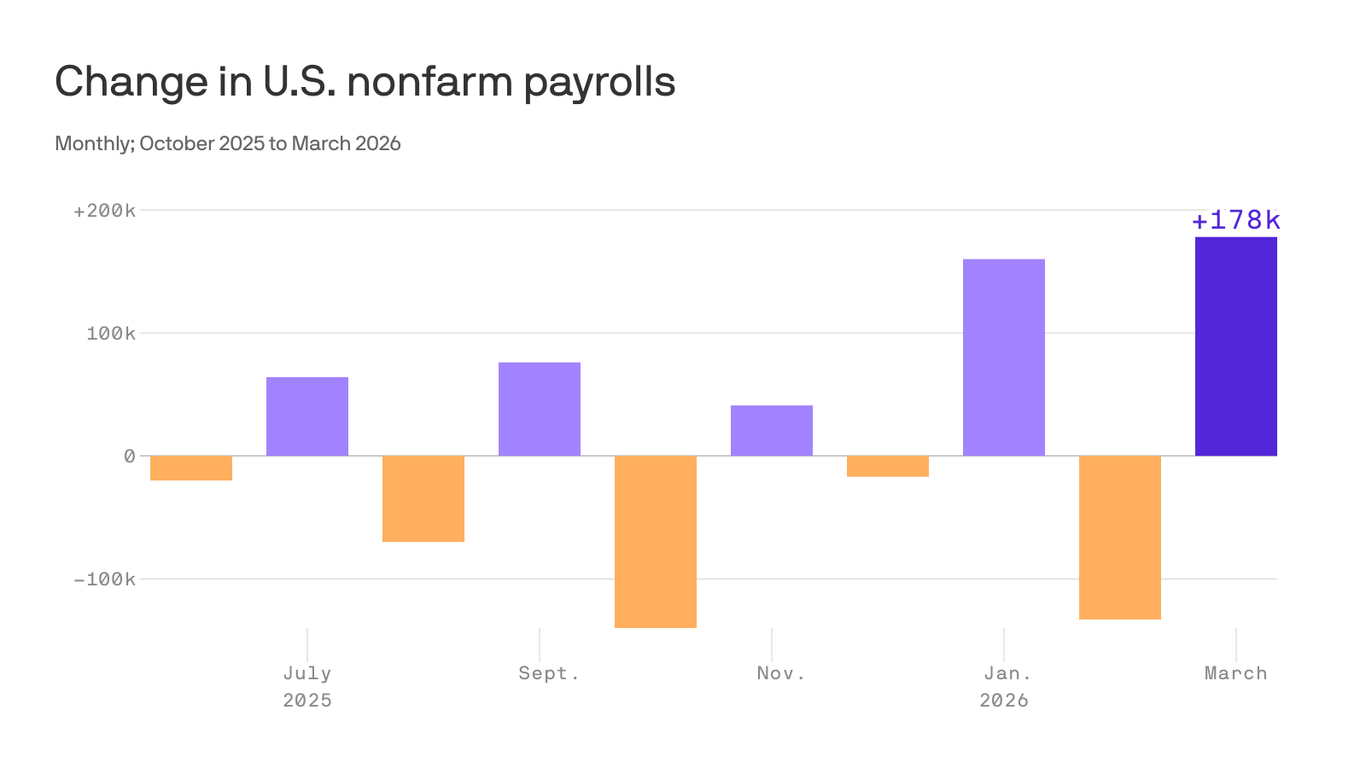
"Jobs may be a bit modest when we look out over the last couple of years, but pay is telling a different story - that there is still a little bit of tightness in this labor market," ADP chief economist Nela Richardson told reporters Wednesday morning.
Business
World news
fromLondon Business News | Londonlovesbusiness.com
4 days agoDollar extends pullback amid softer labour signals and easing risks - London Business News | Londonlovesbusiness.com
The dollar weakened due to softening monetary policy expectations and reduced demand as a safe-haven asset amid easing Middle East tensions.
fromFortune
5 days agoBond yields are falling even as oil tops $102, showing that Wall Street fears recession more than inflation | Fortune
"Oil prices are higher again this morning, but Treasury yields are lower as the risks to economic growth begin to take precedence over the risks to inflation," Oxford Economics said in a note on Monday.
World news
Retirement
fromLondon Business News | Londonlovesbusiness.com
2 days agoEvery time you borrow from a bank, you're paying more than you think - London Business News | Londonlovesbusiness.com
Opportunity cost in loans includes lost potential earnings from repayment dollars, not just the interest rate paid.
fromFortune
4 days agoA Wall Street vet's Walmart recession indicator just hit its highest point since 2008-and he says the fear 'just keeps multiplying' | Fortune
'Walmart Worries' just keep multiplying. It's currently close to the highest level ever recorded which was during the Great Financial Crisis of 2008-09.
Business
#us-dollar
US Elections
fromLondon Business News | Londonlovesbusiness.com
3 days agoUS dollar rose amid a rebound in geopolitical concerns - London Business News | Londonlovesbusiness.com
The US dollar strengthened due to geopolitical fears and better-than-expected economic data, while uncertainty keeps market volatility high.

US Elections
fromLondon Business News | Londonlovesbusiness.com
3 days agoUS dollar rose amid a rebound in geopolitical concerns - London Business News | Londonlovesbusiness.com
The US dollar strengthened due to geopolitical fears and better-than-expected economic data, while uncertainty keeps market volatility high.
#federal-reserve-monetary-policy
US Elections
fromBusiness Insider
2 weeks agoThe Fed is likely to hold rates steady with volatile oil prices and poor US jobs performance
The Federal Reserve will likely hold interest rates steady in March 2026 due to inflation concerns and energy price spikes from the Iran conflict, while preparing for leadership transition to Kevin Warsh.
Business
fromwww.housingwire.com
2 weeks agoFed holds rates, officials signal wait and see on inflation risks
Oil price resolution timing in the Strait of Hormuz will determine whether inflation stays elevated, delaying Fed rate cuts, or eases, allowing Treasury yields and mortgage rates to decline toward early-year levels.
World news
fromLondon Business News | Londonlovesbusiness.com
3 weeks agoUS inflation held at 2.4% in February, but significant price pressures loom in March - London Business News | Londonlovesbusiness.com
US inflation stabilized at 2.4% year-on-year in February, but Middle East disruptions to energy supplies create uncertainty about future Fed rate cut decisions.
Real estate
fromwww.housingwire.com
3 weeks agoAnnual inflation steady at 2.4% in February
February CPI shows shelter inflation returning to pre-COVID levels with steady momentum, but geopolitical tensions and energy market volatility create uncertainty for future inflation trends and Federal Reserve policy decisions.
US Elections
fromFortune
2 weeks ago'A month ago, no one would have believed this': June Fed rate hike odds just surpassed rate cut odds as stagflation fears grow | Fortune
War in Iran drives energy prices higher, reducing probability of Fed rate cuts this year and increasing stagflation concerns that could undermine Trump's economic agenda.
Retirement
fromGOBankingRates
1 month agoSocial Security Checks vs. Rising Prices: What the Iran Conflict Could Mean for Seniors' Buying Power
Escalating Iran tensions threaten to raise oil prices, increasing costs for gas, heating, groceries, and utilities, particularly straining seniors on fixed incomes with reduced purchasing power.
fromwww.housingwire.com
2 months agoDecember inflation flat as Fed eyes interest rate decision
On a monthly basis, the Consumer Price Index was up 0.3% after seasonal adjustment in December. Year-over-year the all-items index was up 2.7%, the same as it was in November. Shelter was the main contributor to the all-items index's monthly increase, rising 0.4% from a month prior. Other major contributors included the food index, which rose 0.7% and the energy index, which jumped 0.3%.
Real estate
US politics
fromFast Company
2 months agoInflation fears in the U.S. are running high, especially for this demographic, a survey shows
Asian Americans, Pacific Islanders and Native Hawaiians show greater anxiety about costs and prioritize government action on inflation and living expenses than U.S. adults overall.
fromAxios
1 month agoThe Goldilocks economy, if you don't look too close
Employers added a healthy 130,000 jobs in January, the Labor Department said this week, as the unemployment rate edged down to 4.3%. The caveat? That announcement came with revisions that showed job creation flatlined over the last year, with only 15,000 jobs being added per month on average. Service sectors like finance and professional services that normally power the creation of high-paying office positions have instead been shedding jobs, perhaps reflecting employers' anticipation of AI-related cost savings.
US news
[ Load more ]