#intel-decline
#intel-decline
[ follow ]
#intel #stock-market #nvidia #ai-infrastructure #semiconductors #amd #ai #micron-technology #ai-demand



fromTNW | China
3 days agoChina's Nexchip files for Hong Kong listing as $5 billion chip expansion accelerates
Nexchip Semiconductor is seeking a dual listing alongside its existing Shanghai shares, a move designed to tap international capital for what amounts to an industrial expansion of extraordinary scale.
European startups





Venture
fromSilicon Canals
5 days ago$850M in total funding: How South Korean chipmaker Rebellions is positioning against NVIDIA in AI inference - Silicon Canals
Rebellions raised $400 million in pre-IPO funding, reaching a valuation of $2.34 billion, signaling strong institutional confidence in AI infrastructure alternatives.
Business intelligence
fromComputerworld
1 month agoMemory shortage batters PC market; double-digit sales drop coming, say analysts
Enterprise buyers face volatile pricing with short-term vendor quotes, budget constraints delaying PC purchases, and slower AI PC adoption with reduced memory specifications.

from24/7 Wall St.
5 days agoHelium "Tsunami" to Hit Chipmakers -- The Surprising Winner to Profit From the Coming Shortage
Global helium consumption runs about 6 billion cubic feet per year. Qatar supplied a big slice until this month. With one-third of output sidelined, prices have already soared.
Business
fromwww.mercurynews.com
1 month agoNvidia shares slide after sales forecast underwhelms investors
Shareholders have lingering questions over whether the current AI spending wave can sustain growth beyond the next few years, and whether Nvidia will remain as dominant as AI shifts from training models to running everyday tasks, analysts at Hargreaves Lansdown said in a note after the results.
Artificial intelligence
fromTechCrunch
4 weeks agoUS reportedly considering sweeping new chip export controls | TechCrunch
U.S. regulators have allegedly drafted rules that would require U.S. government approval to ship AI chips anywhere outside the U.S., according to Bloomberg, citing sources. This would give the U.S. significantly more control over companies like AMD and Nvidia.
European startups
Tech industry
from24/7 Wall St.
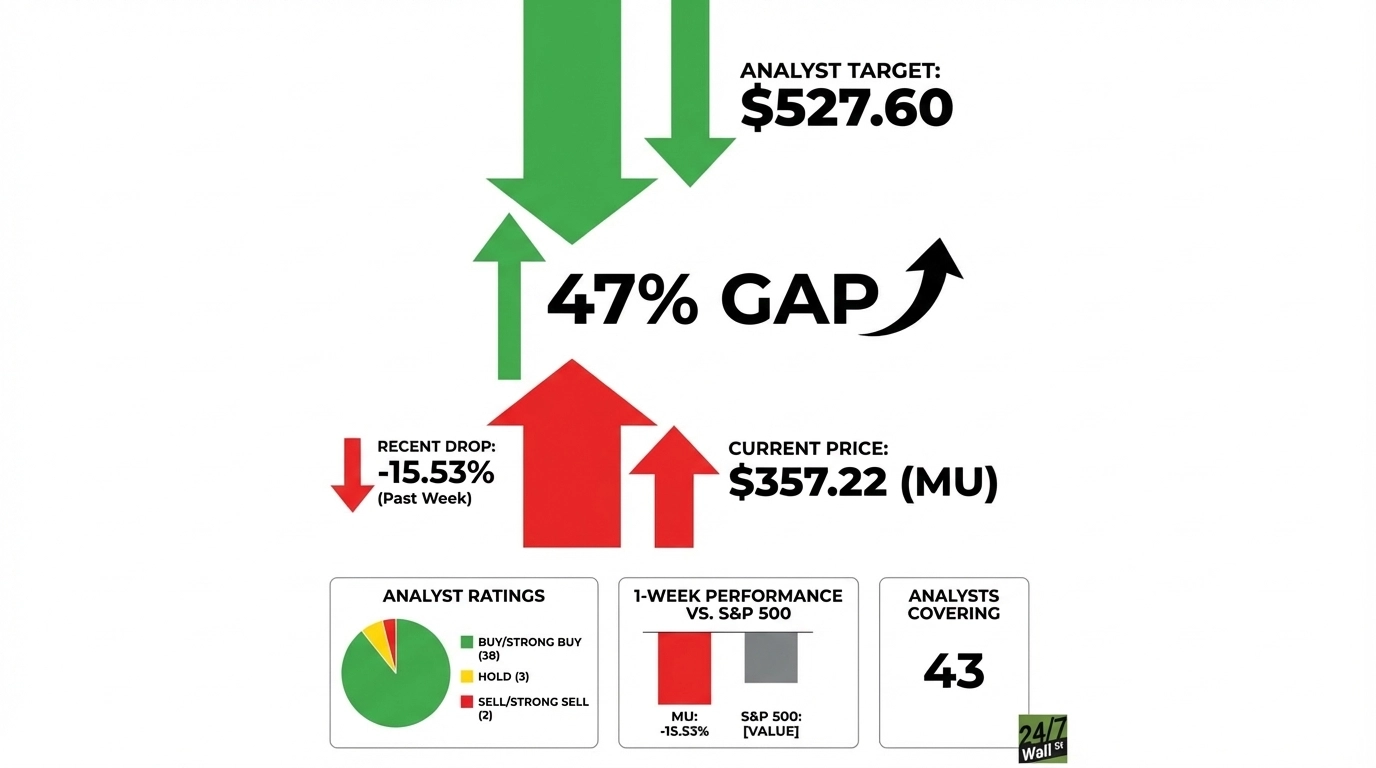
2 weeks agoMicron Slips 4%: NVIDIA's HBM Supplier Just Posted Record Results, So Why Is It Falling?
Micron Technology stock declined 4% despite posting record earnings and exceptional guidance, exemplifying a 'sell the news' market reaction after significant year-to-date gains already priced in expectations.
Business
from24/7 Wall St.
2 weeks agoIntel's New CEO Has Completed His First Year. Here's Where Things Stand.
Intel's stock surge reflects partial progress under CEO Lip-Bu Tan, who implemented cost cuts and improved cash flow, but foundry losses and competitive pressures remain unresolved challenges.
fromTheregister
2 months agoAI chip frenzy to wallop DRAM prices with 70% hike
Memory prices are set to spike again as chipmakers prioritize AI server production over consumer devices, with analysts warning of a high double-digit jump in Q1 2026 alone as demand outpaces supply. Samsung Electronics and SK hynix are reportedly planning to raise server memory prices by up to 70 percent this quarter, according to Korea Economic Daily. Combined with 50 percent increases in 2025, this could nearly double prices by mid-2026.
Artificial intelligence
fromTheregister
2 months agoPC shipments set to hit the buffers as AI guzzles memory
Memory shortages will likely stunt PC shipments in 2026, as available supplies will not be able to meet demand thanks to memory makers chasing the lucrative AI infrastructure market instead. Overall PC market performance in 2025 was healthy, according to research biz Omdia, but it notes that memory and storage supply was already tightening, with associated upward price pressure emerging around the middle of last year.
Tech industry
[ Load more ]