#interior-photography
#interior-photography
[ follow ]
#interior-design #architecture #home-decor #home-design #home-improvement #design #diy #furniture-design


Mindfulness
fromSilicon Canals
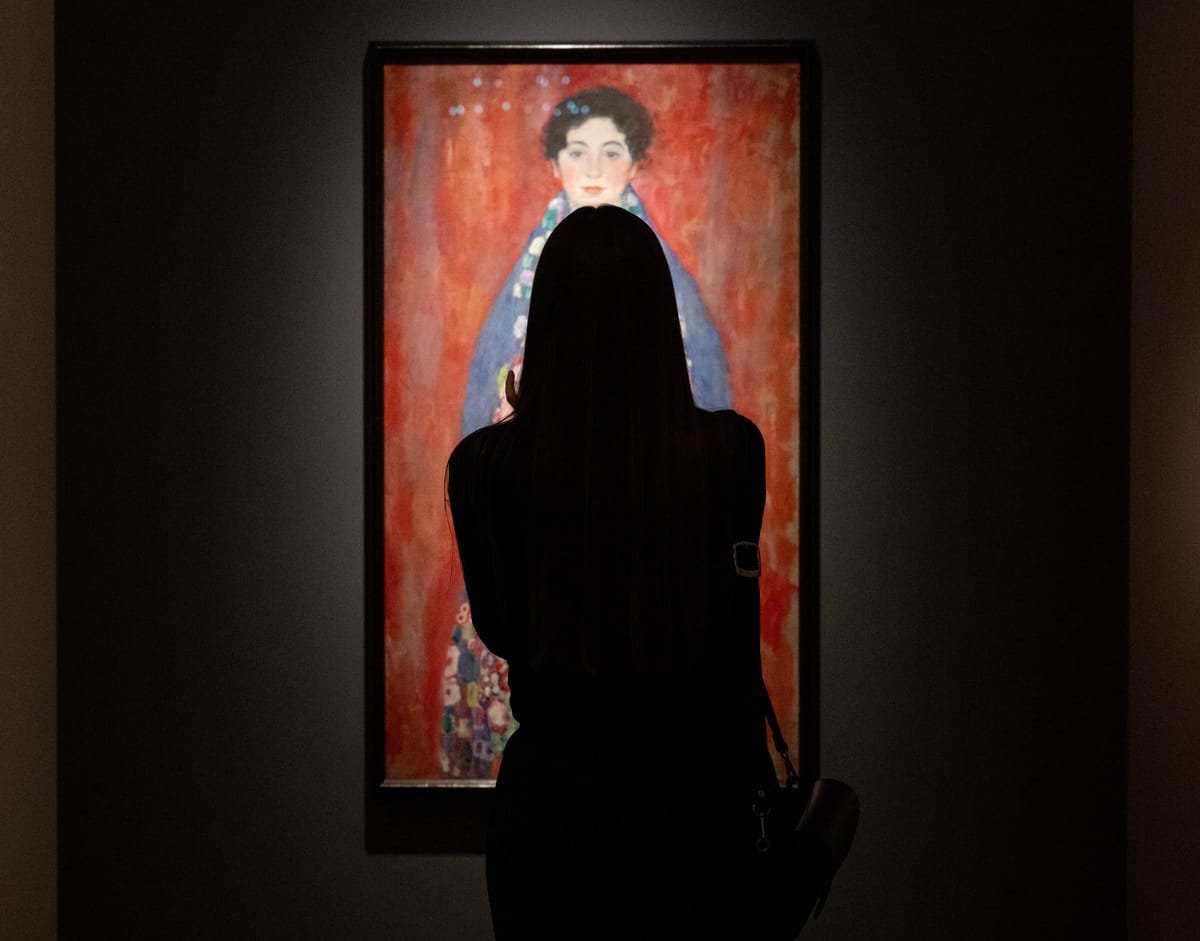
13 hours agoNot everyone who keeps a tidy home is organized. Some of them discovered as children that the inside of their house was the only variable that responded predictably to effort, and decades later they're still soothing an old chaos by straightening cushions that don't need straightening. - Silicon Canals
A clean kitchen counter often masks deeper psychological issues rooted in childhood chaos and the need for control.
Graphic design
fromdesignboom | architecture & design magazine
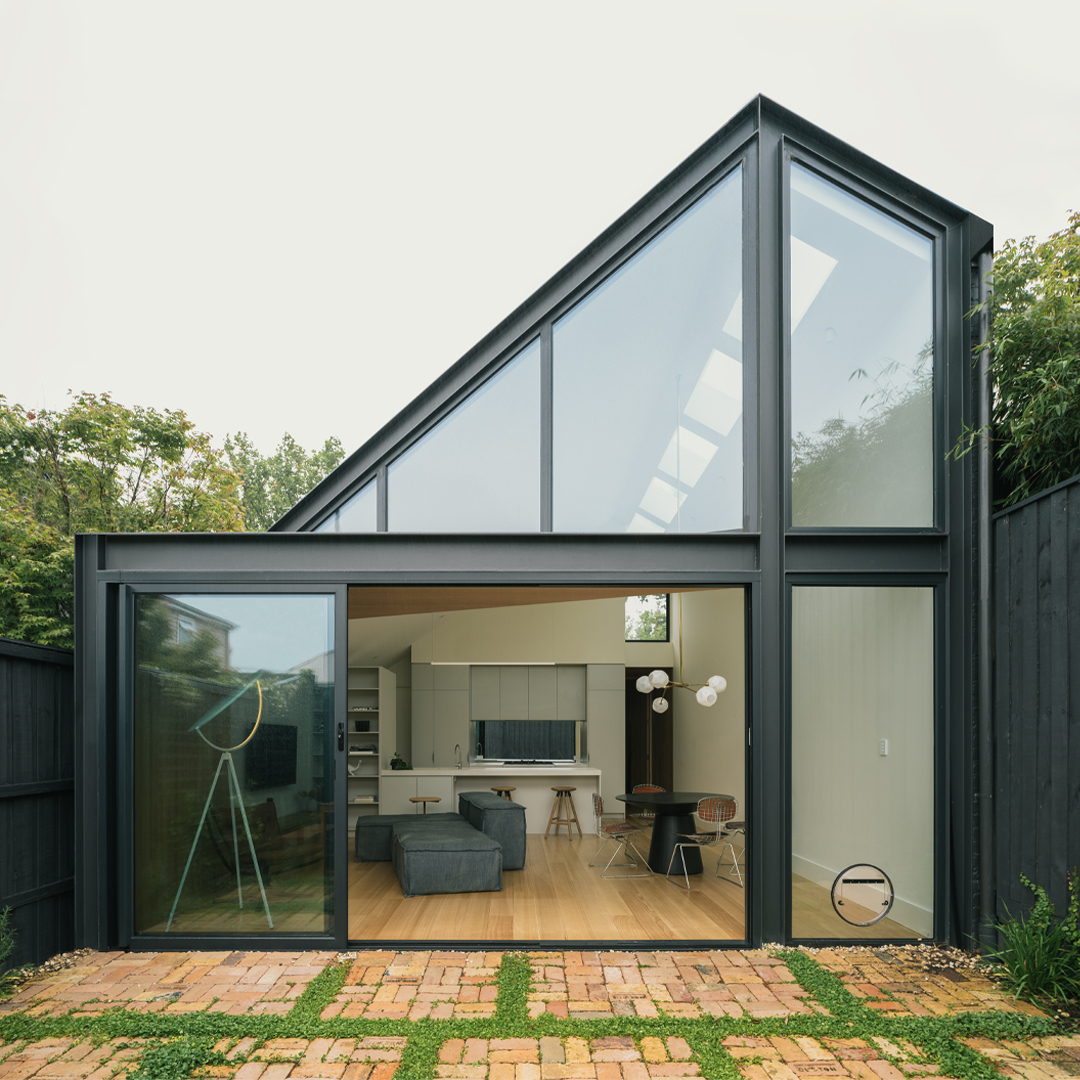
2 days agohiggsfield brings art-directed quality to AI image generation at production scale
Higgsfield's Soul 2.0 revolutionizes AI photo generation for the creative industry, enhancing visual quality and efficiency in producing artistic imagery.



fromArchitectural Digest
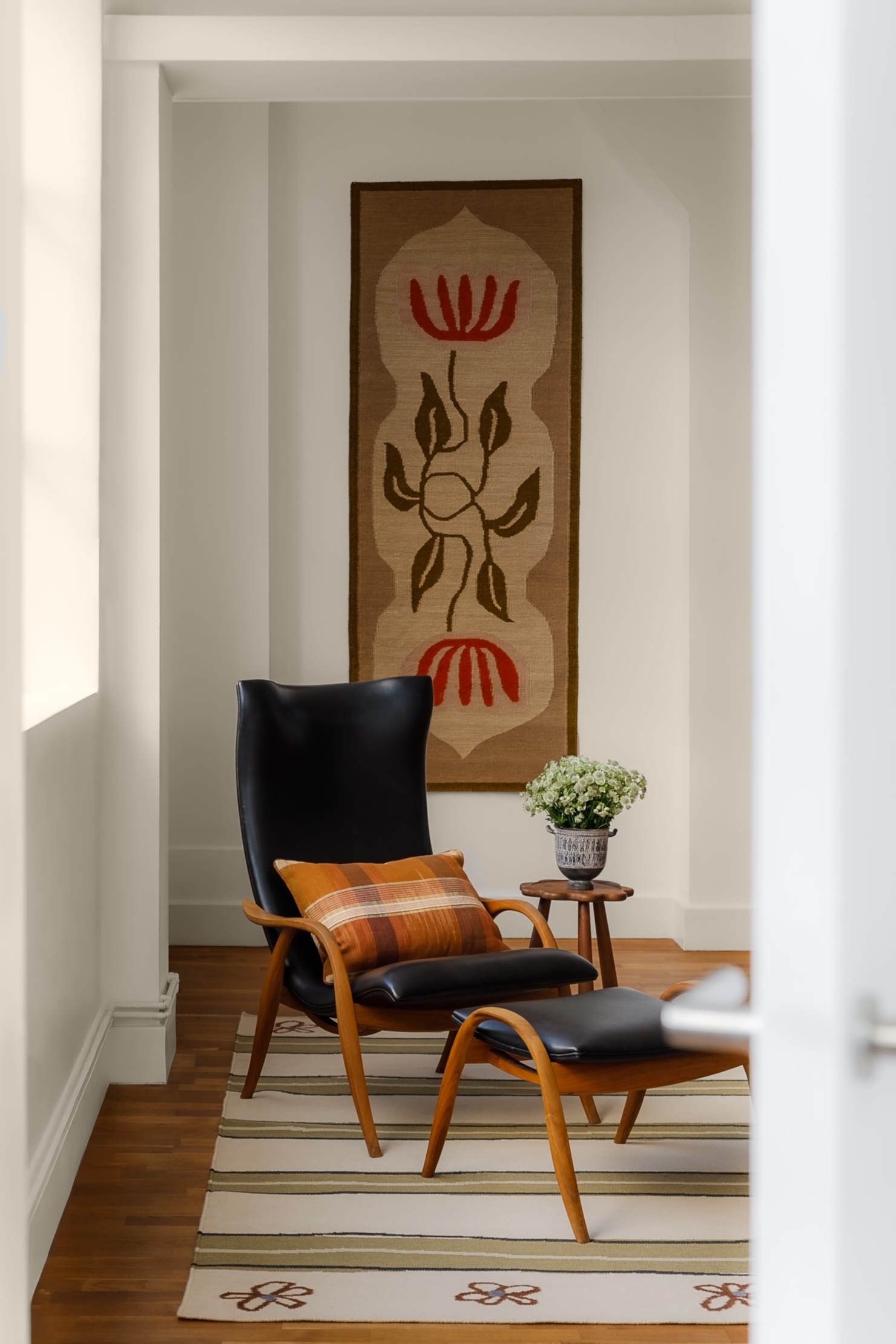
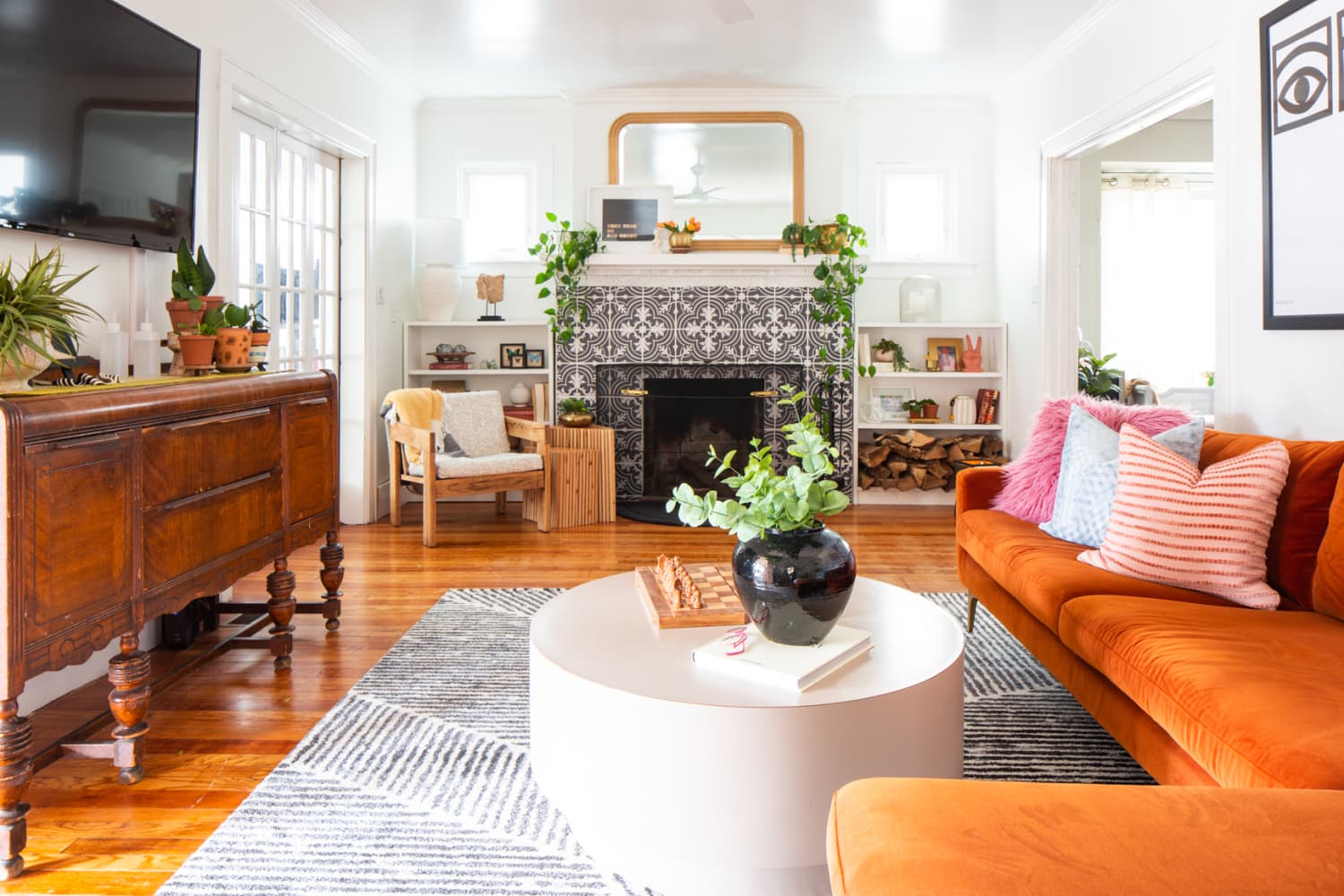
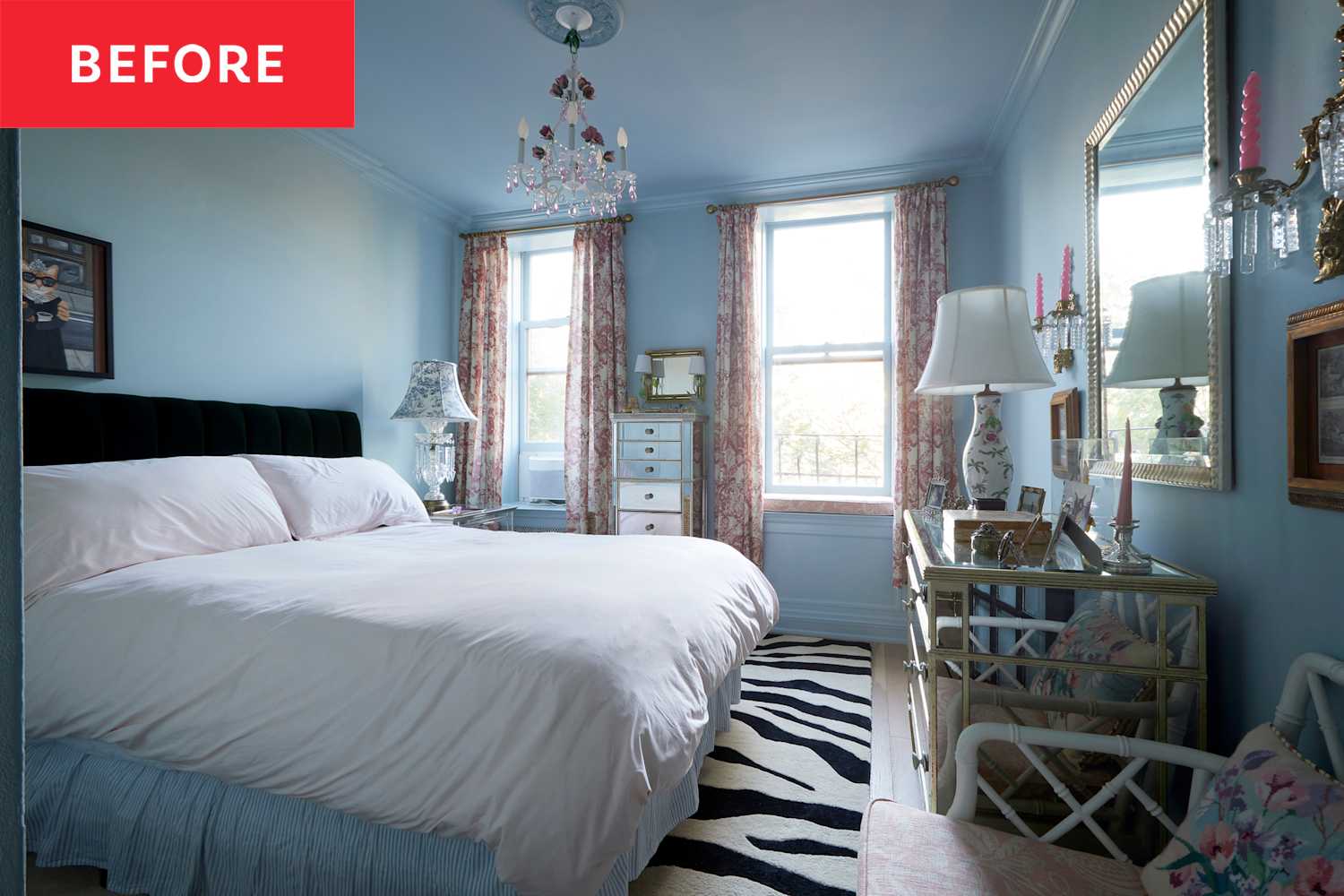
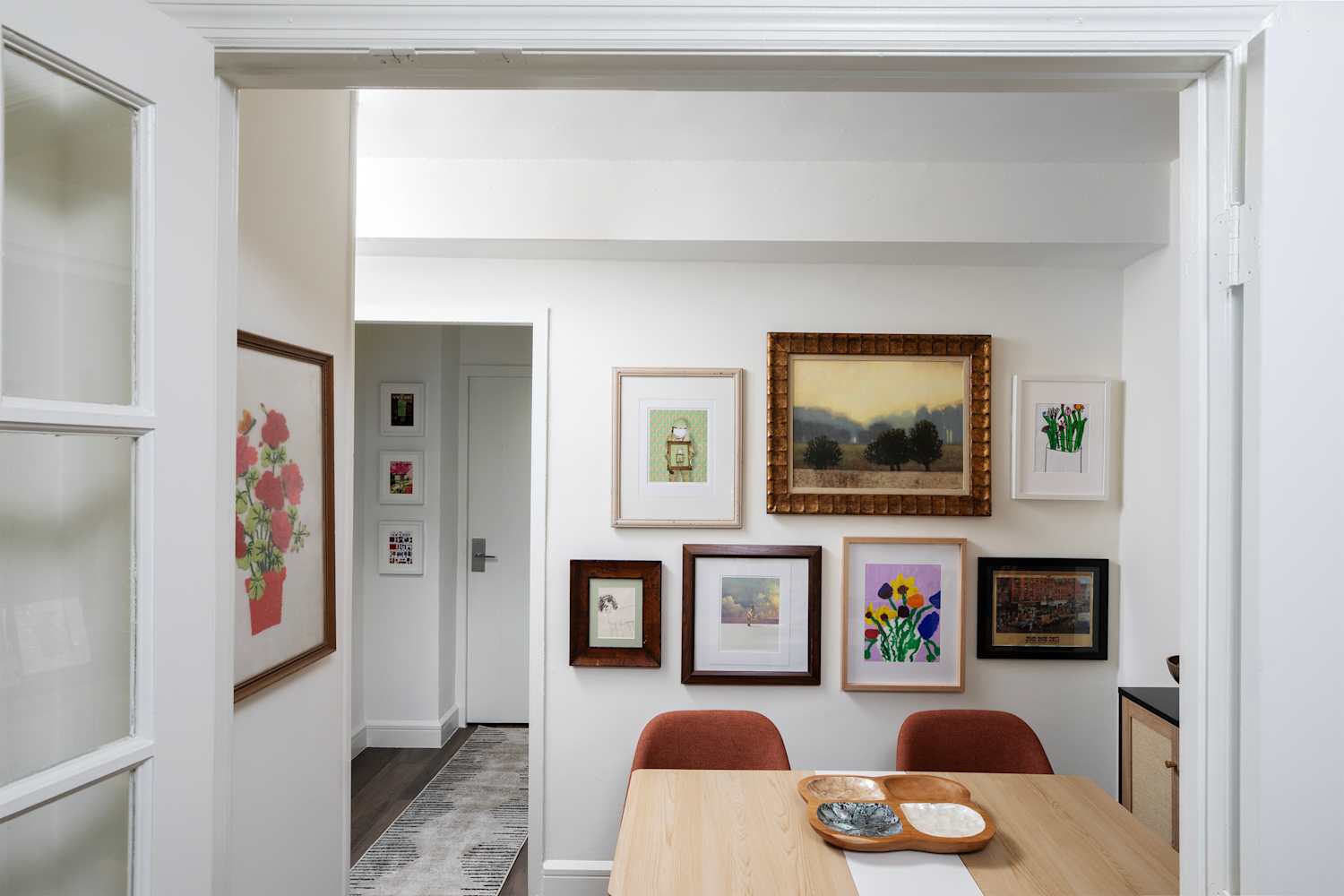
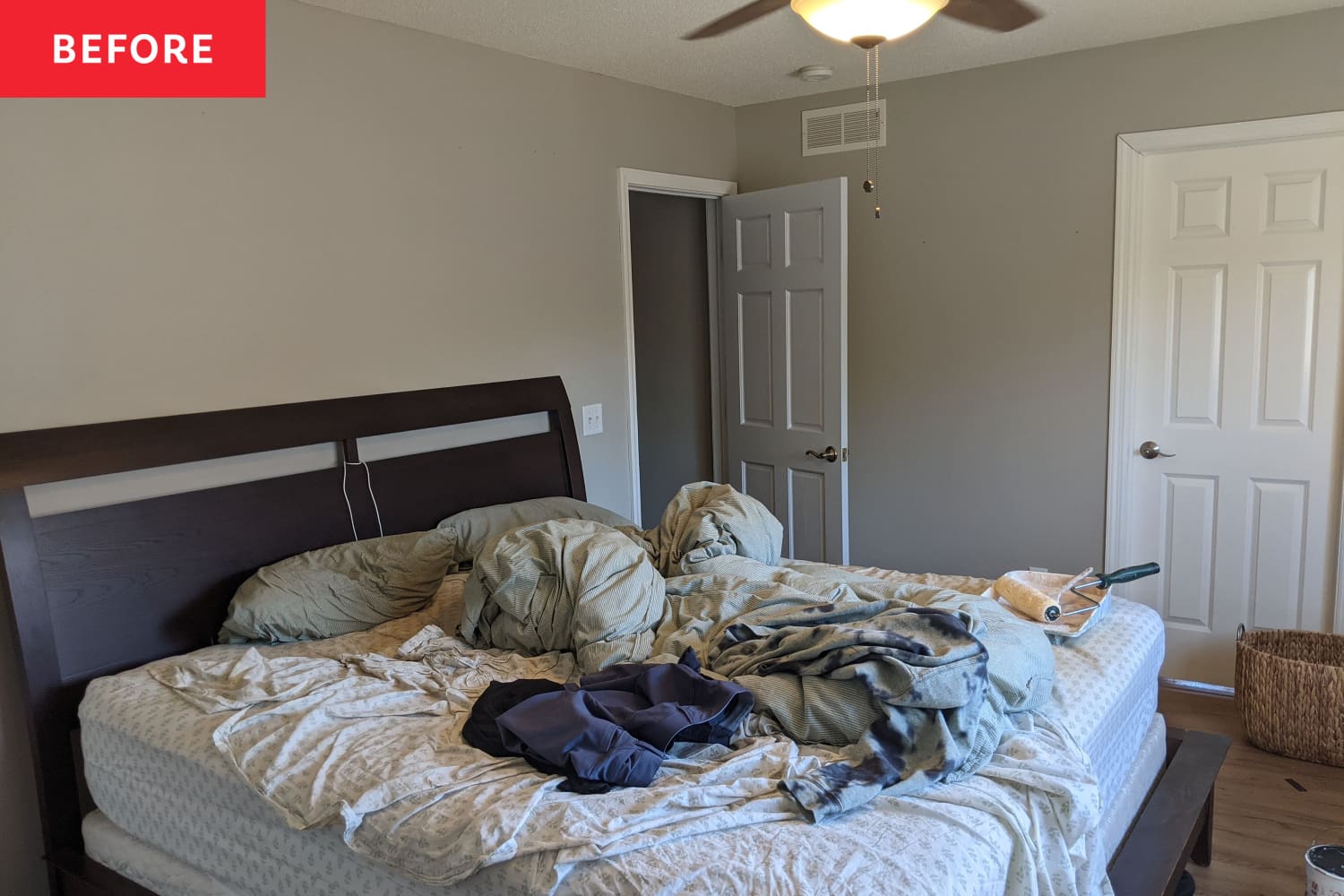
2 days agoI'm Done Sourcing So Much Online. Here's Why
The convenience of sourcing online is fraught with more pitfalls than most of us want to admit. Try finding adequate photos of a vintage piece's condition-close-ups of the fabric, video of damaged areas, any images of a piece's rear or underside!
UX design
#furniture-design
fromRemodelista
3 days agoKitchen of the Week: Hardware Store Finds and Thoughtful Storage for a Professional Chef - Remodelista
"The clients are a family of five who were already living in the Barcelona flat but wanted to give it new character through the redesign of the kitchen and bathrooms," says Muñoz. "Our focus was to update the spaces while maintaining continuity with the rest of the apartment, which has a lot of personality thanks to the clients."
Renovation
Renovation
fromRedfin | Real Estate Tips for Home Buying, Selling & More
3 weeks ago5 Reasons Why Lighting Design Matters More Than You Think in Home Interiors
Thoughtful lighting design enhances home comfort, style, and well-being by supporting circadian rhythms and transforming how spaces feel and function.
fromApartment Therapy
1 month ago6 Designer Tricks That Make Any Room Feel So Vintage
After years of modern, ultra-polished aesthetics dominating the design industry, people are yearning for character. Young renters and homebuyers are indicating that new-builds and gut-renovated spaces, despite clean lines and amenities, simply pale in comparison to the aesthetic charm of an older home. And designers agree: There's something undeniably more interesting about a touch of patina or an imperfect silhouette. The romantic, old-world sensibility of vintage design is hard to beat.
Renovation
fromBustle
2 months agoYou're Making Your Home Look Cheap If You Aren't Doing These Simple Things
When clutter piles up, closets burst at the seams, and cords snake all over your desk, your home can quickly look - and feel - messy. Or maybe it's your tired furniture or flooring that needs some TLC. The good news is that you don't have to spend a ton on a renovation to fix these problem; in fact, sometimes the solution is surprisingly easy and affordable. And that's where this list comes in, with simple upgrades that help you take control of the things that are making your home look cheap.
Renovation
fromApartment Therapy
2 months agoDesigners Are Using This "Drenching" Trend to Make Cramped Spaces Look 10x Larger
Many interior designers are indeed looking towards neutral colors and "warm" minimalism in 2026, as reported in Apartment Therapy's annual design industry survey, the State of Home Design. But there are a few maximalist design trends that refuse to fade into the background this year - namely, room drenching, and, more specifically, stripe drenching. This pattern drench has design pros leaning into colorful, dizzying stripes from wall to wall.
Design
fromApartment Therapy
2 months agoThe "Sandwich Method" Is the Simple Design Rule That Fixes Most Rooms (Especially Small Ones!)
You know the feeling: The paint is dry, the furniture looks good, but somehow the whole thing still feels unfinished. Designers have a trick for that, and it's surprisingly easy. Called the "Sandwich Method," it helps to create a sense of balance in a room through echoing a color at the top and base of the room - and letting the center section fall into place.
Design
[ Load more ]