#javier-tellez
#javier-tellez
[ follow ]
fromHi-Fructose Magazine - The New Contemporary Art Magazine
20 hours agoFor Frode Bolhuis, The Figure Contains Life's Mysteries and Its Multitudes - Hi-Fructose Magazine
When I finished art school, I thought I was going to do monumental sculpture, big works, and I did for a while. But what I started loving the most-actually always loved the most-was the start, where you figure out what you want to say.
Writing
#performance-art




Arts
fromBerlin Art Link
3 weeks agoAn Interview with William Joys | Berlin Art Link
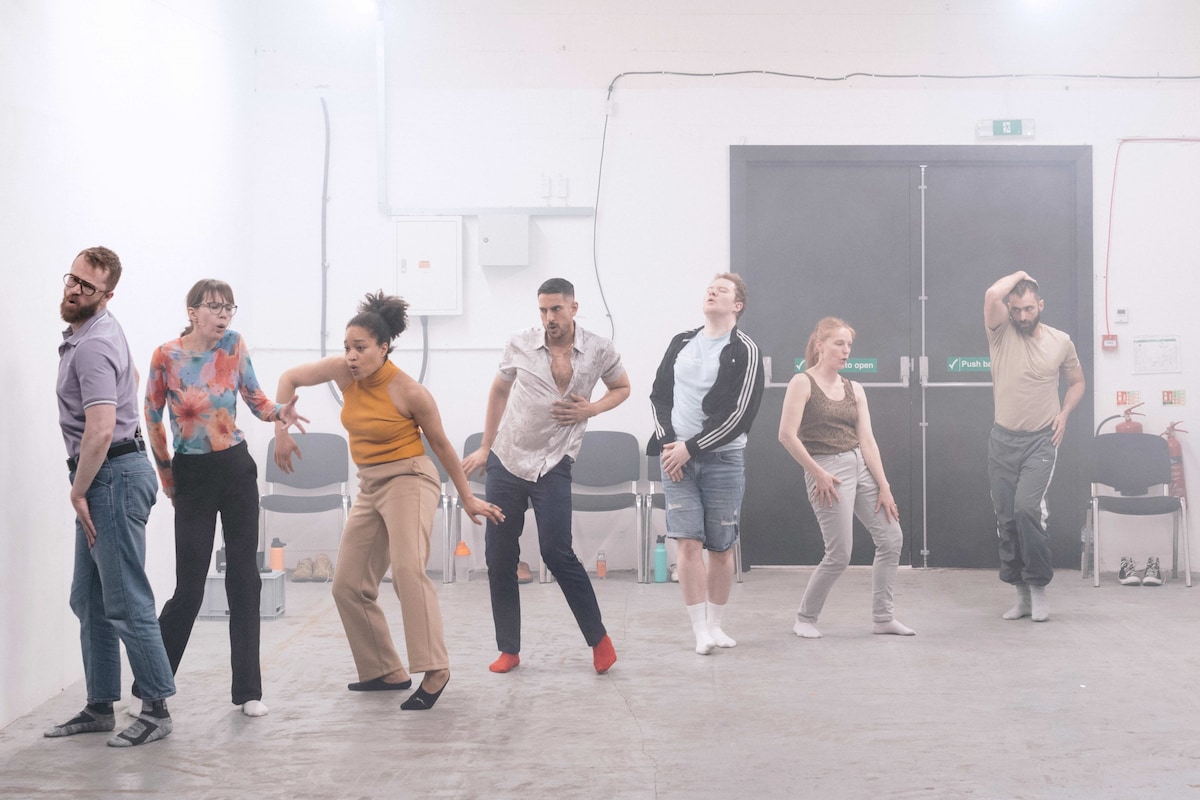
Theater exposes hidden power dynamics through the body's presence, with artist William Joys exploring these relations through 'The Actress' character who transgresses social hierarchies and blurs distinctions between subject and object.
#photography
Photography
fromwww.theguardian.com
3 days agoThe shadows, the figures playing basketball I waited for the magic to appear then it did': Jose Luis Morales Martin's best phone picture
Jose Luis Morales Martin captures the interplay of architecture and photography, emphasizing the emotional connection and artistry in both fields.
Design
fromYanko Design - Modern Industrial Design News
2 weeks agoThis walkable steel sculpture turns geometric chaos into an experience - Yanko Design
Five Fragmented Cubes is an interactive sculpture designed for immersion, challenging traditional viewing by inviting people to enter and explore its structure.
Design
fromArchDaily
3 weeks agoSmiljan Radic: Material Explorations Between Ephemerality and Permanence
Chilean architect Smiljan Radić creates buildings that blend ancient monumentality with provisional fragility, combining diverse materials in experimental ways that challenge conventional architectural categorization.

fromHyperallergic
5 days agoThe Art World Is a Joke
Kamrooz Aram is everywhere this year, from Mumbai Art Week to the Whitney Biennial, and critic Aruna D'Souza is grateful. She pens a beautiful meditation on his work, reading his abstract paintings as not simply a denunciation of Western modernism nor a reassertion of Islamic visual motifs, but something else entirely - something gestural, exuberant, riotous, and incomparably his own.
Arts
Arts
fromThe Art Newspaper - International art news and events
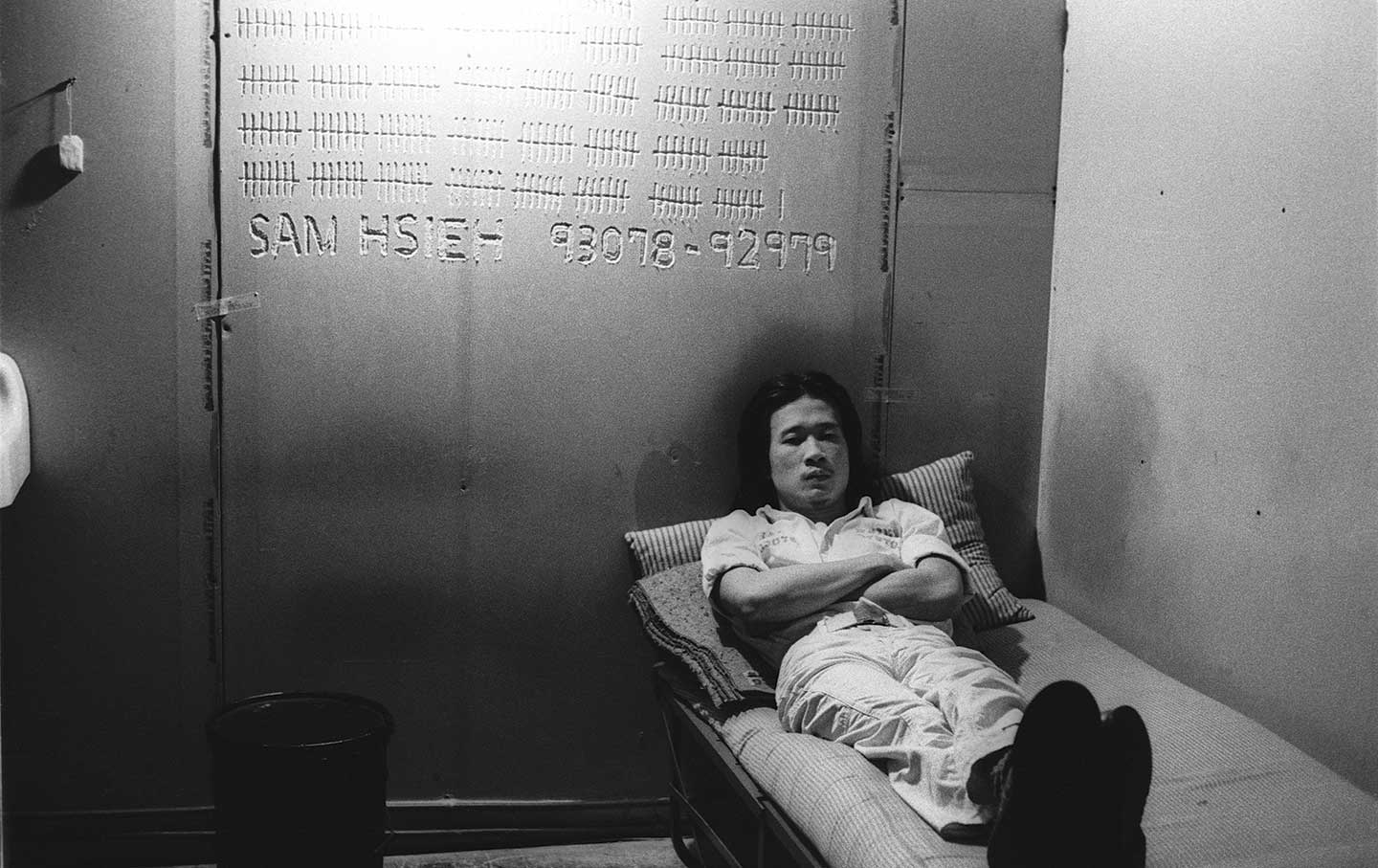
5 days agoPaul Pfeiffer will be inaugural artist-in-residence at Brooklyn's Barclays Center arena
Paul Pfeiffer will be the inaugural artist-in-residence at Barclays Center, focusing on media workshops for those affected by the criminal-justice system.
Berlin music
fromKALTBLUT Magazine
1 month agoUnveil the Pulse of Memory: Filipp Jenikae's Visual Symphony at Galerie Sara Lily Perez - %
Filipp Jenikäe's exhibition explores how urban spectacle, collective memory, and personal experience merge through dynamic paintings of cities, crowds, and athletic figures.
NYC music
fromTime Out New York
1 month agoA sweeping, 140-foot multimedia installation is turning Lincoln Center into a portrait of NYC
Josh S. Rose's Lincoln Center Arrival Tableau is a 140-foot multimedia installation capturing performers, students, and audiences across Lincoln Center's westside campus, celebrating New York's performing arts community.
fromHyperallergic
2 weeks agoArt Movements: Senga Nengudi Wins Big
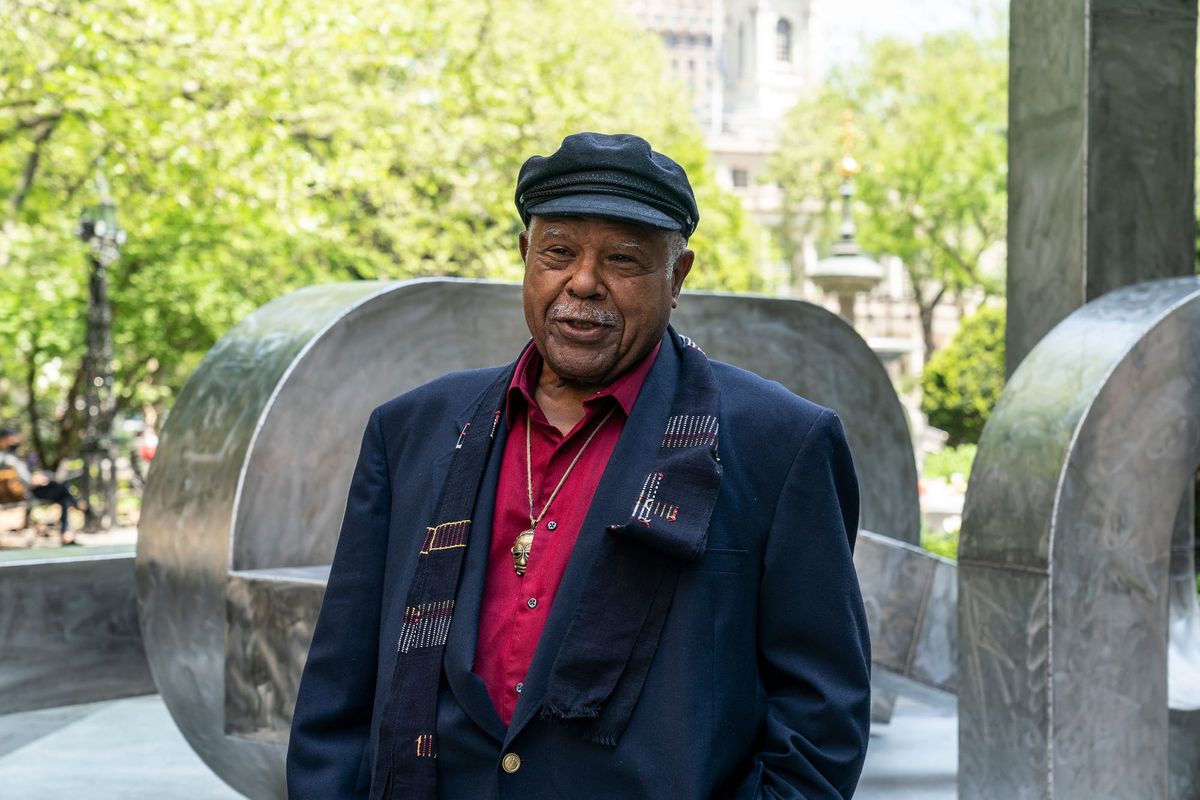
In honor of the 100th anniversary of the painter and multimedia artist's birth, the Robert Rauschenberg Foundation is presenting a one-time award of $100,000 to four artists. Senga Nengudi won the Rauschenberg Centennial Award for visual art, David Thomson for performance, Chandra McCormick and Keith Calhoun for photography, and Patricia Spears Jones for writing.
Arts
fromHyperallergic
2 weeks agoWhat Do We Really Think of the New New Museum?
The new New Museum is many things: contemporary, perhaps, but also a science, history, anthropology, and many other museums in one. It echoes the desire of its patron class to own the world and its affiliated courtier class to deliver it to them on a silver platter, or encased in perforated metal, in this case.
Arts
Arts
fromArtnet News
2 weeks agoThe Tensions Seething Beneath the Surface of the 2026 Whitney Biennial | Artnet News
The 2026 Whitney Biennial features diverse artistic approaches, with AI-focused works ranging from ineffective maximalism to emotionally provocative pieces that meaningfully explore technology's impact on artistic expression.
#contemporary-art

fromArtnet News
1 month agoArts
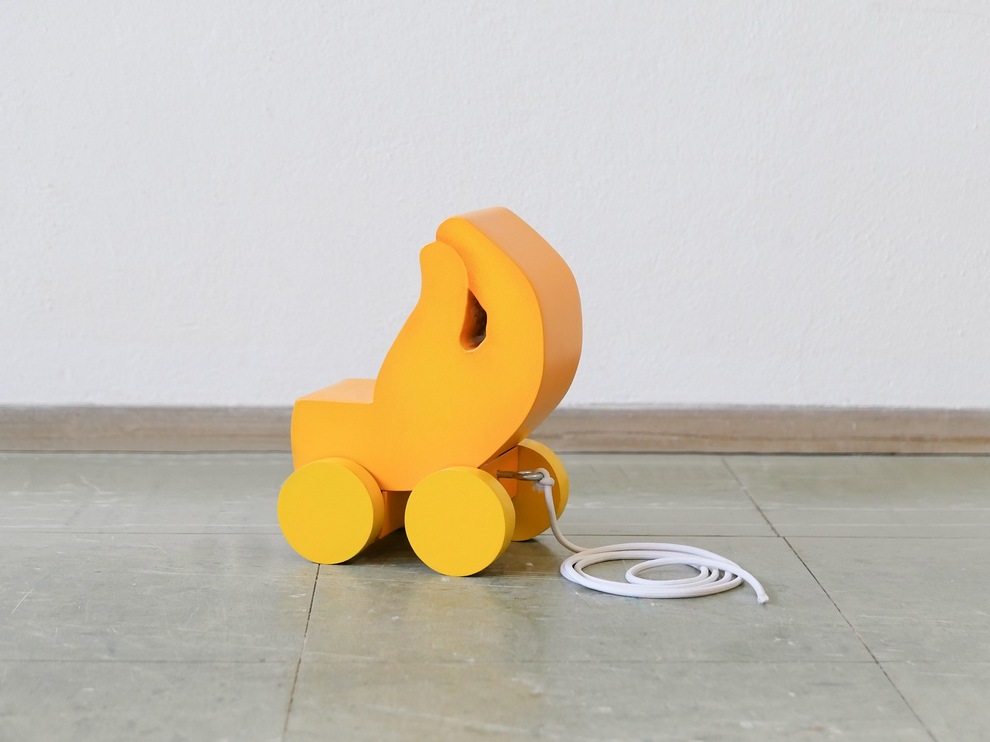
The Young Painter Curators Are Rushing to Work With | Artnet News
Taína H. Cruz, a young artist born in 1998, is featured prominently in both the Whitney Biennial and MoMA PS1's Greater New York, with her work serving as the face of the Whitney show through a billboard in the Meatpacking District.
Arts
fromKALTBLUT Magazine
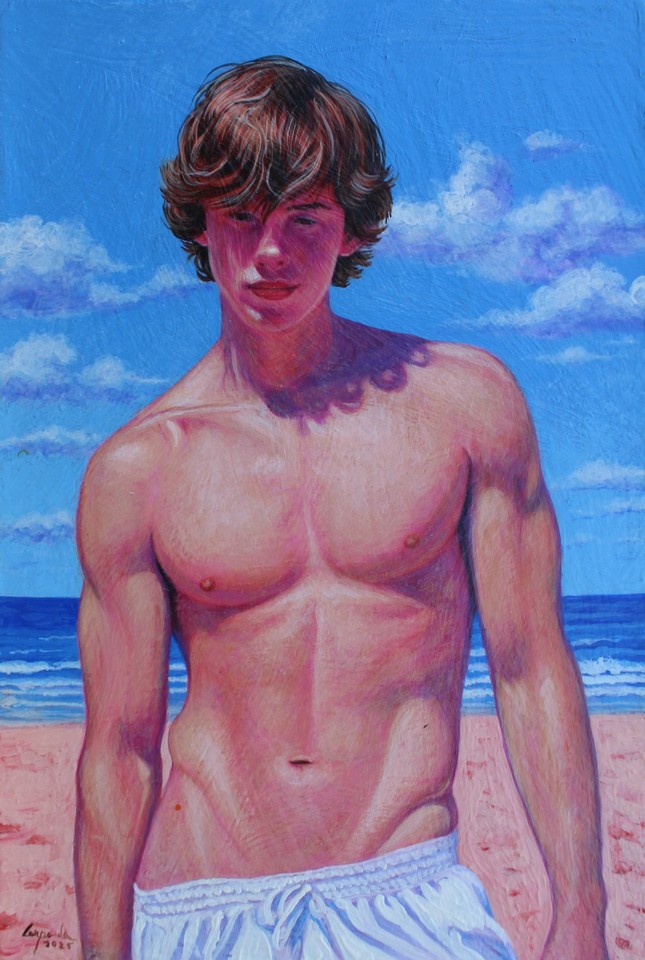
3 weeks agoCelebrate the Unconventional: Discover Fernando Carpaneda's Solo Exhibition at the Arkell Museum - KALTBLUT Magazine
Fernando Carpaneda's solo exhibition at the Arkell Museum showcases expressive portraiture celebrating LGBTQIA+ narratives and everyday urban life through vibrant acrylic paintings.
fromArtnet News
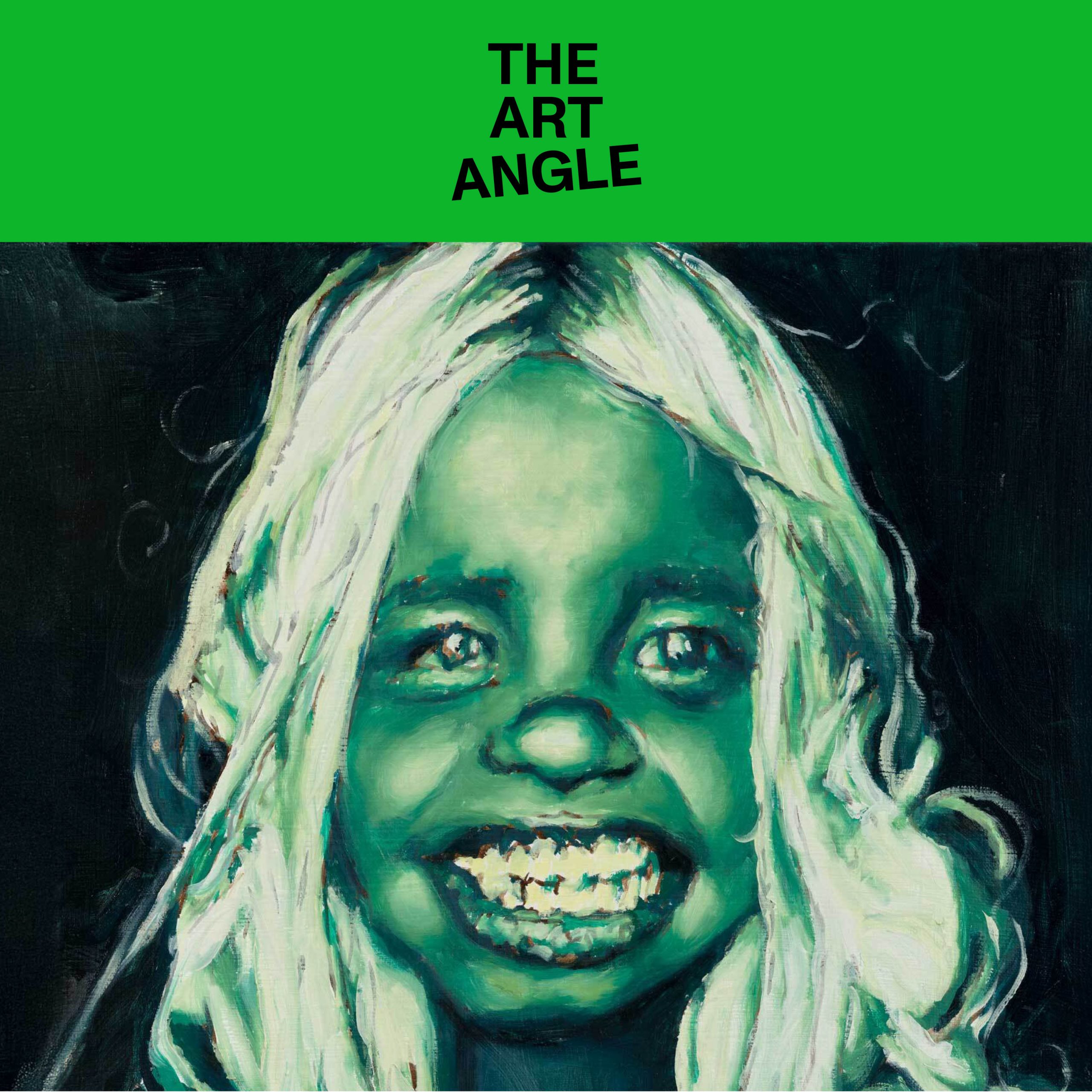
3 weeks agoVeronica Fernandez Builds an Uneasy Monument to Childhood Imagination
There's this push and pull between feeling unease and discomfort, the nature of the spaces, and why they feel uncomfortable. But there is also tenderness and warmth, people adapting to these spaces and finding ways to make them comfortable.
Arts

fromThe Art Newspaper - International art news and events
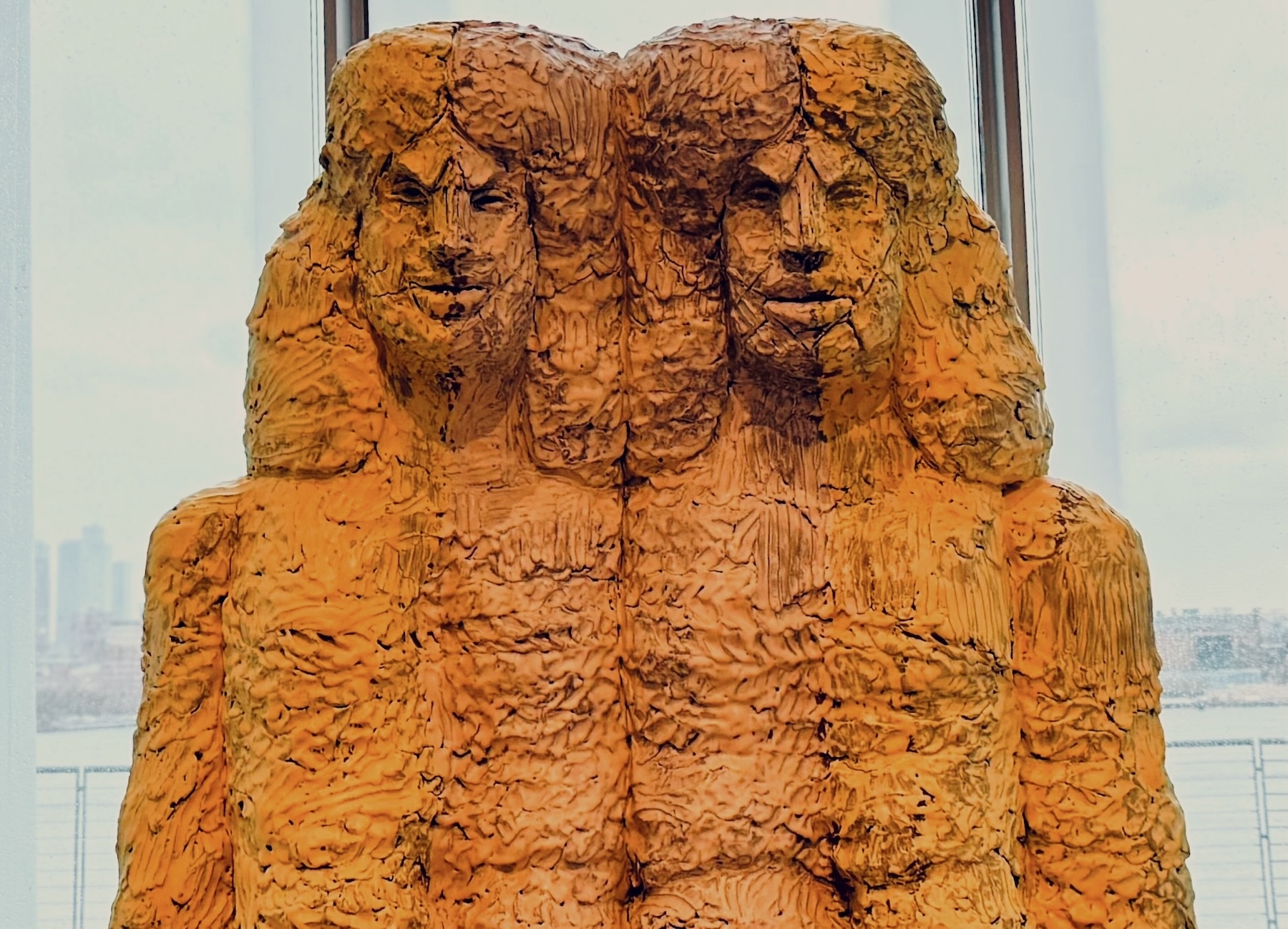
1 month ago'We're the Tijuana of the tent': non-profit Ambos's stand at Frieze Los Angeles is relocated
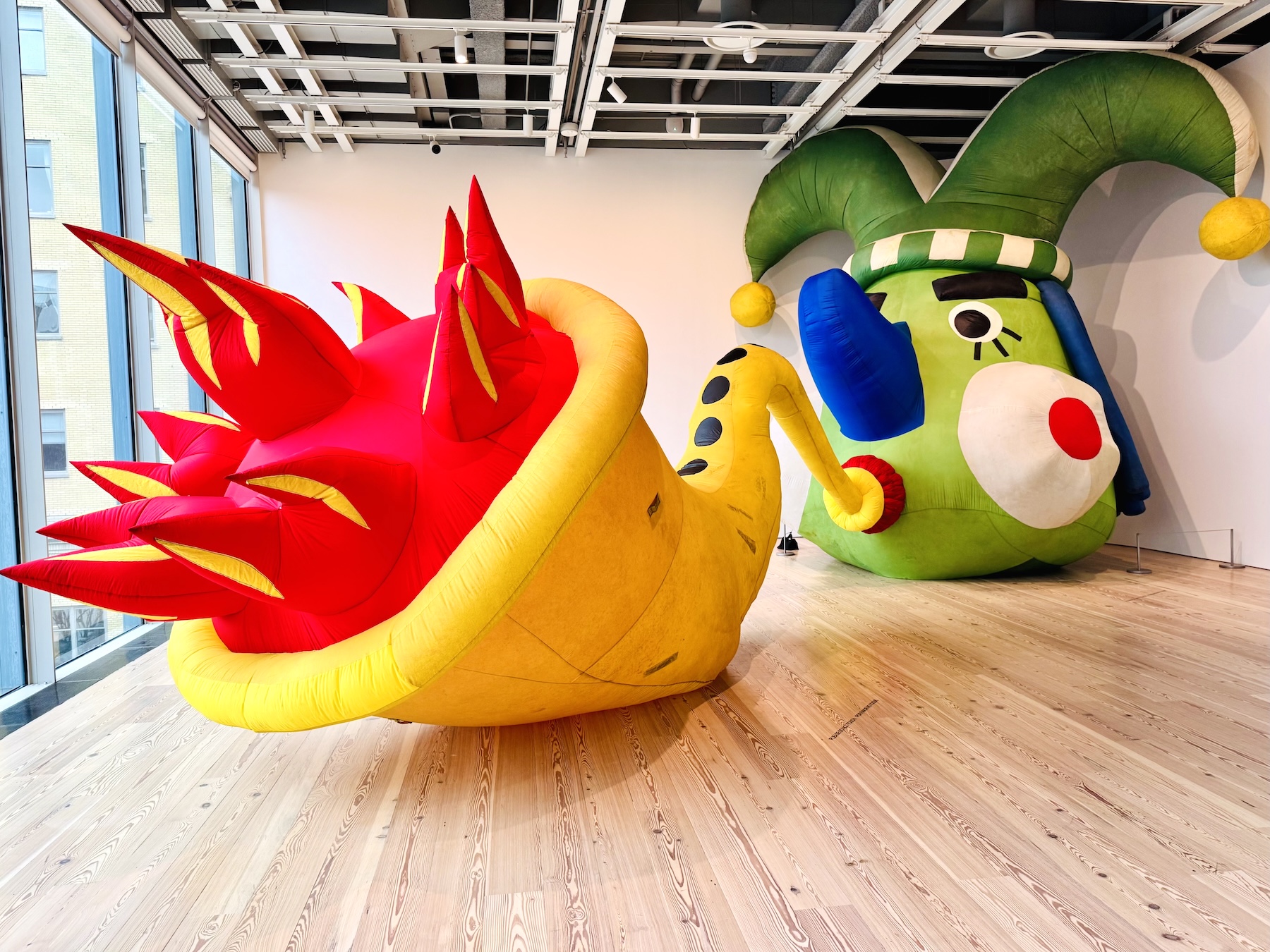
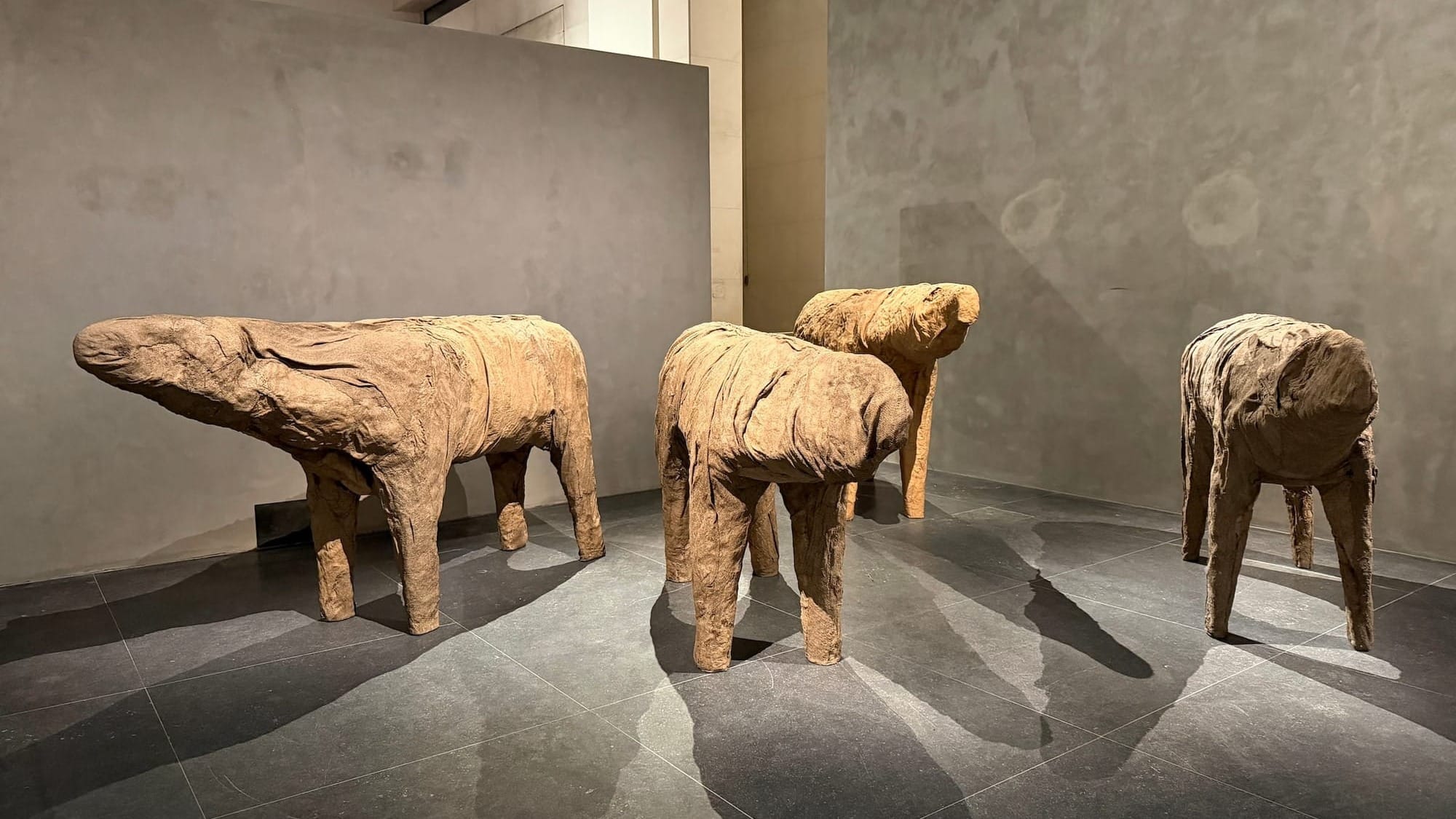
We were supposed to be Frieze's special guests. And we feel like we're being censored, racially profiled and discriminated against. Having worked with the fair for five years, she says she will not continue beyond this weekend.
Arts
Arts
fromMiami Herald
1 month agoCarlos Alfonzo and Belkis Ayon Unite in 'Odyssey' at Freedom Tower
Two significant 20th-century Cuban artists, Carlos Alfonzo and Belkis Ayón, are exhibited together for the first time at Freedom Tower, revealing shared interests in mythology and artistic influences despite their stylistic differences.
fromColossal
2 months agoRegina Silveira Pieces Together an Evolving Narrative of Latin America
Regina Silveira has spent the better part of three decades considering the relationship between media and meaning, particularly as it relates to Latin America. First presented in 1997, "To Be Continued..." features 100 black-and-white reproductions of photos, newspaper clippings, propaganda, advertisements, and more. Silveira nests each image into an oversized puzzle piece, which cuts off faces and scenes to leave fragments of pop culture icons, flora and fauna, and even the occasional mugshot spliced next to one another.
Arts
fromHyperallergic
2 months agoDeborah Jack's Immersive Elegy for Water
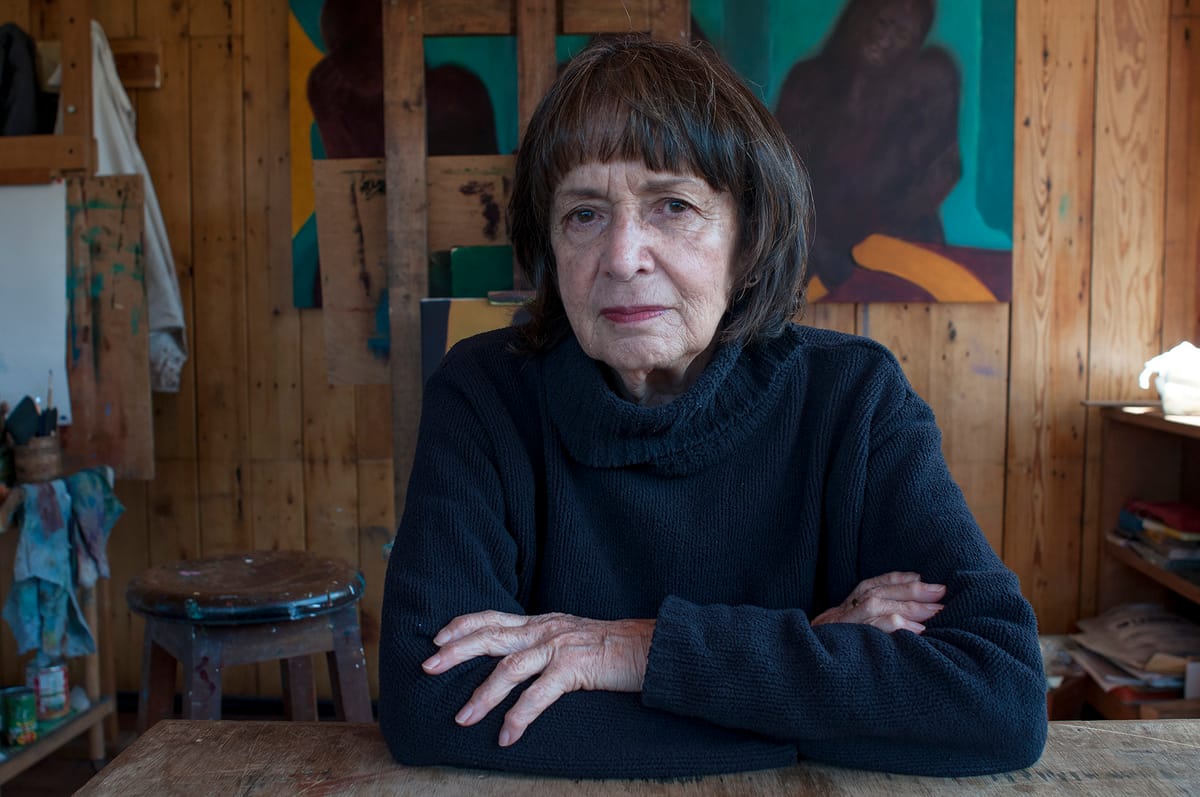
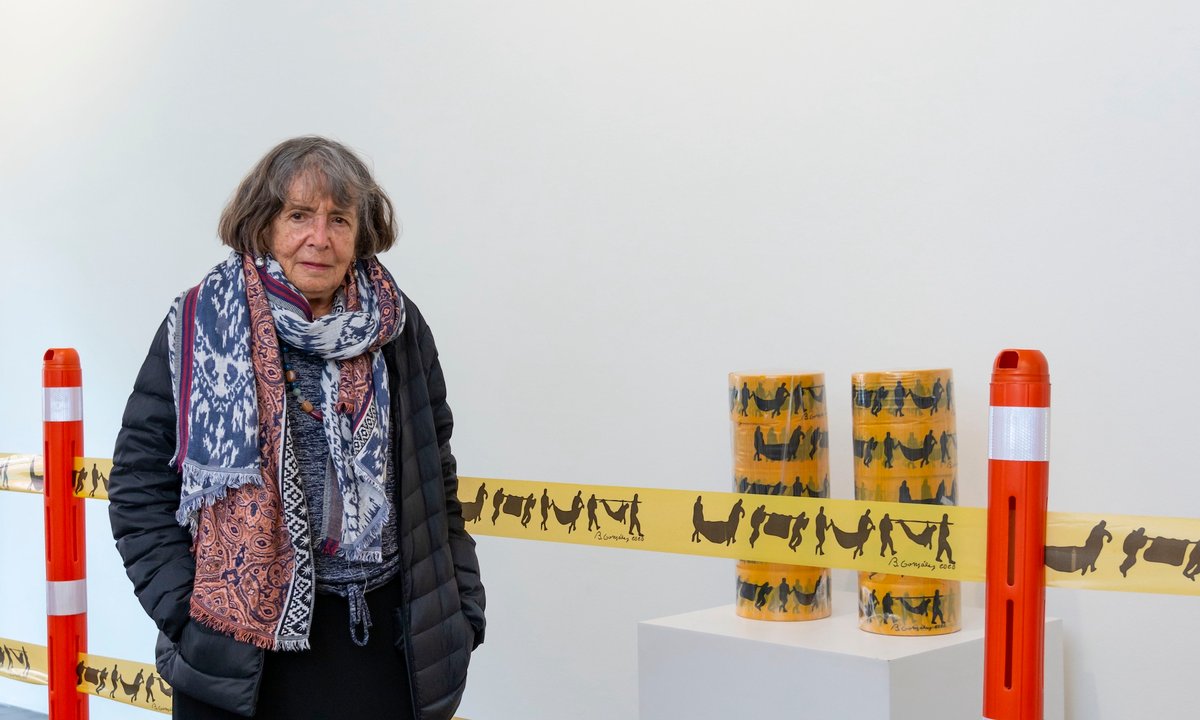
In the language of climate, water is dialectical: It is overabundance and scarcity; needed as well as dreaded. Psychologically, it can represent the unconscious, the maternal, the prelapsarian. Artist Deborah Jack disrupts any viewer's impulse to find recreational soothing in the ocean's tidal landscape, as she openly critiques the legitimacy of cartography, empire, and ecological adaptation. Jack's six-channel video installation "a sea desalts, creeping in the collapse... in the expanse...a rhizome looks for reason... whispers an elegy instead"
Arts
fromHyperallergic
2 months agoVisions of Venezuela and Cuba From Exile
Otherworldly forms greet you at the entrance to the exhibition, transporting you into a kaleidoscopic, dream-like space. A voice speaks in the background as projected images dance across the forms, animating the space. "It's been really beautiful to see her work come alive, become a landscape ... where you can traverse and kind of get lost," curator Fabiola R. Delgado says of Lisu Vega's "The Uncertain Future of Absence (El Futuro Incierto de la Ausencia)" (2025).
Arts
fromHyperallergic
1 month agoThe Sticky Politics of Wall Texts
In 2024, I made a vow to never base my art criticism on wall labels. My decision came after reading reactions to that year's Whitney Biennial. "If every label in 'Even Better Than the Real Thing,' the 81st installment of the Whitney Biennial, were peeled off the walls and tossed into the Hudson, what would happen?" asked Jackson Arn in the New Yorker. (He went on to suggest that the overall show would have been much better.)
Arts
fromArtnet News
1 month agoHow Wifredo Lam Made Surrealism More Surreal Than the Surrealists | Artnet News
An exhibition of Wifredo Lam is about as safe a bet as the Museum of Modern Art can place and still plausibly say that it's a bet on expanding the canon. The Cuban artist is one of the most famous painters of the 20th century, featured in almost every single key show about Surrealism. MoMA acquired his famous painting The Jungle in 1946, a few years after he made it.
Arts
fromArtnet News
2 months agoElda Cerrato, Artist of the Extraterrestrial, Gets Long-Awaited New York Debut
The path to the first New York solo show for Elda Cerrato (1930-2023), now on view at Galerie Lelong, was a long and winding one. Born in Italy to Jewish parents, Cerrato was a child when her family fled fascism in Europe for South America. Authoritarianism continued to shape her life in adulthood, as Cerrato and her husband and son were forced to leave Argentina to escape persecution at the hands of the country's military junta in 1973.
Arts
fromwww.amny.com
2 months agoGoing Under the Radar' with international experimental theater amNewYork
Two years ago, the annual Under the Radar festival (which showcases international, experimental and multidisciplinary theater) was unexpectedly canceled by the Public Theater, its longtime presenter, due to financial issues. In response, the festival was quickly reconceived as a citywide effort involving several other theater companies, allowing it to move forward. The festival, now in its 21st edition, returns this month with productions at theaters across the city from Jan. 7 to 25.
Arts
Arts
fromHi-Fructose Magazine - The New Contemporary Art Magazine
2 months agoIn Plain Site: Isaac Cordal Creates Tiny Worlds Which Mirror Our own - Hi-Fructose Magazine
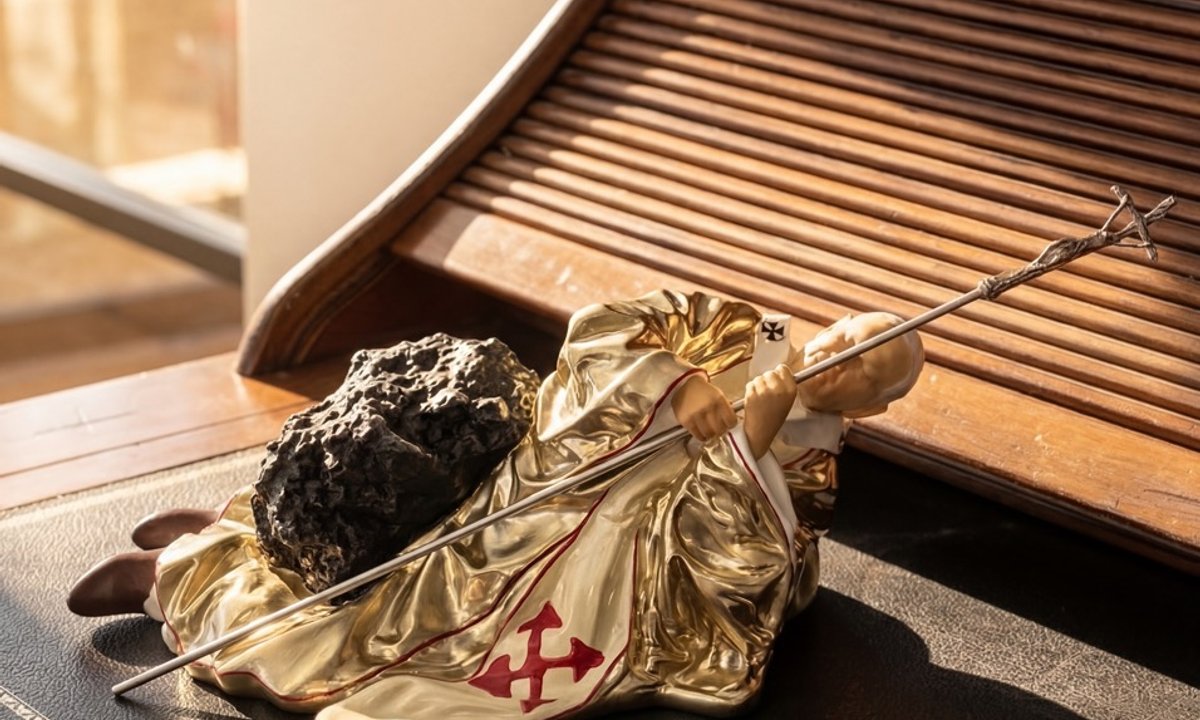
Small sculpted businessmen embody social complacency and systemic contradictions, showing technological obsession, environmental neglect, and coerced conformity amid crisis.
Arts
fromThe Art Newspaper - International art news and events
2 months agoTarek Atoui-known for his innovative musical performances-will take over Tate Modern's Turbine Hall this autumn
Tarek Atoui will transform Tate Modern's Turbine Hall with a Hyundai Commission featuring multisensory, research-driven sound environments and experimental electro-instrumental performances.
fromdesignyoutrust.com
1 month agoDark Humor Decals For Everyday Absurdity: Amazing Acrylic Paintings by Javier Mayoral
Handcrafted Artful Embroideries of Everyday Products by Alicja Kozowska Well of Eternity: Stunning Sci-Fi Concept Artworks of Sung Choi Traveller's Joy The Key To The Countryside Beautiful Shell Adverts From The Mid-1950s These Animal Illustrations Accurately Express Our Monday Blues And Friday Feels Dark, Surreal And Moody Photo Works By Simon Kerola Artist Replaces Jurassic Park Dinosaurs With Those From The Show Dinosaurs "Deathmask Divine": The Superb Dark Paintings of Bahrull Marta
Arts
[ Load more ]